- Company Articles
- Products and Technology
- Solution
- How Duplex Aluminum Pipe Joint Supports Sustainable Lean Manufacturing

How Duplex Aluminum Pipe Joint Supports Sustainable Lean Manufacturing
Related Product
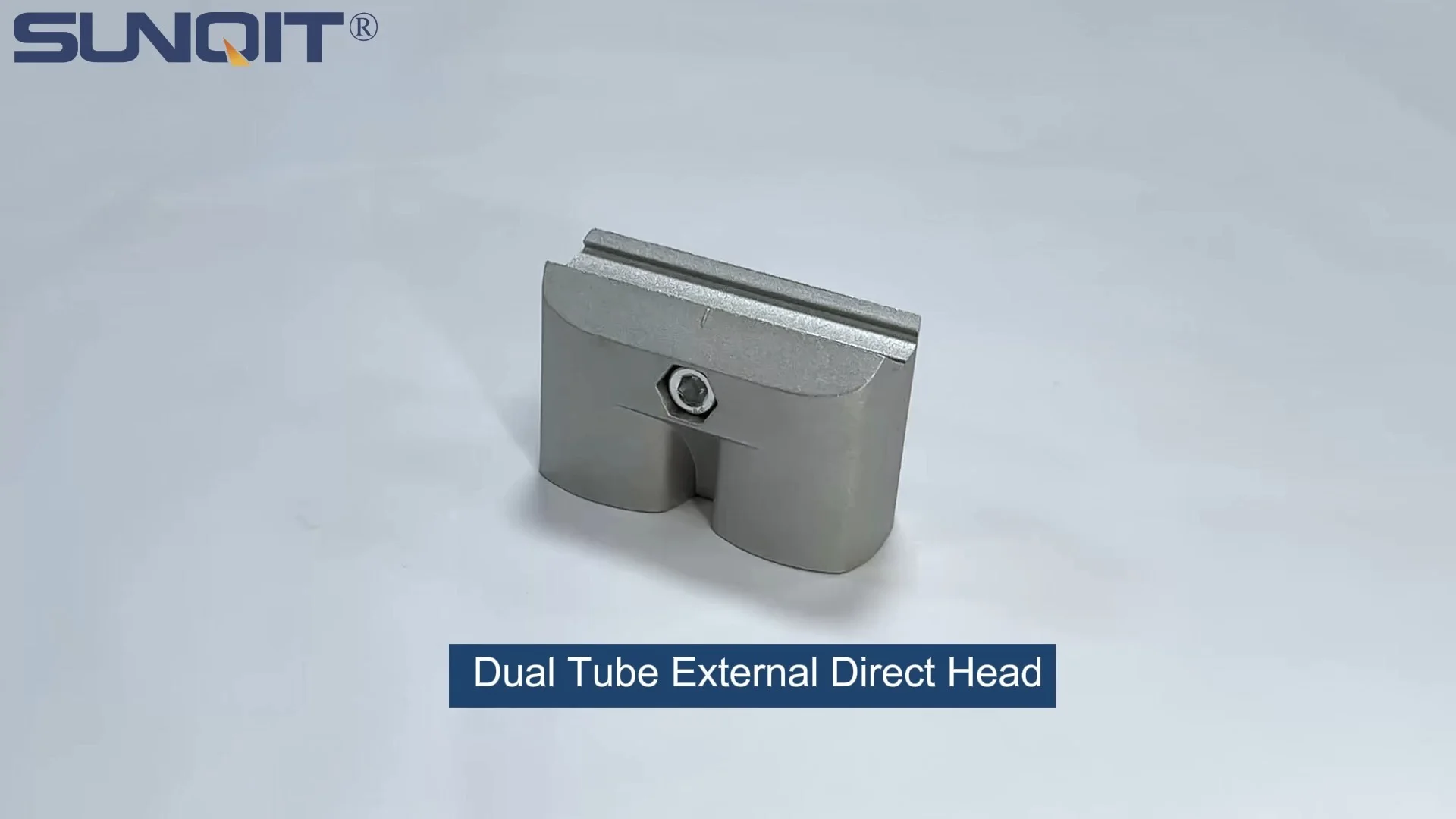
Duplex Aluminum Pipe Joint
Duplex Aluminum pipe joint used for one pcs 28pcs aluminum pipe and one pcs of 28mm duplex pipe connection in straight angle.
Bridging efficiency, flexibility, and environmental responsibility in modern production
Introduction: The New Era of Manufacturing
In today's fast-paced industrial landscape, manufacturers are no longer measured solely by how quickly they can produce goods or how little they spend on materials. The bar has risen: success now hinges on balancing three pillars—efficiency, adaptability, and sustainability. This is where lean manufacturing, a philosophy rooted in eliminating waste and continuous improvement, meets the urgent need for eco-conscious practices. At the heart of this intersection lies a humble yet transformative component: the duplex aluminum pipe joint. Though small in size, this unassuming piece plays a pivotal role in building lean systems that are not only productive but also kind to the planet.
Lean manufacturing, born from the Toyota Production System, has long been celebrated for its ability to streamline workflows, reduce costs, and enhance product quality by targeting seven key wastes—overproduction, waiting, transportation, defects, inventory, motion, and overprocessing. But as global awareness of climate change and resource depletion grows, "lean" is no longer enough. Modern manufacturers need "sustainable lean": systems that cut waste and minimize environmental impact. This is where the choice of materials and components becomes critical. Aluminum, with its lightweight, durable, and recyclable properties, has emerged as a star player, and when paired with innovative connectors like the duplex aluminum pipe joint, it becomes a cornerstone of sustainable production.
Understanding Lean Systems and Sustainability
Before diving into the specifics of duplex aluminum pipe joints, let's clarify what we mean by "lean systems" and "sustainability" in this context. A lean system is one that is designed to deliver maximum value to customers with minimal waste. It prioritizes flexibility, allowing production lines to adapt to changing demand without unnecessary delays or costs. Sustainability, on the other hand, focuses on meeting present needs without compromising the ability of future generations to meet theirs. For manufacturers, this translates to reducing carbon footprints, minimizing material waste, and using resources efficiently.
The challenge? These two goals—lean efficiency and sustainability—are often seen as competing. For example, traditional lean solutions might rely on cheap, non-recyclable materials to cut costs, while sustainable practices could demand expensive, rigid components that hinder adaptability. The duplex aluminum pipe joint shatters this false dichotomy. By combining the strength of aluminum with a clever, dual-connection design, it enables the creation of modular, durable structures that support lean principles while aligning with environmental goals. Let's unpack how.

What Is a Duplex Aluminum Pipe Joint?
At its core, a duplex aluminum pipe joint is a specialized connector designed to join aluminum extrusion profiles—hollow, lightweight beams with T-shaped grooves—into stable, configurable structures. Unlike single-point connectors, which rely on a single bolt or clip, duplex joints feature two connection points, distributing weight and stress more evenly. This dual design not only enhances structural integrity but also simplifies assembly and disassembly, making it ideal for dynamic production environments.
To understand its role, consider the anatomy of a typical production setup: workbenches, material racks, conveyor systems, and turnover trolleys. These are often built using aluminum extrusion profiles, which are prized for their strength-to-weight ratio and compatibility with aluminum profile accessories. The duplex joint acts as the "glue" that holds these profiles together, allowing manufacturers to build custom solutions without welding, drilling, or specialized tools. Imagine a workbench that can be adjusted in height in minutes, or a material rack that can be reconfigured to hold new products overnight—all thanks to the flexibility of duplex joints.
But what sets duplex aluminum pipe joints apart from other connectors? Let's break down their key features:
- Dual-Connection Design: Two contact points ensure a tighter, more stable fit, reducing the risk of wobbling or collapse under heavy loads.
- Compatibility: Works seamlessly with standard aluminum extrusion profiles (e.g., 2020, 3030, 4040 series) and a wide range of aluminum profile accessories, from end caps to caster wheels.
- Tool-Free Assembly: Most duplex joints can be tightened or loosened by hand using a simple hex key, eliminating the need for power tools or skilled labor.
- Durability: Made from high-grade aluminum alloy, these joints resist corrosion, wear, and impact, ensuring long service life even in harsh factory conditions.

Supporting Lean Systems: Waste Reduction and Flexibility
Lean systems thrive on eliminating waste, and duplex aluminum pipe joints excel at this. Let's explore three key areas where they drive lean efficiency:
1. Minimizing Material Waste
Traditional manufacturing setups often rely on custom-built, fixed structures. If a production line changes—say, a new product requires a wider workbench or a taller material rack—the old structure is often discarded, leading to material waste. Duplex joints solve this by enabling reusability . Aluminum extrusion profiles and joints can be disassembled and repurposed into new configurations, reducing the need for new materials. For example, a disused conveyor section can be broken down into parts for a new turnover trolley, cutting down on scrap and raw material consumption.
2. Reducing Downtime Waste
In lean terms, "waiting" is a major waste. When production halts because a workbench is too short or a rack is the wrong size, every minute of downtime eats into profits. Duplex joints minimize this by allowing rapid reconfiguration. A team can adjust a workstation's height or reposition a material rack in under an hour, compared to days for traditional welded structures. This agility ensures production lines stay up and running, even as product designs or demand patterns shift.
3. Enhancing Workflow Efficiency
Ergonomics and workflow are central to lean systems. A poorly designed workbench forces operators to bend, stretch, or walk extra steps—wasting motion and increasing fatigue. Duplex joints enable the creation of ergonomic, tailored workstations. For instance, a line worker assembling small electronics might need a lower bench with integrated tool holders, while a colleague handling larger components could use a taller setup with adjustable shelves. With duplex joints, these customizations are affordable and easy to implement, leading to smoother workflows and happier, more productive teams.

Sustainability Benefits: Aluminum's Green Edge
Beyond lean efficiency, duplex aluminum pipe joints shine in sustainability. Aluminum, the material of choice, is inherently eco-friendly, and when paired with the joint's modular design, the environmental benefits multiply:
1. Recyclability: Closing the Loop
Aluminum is 100% recyclable, and recycling it requires just 5% of the energy needed to produce new aluminum from bauxite ore. This means that even at the end of their service life, duplex joints and aluminum extrusion profiles can be melted down and reused, reducing reliance on virgin materials. Unlike plastic connectors, which often end up in landfills, or steel joints, which corrode and become brittle over time, aluminum joints retain their value and utility in the circular economy.
2. Lightweight Design: Lower Energy Consumption
Aluminum is significantly lighter than steel—about one-third the weight for the same strength. This reduces the energy required to transport materials and assemble structures. For example, a turnover trolley built with aluminum profiles and duplex joints is easier to push, cutting down on operator fatigue and the need for motorized transport. Similarly, lightweight conveyor systems require less energy to operate, lowering a factory's carbon footprint.
3. Longevity: Reducing Replacement Cycles
Sustainability isn't just about recycling—it's also about making products that last. Duplex aluminum pipe joints are built to withstand years of use. Their corrosion resistance ensures they don't rust in humid environments, and their robust design handles daily wear and tear without degrading. This longevity means fewer replacements, reducing the demand for new resources and the waste generated from disposing of old components.
Case Study: A Electronics Manufacturer's Lean-Sustainability Journey
To put these benefits into context, consider a mid-sized electronics manufacturer facing two challenges: rising material costs and pressure to reduce its carbon footprint. The company's old production line relied on steel workbenches and wooden material racks—fixed structures that couldn't adapt to new product sizes and often warped or rusted within 3–5 years.
After switching to aluminum extrusion profiles and duplex aluminum pipe joints, the results were striking:
- Waste Reduction: Old steel structures were recycled, and 80% of the aluminum profiles and joints were reused to build new workbenches and racks, cutting material purchases by 40%.
- Downtime Reduction: Reconfiguring a production line for a new smartphone model took 4 hours instead of 3 days, saving 56 hours of lost production annually.
- Energy Savings: Lighter aluminum trolleys and racks reduced forklift usage by 20%, lowering fuel consumption and carbon emissions.
- Longevity: After 7 years, the aluminum structures showed no signs of corrosion, eliminating the need for replacement—a stark contrast to the 3–5 year lifespan of the old steel setups.
"The duplex joints were a game-changer," said the plant manager. "We're not just saving money—we're building a production line that can grow with us, and we're doing it without leaving a huge environmental footprint."
Comparing Duplex Joints to Traditional Connectors
To fully appreciate the value of duplex aluminum pipe joints, it helps to compare them to traditional connectors like steel bolts, plastic clips, and welded joints. The table below highlights key differences in terms of lean efficiency and sustainability:
| Feature | Duplex Aluminum Pipe Joint | Steel Bolted Joints | Plastic Clip Connectors | Welded Joints |
|---|---|---|---|---|
| Assembly Time | 5–10 minutes (tool-free) | 30–60 minutes (requires drilling/wrenching) | 10–15 minutes (prone to stripping) | 60–90 minutes (requires skilled labor) |
| Reusability | High (can be disassembled and reused indefinitely) | Low (bolts strip; holes weaken profiles) | Low (plastic degrades with repeated use) | None (permanently fixed; must be cut/discarded) |
| Environmental Impact | High (100% recyclable aluminum; minimal waste) | Medium (recyclable steel but heavy, energy-intensive to transport) | Low (non-recyclable plastic; short lifespan) | High (energy-intensive welding; non-reusable) |
| Cost Over Time | Low (initial cost offset by reusability and longevity) | High (frequent replacement; labor costs for assembly) | Medium (cheap upfront but needs replacement every 1–2 years) | Very High (expensive labor; no reusability) |
The data speaks for itself: duplex aluminum pipe joints outperform traditional connectors in nearly every category that matters for sustainable lean manufacturing. They are faster to assemble, easier to reuse, kinder to the environment, and more cost-effective over the long term.
Future Trends: Innovations in Duplex Joint Technology
As manufacturing evolves, so too do the tools that support it. Duplex aluminum pipe joints are no exception. Recent innovations are making them even more versatile and sustainable:
- Smart Joints: Some manufacturers are integrating RFID tags into duplex joints, allowing teams to track components via digital inventory systems. This reduces "inventory waste" by ensuring managers know exactly where each joint or profile is located, minimizing over-ordering.
- Lightweight Alloys: New aluminum alloys with even higher strength-to-weight ratios are being developed, making duplex joints suitable for heavier loads without increasing weight or energy use.
- Modular Accessories: Brands are launching specialized aluminum profile accessories designed specifically for duplex joints, such as quick-release end caps and adjustable brackets, further simplifying reconfiguration.
These advancements are not just incremental improvements—they're pushing the boundaries of what sustainable lean systems can achieve. In the near future, we may see factories where entire production lines are reconfigured remotely, with duplex joints adjusting in real time to data from sensors and AI-driven demand forecasts.
Conclusion: Small Component, Big Impact
In the grand scheme of manufacturing, the duplex aluminum pipe joint may seem like a minor detail. But as we've explored, its impact is anything but small. By enabling the creation of flexible, durable, and recyclable structures, it bridges the gap between lean efficiency and sustainability, proving that productivity and environmental responsibility don't have to be at odds.
For manufacturers looking to thrive in the 21st century, the message is clear: sustainable lean manufacturing isn't a trend—it's a necessity. And at the heart of this transformation lies components like the duplex aluminum pipe joint. It's a reminder that sometimes, the most powerful innovations aren't the flashy, high-tech machines, but the quiet, clever solutions that make everyday production smarter, greener, and more human-centered.
As the electronics manufacturer in our case study discovered, investing in duplex joints isn't just about building better workbenches or racks. It's about building a future where manufacturing works for people, profits, and the planet—one joint at a time.