- Company Articles
- Products and Technology
- Solution
- How Duplex Aluminum Pipe Joints Reduce Downtime in Production

How Duplex Aluminum Pipe Joints Reduce Downtime in Production
Related Product
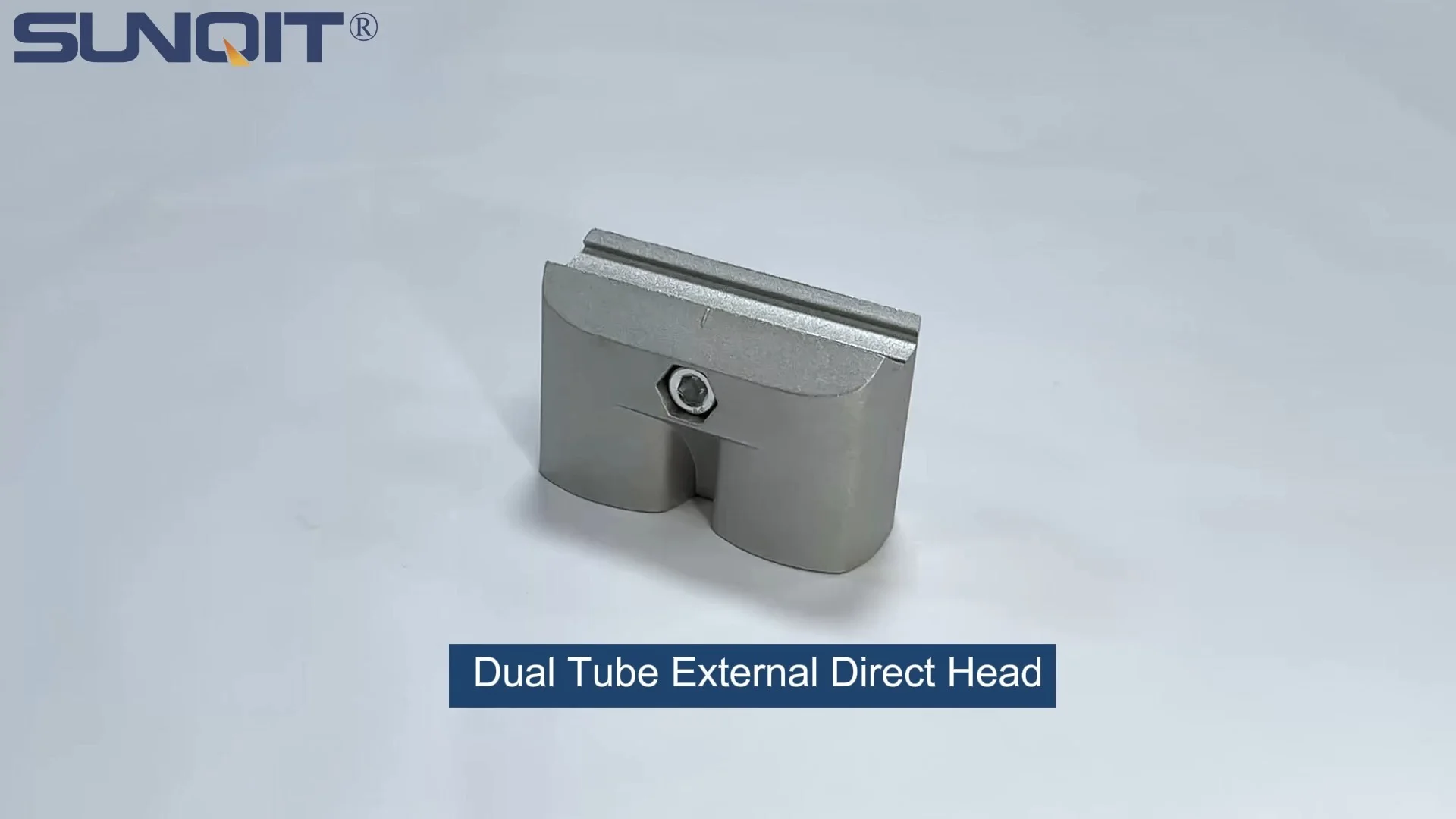
Duplex Aluminum Pipe Joint
Duplex Aluminum pipe joint used for one pcs 28pcs aluminum pipe and one pcs of 28mm duplex pipe connection in straight angle.
Picture this: It's 9 AM on a Tuesday, and your production line is humming. Parts are moving, workers are focused, and everything's on track to meet the day's quota. Then—*clunk*. A joint on the material rack snaps. The line grinds to a halt. By the time maintenance tracks down a replacement, removes the old rusted joint, and welds the new one in place, two hours have vanished. That's two hours of lost output, frustrated employees, and a growing backlog. Sound familiar? For manufacturers, downtime isn't just an annoyance—it's a silent profit killer. But what if there was a way to slash those unexpected halts? Enter duplex aluminum pipe joints: the unsung heroes of streamlined, resilient production systems.
The Hidden Cost of Downtime: Why Every Minute Matters
Downtime in manufacturing comes in many forms—equipment failures, setup delays, maintenance snags, or even simple reconfigurations for new product runs. According to industry reports, unplanned downtime alone costs factories an average of $50,000 per hour. For smaller operations, that number might be lower, but the impact is just as crippling: missed deadlines, overtime expenses to catch up, and strained relationships with clients. Even planned downtime, like retooling a workbench or adjusting a roller track, eats into productivity if it takes hours instead of minutes.
The root of much of this waste? Outdated, rigid equipment components. Traditional steel joints, for example, are durable but heavy, require welding or specialized tools to install, and corrode over time. Plastic joints might be cheaper upfront, but they crack under heavy loads, especially in high-temperature or high-friction environments like near conveyor belts. When these parts fail, they don't just stop the line—they force teams to pause, troubleshoot, and often wait for replacement parts. That's where duplex aluminum pipe joints change the game. Designed for speed, strength, and flexibility, they're built to keep your line moving, even when the unexpected happens.
What Are Duplex Aluminum Pipe Joints, Anyway?
Let's start with the basics. Duplex aluminum pipe joints are specialized connectors used to link aluminum pipes, profiles, and accessories in industrial setups like workbenches, roller tracks, material racks, and lean production systems. What makes them "duplex"? Think of them as the multitaskers of the manufacturing world. Unlike single-function joints that only connect pipes at fixed angles, duplex joints often feature dual or adjustable connection points, allowing them to adapt to different configurations without needing a complete overhaul. Made from high-grade aluminum alloy, they're lightweight yet surprisingly strong—resistant to corrosion, rust, and the daily wear-and-tear of busy factories.
But their real superpower? Simplicity. Most duplex aluminum pipe joints require no welding, no heavy tools, and no specialized training to install. Slide a pipe into the joint, tighten a bolt or twist a locking mechanism, and you're done. Need to adjust the height of a workbench? Loosen the joint, reposition the pipe, and lock it back down—all in under a minute. Compare that to traditional steel joints, which might require a blowtorch, a wrench, and a skilled technician. It's not just about speed; it's about control . With duplex joints, your team can make on-the-fly adjustments without halting production for hours.

3 Ways Duplex Aluminum Pipe Joints Slash Downtime
Duplex joints don't just "work"—they work smarter . Here's how they directly reduce downtime in three critical areas:
1. Lightning-Fast Installation and Reconfiguration
Traditional production setups often treat reconfiguration as a major project. Want to add a shelf to a workbench? You'll need to unbolt the old frame, drill new holes, and secure the shelf with screws—assuming the steel joints even allow for adjustments. With duplex aluminum pipe joints, it's a different story. Their modular design lets you snap, twist, or bolt components into place in minutes. For example, if a product design changes and your workbench needs a taller frame, simply loosen the duplex joints, extend the aluminum pipes to the new height, and relock them. No drilling, no welding, no waiting for maintenance. This agility is a game-changer for lean systems, where quick adaptation to customer demand or process improvements is key.
Take roller tracks, for instance. These systems rely on smooth, consistent movement of parts from one station to the next. If a section gets jammed or needs to be rerouted for a new product, traditional steel roller tracks often require disassembly and replacement of entire segments. Duplex joints, paired with lightweight aluminum roller track guide rails, let workers detach and reposition sections in seconds. A quick tweak, and the line is back up—before the first minute of downtime even ticks by.
2. Durability That Outlasts the Daily Grind
Unplanned downtime often starts with a small failure: a joint that cracks under stress, a rusted connector that seizes up, or a plastic piece that warps in heat. Duplex aluminum pipe joints are built to withstand the chaos of factory floors. Aluminum's natural resistance to corrosion means they won't rust, even in humid or chemical-exposed environments (unlike steel). Their reinforced design handles heavy loads—think stacks of raw materials on a material rack or the constant vibration of a conveyor system—without weakening over time. And because they're made from a single, solid piece of alloy (no cheap plastic inserts), they're far less likely to snap or wear down at the connection points.
Consider a stainless steel pipe series, which is common in food or pharmaceutical production for its hygiene benefits. While stainless steel is strong, its joints are often bulky and hard to clean, leading to buildup that causes jams. Duplex aluminum joints, smooth and easy to wipe down, reduce the risk of debris-related downtime. They're also lighter than stainless steel, so workers can handle them without strain, lowering the chance of accidents during maintenance.
3. Flexibility to Adapt—Without Replacing Everything
One of the biggest sources of planned downtime is the need to replace entire systems when production needs change. A workbench that's perfect for assembling small electronics might be useless for larger components. With duplex aluminum pipe joints, you don't need to scrap the old setup—just reconfigure it. For example, a "Workbench E (single deck-without caster)" can easily be converted into a mobile workstation by adding casters and adjusting the height via duplex joints. Or a "Material Rack B (3 row and 3 floor)" can be expanded to 4 rows by adding new aluminum pipes and joints, no new rack required.
This flexibility extends to accessories, too. Need to add swivel roller balls to a workbench surface for easier part movement? Duplex joints let you attach the roller track placon mount brackets directly to the aluminum profile, no drilling needed. Want to switch from a fixed workbench to a mobile trolley? Simply swap out the fixed feet for caster wheels using the same duplex joints. The result? Your existing equipment adapts to new needs, so you spend less time waiting for new parts and more time producing.

From Workbenches to Roller Tracks: Real-World Wins with Duplex Joints
To see duplex aluminum pipe joints in action, let's look at three common production setups and how these joints transform their reliability:
Workbenches: The Heart of the Line, Now Unstoppable
Workbenches are where the magic happens—assembly, inspection, packaging. When a workbench fails, the entire station shuts down. Traditional wooden or steel workbenches often suffer from loose joints, warped surfaces, or fixed heights that don't fit every worker. Duplex aluminum pipe joints solve this by creating a sturdy, adjustable frame. For example, an aluminum workbench with duplex joints can have its height adjusted in 1-inch increments to match each operator's comfort, reducing fatigue and errors. If a shelf bracket bends, simply swap it out with a new one using the same joint—no need to replace the entire bench.
Take the "Workbench E (single deck-without caster)" model. With duplex joints connecting the aluminum profile legs and frame, it's lightweight enough to move (when casters are added) but strong enough to hold 500+ pounds of tools and parts. If a production run requires a double-deck setup, workers can add a second shelf in minutes by attaching new aluminum pipes to the existing duplex joints. No downtime, no hassle—just a workbench that evolves with the job.
Roller Tracks: Smooth Flow, Zero Jams
Roller tracks are the arteries of production, moving parts between stations. When a roller jams or a section misaligns, the whole line backs up. Traditional steel roller tracks often use rigid, welded joints that can't adjust to minor shifts in the floor or uneven loading. Duplex aluminum pipe joints, paired with aluminum roller track guide rails, fix this. Their flexibility allows the track to "give" slightly under heavy loads, reducing stress on individual rollers. If a section does misalign, workers can loosen the duplex joints, realign the track, and retighten—all without stopping the line for more than a minute.
Consider plastic roller track guide rails (yellow or grey) used in electronics assembly. These lightweight rails rely on smooth joints to keep parts moving. Duplex joints ensure the rails stay aligned, even when bumped by carts or tools. And because aluminum doesn't rust, there's no buildup of corrosion to jam the rollers—meaning fewer maintenance checks and longer intervals between cleanings.
Lean Systems: Adapting Without Breaking Stride
Lean manufacturing thrives on continuous improvement—small, frequent changes to eliminate waste. But those changes can cause big downtime if your equipment can't keep up. Duplex aluminum pipe joints make lean systems truly "lean" by enabling those changes on the fly. For example, a material rack that once held 3 rows of parts can be reconfigured to 4 rows using duplex joints and extra aluminum pipes—no need to order a new rack. A turnover trolley that was used for small parts can be expanded with additional shelves (via duplex joints) to handle larger components. This adaptability turns "improvement projects" into 15-minute tasks, keeping the line running while you get better.

Traditional Joints vs. Duplex Aluminum Pipe Joints: A Side-by-Side Comparison
Still not convinced? Let's put duplex aluminum pipe joints head-to-head with common alternatives. The difference in downtime impact is clear:
| Feature | Traditional Steel Joints | Plastic Joints | Duplex Aluminum Pipe Joints |
|---|---|---|---|
| Installation Time | 2–4 hours (welding/drilling required) | 30–60 minutes (screws/bolts needed) | 5–10 minutes (tool-free or basic tools) |
| Reconfiguration Ease | Difficult (often requires replacement) | Limited (prone to stripping or breaking) | Easy (adjustable, modular design) |
| Durability | High, but prone to rust/corrosion | Low (warps, cracks under stress) | High (rust-resistant, impact-resistant alloy) |
| Maintenance Needs | Frequent (rust removal, re-welding) | Frequent (replacement of broken parts) | Minimal (occasional tightening) |
| Downtime Risk | High (failures require major repairs) | High (easy to break, hard to repair quickly) | Low (quick fixes, adaptable design) |
Case Study: How a Small Auto Parts Plant Cut Downtime by 40%
Let's dive into a real-world example (with identifying details changed for privacy). A mid-sized auto parts manufacturer in the Midwest was struggling with unplanned downtime—specifically, on their assembly line workbenches and material racks. Their old setup used steel pipe joints that rusted easily in the humid factory, leading to frequent jams and breakages. A single joint failure could take 1–2 hours to fix, and reconfiguring workbenches for new part sizes required a full day of welding and drilling.
In 2023, they switched to duplex aluminum pipe joints, paired with aluminum profiles and roller tracks. The results were immediate: Installation of new workbenches dropped from 8 hours to 45 minutes. Reconfiguring a material rack for a new part size went from a day-long project to 20 minutes. Most importantly, unplanned downtime due to joint failures plummeted by 40% in the first six months. Workers reported less frustration with equipment, and the plant manager noted, "We're not just saving time—we're saving morale. When the line stays up, everyone stays focused."
Tips to Maximize Your Duplex Joint Investment
To get the most out of duplex aluminum pipe joints, follow these simple best practices:
- Pair with quality aluminum profiles: Duplex joints work best with lightweight, strong aluminum extrusion profiles. Look for suppliers that offer matching profiles and accessories (like aluminum guide rails or roller track placon mounts) to ensure a seamless fit.
- Train your team on quick adjustments: Even the most user-friendly joints won't save time if workers don't know how to use them. A 15-minute training session on loosening, adjusting, and relocking duplex joints can turn every employee into a mini-maintenance hero.
- Keep spare joints on hand: While duplex joints rarely fail, having a few extras in the toolroom means even the rare issue can be fixed in seconds, not hours.
- Clean them regularly: Wipe down joints with a dry cloth to remove dust or debris—this prevents buildup that could slow adjustments later.
Conclusion: Duplex Joints—Your Downtime Defense
Downtime isn't inevitable. With duplex aluminum pipe joints, manufacturers gain a tool that transforms their production systems from rigid, failure-prone setups into agile, resilient machines. These joints don't just connect pipes—they connect your team to a more efficient, less stressful way of working. Faster installations, fewer breakdowns, and the flexibility to adapt on the fly: that's the power of duplex aluminum pipe joints. So the next time your line hits a snag, ask yourself: Is this downtime unavoidable… or is it time to upgrade?