- Company Articles
- Products and Technology
- Product knowledge
- How External Straight Aluminum Joints Improve Material Flow in Warehouses

How External Straight Aluminum Joints Improve Material Flow in Warehouses
Related Product
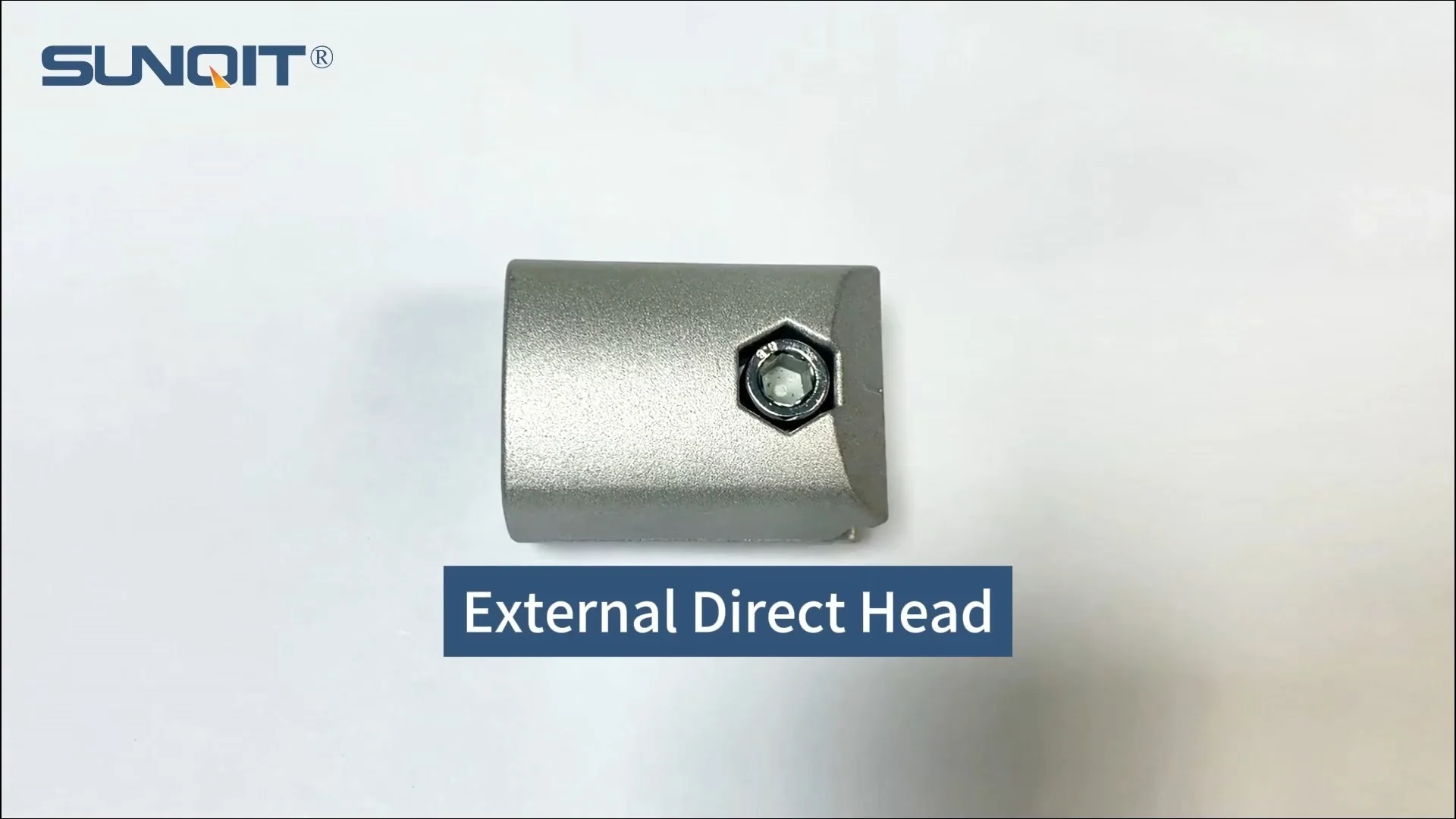
External Straight Aluminum Joint
Aluminum pipe joint outside connection used for two pcs 28pcs aluminum pipe connection in straight angle,it connects two pcs pipe from outside.
In the fast-paced world of supply chains and logistics, warehouses are the unsung heroes that keep products moving from production lines to customers. Yet, behind the scenes, a warehouse's efficiency hinges on one critical factor: material flow. The smoother, faster, and more adaptable the movement of goods—from raw materials to finished products—the more a business can reduce costs, meet deadlines, and stay competitive. But here's the truth: many warehouses still struggle with rigid, outdated systems that slow down operations, create bottlenecks, and make it nearly impossible to adapt to changing demands. Enter the unsung hero of modern warehouse design: the external straight aluminum joint. This unassuming component, often overlooked, is quietly revolutionizing how warehouses build, reconfigure, and optimize their material flow systems. Let's dive into how these joints, paired with aluminum pipes, aluminum profiles, and roller tracks, are transforming warehouse efficiency.
The Hidden Cost of Stagnant Material Flow
Before we explore the solution, let's first understand the problem. Traditional warehouse setups often rely on fixed structures: heavy steel racks bolted to the floor, workbenches welded into place, and roller tracks that require specialized tools to adjust. These systems might work "well enough" initially, but they crumble when faced with change. Imagine a seasonal spike in orders, a new product line with different dimensions, or a shift in workflow to accommodate lean manufacturing principles. Suddenly, that "permanent" steel rack is too short, that welded workbench is the wrong height, and those fixed roller tracks can't route goods to the new packing station. The result? Teams waste hours (or days) disassembling and rebuilding structures, production delays mount, and employees grow frustrated with tools that fight against, not for, their productivity.
Worse, rigid systems often lead to inefficiencies in material flow itself. Misaligned roller tracks cause jams, forcing workers to stop and manually push goods. Heavy steel components make it hard to reposition workstations closer to assembly lines, increasing travel time for employees. And corrosion from warehouse humidity or spills can degrade steel joints over time, leading to wobbly racks or unsafe workbenches that need frequent repairs. These issues aren't just minor inconveniences—they add up to lost revenue, missed opportunities, and a workforce that's stuck reacting to problems instead of preventing them.
What Are External Straight Aluminum Joints?
At first glance, an external straight aluminum joint might seem like a simple piece of hardware: a small, lightweight connector designed to join two aluminum pipes or profiles in a straight line. But its simplicity is its strength. Unlike traditional steel joints that require welding, drilling, or heavy tools, these aluminum joints use a friction-based or bolted design that lets workers assemble, disassemble, and reconfigure structures in minutes—no special skills required. Made from high-grade aluminum, they're resistant to corrosion, lightweight enough to handle without heavy lifting, and durable enough to withstand the daily wear and tear of warehouse operations.
But what truly sets external straight aluminum joints apart is their versatility. They're not just for connecting pipes—they're the glue that holds together a modular ecosystem of warehouse components. Pair them with aluminum pipes, and you get adjustable racks; combine them with aluminum profiles, and you build custom workbenches; attach them to roller tracks, and you create seamless material flow paths. This modularity is a game-changer because it turns warehouses from static spaces into dynamic environments that can evolve with the business.

The Core Benefits: How External Straight Aluminum Joints Solve Warehouse Pain Points
1. Unmatched Flexibility for Rapid Reconfiguration
In today's warehouses, "one size fits all" is a relic of the past. A single facility might need to handle small electronic components in the morning and bulky machinery parts in the afternoon. External straight aluminum joints thrive here because they make reconfiguration not just possible, but easy. Let's say your team needs to adjust a material rack to fit taller boxes. With traditional steel joints, this would mean unbolting the entire structure, cutting new steel pipes, and rewelding—hours of work. With aluminum joints? Loosen a few bolts, slide the aluminum pipes to the new height, retighten the joints, and you're done in 15 minutes. No cutting, no welding, no downtime.
This flexibility extends to seasonal changes, too. During peak holiday seasons, warehouses often need to expand storage or add temporary packing stations. External straight aluminum joints let teams quickly assemble new workbenches or extend roller tracks using existing aluminum pipes and profiles, then disassemble them just as easily when demand slows. It's like having a warehouse that can "shrink and grow" on demand—without the cost of permanent construction.
2. Durability That Stands Up to Warehouse Realities
Warehouses are tough environments: heavy loads, constant movement, spills, and humidity. Aluminum, by nature, is corrosion-resistant, making external straight aluminum joints far more durable than steel counterparts in these conditions. Unlike steel, which rusts when exposed to moisture or chemicals, aluminum forms a protective oxide layer that prevents degradation. This means joints stay strong and secure for years, reducing the need for frequent replacements or repairs.
But durability isn't just about resisting rust. These joints are also designed to handle heavy loads. High-grade aluminum alloys give them the strength to support racks stacked with goods, roller tracks carrying pallets, and workbenches holding tools and equipment. In tests, well-designed external straight aluminum joints have been shown to support up to 500kg per connection—more than enough for most warehouse applications. This combination of light weight and high strength makes them ideal for both stationary structures (like material racks) and mobile ones (like turnover trolleys).
3. Seamless Compatibility with Key Warehouse Components
A joint is only as useful as the components it connects. External straight aluminum joints excel here because they're engineered to work seamlessly with three of the most critical elements of modern warehouse design: aluminum pipes, aluminum profiles, and roller tracks.
Aluminum Pipes: Lightweight yet strong, aluminum pipes are the backbone of modular warehouse systems. External straight aluminum joints grip these pipes tightly, creating stable connections that don't slip or loosen over time. Whether you're building a simple shelf or a complex multi-tiered rack, the joints ensure pipes stay aligned, preventing wobbling or collapse under load.
Aluminum Profiles: For more specialized structures—like workbenches with built-in tool holders or conveyor supports—aluminum profiles (extruded aluminum with T-slots) are indispensable. External straight aluminum joints fit into these T-slots, allowing for precise, tool-free adjustments. Want to add a shelf to a workbench? Slide a joint into the T-slot, attach an aluminum pipe, and secure it with a knob. No drilling, no measuring—just instant customization.
Roller Tracks: Roller tracks are the arteries of material flow, moving goods from point A to point B with minimal effort. But if tracks are misaligned or loosely connected, goods jam, slowing down operations. External straight aluminum joints solve this by creating rigid, precise connections between roller track sections. They ensure tracks are perfectly straight and level, so boxes, bins, and pallets glide smoothly—no more stopping to free stuck items or readjust tracks mid-shift.
Traditional Steel Joints vs. External Straight Aluminum Joints: A Quick Comparison
| Feature | Traditional Steel Joints | External Straight Aluminum Joints |
|---|---|---|
| Installation Time | 2–4 hours (requires welding/drilling) | 15–30 minutes (tool-free assembly) |
| Reconfigurability | Difficult (requires cutting/welding) | Easy (bolt-on/bolt-off adjustments) |
| Corrosion Resistance | Low (prone to rust in humid environments) | High (aluminum oxide layer prevents degradation) |
| Weight | Heavy (increases labor and shipping costs) | Lightweight (easier to handle and transport) |
| Compatibility | Limited (works only with steel components) | Wide (works with aluminum pipes, profiles, roller tracks) |
4. Cost Savings That Add Up Over Time
At first glance, aluminum components might seem pricier than steel, but the long-term savings tell a different story. External straight aluminum joints reduce costs in three key ways:
- Lower Labor Costs: Faster installation and reconfiguration mean fewer hours spent on setup. A team of two can assemble a 10-foot roller track with aluminum joints in under an hour—compared to 3–4 hours with steel welding. Over time, this adds up to significant labor savings.
- Reduced Downtime: When you can reconfigure a rack or workbench in minutes instead of days, operations keep running. No more halting production to rebuild a structure—saving lost revenue from downtime.
- Longer Lifespan: Corrosion resistance and durability mean aluminum joints need replacement far less often than steel. A steel joint might last 2–3 years in a humid warehouse; an aluminum joint can last 7–10 years or more.
For example, a mid-sized warehouse using steel joints might spend $5,000 annually on repairs and replacements. Switching to external straight aluminum joints could cut that to $1,000 or less—saving $4,000 per year, plus the labor costs of those repairs.

Real-World Applications: How Warehouses Are Using These Joints Today
1. Adjustable Workbenches: Ergonomics Meets Efficiency
Workbenches are the heart of warehouse operations—where packing, sorting, and assembly happen. But one size doesn't fit all: a 5'2" worker needs a lower bench than a 6' tall colleague, and a bench for assembling small electronics needs different tool storage than one for packing large boxes. External straight aluminum joints solve this by letting warehouses build fully adjustable workbenches using aluminum profiles and aluminum pipes.
Here's how it works: The bench frame is built with aluminum profiles, connected by external straight aluminum joints. The tabletop, often made of durable aluminum honeycomb panel, is mounted to the frame. To adjust the height, workers loosen the joints, slide the profiles up or down, and retighten. Some benches even add casters (connected via aluminum joints) for mobility, letting teams roll the bench to where it's needed most. This adaptability reduces worker fatigue, cuts down on errors, and makes it easy to repurpose benches for new tasks—all without buying new furniture.
2. Roller Tracks: Smooth Material Flow, No Jams
Roller tracks are essential for moving goods between stations—think of them as the "highways" of the warehouse. But if tracks are misaligned, bent, or poorly connected, goods get stuck, creating bottlenecks. External straight aluminum joints ensure roller tracks stay perfectly aligned, even under heavy loads. By connecting track sections with precision, these joints eliminate gaps and misalignments, so boxes and bins glide smoothly from receiving to shipping.
One warehouse in the automotive industry recently upgraded its roller tracks with aluminum joints and saw a 60% reduction in jams. "Before, we had workers stopping every 10 minutes to free a stuck part," said the warehouse manager. "Now, the tracks run for hours without a hitch. It's like night and day."
3. Modular Material Racks: From Static to Dynamic Storage
Gone are the days of fixed steel racks that can't grow with your inventory. External straight aluminum joints let warehouses build modular material racks that expand or shrink as needed. For example, a food distribution warehouse might use these joints to build racks with adjustable shelves—raising them in summer to store taller beverage crates and lowering them in winter for bulkier frozen goods. The joints connect aluminum pipes and profiles to create sturdy, lightweight racks that are easy to reconfigure, even when fully loaded.

Case Study: How a 3PL Warehouse Cut Costs by 30% with Aluminum Joints
To see the impact firsthand, let's look at a case study of a third-party logistics (3PL) warehouse in the Midwest that handles e-commerce fulfillment for multiple retailers. Before upgrading, the warehouse relied on steel racks, fixed wooden workbenches, and outdated roller tracks. They faced three major issues: frequent reconfiguration delays, high repair costs from rusted steel joints, and roller track jams that slowed order processing.
The solution? They replaced their steel joints with external straight aluminum joints, paired with aluminum pipes, aluminum profiles, and new roller tracks. Here's what happened:
- Reconfiguration Time: Previously, setting up a new packing station took 8 hours (welding steel, cutting wood). With aluminum joints, it took 45 minutes (assembling aluminum profiles and pipes). This let them add 10 temporary stations during peak season in a single day, instead of a week.
- Repair Costs: Annual steel joint repairs dropped from $8,000 to $1,200, thanks to aluminum's corrosion resistance.
- Order Processing Speed: Roller track jams decreased by 75%, cutting order fulfillment time by 25%. This let them handle 30% more orders daily without adding staff.
In total, the warehouse saved $120,000 in the first year—from labor, repairs, and increased order capacity. "We didn't just upgrade our joints," said the operations director. "We upgraded our entire ability to adapt."
Looking Ahead: The Future of Warehouse Design
As warehouses embrace automation, AI-driven inventory management, and sustainability goals, the role of modular components like external straight aluminum joints will only grow. Here's what to watch for:
Integration with Automation: Robotic systems (like automated guided vehicles, or AGVs) need precise, consistent paths to operate. Aluminum joints, with their ability to create perfectly aligned roller tracks and racks, will become critical for supporting these technologies.
Sustainability: Aluminum is 100% recyclable, making it a green alternative to steel. As warehouses focus on eco-friendly practices, modular systems built with aluminum joints will reduce waste by allowing components to be reused instead of replaced.
Smart Joints: Future iterations might include sensors that monitor joint tightness or load capacity, alerting teams to potential issues before they cause downtime. Imagine a joint that sends a notification to your phone if it's starting to loosen—preventing a rack collapse before it happens.
Conclusion: The Joint That Moves Warehouses Forward
Material flow isn't just about moving goods—it's about moving businesses forward. External straight aluminum joints may be small, but their impact is huge: turning rigid warehouses into flexible, durable, and cost-effective hubs of efficiency. By pairing these joints with aluminum pipes, aluminum profiles, and roller tracks, warehouses can adapt to change, reduce costs, and keep pace with the demands of modern supply chains.
So, the next time you walk through a warehouse and see goods gliding smoothly on roller tracks, workers adjusting workbenches with ease, or racks that seem to "reshape" overnight, remember: it's likely the external straight aluminum joint making it all possible. In the world of warehouse efficiency, sometimes the smallest components make the biggest difference.