- Company Articles
- Products and Technology
- Product knowledge
- How Internal Straight Aluminum Joints Enhance Workbench Stability (Workbench E)

How Internal Straight Aluminum Joints Enhance Workbench Stability (Workbench E)
Related Product
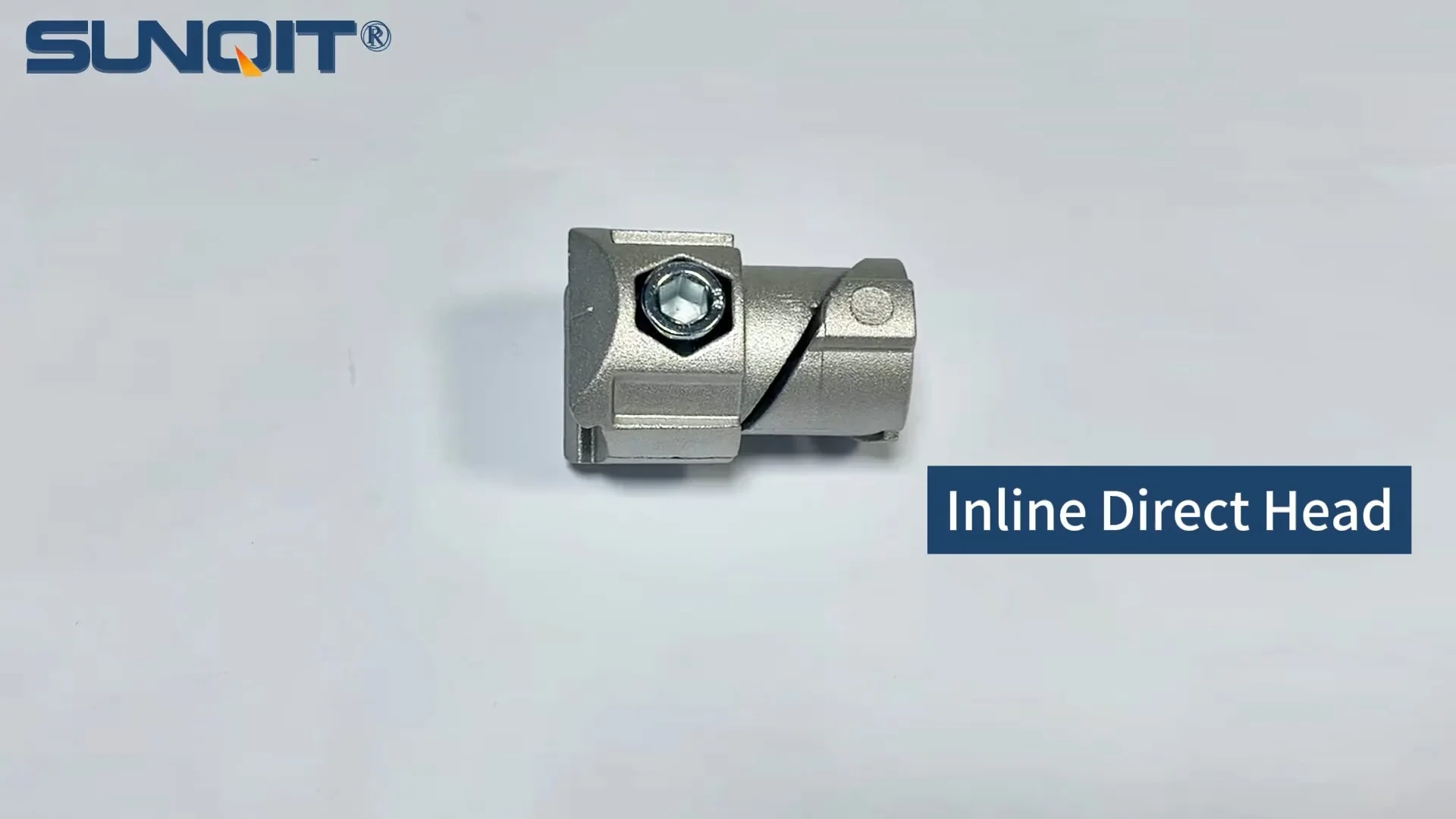
Internal straight aluminum joint
Aluminum pipe joint inside connection used for two pcs 28pcs aluminum pipe connection in straight angle,it connects two pcs pipe from inside.
Walk into any manufacturing facility, electronics assembly line, or warehouse, and you'll likely spot a familiar workhorse: the workbench. It's where components are sorted, products are assembled, tools are organized, and ideas take physical form. But not all workbenches are created equal. A wobbly, unstable workbench isn't just an annoyance—it's a productivity killer, a safety hazard, and a silent drain on efficiency. Imagine trying to solder a tiny circuit board on a surface that shifts with every movement, or stacking heavy inventory on a shelf that sags under the weight. That's where Workbench E (single deck-without caster) comes in, and at its core lies a small but mighty component: the internal straight aluminum joint. In this article, we'll explore how these unassuming joints transform Workbench E from a basic table into a rock-solid foundation for industrial productivity, and why they've become a go-to choice for manufacturers worldwide.
What is Workbench E (Single Deck-Without Caster)?
Before diving into the specifics of internal straight aluminum joints, let's get to know Workbench E itself. Designed as a single-deck workbench without casters, it's built for stability first and foremost. Unlike mobile workbenches that prioritize portability, Workbench E is meant to stay put—providing a fixed, reliable surface for tasks that demand precision, from electronics assembly to mechanical repairs. Its frame is constructed using aluminum lean pipe and aluminum profile, materials chosen for their strength-to-weight ratio, resistance to corrosion, and adaptability. The single deck, typically made of a durable aluminum honeycomb panel or high-density particleboard, offers a flat, even surface that can withstand daily wear and tear. But what truly sets Workbench E apart isn't just its materials or design—it's how those materials are connected. Enter the internal straight aluminum joint.
Understanding Internal Straight Aluminum Joints
At first glance, an internal straight aluminum joint might look like a simple metal connector, but its design is the result of careful engineering. These joints are specifically crafted to fit snugly inside aluminum lean pipes, creating a connection that's both strong and precise. Unlike external joints that clamp around the outside of pipes (which can loosen over time or create uneven stress points), internal straight aluminum joints insert directly into the hollow core of the aluminum profile, forming a bond that distributes weight evenly across the entire frame of Workbench E.
The magic lies in their structure: a cylindrical body with internal threads or a friction-fit design that locks into place when inserted into the aluminum pipe. Some models feature a slight taper, ensuring a tight seal as the joint is pushed into the pipe, while others use set screws to secure the connection further. This internal fit means there are no bulky external components protruding from the frame—reducing the risk of snags, improving ergonomics, and giving Workbench E a clean, streamlined look. But aesthetics aside, the real benefit is in the stability they provide.
Fun Fact: Internal straight aluminum joints are often paired with aluminum profile accessories like end caps and gusset plates, which further reinforce connections and prevent moisture or debris from entering the hollow pipes—extending the lifespan of Workbench E even in harsh industrial environments.

The Role of Aluminum Profile in Workbench Construction
To understand why internal straight aluminum joints work so well with Workbench E, we need to talk about the star of the show: aluminum profile. Unlike traditional steel pipes or wooden frames, aluminum profile is lightweight yet incredibly strong, making it ideal for constructing workbenches that need to support heavy loads without being cumbersome. Its hollow design not only reduces weight but also provides the perfect cavity for internal joints to nestle into, creating a connection that's far more secure than external clamps or welds.
Aluminum profile also offers inherent advantages like resistance to rust and corrosion—a must in environments where spills, humidity, or chemicals are common. This means Workbench E can hold up in automotive shops, food processing facilities, or coastal warehouses without deteriorating over time. When paired with internal straight aluminum joints, the aluminum profile becomes part of a system where every component works in harmony: the profile provides the backbone, and the joints act as the glue that holds it all together, ensuring that the frame doesn't just look stable—it is stable.
| Joint Type | Connection Method | Stability Level | Installation Time | Best For |
|---|---|---|---|---|
| Internal Straight Aluminum Joint | Inserts into hollow aluminum profile; friction-fit or set screws | High (even weight distribution) | Medium (requires precise alignment) | Fixed workbenches (e.g., Workbench E), heavy-load applications |
| External Clamp Joint | Clamps around the outside of pipes | Medium (can loosen over time) | Fast (no need for pipe preparation) | Light-duty shelving, temporary structures |
| Welded Joints | Permanent fusion of metal | Very High (but rigid) | Long (requires skilled labor) | Fixed, non-adjustable structures |

How Internal Straight Aluminum Joints Enhance Stability: 4 Key Benefits
Now, let's get to the heart of the matter: how exactly do internal straight aluminum joints make Workbench E more stable? It all comes down to four critical factors: load distribution, rigidity, precision alignment, and resistance to wear.
1. Even Load Distribution: No More Weak Spots
When you place a heavy tool, a stack of components, or a large assembly on Workbench E, that weight needs to be distributed evenly across the entire frame. If the joints connecting the aluminum profile are weak or poorly designed, the weight will (concentrate) at specific points—causing the frame to bend, the deck to sag, or the joints to loosen over time. Internal straight aluminum joints eliminate this problem by creating a connection that spans the entire inner diameter of the aluminum pipe. Instead of stressing a small area (like an external clamp that only grips the outer edges), the joint spreads the load along the length of the pipe, ensuring that every inch of the frame contributes to supporting the weight.
For example, imagine placing a 50kg machine on the corner of Workbench E. With an external clamp joint, the weight might pull on the clamp, causing it to dig into the pipe and create a weak spot. With an internal straight joint, the weight is transferred through the joint into the pipe, which then distributes it to the adjacent pipes and the floor. The result? No sagging, no bending, and a workbench that feels solid even under heavy loads.
2. Rigidity: Minimizing Wobble and Vibration
Anyone who's worked on a wobbly workbench knows how frustrating vibration can be. A slight shake can throw off a measurement, ruin a delicate solder joint, or even cause tools to slide off the surface. Internal straight aluminum joints combat this by creating a rigid connection between pipes. Because they fit tightly inside the aluminum profile, there's little to no play between components. Unlike external joints that can loosen with repeated use (especially in high-vibration environments like manufacturing plants), internal joints maintain their grip, ensuring that the frame stays square and stable.
This rigidity is especially important for tasks that require precision, like assembling circuit boards or aligning mechanical parts. A stable workbench reduces errors, speeds up workflow, and even reduces fatigue—after all, no one wants to spend hours hunched over a surface that moves with every breath. Workbench E, with its internal straight aluminum joints, becomes more than just a table; it's a tool that enhances the quality of the work being done.
3. Precision Alignment: Keeping the Frame Square
A workbench is only as stable as its frame. If the legs are misaligned, the top is uneven, or the corners aren't square, even the strongest materials will feel wobbly. Internal straight aluminum joints are designed with precision in mind—each joint is machined to exact tolerances, ensuring that when two pipes are connected, they form a straight line or a perfect right angle (depending on the joint type). This level of accuracy makes assembling Workbench E a breeze: there's no guesswork involved, and the frame stays square from the moment it's put together.
This precision also pays off in the long run. Over time, even minor misalignments can cause stress on joints and pipes, leading to premature wear. By keeping the frame aligned, internal straight aluminum joints reduce that stress, extending the lifespan of Workbench E and reducing the need for repairs or replacements. It's a small detail that makes a big difference in the workbench's overall durability.
4. Corrosion Resistance: Standing Up to Harsh Environments
Workbenches don't live in perfect environments. They're exposed to spills, humidity, dust, and sometimes even chemicals. Aluminum profile is naturally resistant to corrosion, but the joints that connect them are often the weak link—especially if they're made of steel or other metals that can rust. Internal straight aluminum joints, however, are made from the same high-quality aluminum as the profile itself, ensuring that the entire frame is resistant to rust and corrosion. This is a game-changer for facilities like food processing plants (where moisture is constant) or coastal warehouses (where salt air can eat away at metal).
Even better, because the joints are internal, they're protected from direct contact with spills or debris. Unlike external joints that can trap moisture or grime (which accelerates corrosion), internal joints stay clean and dry, further extending their lifespan. For Workbench E, this means years of reliable service without the need for frequent maintenance or part replacements.
Real-World Example: A small electronics manufacturer in California recently switched from wooden workbenches to Workbench E with internal straight aluminum joints. They reported a 30% reduction in errors related to workbench instability, and their maintenance team noted that the aluminum frame showed no signs of corrosion after six months in a humid assembly room—something their old wooden benches couldn't claim.
Installation and Maintenance: Keeping Workbench E Stable for Years
While internal straight aluminum joints are designed for durability, proper installation and maintenance are key to ensuring they continue to enhance Workbench E's stability over time. Here's a quick guide to getting the most out of your joints:
Installation Tips: When assembling Workbench E, start by cutting the aluminum profile to the correct lengths (if not pre-cut). Deburr the ends of the pipes to remove any sharp edges that could damage the joint or prevent a tight fit. insert the internal straight aluminum joint into one pipe until it's flush, then align the second pipe and push it onto the joint. For joints with set screws, tighten them gently but firmly—over-tightening can strip the threads or warp the pipe. Use a level to ensure the frame is square before fully securing all joints.
Maintenance Tips: Inspect the joints periodically for signs of wear, especially in high-load areas. Tighten any set screws that may have loosened over time. If the workbench is exposed to heavy moisture, wipe down the frame with a dry cloth to prevent buildup. For stubborn grime, use a mild detergent and a soft brush—avoid abrasive cleaners that could scratch the aluminum. With proper care, Workbench E and its internal straight aluminum joints can last for decades.
Why Workbench E Stands Out in a Crowded Market
There's no shortage of workbenches on the market, so why choose Workbench E? The answer lies in its focus on stability and durability, made possible by internal straight aluminum joints. While other workbenches may cut corners with cheap materials or flimsy connections, Workbench E is built to last—using aluminum lean pipe, aluminum profile, and precision-engineered joints that work together to create a surface you can rely on. Whether you're a small business owner looking to upgrade your workshop or a large manufacturer in need of hundreds of workbenches, Workbench E offers a balance of performance, longevity, and value that's hard to beat.
Another advantage is adaptability. While Workbench E is a fixed workbench (without casters), its modular design means you can add accessories like shelves, tool holders, or lighting using the same internal straight aluminum joints. This flexibility allows you to customize the workbench to fit your specific needs without sacrificing stability. Need to add a material rack above the deck? Simply connect additional aluminum profile using internal joints, and you've got a seamless, stable extension of your workbench.
Conclusion: The Unsung Hero of Workbench Stability
In the world of industrial workbenches, it's easy to focus on flashy features like adjustable heights or built-in power outlets. But the true measure of a workbench's quality lies in its stability—and that's where internal straight aluminum joints shine. These small, unassuming components are the backbone of Workbench E, transforming a simple frame of aluminum lean pipe and aluminum profile into a rock-solid surface that enhances productivity, reduces errors, and stands the test of time.
Whether you're assembling electronics, repairing machinery, or organizing tools, a stable workbench is non-negotiable. Workbench E, with its internal straight aluminum joints, delivers that stability in spades—proving that sometimes, the most important innovations are the ones you can't see. So the next time you walk into a workshop and see a Workbench E standing firm under heavy loads, remember: it's not just the aluminum profile or the durable deck that makes it great. It's the internal straight aluminum joints, quietly holding it all together, one precise connection at a time.