- Company Articles
- Products and Technology
- Product knowledge
- How Lean Pipe Clamp B Chrome Prevents Rust in Humid Industrial Environments

How Lean Pipe Clamp B Chrome Prevents Rust in Humid Industrial Environments
Related Product
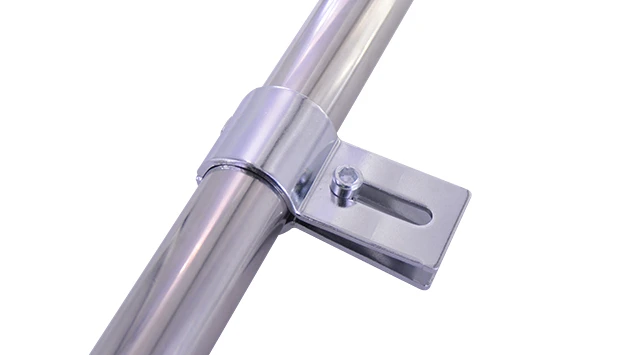
Lean Pipe Clamp B Chrome
Lean pipe clamp is used for turnover trolley, workbench, flowrack adjust the frame or fix some accessory.
Walk into any industrial facility—whether it's a bustling automotive assembly plant, a precision electronics workshop, or a busy food processing warehouse—and you'll notice a silent but relentless enemy: humidity. In regions like coastal manufacturing hubs or areas with heavy seasonal rainfall, moisture clings to metal surfaces like a second skin, creeping into the tiniest crevices of machinery, workbenches, and storage racks. Over time, this moisture sparks a chemical reaction we all know too well: rust. For operations relying on lean systems—where efficiency, durability, and minimal waste are the backbone—rust isn't just a cosmetic issue. It's a threat to productivity, safety, and the bottom line.
Imagine a lean pipe workbench in a Miami factory, where the air is thick with salt from the nearby ocean. The metal joints holding the structure together start to flake, turning from silver to orange. A flow rack in a Singaporean electronics plant, exposed to daily monsoon humidity, develops pitted rust on its roller tracks, slowing down material flow. These aren't just hypothetical scenarios—they're realities for countless facilities where metal components degrade prematurely, leading to unplanned downtime, costly replacements, and even safety hazards when weakened structures fail.
Enter the Lean Pipe Clamp B Chrome —a small but mighty component in the world of lean manufacturing accessories. Designed specifically to combat the corrosive effects of humid environments, this clamp isn't just another piece of hardware. It's a shield, a guardian of the lean systems that keep modern factories running smoothly. In this article, we'll dive into how this unassuming clamp works, why its chrome plating is a game-changer for rust prevention, and why it's become a go-to choice for facilities battling moisture. We'll also explore real-world applications, compare it to other common clamps, and share insights on how it integrates with broader lean solutions like aluminum lean pipe and stainless steel pipe series.
The Hidden Cost of Rust in Humid Industrial Environments
To understand why the Lean Pipe Clamp B Chrome matters, we first need to grasp the full impact of rust in industrial settings. Rust—technically iron oxide—forms when iron or steel reacts with oxygen and moisture, a process known as oxidation. In humid environments, this reaction accelerates dramatically. High humidity means more water vapor in the air, which condenses on metal surfaces, creating the perfect conditions for rust to take hold. For factories using lean systems, which rely on interconnected components like lean pipes, workbenches, and flow racks, rust isn't just a surface problem—it's a structural one.
Consider a simple lean pipe joint connecting two sections of a production line's flow rack. Over time, rust weakens the joint's grip, causing the rack to wobble. A loose flow rack might lead to products jamming, slowing down the assembly process. In worst-case scenarios, a rusted caster wheel on a turnover trolley could lock up, causing an operator to strain their back or drop materials. The costs add up quickly: unplanned downtime, replacement parts, maintenance labor, and even potential workplace injuries. For companies operating on tight lean principles, where every second of downtime is a waste, rust becomes a silent killer of efficiency.
But the damage doesn't stop at machinery. In industries like electronics manufacturing, where ESD workstations are critical for protecting sensitive components, rust can compromise electrostatic discharge (ESD) safety. A rusted clamp on an ESD workstation might create gaps in the grounding path, increasing the risk of static electricity damaging microchips or circuit boards. Similarly, in food and pharmaceutical facilities, rust flakes can contaminate products, leading to regulatory violations and costly recalls. In these cases, rust isn't just a maintenance issue—it's a threat to product quality and brand reputation.
The challenge is especially acute in regions with naturally high humidity, such as coastal areas, tropical climates, or factories with frequent washing processes (like beverage bottling plants or automotive paint shops). In Miami, for example, average humidity levels hover around 75% year-round, with summer months spiking to 90%. A standard steel clamp in such an environment might start showing signs of rust within weeks, requiring replacement every few months. Multiply that by hundreds of clamps across a facility, and the annual cost of replacements and downtime can run into the tens of thousands of dollars.
What Is Lean Pipe Clamp B Chrome, and How Does It Work?
At its core, the Lean Pipe Clamp B Chrome is a specialized fastening component designed to connect and secure lean pipes in industrial workstations, flow racks, and material handling systems. It's part of a broader family of lean pipe accessories, which includes joints, casters, and roller tracks, all engineered to support the flexibility and modularity of lean manufacturing setups. What sets this clamp apart, however, is its chrome plating—a protective layer that transforms its rust resistance from average to exceptional.
Let's start with the basics: the clamp's construction. Most lean pipe clamps, including the Lean Pipe Clamp B, are typically made from a steel alloy core. Steel is chosen for its strength and affordability, but as we've established, it's prone to rust. To counteract this, the Lean Pipe Clamp B undergoes a chrome plating process, where a thin layer of chromium is electroplated onto the steel surface. Chromium is a corrosion-resistant metal; when applied as a plating, it acts as a barrier between the steel core and the surrounding environment, blocking moisture and oxygen from reaching the underlying metal.
The plating process itself is meticulous. First, the steel clamp is cleaned to remove any oils, dirt, or impurities—even the smallest speck can disrupt the plating adhesion. Then, it's submerged in a chromium electrolyte solution and subjected to an electric current, which causes chromium ions to bond to the steel surface. The result is a smooth, shiny layer that's not just for aesthetics: chrome plating is dense and hard, with excellent adhesion to steel. This means it can withstand the wear and tear of daily industrial use—bumping, tightening, and adjusting—without chipping or flaking, which would expose the steel core to moisture.
But chrome plating isn't just a physical barrier. Chromium also has a passive oxide layer that forms naturally when exposed to air. This layer is extremely thin—only a few nanometers thick—but highly stable. If the chrome plating is scratched (a common occurrence in busy factories), this passive layer quickly reforms, preventing further oxidation. In contrast, a scratch on a standard steel clamp would expose the iron, leading to immediate rust formation around the scratch. This self-healing property makes chrome-plated clamps far more resilient in humid environments than their unplated counterparts.
The design of the Lean Pipe Clamp B also plays a role in its rust resistance. Unlike some clamps with crevices or hollow spaces where moisture can accumulate, the B model features a streamlined shape with minimal gaps. Its smooth surfaces are easier to wipe clean, reducing the chances of water pooling and causing corrosion. When paired with other rust-resistant components—like aluminum lean pipe or stainless steel pipe series—the clamp becomes part of a system that's built to withstand even the most challenging humidity levels.
Lean Pipe Clamp B Chrome vs. Other Clamp Types: A Head-to-Head Comparison
To truly appreciate the value of the Lean Pipe Clamp B Chrome, it helps to compare it to other common clamp types used in industrial settings. Below is a breakdown of how it stacks up against standard steel clamps, stainless steel clamps, and aluminum lean pipe clamps in key areas like rust resistance, durability, and cost.
| Clamp Type | Core Material | Rust Resistance Level | Average Lifespan in Humid Environments | Cost (Relative to Standard Steel) | Best For |
|---|---|---|---|---|---|
| Lean Pipe Clamp B Chrome | Steel with Chrome Plating | High (Excellent barrier protection; self-healing oxide layer) | 3–5 years | 1.5x | Humid industrial environments, lean systems, ESD workstations, flow racks |
| Standard Steel Clamp (Unplated) | Mild Steel | Low (Prone to rust within weeks in high humidity) | 6–12 months | 1x (Lowest upfront cost) | Dry indoor environments, temporary setups, low-budget projects |
| Stainless Steel Clamp (304 Grade) | Stainless Steel Alloy (Chromium-Nickel) | Very High (Naturally corrosion-resistant; no plating needed) | 5–7 years | 3x (Highest upfront cost) | Extreme humidity, outdoor use, chemical exposure, food/pharmaceutical industries |
| Aluminum Lean Pipe Clamp | Aluminum Alloy | Medium-High (Forms protective oxide layer but softer than chrome) | 2–3 years | 2x | Light-duty applications, cleanrooms, applications where weight is a concern |
As the table shows, the Lean Pipe Clamp B Chrome strikes a balance between performance and cost that's hard to beat for most humid industrial environments. While stainless steel clamps offer slightly better rust resistance, their 3x higher cost makes them overkill for many applications. Standard steel clamps are cheap upfront, but their short lifespan (6–12 months in humid settings) leads to frequent replacements and higher long-term costs. Aluminum clamps are a middle ground but lack the durability of steel-based clamps, making them unsuitable for heavy-duty use.
Consider a mid-sized electronics factory with 500 clamps across its production lines. Using standard steel clamps would require replacing all 500 clamps annually at a cost of $5 per clamp ($2,500/year). Switching to Lean Pipe Clamp B Chrome, at $7.50 per clamp, would cost $3,750 upfront but last 3–5 years, bringing the annualized cost down to $750–$1,250—less than half the cost of standard clamps. For facilities with thousands of clamps, the savings are even more dramatic.
Another key advantage of the Lean Pipe Clamp B Chrome is its compatibility with existing lean systems. Unlike aluminum or stainless steel clamps, which may require specialized tools or custom fittings, the B model is designed to work seamlessly with standard lean pipes, lean pipe joints, and aluminum profile accessories. This means factories don't have to overhaul their entire setup to upgrade—they can simply replace old clamps with the chrome-plated version, minimizing disruption and installation costs.
Real-World Results: How a Coastal Factory Solved Its Rust Problem with Lean Pipe Clamp B Chrome
To put the theory into practice, let's look at a case study of a manufacturing facility that switched to Lean Pipe Clamp B Chrome and saw significant improvements in rust-related issues. Coastal Manufacturing Inc. (CMI) is a mid-sized automotive parts supplier located in Charleston, South Carolina—a region with average humidity levels of 70–80% and frequent salt spray from the nearby Atlantic Ocean. Prior to 2022, CMI relied on standard steel clamps for its lean pipe workbenches, flow racks, and turnover trolleys. The results were predictable: rusted clamps, frequent breakdowns, and high maintenance costs.
"We were replacing clamps every 3–4 months on our main assembly line," says Maria Gonzalez, CMI's Plant Manager. "The flow racks would start to sag because the clamps couldn't hold the lean pipes tightly anymore. Our maintenance team was spending 10–15 hours a week just tightening or replacing clamps, and we had two instances where a rusted caster wheel on a trolley failed, causing minor injuries to operators. It was clear we needed a better solution."
After researching options, CMI decided to test Lean Pipe Clamp B Chrome on one of its busiest production lines in early 2022. The line included ESD workstations, a 50-foot flow rack, and 12 turnover trolleys—all using approximately 200 clamps. The team replaced all standard steel clamps with the chrome-plated version and monitored performance over 18 months.
The results were striking. After 18 months, only 5 of the 200 clamps showed any signs of surface rust—and even then, it was minor, limited to small scratches where the clamps had been adjusted. The flow racks remained stable, with no sagging or wobbling, and the maintenance team's clamp-related workload dropped by 90%. "We went from spending half a day a week on clamps to maybe an hour a month," Gonzalez notes. "The operators also noticed a difference—trolleys moved more smoothly, and the workbenches felt sturdier. It's hard to put a price on peace of mind, but the numbers speak for themselves."
CMI calculated that the initial investment in chrome-plated clamps ($1,500 for 200 clamps) paid for itself within 6 months through reduced maintenance labor and fewer production delays. Encouraged by the results, the company rolled out the clamps to all its production lines by the end of 2023. "We're now projecting annual savings of $45,000 on clamp replacements and maintenance," Gonzalez says. "Plus, we've had zero rust-related injuries since the switch. That alone makes it worth every penny."
CMI's experience isn't unique. Similar results have been reported by facilities in other humid regions, from seafood processing plants in Thailand to electronics factories in Vietnam. In each case, the key takeaway is the same: investing in rust-resistant components like Lean Pipe Clamp B Chrome isn't just about avoiding rust—it's about protecting productivity, safety, and the bottom line.
Maximizing Performance: How to Care for Lean Pipe Clamp B Chrome in Humid Environments
While the Lean Pipe Clamp B Chrome is designed to be low-maintenance, proper care can extend its lifespan even further and ensure optimal performance in humid environments. Below are some practical tips for keeping your chrome-plated clamps in top condition:
1. Regular Cleaning
Even with its protective plating, the clamp's surface can accumulate dirt, grease, or salt (in coastal areas), which can trap moisture and accelerate corrosion. Wiping down clamps with a soft, dry cloth once a week removes these contaminants. For heavier grime, use a mild detergent solution (avoid harsh chemicals like bleach or ammonia, which can damage the chrome) and rinse with clean water, then dry thoroughly. Pay special attention to crevices where the clamp meets the lean pipe—these are common spots for moisture to hide.
2. Inspect for Damage
Monthly inspections can catch small issues before they become big problems. Look for scratches, chips, or peeling in the chrome plating. A small scratch might not seem like a big deal, but it can expose the steel core to moisture. For minor scratches, apply a thin layer of chrome polish or a rust-inhibiting primer to seal the area. For deeper damage or peeling plating, replace the clamp immediately—don't wait for rust to spread.
3. Avoid Over-Tightening
Over-tightening clamps can stress the chrome plating, causing it to crack or flake. Use a torque wrench to tighten clamps to the manufacturer's recommended specification (typically 15–20 Nm for most lean pipe applications). This ensures a secure hold without damaging the plating.
4. Pair with Rust-Resistant Components
The clamp is only as strong as the system it's part of. For maximum rust resistance, pair Lean Pipe Clamp B Chrome with other corrosion-resistant components, such as aluminum lean pipe, stainless steel swivel roller balls, or plastic roller track guide rails. Using a mix of rust-prone and rust-resistant parts can create weak points in the system, so consistency is key.
5. Control Humidity in the Workplace
While the clamp is designed to withstand high humidity, reducing ambient moisture in the facility can further extend its lifespan. Simple measures like installing dehumidifiers, improving ventilation, or using moisture-absorbing materials (like silica gel packs in enclosed storage areas) can lower humidity levels and reduce the overall corrosion risk for all metal components.
Why Lean Pipe Clamp B Chrome Is a Must-Have for Humid Industrial Environments
In the fast-paced world of lean manufacturing, every component matters. The Lean Pipe Clamp B Chrome may seem like a small part of a larger system, but its impact on rust prevention, durability, and cost savings is anything but minor. For factories in humid environments—where moisture is a constant threat to equipment and productivity—this clamp offers a simple, effective solution that aligns with lean principles of efficiency and waste reduction.
By combining a strong steel core with a protective chrome plating, the Lean Pipe Clamp B Chrome provides exceptional rust resistance at a fraction of the cost of stainless steel clamps. Its compatibility with existing lean systems makes it easy to upgrade without major overhauls, and its low-maintenance design ensures long-term performance with minimal effort. As seen in case studies like Coastal Manufacturing Inc., the switch to chrome-plated clamps can lead to significant savings in maintenance labor, replacement parts, and downtime—all while improving safety and reliability.
For businesses looking to protect their lean investments, reduce waste, and keep production lines running smoothly in humid conditions, the choice is clear: Lean Pipe Clamp B Chrome isn't just a clamp—it's an investment in the future of your facility. Whether you're building a new lean system or upgrading an existing one, don't overlook the power of corrosion resistance. Your bottom line, your maintenance team, and your operators will thank you.