- Company Articles
- Products and Technology
- Product knowledge
- How Lean Pipe Clamp Chrome Improves Workstation Flexibility in Factories

How Lean Pipe Clamp Chrome Improves Workstation Flexibility in Factories
Related Product
Lean Pipe Clamp Chrome
Lean pipe clamp is used for rack system hang monitor or other panel for workbenck, flowrack in production daily use.
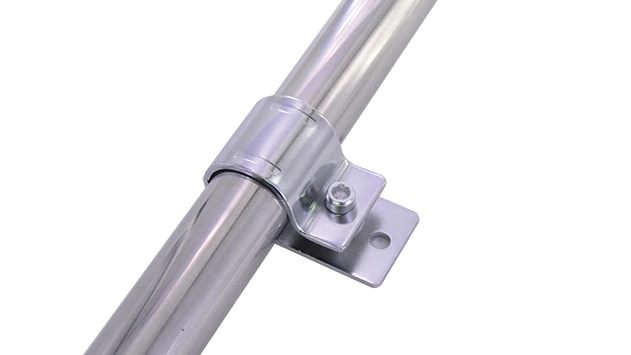
In the fast-paced world of manufacturing, where production lines shift, product designs evolve, and customer demands fluctuate, one thing remains constant: the need for flexible workstations. A factory floor that can't adapt quickly risks falling behind—wasting time on reconfigurations, losing efficiency, and missing opportunities to scale. Enter the unsung hero of modern lean manufacturing: the lean pipe clamp chrome . This small but mighty component is transforming how factories build, adjust, and optimize their workspaces, turning rigid setups into dynamic environments that keep pace with change.
But what makes lean pipe clamp chrome so special? How does it work alongside other essential parts like lean pipe joints , workbenches , and roller tracks to create flexible workstations? In this article, we'll dive into the world of lean manufacturing components, explore the unique benefits of lean pipe clamp chrome, and show how it's helping factories around the globe build workspaces that are not just functional, but future-ready.
What Is Lean Pipe Clamp Chrome, Anyway?
Let's start with the basics. Lean pipe clamp chrome is a specialized fastening component designed to connect and secure lean pipes (also known as "lean tubes") in modular workstation setups. Made from high-quality steel with a chrome-plated finish, it's built to withstand the wear and tear of factory environments—think heavy loads, frequent adjustments, and exposure to dust or moisture. But its real superpower? Versatility. Unlike fixed welding or permanent bolts, lean pipe clamp chrome lets you attach, detach, and reposition pipes in minutes, no special tools required.
Picture this: A typical factory workstation might include a workbench, a material rack, and a roller track for moving parts. Traditionally, these structures are built with fixed materials—wood, welded steel, or rigid plastic—that can't be easily modified. If a new product comes in with different dimensions, or if the production line needs to expand, you'd have to tear down the old setup and build a new one from scratch. With lean pipe clamp chrome, though, you simply loosen the clamp, adjust the pipes, and tighten it back up. It's like building with industrial-grade Legos, but for grown-ups.
Key Features That Make Lean Pipe Clamp Chrome a Game-Changer
To understand why lean pipe clamp chrome is revolutionizing workstation flexibility, let's break down its standout features:
1. Chrome-Plated Durability: The chrome finish isn't just for looks. It resists rust, corrosion, and scratches, ensuring the clamp holds up in damp or dusty factory conditions. This longevity means fewer replacements and lower maintenance costs over time.
2. Tool-Free Adjustments: Most lean pipe clamp chrome designs use a simple screw or lever mechanism. Just twist the screw with your hand (or a basic wrench, if needed) to loosen or tighten the clamp. No welding, no drilling, no waiting for a maintenance crew.
3. Secure Grip: Despite its flexibility, lean pipe clamp chrome delivers a rock-solid hold. The inner surface of the clamp is often textured or lined with rubber to prevent slipping, even when supporting heavy loads—like a full material rack stacked with parts or a workbench holding assembly tools.
4. Compatibility: It works seamlessly with standard lean pipes (typically 28mm or 30mm in diameter) and pairs perfectly with other lean components, such as lean pipe joints , elbows, and T-connectors. This compatibility means you can mix and match parts to create custom setups without worrying about fit issues.
| Feature | Lean Pipe Clamp Chrome | Traditional Fixed Fasteners (Welds/Bolts) |
|---|---|---|
| Adjustability | Tool-free, reconfigurable in minutes | Permanent; requires demolition to modify |
| Durability | Chrome-plated steel, rust-resistant | Steel welds may rust; bolts can corrode |
| Installation Time | 5-10 minutes per connection | Hours (welding, drilling, drying) |
| Cost Over Time | Lower (reusable, minimal maintenance) | Higher (replacement costs, labor for modifications) |

How Lean Pipe Clamp Chrome Works with Other Lean Components
Lean pipe clamp chrome doesn't work alone. It's part of a larger ecosystem of lean manufacturing components that together create flexible, efficient workstations. Let's explore how it pairs with three key players: lean pipe joints , workbenches , and roller tracks .
1. Lean Pipe Joints: The "Connectors" of Modular Workstations
If lean pipe clamp chrome is the "fastener," lean pipe joints are the "cornerstones." These specialized connectors let you join pipes at different angles—90 degrees, 45 degrees, T-junctions, and more—creating the framework for workbenches, racks, and trolleys. And because they're designed to work with lean pipe clamp chrome, you can easily adjust the angle or position of the joint by loosening the clamp, repositioning the pipe, and tightening it again.
For example, imagine you need a workbench with a side shelf at a 45-degree angle to hold tools. Using a 45-degree lean pipe joint and lean pipe clamp chrome, you can attach the shelf pipe to the main workbench frame in minutes. If later you need the shelf to be straight (90 degrees), just swap the 45-degree joint for a 90-degree one, adjust the clamp, and you're done. No cutting, no gluing—just quick, easy customization.
2. Workbenches: From Static to Dynamic
Workbenches are the heart of any factory workstation, and lean pipe clamp chrome transforms them from static tables into adaptable workspaces. A typical lean workbench uses a frame of lean pipes connected by joints and clamped with lean pipe clamp chrome, topped with a durable surface (like plywood, metal, or aluminum honeycomb panel for lightweight strength). Need more space? Add an extension by clamping extra pipes to the side. Want to lower the height for ergonomic comfort? Adjust the leg pipes using the clamps. Even accessories like tool hooks, monitor arms, or storage bins can be added by clamping them to the frame.
One factory in Michigan, for example, used lean pipe clamp chrome to build adjustable workbenches for their electronics assembly line. When they shifted from assembling small circuit boards to larger devices, they simply loosened the clamps on the bench legs, raised the surface by 6 inches, and tightened them back. The whole process took 15 minutes per bench—no need to buy new workbenches or hire contractors.
3. Roller Tracks: Smooth Material Flow, On Demand
Material flow is critical in manufacturing—delays in moving parts from one station to the next can bottleneck the entire line. Roller tracks (also called "flow racks") solve this by letting parts glide smoothly from storage to assembly. And with lean pipe clamp chrome, you can customize roller tracks to fit your exact needs.
For instance, if you need a roller track that slopes slightly to let gravity move parts, you can adjust the height of the track's support pipes using lean pipe clamp chrome. If the parts are heavier than expected, add extra support pipes by clamping them to the frame. And if you need to reposition the entire track closer to the assembly line, just loosen the clamps holding it to the floor or wall, move it, and retighten. It's flexibility that keeps material flowing—no matter what's being produced.
Installing Lean Pipe Clamp Chrome: It's Easier Than You Think
You might be thinking, "This sounds great, but I'm not a handy person—will my team really be able to install this?" The answer is a resounding yes. Installing lean pipe clamp chrome is designed to be simple, even for workers with no specialized training. Here's a quick step-by-step breakdown:
Step 1: Gather Your Parts – You'll need lean pipes, lean pipe joints (if needed), and lean pipe clamp chrome. Make sure the pipes are clean and free of debris—this helps the clamp grip better.
Step 2: Position the Pipes – Place the pipes in the desired configuration (e.g., forming the legs of a workbench or the frame of a rack). If using a joint, slide the pipes into the joint's openings.
Step 3: Attach the Clamp – Slide the lean pipe clamp chrome over the connection point (where the pipe meets the joint or another pipe). Make sure the clamp is centered for even pressure.
Step 4: Tighten the Clamp – Use your hand or a wrench to twist the clamp's screw until it's snug. You'll feel resistance, but don't over-tighten—this can damage the pipe or clamp.
Step 5: Test and Adjust – Give the pipe a gentle shake to ensure it's secure. If it wobbles, loosen the clamp, reposition, and tighten again. That's it!
Most workers can master this process in under 10 minutes. And because there's no welding or drilling, there's no risk of sparks, fumes, or damage to your factory floor. It's a win-win for safety and efficiency.
The Bottom-Line Benefits: Why Flexibility Matters for Your Factory
At this point, you might be wondering, "Okay, lean pipe clamp chrome is flexible and easy to install—but how does that translate to real business benefits?" Let's break it down:
1. Reduced Downtime: When you can reconfigure a workstation in 30 minutes instead of 3 days, you minimize production delays. This is a game-changer for factories handling short runs, custom orders, or frequent product changes.
2. Lower Costs: Traditional fixed workstations require you to buy new materials every time you need a change. With lean pipe clamp chrome, you reuse the same pipes, joints, and clamps, cutting down on material costs. Plus, you save on labor—no need to hire welders or contractors for reconfigurations.
3. Improved Ergonomics: A one-size-fits-all workstation can lead to worker fatigue, injuries, and low morale. Lean pipe clamp chrome lets you adjust heights, angles, and layouts to fit each worker's needs, boosting comfort and productivity.
4. Scalability: As your business grows, you can easily expand your workstations by adding more pipes and clamps. No need to redesign your entire factory floor—just build onto what you already have.
5. Sustainability: Reusing components reduces waste, and the durable chrome finish means fewer replacements. It's a small step toward a greener factory.
Take it from a automotive parts manufacturer in Ohio: After switching to lean pipe clamp chrome and modular workstations, they reduced reconfiguration time by 90% and cut material costs by 40% in the first year. "We used to spend days tearing down and rebuilding workbenches for new parts," said their production manager. "Now, we can do it during a lunch break. It's transformed how we operate."
Real-World Examples: How Factories Are Using Lean Pipe Clamp Chrome
Still not convinced? Let's look at two real-world scenarios where lean pipe clamp chrome made all the difference:
Example 1: Electronics Assembly Line
A smartphone manufacturer needed to switch between assembling two models: a standard phone (5.5 inches) and a larger "phablet" (6.7 inches). Their old workstations had fixed tool racks and material bins that were too small for the phablet's components. With lean pipe clamp chrome, they modified the racks by raising the shelves and widening the bins in under an hour. Now, they can switch between models in a single shift, no downtime required.
Example 2: Food Packaging Plant
A food packaging plant needed to handle seasonal products—small snack bags in the summer, larger holiday gift boxes in the winter. Their roller tracks were fixed to the floor, making it hard to adjust for different box sizes. Using lean pipe clamp chrome, they installed adjustable roller tracks that could be raised, lowered, or widened. Now, they reconfigure the tracks in 30 minutes instead of 3 days, keeping up with seasonal demand without missing a beat.
Why Lean Pipe Clamp Chrome Is the Future of Factory Flexibility
In a world where manufacturing never stands still, flexibility isn't just a nice-to-have—it's a necessity. Lean pipe clamp chrome isn't just a component; it's a tool that empowers factories to adapt, grow, and thrive in an ever-changing market. By combining durability, ease of use, and endless customization, it turns rigid workstations into dynamic, worker-friendly environments that keep pace with demand.
So, if you're tired of wasting time and money on fixed workstations that can't keep up, it's time to consider lean pipe clamp chrome. Pair it with lean pipe joints, workbenches, and roller tracks, and you'll have a workstation setup that's ready for whatever the future brings—today, tomorrow, and for years to come.
Flexibility isn't just about moving pipes—it's about moving your business forward.