- Company Articles
- Products and Technology
- Product knowledge
- How Lean Pipe Clamp Chrome Works: Boosting Production Line Efficiency

How Lean Pipe Clamp Chrome Works: Boosting Production Line Efficiency
Related Product
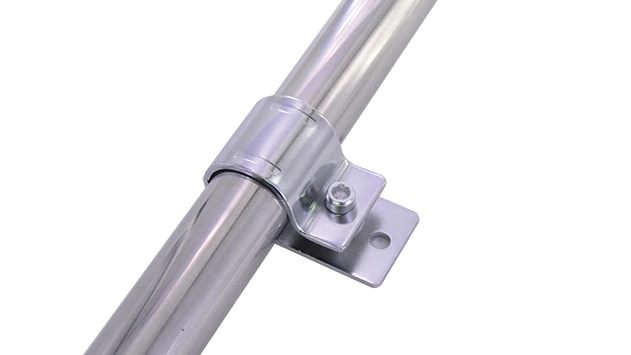
Lean Pipe Clamp Chrome
Lean pipe clamp is used for rack system hang monitor or other panel for workbenck, flowrack in production daily use.
In the fast-paced world of manufacturing, where every second counts and efficiency is the lifeblood of success, production lines are constantly evolving to meet tighter deadlines, higher quality standards, and ever-changing customer demands. Yet, even the most advanced facilities often grapple with a common set of challenges: rigid workstations that can't adapt to new product lines, tangled workflows that waste valuable time, and equipment that wears down too quickly under the stress of daily operations. This is where lean systems step in—and at the heart of many of these systems lies an unsung hero: the lean pipe clamp chrome. It may seem like a small component, but its impact on streamlining processes, reducing waste, and enhancing flexibility is nothing short of transformative. In this article, we'll take a deep dive into how lean pipe clamp chrome works, explore its role in building efficient lean systems, and uncover why it has become a cornerstone for modern production lines, from workbenches to flow racks and beyond.
What Is Lean Pipe Clamp Chrome, Anyway?
Before we jump into how it works, let's start with the basics: What exactly is a lean pipe clamp chrome? At its core, it's a specialized connector designed to join lean pipes (also known as "lean tubes") and other components into sturdy, customizable structures. Think of it as the "glue" that holds a lean system together—but unlike glue, it's reusable, adjustable, and built to withstand the rigors of industrial environments.
The "chrome" in its name isn't just for show. The clamp is coated with a layer of chrome, which serves two critical purposes: first, it adds a hard, corrosion-resistant barrier that protects the underlying metal from rust, scratches, and wear—essential in factories where moisture, oils, or chemicals might be present. Second, the chrome finish gives the clamp a smooth, easy-to-clean surface, making maintenance a breeze and ensuring it looks professional even after years of use.
But the real magic of lean pipe clamp chrome lies in its design. Unlike traditional welding or permanent fasteners, these clamps are engineered for flexibility. They typically feature a split design with a screw mechanism: when you tighten the screw, the clamp cinches down on the lean pipe, creating a secure, non-slip connection. And because they don't require heat, adhesives, or specialized tools to install, anyone on the production floor can assemble, disassemble, or reconfigure a structure in minutes—no need to call in a maintenance crew or halt production for hours.
How Lean Pipe Clamp Chrome Actually Works: A Step-by-Step Breakdown
To truly appreciate the genius of lean pipe clamp chrome, let's walk through how it functions in a real-world setup. Imagine you're setting up a new workbench for an electronics assembly line—one that needs to hold tools, parts bins, and a small testing station. Here's how the clamp would come into play:
Step 1: Selecting the Right Components
First, you'd gather your materials: lean pipes (often aluminum or stainless steel for lightweight durability), lean pipe clamp chrome, and any accessories like shelves, brackets, or caster wheels. The clamps are designed to fit standard pipe diameters, so you won't have to worry about mismatched parts—most suppliers offer clamps that work seamlessly with their pipes and accessories.
Step 2: Assembling the Frame
Next, you'd start building the workbench frame. Let's say you need four vertical legs and a rectangular top frame. You'd slide a lean pipe clamp chrome onto the end of each vertical pipe, then position a horizontal pipe into the clamp's opening. Tightening the clamp's screw with a simple hex key or screwdriver secures the joint—no welding, no drilling, no mess. The chrome coating ensures the clamp grips the pipe firmly without damaging it, even if you need to adjust the angle later.
Step 3: Adding Custom Features
Once the basic frame is up, it's time to customize. Need a shelf halfway up the workbench? Attach a few more clamps to the vertical legs, slide in horizontal support pipes, and lay a panel across them. Want to add caster wheels for mobility? Use specialized clamps to mount the casters to the bottom of the legs. The beauty here is that every connection is temporary yet sturdy—if next month you need the workbench taller, shorter, or with extra shelves, you can simply loosen the clamps, reposition the pipes, and retighten. No need to buy a whole new workstation.
Step 4: Ensuring Stability and Safety
Even with its modular design, lean pipe clamp chrome doesn't compromise on stability. The chrome-plated steel construction is strong enough to support heavy loads—think toolboxes, machinery, or stacks of materials—without bending or warping. And because the clamps create a tight seal around the pipes, there's no wobbling or shifting during use, which is crucial for safety in high-traffic production areas.

The Critical Role of Lean Pipe Clamp Chrome in Lean Systems
Lean manufacturing isn't just a buzzword—it's a philosophy centered on eliminating waste, improving flow, and empowering teams to work smarter, not harder. Lean systems are built to embody these principles, and lean pipe clamp chrome is a key enabler of that vision. Here's how it aligns with core lean principles:
Waste Reduction (Muda)
Traditional production setups often suffer from "waste" in the form of time, materials, or space. For example, a welded workstation that's too small for a new product line might sit unused, gathering dust, while the team waits for a custom replacement. With lean pipe clamp chrome, that workstation can be disassembled and reconfigured in an afternoon, turning "waste" into a reusable asset. The clamps also reduce material waste—no more cutting pipes to fixed lengths or throwing away damaged welded structures; pipes and clamps can be repurposed for new projects.
Flexibility (Heijunka)
Heijunka, or "leveling production," is about adapting to demand fluctuations without disrupting workflow. Lean pipe clamp chrome makes this possible by letting teams quickly adjust layouts. Suppose a sudden order spike requires adding a second assembly line—instead of building new flow racks from scratch, you can reconfigure existing ones using clamps, pipes, and roller tracks. This agility helps manufacturers meet tight deadlines without overinvesting in fixed infrastructure.
Continuous Improvement (Kaizen)
Kaizen, the practice of continuous improvement, thrives on feedback. Operators on the shop floor often have the best ideas for making workflows smoother, but traditional setups leave little room for experimentation. With lean pipe clamp chrome, teams can test new configurations—say, rearranging a workbench to reduce reaching or angling a flow rack to improve material flow—in minutes. If a change doesn't work, it's easy to revert; if it does, the entire line can adopt the new setup. This fosters a culture of innovation where every team member feels empowered to contribute.
Practical Applications: Where Lean Pipe Clamp Chrome Shines
Lean pipe clamp chrome isn't limited to workbenches—it's a versatile component used across production lines, warehouses, and assembly facilities. Let's explore some of its most impactful applications:
Workbenches: Ergonomic, Adaptable, and Built to Last
Workbenches are the backbone of any assembly line, and lean pipe clamp chrome makes them smarter. A typical lean workbench might include adjustable height settings (thanks to clamps that let you raise or lower the tabletop), integrated tool holders (mounted via clamps), and even ESD (electrostatic discharge) features for sensitive electronics. For example, an ESD workbench using lean pipe clamp chrome can safely ground static electricity, protecting delicate components from damage—all while remaining easy to reconfigure if the assembly process changes.
Flow Racks: Streamlining Material Handling
Flow racks are designed to move materials from point A to point B with minimal effort, and lean pipe clamp chrome is essential for building these systems. Imagine a flow rack in a warehouse, where boxes of parts need to glide smoothly from the back to the front for pickers. The rack's frame is built with lean pipes and clamps, while roller tracks (another key component) are attached using specialized clamps. If the team needs to add more lanes to the rack or adjust the angle of the rollers for faster/slower flow, they can do it in minutes—no tools beyond a hex key required. This adaptability ensures materials always flow where they're needed, reducing bottlenecks.
Conveyor Systems: Supporting Seamless Production Flow
Conveyors keep production lines moving, and lean pipe clamp chrome plays a role here, too. While large-scale conveyor belts might use heavy-duty machinery, smaller, modular conveyors (like those used for moving small parts between workstations) often rely on lean pipes and clamps for support. The clamps secure the conveyor's frame to the floor or overhead structures, and they allow for easy adjustments to the conveyor's height or angle. For example, if a new machine is added to the line and the conveyor needs to be rerouted, the clamps can be loosened, the frame repositioned, and the system back up and running in no time.
Turnover Trolleys and Racks: Mobile Storage That Adapts
Turnover trolleys are used to transport materials around the facility, and lean pipe clamp chrome makes them both durable and customizable. A trolley frame built with lean pipes and clamps can be fitted with shelves, bins, or dividers to organize tools, parts, or finished products. Adding caster wheels (mounted via clamps) makes the trolley mobile, while the chrome clamps ensure the structure stays stable even when loaded with heavy items. If tomorrow's job requires a taller trolley or more shelves, the clamps make it easy to modify—no need to purchase a new trolley.
Why Lean Pipe Clamp Chrome Beats Traditional Alternatives: A Comparison
To truly understand the value of lean pipe clamp chrome, let's compare it to traditional methods of building production line structures, like welding or using fixed fasteners. The table below highlights the key differences:
| Feature | Traditional Welding/Fixed Fasteners | Lean Pipe Clamp Chrome |
|---|---|---|
| Setup Time | Hours to days (requires skilled welders; drying/cooling time) | Minutes to hours (no special skills; tool-free or simple tool assembly) |
| Flexibility | Rigid (permanent structure; cannot be reconfigured without cutting/welding) | Highly flexible (easily disassembled, reconfigured, or expanded) |
| Cost | High (labor, materials, equipment rental; waste from mistakes) | Lower (no labor costs for welding; reusable components; minimal waste) |
| Durability | High (but damage to one part requires replacing the entire structure) | High (chrome coating resists corrosion/wear; individual parts replaceable) |
| Safety | Risk of burns, fumes, or structural weaknesses from poor welding | Safe (no heat, fumes, or sharp edges; secure, stable connections) |
*Table comparing traditional production line setup methods to lean pipe clamp chrome systems.
Real-World Impact: A Case Study in Efficiency
Let's put this into perspective with a hypothetical (but realistic) example. Imagine a mid-sized electronics manufacturer that produces smartphones. Their assembly line had been using welded workbenches and fixed flow racks for years, but they were struggling with two issues: long lead times for new product launches (due to rigid setups) and high turnover of workstations (welded frames would warp or rust, requiring replacements every 2–3 years).
The team decided to switch to a lean system built with lean pipe clamp chrome, aluminum lean pipes, and roller tracks. Here's what happened:
- New Product Launch Time: Previously, setting up a workstation for a new phone model took 2 weeks (waiting for welders, materials, and testing). With lean pipe clamp chrome, the team could design, assemble, and test a custom workstation in 2 days. This cut launch lead times by 90%.
- Workstation Lifespan: The chrome-plated clamps and aluminum pipes resisted rust and wear, and when a pipe or clamp did get damaged (e.g., from a dropped tool), it was replaced individually—no need for a new workstation. Workstation lifespan increased to 5+ years.
- Operator Satisfaction: Teams could now adjust their workbenches to fit their height (reducing ergonomic injuries) and add custom tool holders. Absenteeism due to strain dropped by 15%, and employee feedback scores on "work environment" rose significantly.
- Space Savings: The modular design allowed the manufacturer to collapse unused workstations during slow periods, freeing up 20% of floor space for other uses.
These results aren't outliers—companies across industries, from automotive to pharmaceuticals, have seen similar gains by integrating lean pipe clamp chrome into their lean systems.
Maintaining Your Lean Pipe Clamp Chrome: Simple Steps for Longevity
Like any tool, lean pipe clamp chrome works best when properly maintained. Fortunately, caring for it is straightforward:
Regular Cleaning
The chrome finish is resistant to dirt and grime, but a quick wipe with a damp cloth (or mild soap and water for heavier stains) will keep it looking new. Avoid abrasive cleaners, which can scratch the chrome and expose the underlying metal to corrosion.
Check Tightness
Over time, vibrations from production lines can loosen clamp screws slightly. A monthly check with a hex key to retighten any loose clamps will ensure stability and safety. This takes 5–10 minutes per workstation and prevents bigger issues down the line.
replace Worn Parts Promptly
If a clamp's chrome coating chips (unlikely with normal use, but possible from heavy impact), or if a screw strips, replace the clamp immediately. Most suppliers offer affordable replacement clamps, and swapping one out takes less than a minute.
Conclusion: Small Component, Big Impact
Lean pipe clamp chrome may not be the flashiest piece of equipment on the production line, but its role in building efficient, adaptable lean systems cannot be overstated. By enabling quick assembly, easy reconfiguration, and long-lasting durability, it empowers manufacturers to reduce waste, respond to change, and create work environments that support their teams. Whether you're building a simple workbench or a complex flow rack system, this humble clamp is the key to unlocking the full potential of lean manufacturing.
So the next time you walk through a production line and see a sleek, modular workstation gliding smoothly or a flow rack that seems to "just work," take a closer look—chances are, lean pipe clamp chrome is holding it all together, quietly driving efficiency from the ground up.