- Company Articles
- Products and Technology
- Installation And Maintenance
- How Long Does Castor Installation Base Last? Lifespan in Daily Manufacturing Use

How Long Does Castor Installation Base Last? Lifespan in Daily Manufacturing Use
Related Product
Castor Installation Base
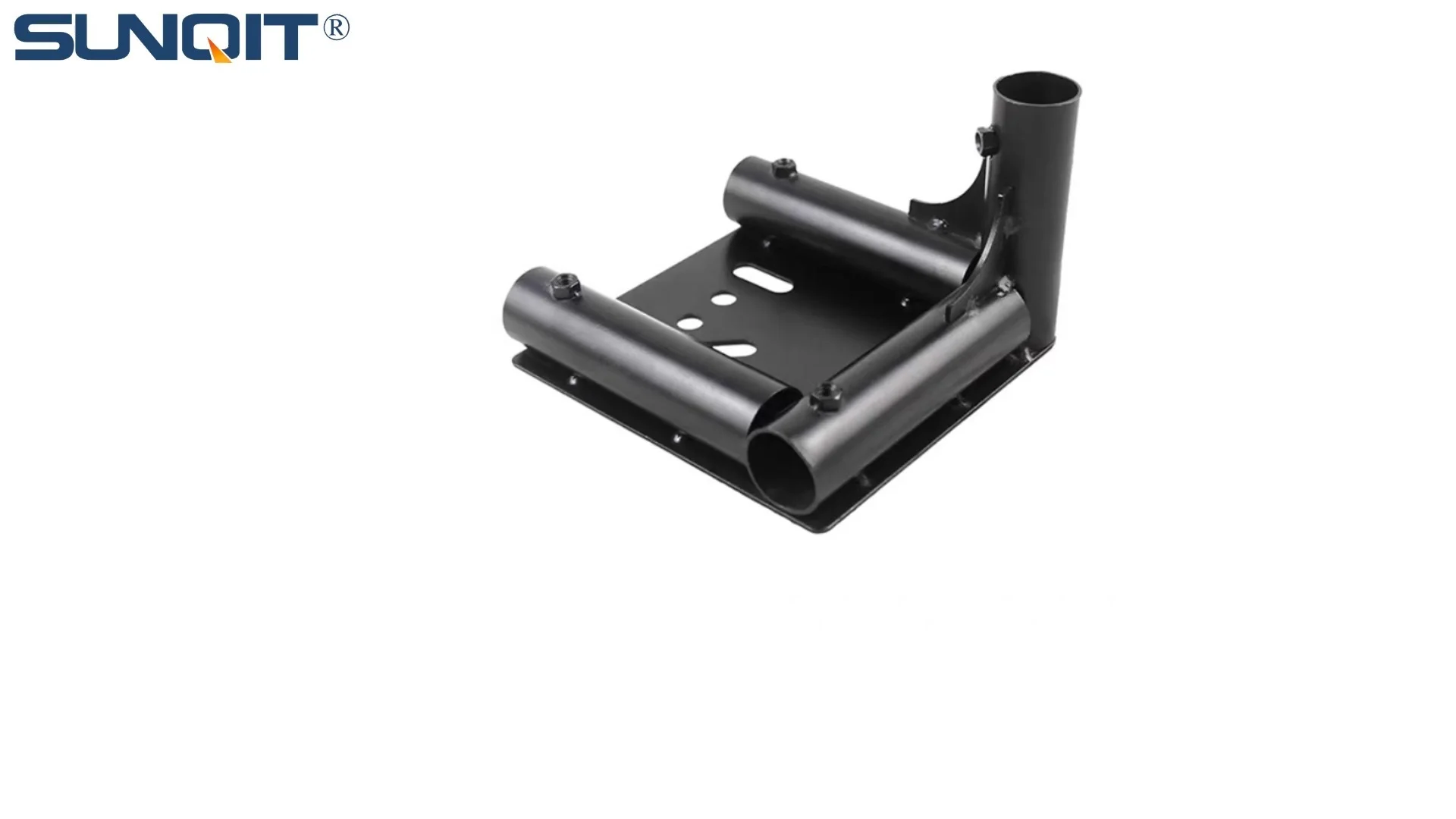
Pipe fitting castor installation base,Well made, precise and strong. Made of high quality of steel,black painting surface treatment for greater resistance to corrosion. It is used for castor or foot lever connection with lean pipe.
Walk through any bustling manufacturing plant, and you'll quickly spot the unsung heroes keeping operations on track: the quiet components that rarely get the spotlight but bear the weight of daily work. Among these, the castor installation base stands out—a humble yet critical part of everything from workbenches to turnover trolleys. It's the foundation that connects wheels to structures, ensuring that materials, tools, and products move smoothly across factory floors. But how long can you rely on these bases before they start to fail? In this article, we'll dive into the factors that shape a castor installation base's lifespan, share real-world expectations, and offer tips to keep yours rolling strong for years.
What Is a Castor Installation Base, Anyway?
Before we talk about lifespan, let's clarify what a castor installation base is. Simply put, it's the metal or composite plate, bracket, or housing that attaches a caster wheel to a piece of equipment. Think of it as the "middleman" between the wheel and the structure it supports—whether that's a workbench in an electronics assembly line, a turnover trolley ferrying parts in a warehouse, or a material rack in a automotive plant. Its job? To distribute weight evenly, absorb shocks from uneven floors, and keep the caster securely fastened, even when pushed, pulled, or loaded with heavy items.
These bases come in all shapes and sizes, tailored to their purpose. A lightweight base might work for a small tool cart, while a heavy-duty steel base is non-negotiable for a workbench holding hundreds of pounds of machinery. And while they might seem simple, their design and materials play a huge role in how long they last—especially in manufacturing environments where durability isn't just a nice-to-have, but a necessity.
Key Factors That Determine How Long Your Castor Installation Base Will Last
A castor installation base's lifespan isn't set in stone. It can range from a few years to over a decade, depending on a handful of critical factors. Let's break them down:
1. Material Quality: The Building Blocks of Durability
The first thing to consider is what your castor installation base is made of. In manufacturing, three materials dominate: steel, aluminum, and reinforced plastic. Each has its own strengths and weaknesses, directly impacting lifespan.
Steel is the workhorse of the bunch. Known for its high strength and rigidity, steel bases are common in heavy-duty applications—think workbenches that hold welding equipment or turnover trolleys loaded with metal parts. A well-made steel base, especially one coated with zinc or powder to resist rust, can last 7–10 years under average use. But it's not without flaws: steel is prone to corrosion in humid or wet environments, and its weight can add strain to the equipment it's attached to if overused.
Aluminum is lighter and more corrosion-resistant than steel, making it ideal for cleanrooms, food processing plants, or outdoor loading docks where moisture is a concern. Aluminum bases are also easier to maneuver, which is why they're often found on lightweight turnover trolleys or mobile workbenches. Their lifespan? Typically 5–8 years, though this drops if they're used in high-impact environments (like areas with frequent collisions from forklifts) since aluminum is softer than steel and prone to bending.
Reinforced plastic (like nylon or polypropylene) is the budget-friendly option, often used for light-duty tasks such as small tool carts or medical equipment in labs. These bases are lightweight, rust-proof, and quiet, but they're not built for heavy loads. Expect 3–5 years of use before signs of wear like cracks or warping start to show—especially if they're exposed to extreme temperatures or harsh chemicals.
Pro Insight: When shopping for a castor installation base, check for "gauge" (thickness) if it's steel or aluminum. A higher gauge number means thinner material—opt for lower gauges (thicker metal) for heavy loads. For plastic, look for "glass-reinforced" labels, which add strength and extend lifespan by 1–2 years.
2. Load Capacity: Are You Asking Too Much?
Even the toughest steel base will fail early if it's overloaded. Every castor installation base comes with a maximum load rating—this is the total weight (including the equipment itself plus any materials) it's designed to support. Ignore this rating, and you're setting yourself up for trouble.
Let's say you have a workbench with a castor installation base rated for 500 pounds. If you regularly pile 700 pounds of tools and parts on it, the base will start to bend, welds may crack, and the mounting holes could strip over time. In severe cases, overloading can even cause the base to snap, leading to equipment damage or workplace injuries. On the flip side, underloading a base (using a heavy-duty steel base for a lightweight cart) isn't ideal either—it adds unnecessary weight, making the equipment harder to move and increasing wear on wheels and joints.
The key? Match the base to the job. For example, a turnover trolley used to carry small electronic components might only need a 200-pound base, while a material rack holding metal sheets could require 1,500 pounds or more. Most manufacturers provide load charts, so take the time to calculate your typical load (and add a 20% buffer for unexpected spikes) before choosing a base.
3. Environment: The Hidden Wear-and-Tear Culprit
Manufacturing environments are rarely gentle, and your castor installation base feels every bit of it. Let's compare two scenarios to see how environment affects lifespan:
Scenario 1: A workbench in a pharmaceutical cleanroom. The air is filtered, temperatures are controlled, and floors are regularly cleaned. The castor installation base here is sheltered from moisture, dust, and chemicals. Even a mid-grade aluminum base could last 8+ years in this setting.
Scenario 2: A turnover trolley in a marine parts factory near the coast. The air is salty, floors are often wet with oil or water, and metal shavings litter the ground. A steel base without proper rust protection here might start corroding in just 2 years, while an aluminum base could last 4–5 years with regular maintenance.
Other environmental factors to watch for:
- Debris: Metal chips, gravel, or even loose threads can get trapped between the base and the floor, causing scratches or dents that weaken the material over time.
- Temperature swings: Extreme heat (like near ovens or furnaces) can warp plastic bases or weaken steel welds. Freezing cold can make metal brittle, increasing the risk of cracks.
- Chemicals: Oils, solvents, or cleaning agents can eat away at paint or coatings on steel bases, exposing them to rust. Even mild detergents can degrade plastic bases over time.
4. Maintenance: A Little Care Goes a Long Way
Imagine buying a high-end sports car and never changing the oil—eventually, it will break down, no matter how well it's built. The same goes for castor installation bases. Neglect maintenance, and even the best materials will fail early. But with regular care, you can extend lifespan by 30–50%.
So, what does "regular maintenance" look like? Here's a quick checklist:
- Weekly: Wipe down the base with a dry cloth to remove dust and debris. Check for loose bolts or screws—tighten them with a wrench if they're wobbly.
- Monthly: Lubricate the joints where the base connects to the caster wheel (use a silicone-based lubricant to avoid attracting dust). Inspect for signs of rust, cracks, or bending—especially in steel bases.
- Quarterly: For steel bases, touch up chipped paint or rust spots with a corrosion-resistant spray. For aluminum, clean with a mild detergent and dry thoroughly to prevent pitting. For plastic, check for cracks around mounting holes—these are stress points that often fail first.
One common mistake? Over-lubricating. Excess grease or oil can attract dirt, which acts like sandpaper on the base and wheel bearings. A few drops per joint are enough.

Real-World Lifespan Expectations: A Practical Guide
To give you a clearer picture, let's put all these factors together. Below is a table showing typical lifespans for castor installation bases under different conditions, based on industry data and manufacturer warranties.
| Material | Light-Duty Use (≤200 lbs, Clean Environment) | Medium-Duty Use (200–500 lbs, Average Factory) | Heavy-Duty Use (>500 lbs, Harsh Environment) |
|---|---|---|---|
| Steel (Zinc-Coated) | 8–10 years | 6–8 years | 4–6 years |
| Aluminum | 7–9 years | 5–7 years | 3–5 years |
| Reinforced Plastic | 4–6 years | 3–4 years | 2–3 years |
Note: These estimates assume basic maintenance (monthly cleaning, quarterly inspections). Without maintenance, subtract 2–3 years from each range.

Signs Your Castor Installation Base Needs Replacement
Even with the best care, every castor installation base will eventually need to be replaced. The trick is catching the warning signs early to avoid sudden failures (and costly downtime). Watch for these red flags:
1. Wobbling or Uneven Movement
If your workbench or trolley starts to (rock) when moved, it could mean the base is bent or the mounting holes are stripped. A slight wobble might seem harmless, but it puts extra stress on the wheels and other components, leading to faster wear.
2. Rust or Corrosion That Won't Budge
Surface rust on a steel base can often be sanded and painted over, but if you notice rust eating through the metal (pitting) or spreading to the welds, it's time to replace. Corrosion weakens the base's structural integrity, making it prone to snapping under load.
3. Cracks or Deformation
Cracks in plastic bases are a death sentence—they'll only grow larger with use. For metal bases, look for bends or dents around the edges or mounting holes. Even a small bend can change how weight is distributed, leading to uneven wear on wheels and increased strain on the base itself.
4. Loose or Stripped Fasteners
If bolts keep coming loose, or the threads in the base's mounting holes are stripped (so bolts won't tighten), the base can't securely hold the caster wheel. This is a safety hazard—don't try to "make do" with extra washers or tape. replace the base.

Extending Lifespan: Pro Tips from Manufacturing Pros
Want to get the most out of your castor installation base? Here are actionable tips from plant managers and maintenance teams who've kept their bases rolling for 10+ years:
- Match the base to the floor: If your factory has rough concrete floors, opt for steel bases with thicker gauge metal to resist scratches. For smooth epoxy floors, aluminum or plastic bases work well and are gentler on the surface.
- Invest in floor mats: Placing rubber or plastic mats under frequently used equipment (like workbenches) reduces friction and debris, cutting down on wear. Mats also absorb shocks from dropped tools, protecting the base.
- Train staff on proper use: Many bases fail early because employees overload trolleys or drag them sideways (instead of pushing straight). A 10-minute training session on load limits and handling can reduce premature wear by 25%.
- Swap out bases seasonally: In environments with extreme temperature swings (like outdoor warehouses), consider having two sets of bases—one for summer (aluminum, to avoid heat warping) and one for winter (steel, for better cold resistance).
Final Thoughts: Your Castor Installation Base Deserves Attention
At the end of the day, a castor installation base's lifespan is a reflection of how well you choose, use, and care for it. A cheap plastic base in a heavy-duty environment might last 2 years, while a well-maintained steel base in a clean factory could keep going strong for a decade. The key? Don't overlook these humble components. They may not be as flashy as new machinery, but they're the foundation of smooth, efficient manufacturing.
So, next time you walk past a workbench or push a turnover trolley, take a second to check the castor installation base. A quick inspection today could save you from a breakdown tomorrow—and keep your operations rolling for years to come.