- Company Articles
- Products and Technology
- Product knowledge
- How M10*56 Rubber Leveling Feet Improve Material Rack B Performance

How M10*56 Rubber Leveling Feet Improve Material Rack B Performance
Related Product
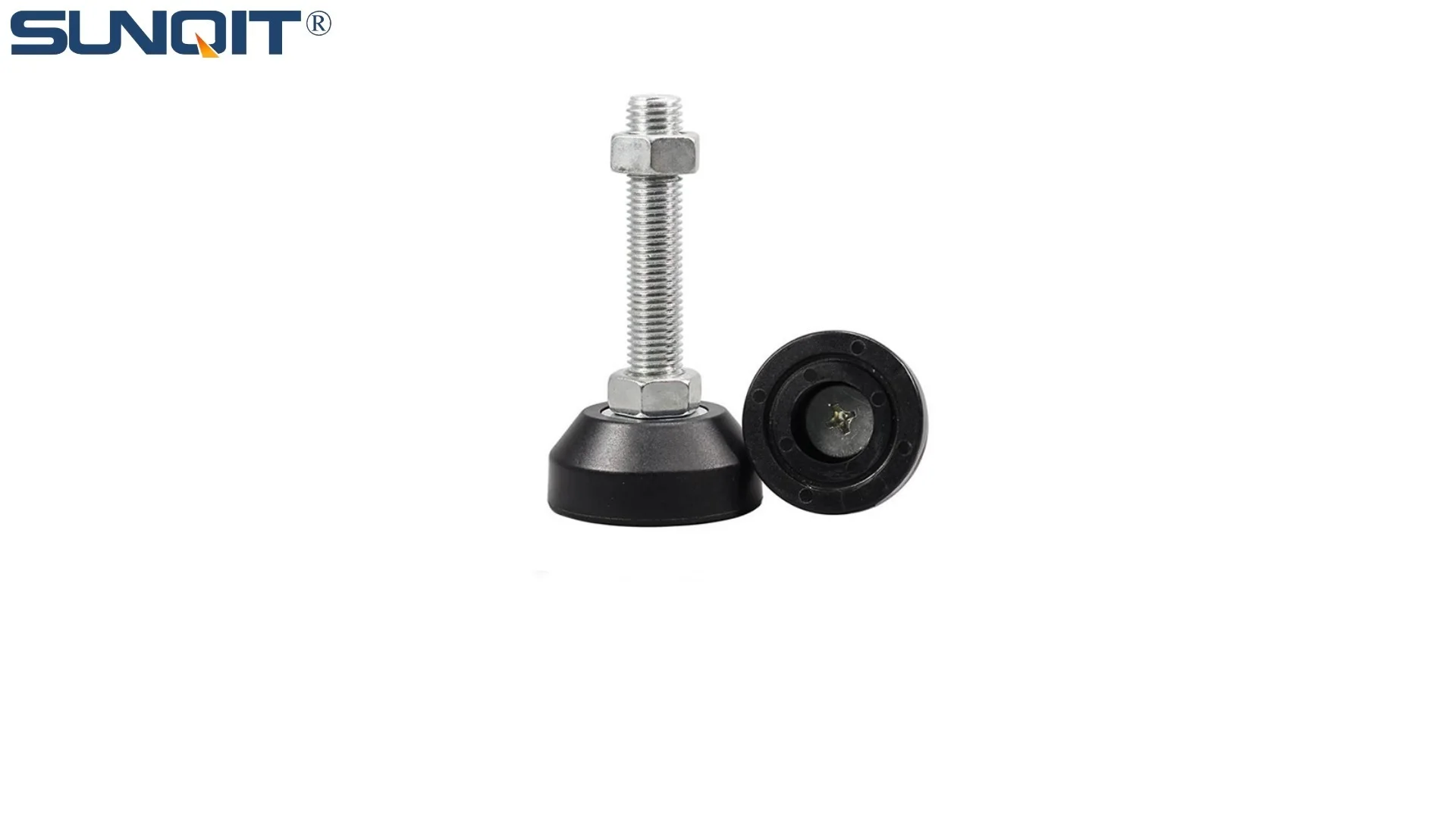
M10*56 Rubber Leveling Feet
Adjustable leveling feet are designed to keep machines level when placed on uneven or sloped ground. Otherwise known as adjustable equipment feet, they are available to order in a wide variety of size and load capacity combinations.
In the bustling world of manufacturing and warehouse operations, every piece of equipment plays a quiet but critical role in keeping workflows smooth and efficient. Among these unsung heroes, material racks stand tall—literally—by organizing inventory, streamlining access to components, and ensuring that production lines never grind to a halt due to disorganization. One such workhorse is the material rack b (3 row and 3 floor) , a versatile storage solution designed to maximize vertical space with three rows and three levels of shelving. But even the sturdiest rack can falter without the right support, and that's where a small yet powerful component comes into play: the M10*56 rubber leveling feet. In this article, we'll explore how these unassuming feet transform the performance of Material Rack B, turning it from a basic storage unit into a cornerstone of lean, efficient operations.
The Unsung Challenge: Why Stability Matters for Material Rack B
Before diving into the specifics of M10*56 rubber leveling feet, let's take a moment to understand why stability is non-negotiable for Material Rack B. Imagine a typical factory floor: concrete surfaces that have seen years of heavy machinery rolling over them, small cracks from shifting foundations, or even subtle slopes that develop over time. These imperfections might seem minor, but for a rack designed to hold hundreds of pounds of materials across three levels, they can spell disaster. A slightly uneven rack isn't just a nuisance—it's a risk. Items might slide off shelves, workers might hesitate to load or unload due to wobbling, and over time, uneven weight distribution can warp the rack's frame, leading to costly repairs or replacements.
Material Rack B, with its 3-row and 3-floor design, is built to handle diverse loads—from small electronic components to heavier mechanical parts. Each shelf must bear its share of the weight without sagging, and the entire structure must remain upright and steady, even when workers are rapidly accessing items throughout the day. Without proper stabilization, the rack becomes a liability: wasted time spent straightening items, increased risk of workplace accidents, and a hit to overall productivity. This is where leveling feet step in, acting as the rack's "foundation fixers" to address floor irregularities and ensure peak performance.
What Are M10*56 Rubber Leveling Feet?
At first glance, M10*56 rubber leveling feet might look like little more than small, rubber-topped bolts—and in a way, that's exactly what they are. But their simplicity is part of their genius. Let's break down the name: "M10" refers to the metric thread size (10mm in diameter), ensuring compatibility with standard mounting holes on Material Rack B; "56" denotes the length of the threaded stem (56mm), providing enough adjustability to compensate for most floor unevenness; and "rubber leveling feet" describes the design: a metal stem topped with a durable rubber pad that grips the floor and absorbs vibrations.
Unlike rigid metal feet or flimsy plastic alternatives, these leveling feet combine the strength of metal (for structural support) with the flexibility of rubber (for grip and shock absorption). The rubber pad, often made from high-density, oil-resistant rubber, not only prevents slipping but also protects floors from scratches and reduces noise—two added bonuses in busy environments. The threaded stem allows for precise height adjustment: by simply twisting the foot, you can raise or lower that corner of the rack to counteract dips or bumps in the floor. It's a simple mechanism, but its impact on rack stability is profound.

4 Key Ways M10*56 Rubber Leveling Feet Boost Material Rack B's Performance
1. Eliminating Wobble: A Stable Base for Every Load
The most obvious benefit of M10*56 rubber leveling feet is their ability to eliminate wobbling. On an uneven floor, a standard rack with fixed feet will rock back and forth, especially when loaded unevenly. For Material Rack B, which has three levels, this wobble can be exacerbated: if the bottom shelf is loaded with heavy items while the top shelf holds lighter ones, the rack's center of gravity shifts, making it even more unstable. With leveling feet, each corner of the rack can be adjusted independently. A quick twist of the foot raises or lowers that side, ensuring all four feet make solid contact with the floor. The result? A rack that stands firm, even when workers are pulling items from the top shelf or sliding boxes onto the bottom.
Consider this scenario: A warehouse using Material Rack B without leveling feet notices that items on the top shelf frequently slide off during peak hours, requiring workers to stop and reposition them. After installing M10*56 rubber leveling feet, the rack is adjusted to sit perfectly level. Suddenly, the sliding stops. Workers no longer waste time fixing fallen items, and the risk of damaged inventory drops dramatically. That's the power of stability.
2. Even Weight Distribution: Protecting the Rack (and Your Budget)
Material Rack B is built to hold significant weight, but its structural integrity depends on how that weight is distributed. When a rack is uneven, some shelves bear more load than others. For example, if the front left corner is higher than the rest, the front shelves might sag under the pressure, while the back shelves remain underutilized. Over time, this uneven stress can bend the rack's frame, warp the shelves, or even cause welds to crack—leading to expensive repairs or the need to replace the entire rack.
M10*56 rubber leveling feet solve this by ensuring the rack sits perfectly parallel to the floor. With all four feet adjusted to the same height, weight is distributed evenly across all three rows and three floors. Each shelf carries its intended load without strain, and the rack's frame remains straight and strong. This not only extends the lifespan of Material Rack B but also reduces maintenance costs. A rack that's properly supported will last years longer than one that's constantly fighting against uneven floors—a win for both your budget and your sustainability goals.
3. Floor Protection and Noise Reduction: A Kinder, Quieter Workplace
Factory and warehouse floors take a beating. Heavy machinery, constant foot traffic, and the movement of equipment can leave them scarred with scratches, dents, and cracks. Metal or plastic feet on racks only make this worse, as they can scrape the floor when the rack is moved (even slightly) or vibrate against it during use. The rubber pad on M10*56 leveling feet acts as a buffer, absorbing friction and preventing direct metal-to-concrete contact. This not only protects the floor from damage but also reduces noise—a small but meaningful improvement for workers who spend hours on the factory floor.
Think about the sound of a metal rack foot vibrating against concrete every time a box is placed on a shelf. Multiply that by dozens of racks in a busy warehouse, and the noise can become overwhelming, leading to fatigue and decreased focus. With rubber leveling feet, that noise is muffled, creating a calmer, more pleasant work environment. It's a small change, but workers notice—and appreciate—the difference.
4. Supporting Lean Systems: From Stability to Efficiency
In today's manufacturing landscape, lean system principles—focused on eliminating waste, improving flow, and maximizing value—are the gold standard. A stable, reliable Material Rack B plays a key role in this, as disorganization and inefficiency often stem from unstable or poorly functioning equipment. When a rack wobbles, workers slow down to avoid accidents; when items fall off shelves, time is wasted retrieving them; and when the rack needs frequent repairs, production schedules get delayed. M10*56 rubber leveling feet address all these issues, turning Material Rack B into a tool that supports, rather than hinders, lean operations.
For example, in a lean system, "motion waste"—unnecessary movement by workers—is a top target for elimination. If a worker has to step carefully around a wobbly rack or spend extra time securing items, that's motion waste. By stabilizing the rack, leveling feet reduce these inefficiencies. Workers can move quickly and confidently, accessing items without hesitation. Similarly, "defect waste"—damaged inventory from falling items—is minimized, as stable shelves keep products in place. In short, leveling feet don't just improve the rack—they improve the entire workflow.

Installation and Maintenance: Getting the Most Out of Your Leveling Feet
Now that we've covered the benefits, let's talk about how to install and maintain M10*56 rubber leveling feet on Material Rack B. The process is surprisingly simple, requiring just a few basic tools and a little patience. Here's a step-by-step guide:
- Prepare the Rack: Empty Material Rack B of all items to make it easier to move and adjust. If possible, have a colleague help you tilt the rack slightly to access the existing feet (if any).
- Remove Old Feet (If Needed): If the rack currently has fixed feet or worn-out leveling feet, unscrew them using a wrench. Be sure to keep track of any nuts or washers.
- Screw in M10*56 Rubber Leveling Feet: Thread the new M10*56 rubber leveling feet into the existing mounting holes on the rack's base. Hand-tighten them first to ensure they're aligned correctly.
- Level the Rack: Place a spirit level on top of the middle shelf of Material Rack B. Check both the front-to-back and side-to-side levels. If the bubble is off-center, twist the corresponding leveling foot to raise or lower that corner. Repeat until the bubble is centered in both directions.
- Tighten Securely: Once the rack is level, use a wrench to gently tighten the leveling feet, being careful not to overtighten (which could damage the threads).
- Test It Out: Load the rack with a few representative items and give it a gentle shake. If it wobbles, readjust the feet as needed.
Maintenance is equally straightforward. Every few months, inspect the leveling feet for signs of wear: check that the rubber pads are still intact (no cracks or tears) and that the threads aren't stripped. If a foot becomes loose, simply retighten it. If the rubber pad is worn, replace the foot—they're affordable and easy to swap out. By spending a few minutes on maintenance, you'll ensure your Material Rack B stays stable for years to come.

A Real-World Impact: How One Factory Transformed Its Operations
To put this in perspective, let's look at a real-world example. A mid-sized electronics manufacturer was struggling with their Material Rack B units. The factory floor, which had been poured over 20 years ago, had developed subtle slopes and cracks, making the racks wobble constantly. Workers complained about items falling off the top shelves, and the maintenance team was spending hours each month repairing bent shelves. The company's lean coordinator suggested installing M10*56 rubber leveling feet as a low-cost solution.
Within a week, all 12 Material Rack B units were fitted with the new feet and adjusted to level. The results were immediate: Item falls dropped by 92%, maintenance requests for rack repairs decreased by 75%, and workers reported feeling more confident when accessing the top shelves. The factory manager noted that "the leveling feet paid for themselves in the first month" due to reduced downtime and fewer damaged components. Today, the company includes M10*56 rubber leveling feet as a standard accessory for all new Material Rack B orders—a testament to their impact.
Why M10*56 Rubber Leveling Feet Are a Must-Have for Material Rack B
In the grand scheme of manufacturing equipment, M10*56 rubber leveling feet might seem like a small detail. But as we've seen, small details can have a big impact. For Material Rack B, these feet transform stability, protect the rack and floor, reduce noise, and support lean operations—all while being affordable and easy to install. They turn a basic storage unit into a tool that empowers workers, protects inventory, and keeps workflows running smoothly.
Whether you're a warehouse manager looking to reduce waste, a maintenance supervisor tired of constant repairs, or a lean coordinator striving for operational excellence, M10*56 rubber leveling feet are an investment worth making. After all, in the world of manufacturing, success often lies in the details—and these feet are one detail that delivers big returns.
Final Thoughts: Building a Foundation for Success
Material Rack B (3 row and 3 floor) is more than just a storage rack—it's a vital part of your facility's infrastructure. To get the most out of it, you need to ensure it's built on a solid foundation. M10*56 rubber leveling feet provide that foundation, addressing floor imperfections, stabilizing the rack, and unlocking its full potential. They're a reminder that in manufacturing, even the smallest components can drive big improvements in efficiency, safety, and profitability.
So, the next time you walk past a Material Rack B in your facility, take a moment to look down at its feet. If they're not M10*56 rubber leveling feet, maybe it's time to make a change. Your workers, your budget, and your lean system will thank you.
| Performance Metric | Without M10*56 Rubber Leveling Feet | With M10*56 Rubber Leveling Feet |
|---|---|---|
| Stability | Wobbles on uneven floors; risk of items falling | Rock-solid; no wobbling even with heavy loads |
| Weight Distribution | Uneven load on shelves; frame warping over time | Even weight across all shelves; reduced structural stress |
| Floor Protection | Metal feet scratch floors; noise from vibration | Rubber pads prevent scratches; noise reduced by up to 50% |
| Lean System Alignment | Wasted time fixing fallen items; maintenance delays | Reduced waste; smoother workflows; fewer disruptions |