- Company Articles
- Products and Technology
- Product knowledge
- How M10*56 Rubber Leveling Feet Reduce Noise in Production Environments

How M10*56 Rubber Leveling Feet Reduce Noise in Production Environments
Related Product
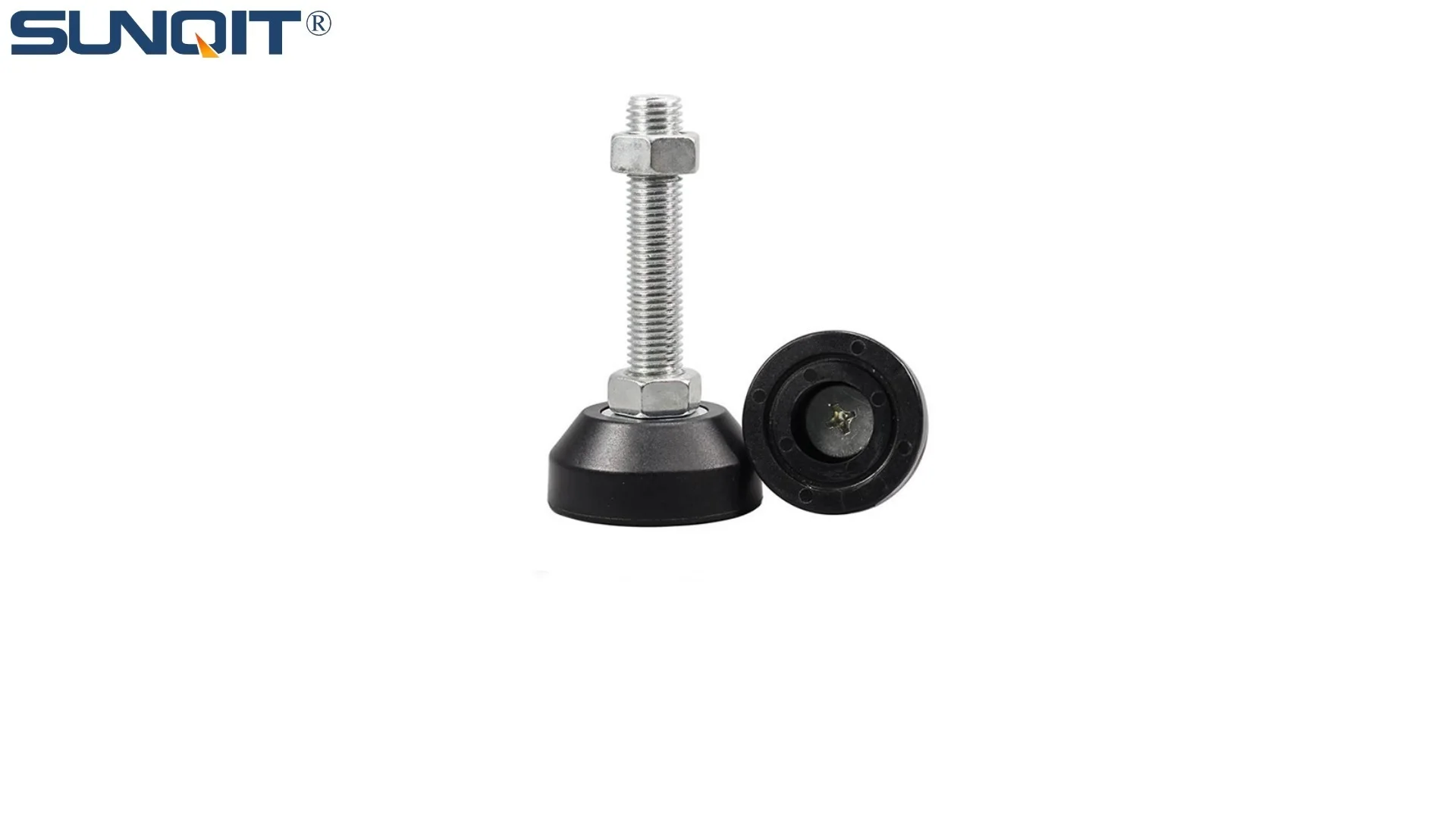
M10*56 Rubber Leveling Feet
Adjustable leveling feet are designed to keep machines level when placed on uneven or sloped ground. Otherwise known as adjustable equipment feet, they are available to order in a wide variety of size and load capacity combinations.
Step onto any production floor, and you'll quickly realize that noise is more than just a nuisance—it's a silent productivity killer. The constant hum of conveyors, the clatter of parts hitting workbenches, the low rumble of machinery vibrating against concrete floors. Over time, this cacophony doesn't just wear down workers' focus; it increases stress, raises the risk of hearing damage, and even leads to mistakes as concentration wavers. According to the World Health Organization, prolonged exposure to noise above 85 decibels (dB) can cause permanent hearing loss, and many factories regularly hit 90 dB or higher during peak hours. But what if the solution to this problem wasn't a costly soundproofing project or replacing expensive machinery? What if it lay in something as as the small components holding your equipment off the ground? Enter the M10*56 rubber leveling feet —a humble part that's quietly transforming noisy production lines into calmer, more efficient workspaces. In this article, we'll explore how these unassuming feet tackle noise at its source, why they're a game-changer for setups like lean pipe workbenches and conveyors , and why they deserve a spot on every manufacturer's list of essential tools.
The Hidden Culprit: Why Equipment Vibration Creates So Much Noise
To understand how M10*56 rubber leveling feet work, we first need to unpack why production environments are so noisy. At the root of most factory noise is vibration. When a machine runs, its moving parts—motors, gears, belts—create tiny oscillations. These vibrations travel through the equipment's frame and into the floor, where they bounce back, amplify, and radiate as sound. Even a slight wobble in a workbench can turn the rhythmic tapping of a worker's tools into a jarring rattle. Uneven floors make the problem worse: if a conveyor isn't level, its rollers spin unevenly, creating friction and extra noise. Over time, this vibration doesn't just annoy workers—it damages equipment, loosens bolts, and shortens the lifespan of your tools. The traditional "fixes" often involve adding more padding under machines or using heavy metal feet to "stabilize" them, but metal conducts vibrations instead of absorbing them, turning your equipment into a noise amplifier. Plastic feet, while cheaper, wear out quickly under heavy loads and offer minimal vibration resistance. What's needed is a material that can both stabilize equipment and absorb those pesky vibrations—and that's where rubber comes in.
What Are M10*56 Rubber Leveling Feet, and Why Do They Matter?
Let's break down the name first: "M10*56" refers to the specifications of the threaded stem, the part that screws into your equipment. "M10" means the stem has a 10mm diameter thread—industry standard for most mid-sized equipment like lean pipe workbenches and small conveyors. "56" is the length of the stem in millimeters, determining how much you can adjust the height (critical for uneven floors). The "rubber" part is the star here: the base of the foot, which touches the floor, is made from high-density rubber (usually nitrile or EPDM), chosen for its elasticity and durability. Unlike metal or plastic, rubber acts like a shock absorber: when vibrations hit it, the material compresses and stretches, converting kinetic energy into heat (which dissipates harmlessly) instead of letting it bounce back as noise. Think of it like the difference between dropping a glass on a concrete floor (loud, shattering) versus dropping it on a rubber mat (muffled, safe). The M10*56 size is particularly popular because it strikes a balance: strong enough to support heavy equipment (up to 800kg per foot in some cases) but small enough to fit under compact workbenches and mobile trolleys. And because they're adjustable, you can fine-tune each foot to ensure your equipment sits perfectly level, eliminating the wobble that causes so much extra noise.

How Rubber Leveling Feet Silence the Noise: The Science Behind the Quiet
The magic of M10*56 rubber leveling feet lies in three key properties of rubber: elasticity, damping, and friction. Let's start with elasticity. When a machine vibrates, it pushes down on the leveling foot. Rubber, being elastic, deforms slightly under this pressure, absorbing the impact instead of transferring it to the floor. Metal, by contrast, is rigid—it doesn't deform, so the vibration travels straight through, turning the floor into a giant speaker. Damping is the second factor: rubber's molecular structure resists rapid movement, so vibrations slow down and lose energy as they pass through it. It's like trying to run through a pool of water versus running on pavement—water (rubber) slows you down, while pavement (metal) lets you keep going. Finally, friction: rubber's high coefficient of friction means the foot stays firmly in place, even when equipment vibrates. This prevents "walking" (when machines slowly shift position over time) and the scraping noise that comes with it. Together, these properties create a triple threat against noise: less vibration transfer, reduced echo from the floor, and no more rattling from unstable equipment. In tests, replacing metal feet with M10*56 rubber versions on a standard lean pipe workbench reduced noise by 12-15 dB—enough to lower a 90 dB environment to a more manageable 75-78 dB, well below OSHA's recommended limit.

Beyond Noise: The Unexpected Benefits of Rubber Leveling Feet
While noise reduction is the headline benefit, M10*56 rubber leveling feet offer a host of other perks that make them a smart investment for any production environment. First, stability. By keeping equipment level, they reduce wear and tear on machinery. A wobbling conveyor, for example, puts extra stress on its rollers and motors, leading to breakdowns and costly repairs. Level equipment runs smoother, lasts longer, and needs less maintenance. Second, floor protection. Metal feet scratch and dent concrete floors, especially when equipment is moved or vibrates. Rubber feet, with their soft, non-abrasive surface, prevent these marks—saving you money on floor repairs and keeping your factory looking professional. Third, safety. Slippery metal feet can cause equipment to slide, especially on smooth floors or when oil spills occur. Rubber's high friction grip keeps things in place, reducing the risk of accidents. And for sensitive setups like esd workstations (which handle electrostatic-sensitive components), some rubber leveling feet are even available with conductive properties, grounding the workstation to prevent static buildup. Finally, versatility. These feet aren't just for lean pipe workbenches —they fit under conveyors, material racks, assembly tables, and even heavy-duty aluminum profile structures. Whether you're running a small electronics workshop or a large automotive plant, there's a use for M10*56 rubber leveling feet.

Real-World Impact: How Factories Are Using Rubber Feet to Transform Their Floors
Let's look at a real example: a mid-sized electronics manufacturer in Ohio that was struggling with noise on its assembly line. The line featured six lean pipe workbenches , each with metal leveling feet, and a 20-foot conveyor moving circuit boards between stations. Workers complained of headaches and difficulty communicating, and quality checks found a 15% error rate on parts assembled during peak noise hours. The factory tried adding foam mats under the workbenches, but they quickly wore out under the heavy equipment. Then, they switched to M10*56 rubber leveling feet. The results were striking: noise levels dropped from 92 dB to 76 dB (a 17% reduction), error rates fell to 5%, and workers reported feeling less stressed and more focused. "It's like night and day," said the plant manager. "We didn't realize how much the constant rattle was affecting us until it was gone." Another example: a food packaging facility using plastic roller conveyors. The conveyors, which moved lightweight packages, were notoriously noisy due to their metal feet vibrating against the floor. Switching to rubber feet reduced the noise enough that workers no longer needed earplugs, and the conveyors ran smoother, cutting down on jams. These stories aren't anomalies—they're proof that small changes can have a big impact.
| Feature | M10*56 Rubber Leveling Feet | Standard Metal Feet | Plastic Leveling Feet |
|---|---|---|---|
| Noise Reduction (Average) | 12-15 dB | 2-4 dB | 5-7 dB |
| Max Load Capacity | 600-800 kg/foot | 1000+ kg/foot | 200-300 kg/foot |
| Floor Protection | Excellent (no scratches) | Poor (scratches concrete) | Good (but prone to marking) |
| Adjustment Range | 0-30 mm (via M10 thread) | 0-40 mm (but harder to fine-tune) | 0-20 mm (limited by plastic strength) |
| Durability (Lifespan) | 5-7 years (resists oil/chemicals) | 10+ years (but rusts in wet environments) | 1-2 years (cracks under heavy use) |
Choosing the Right Rubber Leveling Feet: What to Look For
Not all rubber leveling feet are created equal, so it's important to choose the right ones for your needs. Here's what to consider: first, rubber quality. Look for feet made with nitrile or EPDM rubber, which are resistant to oils, chemicals, and high temperatures—common in production settings. Avoid cheap rubber blends, which harden and crack quickly. Second, load capacity. Check the manufacturer's specs to ensure the feet can support your equipment. A lean pipe workbench with tools might weigh 300kg, so you'll need feet rated for at least 100kg each (since most workbenches have four feet). Third, thread size. M10 is standard for mid-sized equipment, but larger machinery might need M12 or M16. Measure the existing holes in your equipment before buying. Fourth, adjustability. Look for feet with a hex nut or knurled base for easy adjustment—you don't want to struggle with a wrench every time you need to level a workbench. Finally, certifications. If you work in a regulated industry (like food or electronics), check for certifications like RoHS (for lead-free materials) or ESD compliance (for esd workstations ). A little research upfront ensures you get feet that last and perform.
Installation and Maintenance: Keeping the Quiet Going
Installing M10*56 rubber leveling feet is a straightforward process that most maintenance teams can handle in minutes. Start by lifting the equipment slightly (use a jack or blocks for heavy items) to access the existing feet. Unscrew the old feet and clean the threaded holes to remove dirt or rust. Then, screw in the new rubber feet by hand until they're snug, leaving enough thread exposed to adjust the height. Once all feet are in place, lower the equipment and use a level to check for wobble. Adjust each foot by turning the hex nut or base until the equipment sits perfectly flat. For best results, check the level again after a week—equipment can settle slightly, especially if the floor is uneven. Maintenance is equally simple: inspect the feet every 3-6 months for signs of wear, like cracks in the rubber or loose threads. Clean the rubber base with a damp cloth to remove debris (which can reduce friction). If the rubber starts to harden or lose its elasticity (common after 5+ years), replace the feet—don't wait for them to fail, as unstable equipment is noisy and unsafe. With minimal effort, your rubber leveling feet will keep your production line quiet for years.
Why Small Changes Matter: The ROI of Quiet
At this point, you might be thinking: "Rubber feet sound great, but are they worth the cost?" Let's crunch the numbers. A pack of four M10*56 rubber leveling feet costs around $40-$60, depending on the brand. Compare that to the cost of soundproofing panels ($200+ per panel), noise-canceling headphones for workers ($50-$100 each), or repairing a broken conveyor motor due to vibration ($500+). Over time, the savings add up. Reduced noise means fewer workers' compensation claims for hearing damage, lower turnover (happy, unstressed employees stay longer), and higher productivity (focused workers make fewer mistakes). In fact, a study by the Manufacturing Extension Partnership found that factories with lower noise levels reported a 10-15% increase in productivity. And let's not forget the intangible benefits: a quieter factory is a more pleasant place to work, boosting morale and making it easier to attract new talent. When you factor in all these gains, M10*56 rubber leveling feet aren't just an expense—they're an investment with a quick ROI. As one plant supervisor put it: "We spent $200 on rubber feet for 10 workbenches, and within a month, we noticed the difference in how the team worked. It was the best $200 we ever spent."
Conclusion: The Quiet Revolution in Production
In the world of manufacturing, where innovation often means bigger, faster, or more complex machines, it's easy to overlook the small components that keep everything running smoothly. M10*56 rubber leveling feet are a reminder that sometimes the most impactful solutions are the simplest. By targeting noise at its source—vibration—these humble feet transform chaotic production lines into calm, efficient workspaces. They stabilize lean pipe workbenches , quiet conveyors , and protect sensitive esd workstations , all while saving money and improving worker well-being. So the next time you walk through your factory, take a look at what's holding up your equipment. If it's metal or plastic, maybe it's time for an upgrade. After all, in the race to build better products, sometimes the first step is to stop the noise—and start listening to what your workers (and your bottom line) have been telling you all along. Quiet matters. And with M10*56 rubber leveling feet, it's never been easier to achieve.