- Company Articles
- Products and Technology
- Installation And Maintenance
- How Often Should Lean Pipe Clamp Chrome Be Inspected?

How Often Should Lean Pipe Clamp Chrome Be Inspected?
Related Product
Lean Pipe Clamp Chrome
Lean pipe clamp is used for rack system hang monitor or other panel for workbenck, flowrack in production daily use.
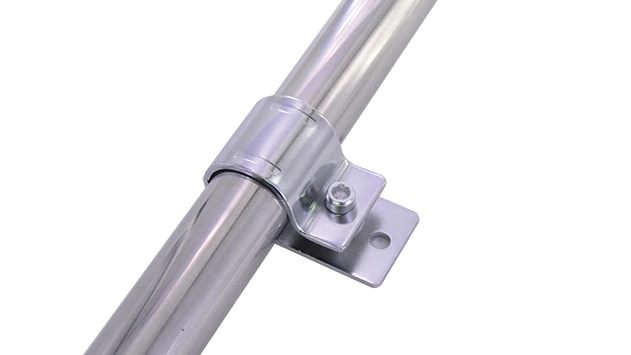
Walk into any busy manufacturing facility, and you'll likely spot them: sturdy workbenches where assemblers piece together components, flow racks gliding with parts to keep production lines moving, and the silent heroes holding it all together—lean pipe clamp chrome. These small but critical components are the backbone of lean systems, quietly ensuring stability and efficiency. But what happens when one of those clamps starts to loosen? A wobbly workbench might throw off an assembler's rhythm, a sagging flow rack could slow down material transfer, or worse, a sudden failure could put workers at risk. In the world of lean manufacturing, where every second and every safety measure counts, the question isn't just if you should inspect these clamps—but how often .
Understanding the Role of Lean Pipe Clamp Chrome in Your Lean System
Before diving into inspection schedules, let's take a moment to appreciate what lean pipe clamp chrome actually does. These clamps are the unsung connectors in lean systems, designed to fasten lean pipes (often aluminum or steel) together at precise angles. Their chrome plating isn't just for shine—it adds a layer of corrosion resistance, making them durable enough to withstand the daily grind of factory floors, where dust, moisture, and constant vibration are par for the course. When paired with a well-fitted lean pipe joint, a clamp chrome ensures that structures like workbenches and flow racks stay rigid, even under the weight of tools, parts, or.
Think about a typical workbench in an electronics assembly plant. It holds circuit boards, soldering irons, and bins of tiny components. Every time an operator leans on it or reaches for a tool, the workbench absorbs that force—all thanks to the clamps securing its frame. Similarly, a flow rack in a warehouse relies on clamps to keep its tiers stable as boxes slide down roller tracks. Without properly functioning clamps, these structures become ticking time bombs: a workbench might sway, causing components to topple; a flow rack could buckle, jamming the material flow and halting production.
Why Skipping Inspections Isn't an Option
It's easy to overlook these small clamps. They're not as flashy as a new conveyor system or as noticeable as a malfunctioning caster wheel. But ignoring them is a gamble with three high-stakes consequences: safety, efficiency, and cost.
Safety First: Protecting Your Team
A loose lean pipe clamp chrome isn't just a minor inconvenience—it's a safety hazard. Imagine a flow rack loaded with heavy metal parts. If a clamp fails, the rack could collapse, sending parts crashing to the floor. Workers nearby might trip, or worse, be hit by falling debris. Even a wobbly workbench poses risks: an assembler leaning into a task could lose balance, leading to slips or strains. In industries where precision matters (like automotive or aerospace), a sudden shift in a workbench could even compromise the quality of the product being built, creating defects that end up in the hands of customers.
Efficiency: Keeping the Line Moving
Lean manufacturing thrives on efficiency, and unplanned downtime is its worst enemy. A single faulty clamp can bring a production line to a standstill. For example, if a clamp on a material rack b (3 row and 3 floor) comes loose, the rack might tilt, making it impossible to retrieve parts. Workers scramble to fix it, deadlines get pushed, and the ripple effect spreads across shifts. In one facility I worked with, a neglected clamp on a roller track caused a bottleneck that delayed an entire order by two days—costing the company not just time, but a customer's trust.
Cost Savings: Small Checks, Big Returns
Replacing a worn clamp costs a fraction of repairing a collapsed workbench or replacing damaged inventory. Let's do the math: a single lean pipe clamp chrome might cost $5–$15. If left uninspected, it could lead to a flow rack collapse that damages $500 worth of parts and requires $2,000 in repairs. Multiply that by multiple clamps across a facility, and the numbers add up fast. Regular inspections catch issues early, turning a potential crisis into a 10-minute fix with a wrench.

Factors That Dictate Inspection Frequency
So, how often should you inspect lean pipe clamp chrome? The answer isn't one-size-fits-all. It depends on how hard your clamps are working. Let's break down the key factors that influence inspection frequency:
- Usage Intensity: A workbench used for light tasks (like sorting small parts) will stress clamps less than one used for heavy assembly (like mounting engines). Similarly, a flow rack in a 24/7 production line will wear faster than one in a facility with 8-hour shifts.
- Environmental Conditions: Clamps in humid warehouses or facilities with chemical exposure (like plating shops) are more prone to corrosion. Chrome plating helps, but constant moisture or fumes can still eat away at connections.
- Load Weight: A clamp holding up a shelf with 50 lbs of parts will loosen slower than one supporting 500 lbs. Heavier loads mean more stress on the clamp and lean pipe joint over time.
- Age of the System: Older lean systems may have clamps that are already fatigued. Even if they look fine, years of vibration can weaken chrome plating or stretch bolt threads.
Recommended Inspection Schedules: A Practical Guide
Based on these factors, here's a breakdown of how often to inspect your lean pipe clamp chrome. Think of it as a starting point—adjust based on your facility's unique needs.
| Usage Scenario | Inspection Frequency | Key Checkpoints | Example Applications |
|---|---|---|---|
|
Light Use
(Low load, 8-hour shifts, dry environment) |
Monthly | Chrome plating for chips/scratches; bolts finger-tight; no visible rust | Office workbenches, light-duty material racks |
|
Medium Use
(Moderate load, 12-hour shifts, average humidity) |
Bi-weekly | Torque bolts to specs; check for clamp movement; inspect lean pipe joint for wear | Assembly line workbenches, standard flow racks |
|
Heavy Use
(High load, 24/7 operation, harsh conditions) |
Weekly (or daily for critical systems) | Full torque test; chrome plating integrity; lean pipe joint stability; signs of bending | Heavy-duty material racks, roller tracks in automotive plants |
*Critical systems (e.g., those supporting hazardous materials or located near walkways) may require daily visual checks, even in medium-use scenarios.
The Step-by-Step Inspection Process: What to Look For
Inspecting lean pipe clamp chrome doesn't require fancy tools—just a keen eye, a torque wrench, and a few minutes. Here's how to do it right:
1. Visual Inspection: The First Line of Defense
Start with a slow, thorough look. Walk around the structure (workbench, flow rack, etc.) and examine each clamp. Look for:
- Chrome Plating Damage: Chips, cracks, or peeling. Exposed metal underneath is a red flag for rust.
- Rust or Corrosion: Even small spots can spread. Pay extra attention to clamp edges and where they meet the lean pipe.
- Loose Bolts: Are the bolts holding the clamp in place sticking out more than usual? Do they wiggle when touched?
- Lean Pipe Joint Misalignment: Is the pipe sitting evenly in the clamp, or is it tilted? A misaligned joint means uneven stress.
2. Tactile Check: Feel for Issues
Sometimes, problems aren't visible—they're felt. Gently shake the structure (e.g., push the side of a workbench) to test stability. A slight wobble might mean a loose clamp. Then, run your hand along the clamp and lean pipe joint. You should feel a tight, seamless connection; gaps or movement indicate trouble.
3. Functional Test: Ensure It Works as Intended
For flow racks or roller tracks, simulate normal use. Slide a bin along the rollers—does the structure shift? For workbenches, place a weight (equal to typical daily load) on the surface and check for sagging. If the clamp holds firm, great; if not, it's time to tighten or replace.
4. Torque Verification: Tighten with Precision
Over-tightening can strip threads; under-tightening leaves clamps loose. Use a torque wrench to tighten bolts to the manufacturer's specs (usually 15–25 Nm for most lean pipe clamps). If bolts spin without resistance, the threads are damaged—replace the clamp immediately.
Common Issues to Watch For (And How to Fix Them)
Even with regular inspections, you'll encounter common problems. Here's how to spot and solve them before they escalate:
Issue 1: Chrome Plating Peeling
Signs:
Flaky, silver-gray patches on the clamp surface.
Cause:
Corrosion from moisture or chemical exposure; physical impact (e.g., a dropped tool hitting the clamp).
Fix:
For small areas, clean with a wire brush and apply anti-corrosion spray. For large patches, replace the clamp—exposed metal will only rust faster.
Issue 2: Loose Bolts
Signs:
Bolts that spin freely or protrude more than 1/4 inch from the clamp.
Cause:
Vibration from daily use; improper initial tightening.
Fix:
Retighten with a torque wrench. If bolts keep loosening, add thread-locking compound (like Loctite) to prevent future slips.
Issue 3: Bent Clamp Arms
Signs:
The clamp no longer sits flush against the lean pipe; gaps between the clamp and pipe.
Cause:
Overloading the structure; accidental impact (e.g., a forklift bumping the flow rack).
Fix:
replace the clamp—bent arms can't distribute weight evenly, leading to further damage.
Real-World Stories: The Cost of Neglect vs. the Value of Care
Consider two factories, both using lean systems with workbenches and flow racks. Factory A inspects its lean pipe clamp chrome monthly; Factory B "forgets" until something breaks.
Factory B's Nightmare: One Monday morning, a flow rack in Factory B collapsed. An investigation revealed a corroded clamp had snapped, sending 200 lbs of plastic parts crashing to the floor. The cleanup took 4 hours, production fell 15% behind, and two workers strained their backs lifting debris. The total cost? $8,000 in repairs, parts, and lost productivity. "We thought those clamps would last forever," the plant manager later admitted. "We were wrong."
Factory A's Success: In contrast, Factory A's monthly inspection caught a loose clamp on a workbench. An operator noticed the chrome plating was chipping and the bolt was wobbly. The maintenance team replaced the clamp in 10 minutes—costing $12. That week, production hit 100% efficiency, and the assemblers noted, "The workbench feels sturdier than ever."
The difference? A little time spent inspecting saved Factory A from disaster. It's not just about avoiding costs—it's about respecting the people who rely on these systems every day. When workers see that their tools and workspaces are well-maintained, morale rises, and pride in their work follows.
Tailoring Your Inspection Plan to Your Facility
Every facility is unique, so use the guidelines above as a template, not a rule. Here's how to customize your plan:
- Map Your Lean Systems: List all structures with lean pipe clamp chrome (workbenches, flow racks, material carts). Note their location, age, and usage.
- Rank by Risk: Label high-risk items (e.g., a flow rack over a walkway) for weekly inspections; low-risk (e.g., a rarely used storage rack) for quarterly checks.
- Train Your Team: Operators who use the equipment daily are often the first to notice issues. Teach them basic inspection steps (like checking for wobbles) and encourage reporting.
- Keep Records: Log inspection dates, findings, and repairs. Over time, you'll spot patterns (e.g., clamps near wash stations corrode faster) and adjust schedules accordingly.
Final Thoughts: Inspection as Part of Lean Culture
Lean manufacturing is about eliminating waste—waste of time, resources, and effort. But one of the biggest wastes is preventable equipment failure. Regular inspections of lean pipe clamp chrome aren't just a maintenance task; they're a cornerstone of a strong lean culture. They show that you value safety, efficiency, and the people who keep your operations running.
So, how often should you inspect them? As often as it takes to keep your workbenches stable, your flow racks moving, and your team confident that their tools won't let them down. For most facilities, that's weekly to monthly. For others, it might be daily. The key is to start—because in the world of lean systems, a small clamp checked today can save you from a big headache tomorrow.