- Company Articles
- Products and Technology
- Product knowledge
- How One Way Rotatory Straight Lean Pipe Joint Chrome Enhances Workplace Safety in Manufacturing

How One Way Rotatory Straight Lean Pipe Joint Chrome Enhances Workplace Safety in Manufacturing
Related Product
One Way Rotatory Straight Lean Pipe Joint Chrome
Two way lean pipe joint for 2 pcs 28MM lean pipe connection in straight angle with rotatory fucntion, which used widely in workbench, flow rack, hand trolley frame connection.
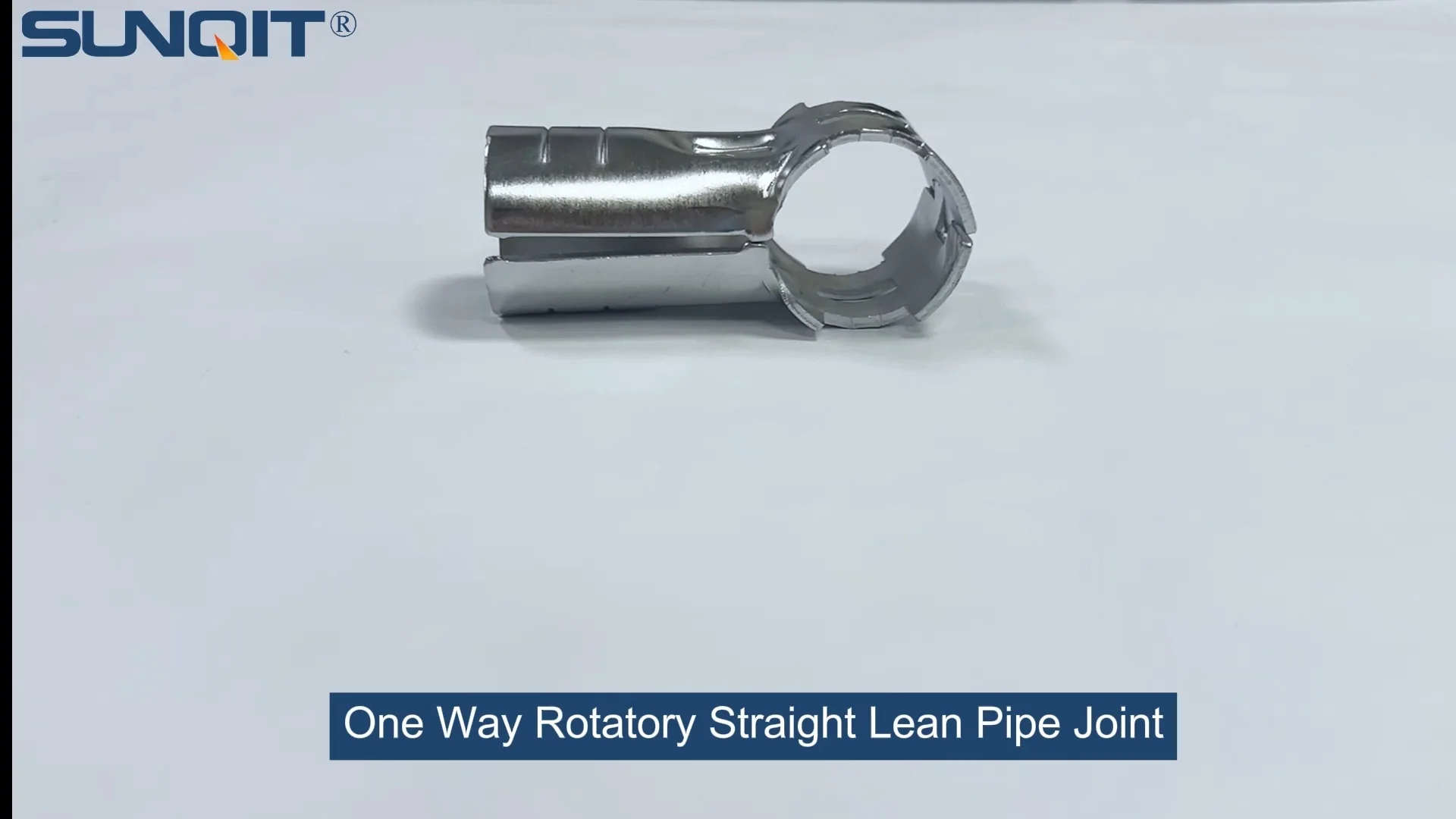
Walk through any manufacturing facility, and you'll notice a symphony of movement: conveyor belts gliding, workers assembling components, and material carts rolling across the floor. Behind this orchestration lies a hidden network of structures— lean pipe workbenches , flow racks, and assembly stations—that keep operations grounded. But what holds these structures together? Joints. Simple as they may seem, the quality of these connections can mean the difference between a smooth shift and a catastrophic accident. In recent years, one component has emerged as a silent guardian of workplace safety: the one way rotatory straight lean pipe joint chrome . More than just a piece of hardware, it's a testament to how intentional design can transform manufacturing floors into safer, more reliable spaces.
The Hidden Risks: Why Joints Matter in Workplace Safety
Manufacturing safety statistics paint a sobering picture. According to the Occupational Safety and Health Administration (OSHA), over 20% of non-fatal workplace injuries in manufacturing involve "struck-by" or "caught-in-between" incidents—many of which trace back to unstable equipment. Loose joints can cause lean pipe workbenches to wobble, sending tools crashing to the floor. Faulty connections in roller tracks might jam material flow, leading to spills that create slip hazards. Even a minor joint failure in a turnover trolley can cause it to tip, injuring the operator and damaging inventory.
Traditional lean pipe joints often exacerbate these risks. Many rely on friction alone to stay tight, loosening over time with vibrations from nearby machinery. Others lack rotational control, allowing workers to over-tighten or misalign components during setup. Without clear visual indicators of wear, these joints can degrade silently until they fail. For frontline workers, this means constant vigilance—checking connections daily, re-tightening bolts, and crossing fingers that nothing gives way during a busy shift. For managers, it translates to higher maintenance costs, lost productivity, and the ever-present fear of an avoidable accident.
Redefining Safety: The Design of the One Way Rotatory Straight Lean Pipe Joint Chrome
The one way rotatory straight lean pipe joint chrome wasn't designed in a vacuum. Engineers studied these common failure points and reimagined what a joint could be—prioritizing safety without sacrificing the flexibility that makes lean systems so valuable. Let's break down its key features:
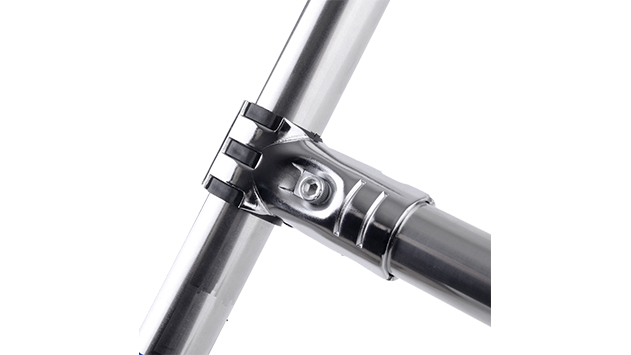
1. One-Way Rotation Mechanism: Unlike standard joints that spin freely, this design allows rotation in only one direction—typically clockwise for tightening. Once secured, a internal locking pawl engages, preventing accidental loosening from vibrations or bumps. Imagine adjusting a lean pipe workbench leg: with a traditional joint, a passing forklift's jolt might twist it loose. With this joint, the pawl holds firm, keeping the bench stable even in high-traffic areas.
2. Chrome-Plated Durability: The chrome coating isn't just for shine. It forms a protective barrier against rust and corrosion, a critical feature in manufacturing environments where moisture, oils, and chemicals are common. A rusted joint weakens over time, but chrome-plated steel maintains its structural integrity, ensuring the joint can withstand years of heavy use without degradation.
3. Visual Wear Indicators: Safety thrives on visibility. These joints often include color-coded wear markers—small notches or bands that fade as the internal components wear down. A quick glance tells workers when a joint needs replacement, turning "guesswork maintenance" into a proactive task. During a pre-shift inspection, a operator can spot a faded marker on a roller track connector and replace it before it fails.
4. Precision Load Distribution: Traditional joints concentrate stress at connection points, leading to cracks or bending. The one-way rotatory design distributes weight evenly across the pipe and joint, reducing strain. This is especially critical for material racks loaded with heavy components; even a 500-pound load feels lighter when stress is spread uniformly.
Safety in Action: Real-World Benefits on the Factory Floor
To understand the impact of this joint, let's step onto a hypothetical (but realistic) automotive parts assembly line. Here, lean pipe workbenches line the production area, each holding delicate electronic components. Workers adjust the benches daily to accommodate different tasks, and caster wheels allow for quick reconfiguration. In the past, after each move, supervisors would spend 15 minutes checking every joint with a torque wrench—time better spent on production. Since switching to one way rotatory straight lean pipe joint chrome s, that ritual has vanished. The one-way rotation ensures joints stay tight during moves, and the visual wear indicators make inspections a 2-minute scan. In six months, the line has seen zero joint-related incidents, and workers report feeling "more confident" in their equipment.
Another example comes from a food packaging facility, where hygiene and stability are equally critical. Moisture from daily cleaning routines once caused standard steel joints to rust, weakening flow racks used to store packaging materials. After upgrading to chrome-plated one-way rotatory joints, rust-related failures dropped by 80%. The maintenance team now replaces joints on a predictable schedule, based on wear indicators, rather than scrambling to fix emergencies. As one maintenance supervisor put it: "We used to treat joints like disposable parts. Now, they're partners in keeping our team safe."

Beyond the Joint: Integrating with Lean Systems for Holistic Safety
A safe manufacturing floor isn't built on a single component—it's a ecosystem where every part works in harmony. The one way rotatory straight lean pipe joint chrome shines brightest when paired with other high-quality lean accessories, creating a safety net that spans the entire operation:
With Lean Pipe Workbenches: When building a lean pipe workbench , stability is non-negotiable. These joints connect table legs, shelves, and tool rails with precision, ensuring the bench can support heavy machinery without shifting. Add a caster wheel with a locking brake, and workers can reposition the bench safely, knowing the joints won't loosen mid-move.
With Roller Tracks: Roller tracks rely on smooth, consistent movement to transport materials. Misaligned joints can create "speed bumps" that jostle products or cause jams. The one-way rotatory joint's fixed angle alignment ensures rollers stay parallel, reducing friction and spill risks. Pair it with swivel roller balls , and materials glide effortlessly, minimizing the need for manual pushing (a common cause of strains).
With Turnover Trolleys and Racks: Turnover trolleys often carry uneven loads—boxes stacked haphazardly or tools with awkward shapes. The joint's even load distribution prevents tipping, while the chrome plating resists dents from accidental bumps. In material racks , these joints secure vertical supports, ensuring shelves don't bow under weight and items don't topple onto workers below.
| Feature | Traditional Lean Pipe Joints | One Way Rotatory Straight Lean Pipe Joint Chrome |
|---|---|---|
| Loosening Risk | High—vibrations often cause gradual loosening | Low—one-way rotation with locking pawl prevents accidental loosening |
| Durability in Harsh Environments | Prone to rust and corrosion without extra coating | Chrome plating resists moisture, oils, and chemicals |
| Setup Error Margin | High—easy to over-tighten or misalign | Low—one-way rotation guides proper tightening |
| Wear Detection | Difficult—no visual indicators; requires disassembly | Easy—built-in wear markers show when replacement is needed |
| Load Capacity | Limited by uneven stress distribution | Higher—even weight distribution reduces strain on pipe and joint |
Choosing Quality: Why the Right Supplier Matters
Not all one way rotatory straight lean pipe joint chrome s are created equal. Substandard versions—often made with thin steel or shoddy plating—can fail just as easily as traditional joints, putting workers at risk. That's why partnering with a reputable lean pipe supplier is as critical as the joint itself. Quality suppliers invest in testing: subjecting joints to thousands of rotation cycles, salt spray tests for corrosion resistance, and load-bearing trials to ensure they meet industry standards.
Look for suppliers who prioritize transparency. They should provide material certifications, test reports, and clear specifications (like maximum load capacity and rotation limits). A good lean pipe supplier will also offer guidance—helping you pair joints with the right pipes, aluminum profile accessories , or caster wheel s for your specific needs. After all, a joint is only as strong as the system it's part of.
The Human Element: How Safety Boosts Morale and Productivity
Safety isn't just about avoiding accidents—it's about empowering workers. When employees trust their equipment, they move with confidence. A stable lean pipe workbench lets them focus on precision, not balancing tools. A reliable roller track means they spend less time unjamming materials and more time adding value. The one way rotatory straight lean pipe joint chrome doesn't just prevent injuries; it sends a message: "Your well-being matters."
This shift in mindset has tangible benefits. Companies with strong safety cultures report 20-30% higher productivity, according to research by the National Safety Council. Workers take fewer sick days, engage more with process improvements, and stay with the company longer. In a tight labor market, that's a competitive advantage no manufacturer can afford to ignore.
Looking Ahead: The Future of Lean Safety
As manufacturing evolves—with automation, IoT sensors, and modular production lines—so too will safety needs. The next generation of one way rotatory straight lean pipe joint chrome s may integrate smart features: RFID tags to track wear in real time, or color-changing indicators that alert workers to fatigue. But even as technology advances, the core principle remains: safety starts with intentional design.
For now, though, the chrome-plated one-way rotatory joint stands as a reminder that progress doesn't have to mean complexity. It's a simple solution to a universal problem—proof that sometimes, the most powerful safety tools are the ones working quietly, behind the scenes, to keep people safe.
Conclusion: Safety Starts with the Right Connections
On a bustling manufacturing floor, it's easy to overlook the small things. But as we've explored, the one way rotatory straight lean pipe joint chrome is anything but small. It's a bridge between efficiency and safety, between productivity and peace of mind. It transforms wobbly workbenches into steady workspaces, unreliable racks into secure storage, and anxious workers into confident contributors.
So the next time you walk through a manufacturing facility, take a closer look at those unassuming joints. The best ones won't grab attention—but they'll earn it, one safe shift at a time. After all, in manufacturing, the strongest connections aren't just between pipes and joints. They're between a company's values and its commitment to the people who power its success.