- Company Articles
- Products and Technology
- Product knowledge
- How Parallel Lean Pipe Joint Chrome Improves Assembly Line Flexibility

How Parallel Lean Pipe Joint Chrome Improves Assembly Line Flexibility
Related Product
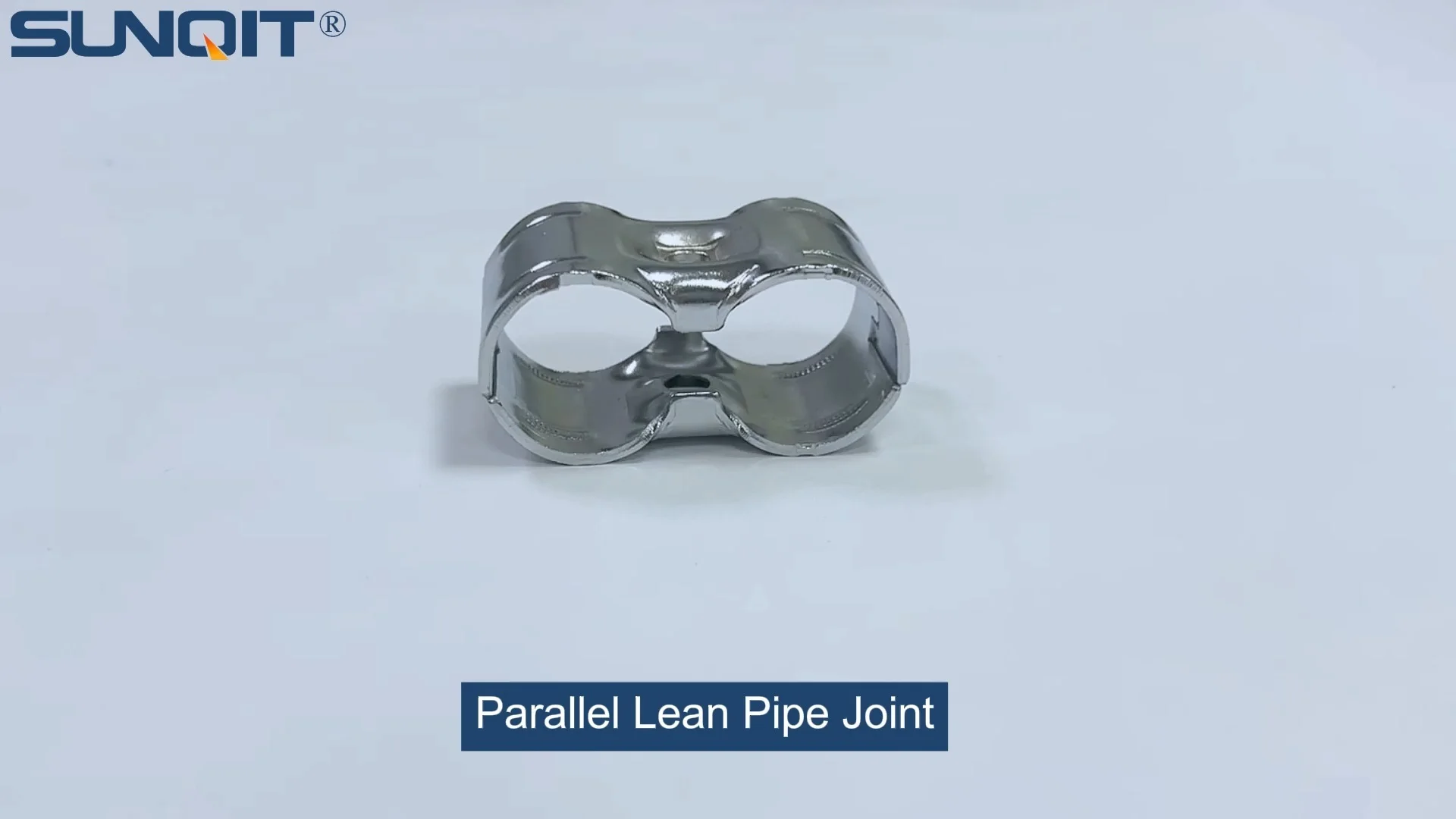
Parallel Lean Pipe Joint Chrome
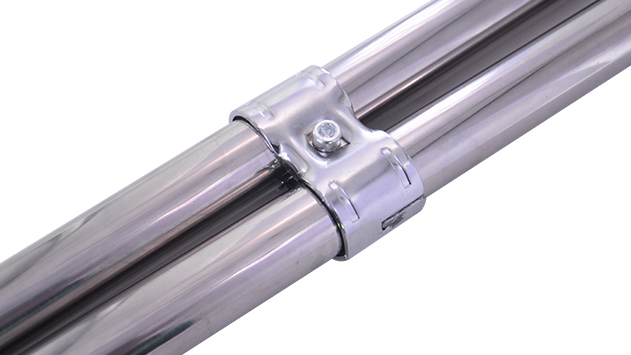
Parallel lean pipe joint used for 2 pcs 28MM lean pipe connection in parallel direction to enhance frame structure, usually for heavy payload requirement for workbench. flow rack, hand trolley.
In the fast-paced world of manufacturing, where customer demands shift overnight and product cycles grow shorter by the month, assembly lines can no longer afford to be static. A factory floor stuck with rigid, one-size-fits-all workstations isn't just inefficient—it's a bottleneck waiting to happen. Workers struggle to adapt, downtime eats into production goals, and reconfiguring for new products feels like rebuilding from scratch. But what if there was a small, unassuming component that could transform this rigidity into agility? Enter the parallel lean pipe joint chrome —a quiet hero in the realm of lean manufacturing that's redefining how assembly lines flex, adapt, and thrive.
This article dives into how this simple yet ingenious joint is more than just a connector; it's a catalyst for change. We'll explore its design, its role in harmonizing with other lean components like lean pipe workbenches , flow racks , and aluminum profiles , and how it empowers factories to keep up with the ever-evolving demands of modern production. Whether you're a plant manager grappling with frequent product changes or a small business owner looking to maximize space and efficiency, understanding the impact of the parallel lean pipe joint chrome could be the key to unlocking your assembly line's full potential.
The Hidden Cost of Rigid Assembly Lines
Walk into a traditional manufacturing facility, and you'll likely encounter workstations bolted to the floor, shelving units welded into place, and conveyor systems with fixed paths. These structures were built for stability, but in today's market—where product lifecycles shrink and customization is king—stability often translates to stagnation. Let's break down the pain points:
- Downtime During Reconfiguration: When a new product line launches, teams spend days (or weeks) dismantling old workbenches and building new ones. For example, a electronics manufacturer switching from smartphone assembly to tablet production might need taller work surfaces and different tool placement—tasks that could halt production for days with rigid setups.
- Wasted Space: Fixed racks and trolleys take up permanent floor space, even when not in use. A seasonal product might require specialized shelving that sits idle for 10 months of the year, cluttering the facility and limiting workflow optimization.
- Worker Frustration: Imagine a line worker hunched over a workbench that's too low, or stretching to reach tools on a shelf that can't be adjusted. Rigid setups ignore ergonomic needs, leading to fatigue, reduced productivity, and even injuries.
- High Long-Term Costs: Constantly replacing fixed structures isn't cheap. A single welded steel workbench can cost thousands of dollars, and replacing it every time product specs change adds up quickly—money that could be invested in innovation or employee training.
These issues aren't just operational headaches; they hit the bottom line. A 2023 study by the Manufacturing Excellence Association found that factories with rigid assembly lines report 30% higher operational costs due to downtime and inefficiency compared to those using flexible systems. The solution? It starts with rethinking the building blocks of these systems—and that's where lean pipe components, especially the parallel lean pipe joint chrome, come into play.
What Is a Parallel Lean Pipe Joint Chrome?
At first glance, the parallel lean pipe joint chrome might seem like just another piece of hardware. But look closer, and you'll see why it's a game-changer for flexibility. Let's start with the basics:
Core Function: This joint is designed to connect lean pipes (hollow metal tubes, often steel or aluminum) in parallel configurations. Unlike traditional fixed joints, it allows for adjustability, rotation, and easy disassembly—all while maintaining structural stability.
Design Details: Made from high-grade steel with a chrome plating, the joint features a sleek, corrosion-resistant finish that stands up to the wear and tear of factory environments. Its parallel design means it can secure two or more pipes side by side, creating sturdy frameworks for workbenches, racks, and trolleys. The chrome coating isn't just for looks; it prevents rust, making the joint ideal for use in damp or dusty settings, such as automotive or food processing plants.
How It Works: The joint uses a combination of set screws and rotating collars to attach to lean pipes. Tightening the screws locks the pipes in place, while loosening them allows for quick adjustments. Some models even feature internal springs or ball bearings for smooth rotation, making it easy to reposition pipes without tools—a boon for workers who need to adapt their stations on the fly.
But what truly sets the parallel lean pipe joint chrome apart is its compatibility. It's designed to work seamlessly with a range of lean components, from aluminum profiles to caster wheels , turning individual parts into a modular system that can be reimagined endless times. Let's explore this compatibility in action.
Key Features That Drive Flexibility
To understand why the parallel lean pipe joint chrome is a flexibility powerhouse, let's zoom into its standout features:
Rotational Adjustability
Unlike fixed 90-degree or 45-degree joints, the parallel lean pipe joint chrome allows pipes to rotate along multiple axes. This means a workbench shelf can tilt for better access, or a flow rack can angle downward to speed up material flow—adjustments that take minutes, not hours.
High Load Capacity
Don't let its adjustability fool you—this joint is built tough. Chrome-plated steel construction allows it to support up to 500 lbs per joint, making it suitable for heavy tools, raw materials, or finished products. For example, a flow rack using parallel joints can easily hold stacks of metal sheets or automotive parts without wobbling.
Tool-Free Assembly
Most parallel lean pipe joints feature hand-tightened screws or quick-release levers, eliminating the need for wrenches or welding. A line worker can reconfigure a workstation during a shift change, no special training required. This "plug-and-play" design cuts reconfiguration time from days to hours (or even minutes).
Corrosion and Wear Resistance
Chrome plating acts as a barrier against moisture, chemicals, and scratches—critical in harsh factory environments. In food processing plants, for example, regular cleaning with sanitizers won't damage the joints. In automotive shops, oil and grease wipes away easily, keeping the joint functional for years.
These features work together to create a component that's not just a connector, but a enabler of adaptability. Now, let's see how it integrates with other lean pipe system elements to transform assembly lines.

Building a Flexible Ecosystem: How It Works with Other Components
The parallel lean pipe joint chrome doesn't operate in isolation. It's part of a larger ecosystem of lean components, each designed to enhance flexibility. Let's explore key partnerships:
1. Lean Pipe Workbenches: From Static to Customizable
A workbench is the heart of any assembly line, and with parallel lean pipe joints, it becomes a chameleon. Take the Workbench E (single deck-without caster) —a basic model that, with the right joints, can be transformed in countless ways:
- Height Adjustment: By using parallel joints at the legs, workers can raise or lower the bench to match their height, reducing strain. A 5'2" operator might set it to 32 inches, while a 6' tall colleague adjusts it to 38 inches—all in minutes.
- Add-On Shelves: Need more tool storage? Attach additional shelves using parallel joints, positioning them at angles for easy access. No drilling or welding required—just tighten the joint screws.
- Mobile Conversion: Add caster wheels (like the Flat Swivel Castor Wheel with Brake) to the base using parallel joints, turning the stationary bench into a mobile workstation. Now, it can roll to different parts of the line as needed, then lock into place with the brake.
Case in point: A furniture manufacturer in Ohio used parallel joints to modify 20 Workbench E units for a new chair line. Workers adjusted heights, added side tool rails, and installed casters—all in a single 8-hour shift, with no production downtime.
2. Flow Racks: Smoothing Material Flow with Roller Tracks
Flow racks are essential for "first in, first out" (FIFO) material handling, but fixed designs limit their utility. The parallel lean pipe joint chrome, paired with roller tracks and swivel roller balls , changes that. Consider Material Rack B (3 row and 3 floor) , a common flow rack model:
With parallel joints, workers can:
- Adjust Row Angles: Tilt roller tracks (using 1-inch or 0.5-inch swivel roller balls ) to control material speed. For lightweight plastic parts, a gentle 5-degree angle works; for heavy metal components, a steeper 10-degree angle ensures smooth flow.
- Expand or Shrink Rows: Add or remove rows by connecting new lean pipes with parallel joints, adapting to seasonal demand. A toy manufacturer might expand from 3 rows to 5 during the holiday rush, then scale back in January.
- Integrate Different Roller Types: Mix plastic roller tracks (yellow or grey) for lightweight items with steel roller tracks for heavier loads—all connected via parallel joints to the same rack frame.
The result? Material flow that adapts to product weight, size, and demand, reducing bottlenecks and ensuring line workers always have parts at their fingertips.
3. Aluminum Profiles: Lightweight Strength for Modern Factories
While traditional lean pipes are often steel, aluminum lean pipe and aluminum profiles are gaining popularity for their lighter weight and corrosion resistance. The parallel lean pipe joint chrome pairs seamlessly with these materials, creating hybrid systems that combine steel's strength with aluminum's agility.
For example, an aerospace parts manufacturer might use aluminum profiles for upper shelves (to reduce weight) and steel lean pipes for lower, heavy-duty sections—all connected with parallel joints. The chrome finish of the joints complements the aluminum's sleek look, while the adjustability ensures the structure can be modified for different part sizes.
Aluminum accessories like aluminum guide rail A or internal rotatary aluminum joint work hand-in-hand with parallel lean pipe joints, adding even more customization options. A workstation built with these components can be both lightweight (easy to move) and strong enough to hold precision tools.
Case Study: How XYZ Electronics Cut Reconfiguration Time by 70%
To put the power of the parallel lean pipe joint chrome into perspective, let's look at XYZ Electronics, a mid-sized manufacturer of smart home devices. In 2022, XYZ faced a challenge: they needed to produce 12 different product models (from smart thermostats to security cameras) on the same assembly line, each requiring unique workbench setups.
Before adopting lean pipe systems, XYZ's process was painful: teams spent 48 hours reconfiguring welded steel workbenches between models, leading to frequent missed deadlines. In Q1 2022, they switched to a lean system centered on parallel lean pipe joint chrome, paired with lean pipe workbenches, aluminum profiles, and caster wheels. Here's what happened:
| Metric | Before (Rigid Systems) | After (Parallel Lean Pipe Joint Chrome) | Improvement |
|---|---|---|---|
| Reconfiguration Time per Product Change | 48 hours | 14 hours | 70% reduction |
| Annual Downtime Due to Reconfiguration | 32 days | 9 days | 72% reduction |
| Worker Ergonomic Complaints | 15 per month | 3 per month | 80% reduction |
| Annual Cost of Workstation Replacements | $45,000 | $12,000 | 73% reduction |
"The parallel joints were a game-changer," said Maria Gonzalez, XYZ's Production Manager. "Our team can now adjust workbenches during breaks—no more waiting for maintenance. We've hit every production target since implementing them, and the workers love being able to customize their stations."
Keeping It Flexible: Maintenance Tips for Longevity
To ensure your parallel lean pipe joint chrome continues to deliver flexibility for years, follow these simple maintenance steps:
- Regular Cleaning: Wipe chrome surfaces with a damp cloth to remove dust, oil, and debris. For tough grime, use a mild detergent—avoid abrasive cleaners that could scratch the chrome plating.
- Check Tightness: Every two weeks, inspect joint screws for looseness (especially on mobile workstations). A quick hand-tighten prevents wobbling and ensures stability.
- Lubricate Moving Parts: For joints with rotational features, apply a small amount of silicone lubricant to the pivot points annually to keep adjustments smooth.
- replace Worn Components: If a joint becomes bent or the chrome plating chips (unlikely with proper care), replace it promptly. Most suppliers offer affordable replacement joints, and swapping one out takes less than 10 minutes.
With these steps, your parallel lean pipe joints will remain reliable for 5–7 years, far outlasting traditional fixed components.
Small Joint, Big Impact: The Future of Flexible Manufacturing
In the world of manufacturing, success often hinges on the ability to adapt. The parallel lean pipe joint chrome may be small in size, but its impact is enormous. By turning rigid workbenches into customizable stations, fixed flow racks into adaptable material handlers, and static lines into dynamic ecosystems, it empowers factories to keep pace with change—without sacrificing stability or cost-efficiency.
Whether you're producing electronics, automotive parts, or consumer goods, this joint isn't just a component; it's an investment in agility. It reduces downtime, cuts costs, improves worker satisfaction, and positions your facility to thrive in an era where "the only constant is change."
So, the next time you walk through your assembly line, take a closer look at the connections holding it all together. Could a simple switch to parallel lean pipe joint chrome unlock the flexibility your team has been missing? For thousands of manufacturers worldwide, the answer has been a resounding yes—and it could be for you too.