- Company Articles
- Products and Technology
- Product knowledge
- How Parallel Lean Pipe Joint Chrome Reduces Downtime in Production Lines

How Parallel Lean Pipe Joint Chrome Reduces Downtime in Production Lines
Related Product
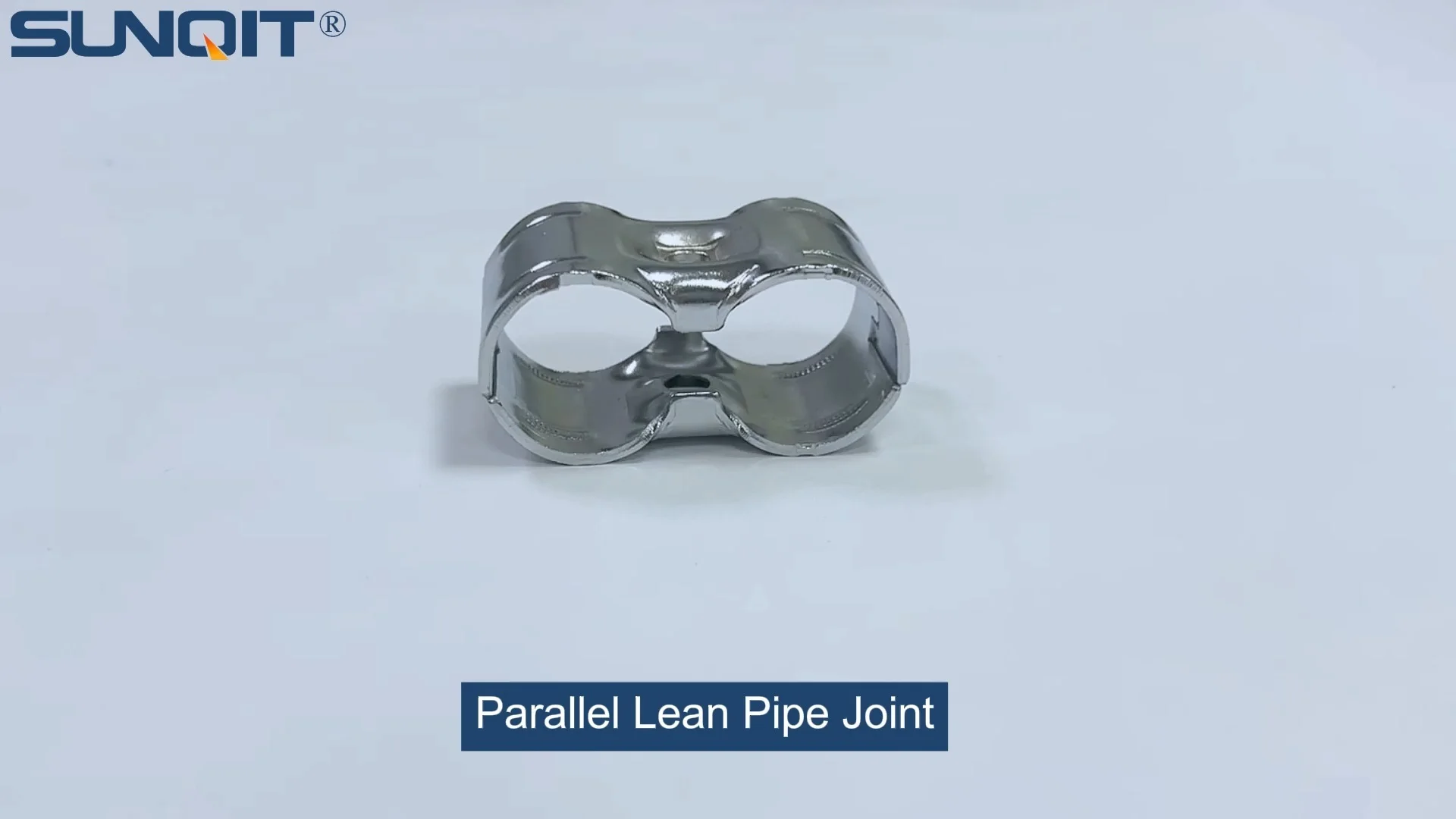
Parallel Lean Pipe Joint Chrome
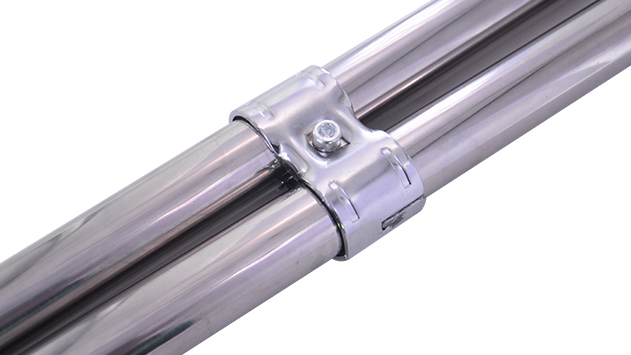
Parallel lean pipe joint used for 2 pcs 28MM lean pipe connection in parallel direction to enhance frame structure, usually for heavy payload requirement for workbench. flow rack, hand trolley.
In the fast-paced world of manufacturing, downtime is more than just a pause in production—it's a silent drain on profitability. Every minute a line sits idle translates to lost units, missed deadlines, and increased operational costs. According to industry reports, unplanned downtime can cost manufacturers up to $22,000 per minute, with some sectors losing millions annually to equipment failures, reconfigurations, or maintenance delays. While large machinery and complex systems often get the blame, the truth is that small, often overlooked components play a critical role in keeping production flowing. One such component is the parallel lean pipe joint chrome—a unassuming yet powerful part of the lean system that has quietly revolutionized how manufacturers minimize downtime.
Imagine a production floor where workbenches, flow racks, and conveyors hum with efficiency. Parts glide along roller tracks, workers assemble products at ergonomic lean pipe workbenches, and materials move seamlessly from one station to the next. Now, picture the same floor when a joint connecting the pipes of a key workstation fails. Suddenly, the rhythm is broken. Mechanics rush in with tools, production grinds to a halt, and the clock starts ticking on lost revenue. This scenario is all too familiar, but it's one that parallel lean pipe joint chrome is engineered to prevent. In this article, we'll explore how this small but mighty component reduces downtime by addressing the root causes of line stoppages: slow reconfigurations, frequent repairs, and inflexible setups.
What is Parallel Lean Pipe Joint Chrome?
Before diving into its downtime-reducing benefits, let's first understand what parallel lean pipe joint chrome is and where it fits in the manufacturing ecosystem. At its core, it's a specialized connector designed to join lean pipes—the modular, lightweight tubes that form the backbone of lean manufacturing systems. These systems include lean pipe workbenches, flow racks, conveyors, and turnover trolleys, all built to optimize workflow, reduce waste, and improve efficiency.
The "parallel" in its name refers to its dual-pronged design, which distributes weight evenly across two contact points, ensuring stability even under heavy loads. The "chrome" denotes its plating—a thin layer of chromium applied to the underlying steel or alloy, which enhances durability, corrosion resistance, and scratch protection. Unlike traditional joints that rely on welding, bolts, or adhesive, parallel lean pipe joint chrome is designed for quick, tool-free assembly. Most models feature a threaded or cam-lock mechanism that allows workers to tighten or loosen connections by hand or with a simple wrench, eliminating the need for specialized equipment.
What makes this joint unique is its versatility. It's compatible with standard lean pipes (typically 28mm in diameter), aluminum lean pipes, and even some stainless steel pipes, making it a flexible choice for both new installations and upgrades to existing lean systems. Whether used in a small workshop or a large-scale production facility, its modular design aligns with the core principles of lean manufacturing: adaptability, efficiency, and continuous improvement.
The Hidden Costs of Traditional Joints
To appreciate the impact of parallel lean pipe joint chrome, it's helpful to first examine the limitations of the joints that preceded it. Traditional manufacturing setups often relied on three types of connections: welded joints, plastic snap-fit joints, and bolted metal joints. Each came with its own set of downtime-related challenges.
Welded joints , for example, are notoriously rigid. Once welded, they can't be adjusted without cutting the pipe and re-welding—a process that requires skilled labor, specialized equipment, and hours of downtime. If a production line needs to reconfigure a lean pipe workbench to accommodate a new product, the entire structure might need to be disassembled and rebuilt from scratch. Even minor repairs, like fixing a cracked weld, can take hours, leaving the line idle in the meantime.
Plastic snap-fit joints addressed some of the rigidity issues but introduced new problems. While easy to assemble, plastic is prone to wear and tear. In high-traffic areas, where parts or tools might bump against the joints, plastic can crack or snap under stress. In humid or corrosive environments, it may degrade over time, leading to frequent replacements. Each replacement means stopping production to swap out the joint—a 10-minute fix that, multiplied by dozens of joints across a facility, adds up to hours of lost time annually.
Bolted metal joints offered more durability than plastic but were still time-consuming to work with. Tightening or loosening bolts required wrenches, and over time, threads could strip or rust, making disassembly a nightmare. When a joint needed adjustment, workers often spent 30 minutes or more wrestling with stuck bolts, further delaying production.
These traditional joints also failed to keep up with the demands of modern manufacturing, where product cycles are shorter, and customization is key. A factory producing smartphones one month might shift to tablets the next, requiring workbenches, flow racks, and conveyors to adapt quickly. With rigid or fragile joints, these transitions became logistical headaches, often resulting in extended downtime.
4 Ways Parallel Lean Pipe Joint Chrome Reduces Downtime
Parallel lean pipe joint chrome was developed to address these pain points. By combining durability, flexibility, and ease of use, it directly targets the four main causes of downtime related to structural joints: slow reconfigurations, frequent repairs, corrosion-related failures, and incompatibility with existing systems.
1. Quick Assembly and Disassembly: Minimizing Setup Time
One of the most significant advantages of parallel lean pipe joint chrome is its speed of assembly. Unlike welded joints, which require a skilled welder and hours of work, these joints can be installed in minutes—often by the same workers who use the equipment. The secret lies in their tool-free or low-tool design: most models feature a threaded collar or a cam-lock mechanism that tightens with a simple twist or a few turns of a wrench. For example, reconfiguring a lean pipe workbench to accommodate a taller operator might take just 15 minutes with parallel joints, compared to 2 hours with welded or bolted joints.
This speed is a game-changer during line reconfigurations. Suppose a manufacturer needs to adjust the height of a flow rack to align with a new conveyor system. With traditional joints, the process would involve disassembling the rack, cutting pipes, welding new connections, and repainting to prevent rust—all of which could take half a day. With parallel lean pipe joint chrome, the team can loosen the joints, adjust the pipes to the desired height, retighten the joints, and have the rack operational within an hour. The result? Minimal disruption to production and more time spent manufacturing, not rearranging.
Disassembly is equally fast, which is critical for cleaning, maintenance, or relocating equipment. In food processing or pharmaceutical facilities, where strict hygiene standards require regular deep cleaning, the ability to take apart a lean pipe workbench quickly and reassemble it just as fast means less downtime between production runs.
2. Durability: Reducing Repairs and Replacements
Downtime isn't just caused by planned reconfigurations—it's often the result of unexpected failures. A cracked plastic joint, a rusted bolt, or a snapped weld can bring a line to a halt without warning. Parallel lean pipe joint chrome combats this with its robust construction and chrome plating.
The chrome layer acts as a barrier against corrosion, making the joint resistant to moisture, chemicals, and humidity—common culprits in manufacturing environments. In facilities where coolants, oils, or cleaning agents are used, traditional unplated metal joints might rust or degrade within months, requiring frequent replacements. Chrome-plated joints, by contrast, can last 5–7 years under heavy use, significantly reducing the need for unscheduled repairs.
Scratch resistance is another key benefit. In busy production areas, parts, tools, or pallets often bump against workbenches and flow racks. Plastic joints would crack under these impacts, while unplated metal joints might dent or chip, weakening the connection over time. The hard chrome surface of parallel lean pipe joint chrome withstands these collisions, maintaining its structural integrity and reducing the risk of sudden failure.
To put this in perspective: A factory using plastic joints might replace 20% of its joints annually due to wear and tear, each replacement taking 15 minutes and requiring the line to stop. With parallel lean pipe joint chrome, replacement rates drop to less than 5%, saving hours of downtime per year.
3. Flexibility: Adapting to Changing Production Needs
Modern manufacturing demands agility. Product lines change, customer orders fluctuate, and new technologies require updated workflows. Rigid systems with fixed joints can't keep up, leading to extended downtime as facilities struggle to adapt. Parallel lean pipe joint chrome solves this with its inherent flexibility.
Consider a scenario where a electronics manufacturer shifts from producing small circuit boards to larger components. The existing lean pipe workbenches are too low, and the flow racks are too narrow. With traditional joints, the company would need to build entirely new workstations, a process that could take days. With parallel lean pipe joint chrome, they can adjust the height and width of the existing workbenches by loosening the joints, repositioning the pipes, and retightening—all in under two hours. The same applies to conveyors: if a new product requires a steeper incline, the joints can be adjusted to angle the roller tracks without replacing the entire system.
This flexibility also extends to seasonal demand spikes. For example, a toy manufacturer might need to expand production by 50% during the holiday season. With parallel joints, they can quickly add temporary flow racks or extend conveyors using spare lean pipes and joints, then disassemble and store the extra equipment once the season ends. This "build-as-you-need" approach eliminates the downtime associated with permanent installations and reduces waste from overbuilding.
4. Compatibility: Upgrading Without Overhauling
Many manufacturers are hesitant to adopt new technologies because they fear the cost and downtime of replacing existing systems. Parallel lean pipe joint chrome addresses this concern by being compatible with most existing lean pipes, including steel, aluminum, and even some stainless steel varieties. This means companies can upgrade their joints without replacing their entire inventory of pipes—a critical factor in reducing downtime during transitions.
For example, a factory with older steel lean pipes might want to improve durability by switching to chrome-plated joints. With parallel lean pipe joint chrome, they can simply replace the old joints with new ones, keeping the existing pipes in place. The process is incremental: they can upgrade one workstation or flow rack at a time, doing the work during scheduled maintenance breaks to avoid disrupting production. Over time, the entire facility is modernized with minimal downtime.
Compatibility also extends to accessories. Parallel joints work seamlessly with lean pipe accessories like caster wheels, roller tracks, and workbench surfaces, allowing manufacturers to add features like mobility or integrated tool storage without redesigning the entire structure. This modularity ensures that systems can evolve with changing needs, rather than being replaced every few years.

Real-World Impact: A Case Study
To illustrate the downtime-reducing benefits of parallel lean pipe joint chrome, let's look at a real-world example. A mid-sized automotive parts manufacturer in the Midwest was struggling with frequent downtime due to outdated workbench joints. Their production line relied on welded steel workbenches and plastic snap-fit joints for flow racks, which led to two main issues: long setup times during reconfigurations and frequent joint failures in humid conditions.
The company decided to upgrade to parallel lean pipe joint chrome, starting with their busiest assembly line. The results were striking:
- Reconfiguration time: Previously, changing the layout of a workbench to accommodate a new part took 4 hours (including welding and cooling time). With parallel joints, the same task now takes 30 minutes—a 92% reduction in setup time.
- Joint failures: The plastic snap-fit joints on their flow racks failed an average of 8 times per month, each causing 20 minutes of downtime. After switching to chrome-plated parallel joints, failures dropped to zero in the first six months.
- Maintenance time: Weekly maintenance checks for loose or rusted joints used to take 2 hours per line. With parallel joints, checks take just 30 minutes, as workers can quickly tighten connections by hand.
In total, the manufacturer reduced downtime by approximately 12 hours per month on that single line—translating to an additional 480 units produced monthly and a annual cost savings of over $50,000. Encouraged by these results, they expanded the upgrade to all their production lines, with similar gains.
Comparing Joints: A Side-by-Side Look
To further highlight the advantages of parallel lean pipe joint chrome, let's compare it to traditional joint types across key metrics that impact downtime:
| Metric | Parallel Lean Pipe Joint Chrome | Welded Joints | Plastic Snap-Fit Joints | Bolted Metal Joints |
|---|---|---|---|---|
| Assembly Time | 5–15 minutes per joint | 60–90 minutes per joint (including cooling) | 10–20 minutes per joint | 20–30 minutes per joint (with tools) |
| Reconfiguration Time | 15–30 minutes per workstation | 4–6 hours per workstation (requires cutting/welding) | 30–45 minutes per workstation (risk of breaking plastic) | 2–3 hours per workstation (bolt removal/retightening) |
| Expected Lifespan | 5–7 years (chrome resists wear/corrosion) | 10+ years (but repairs are time-consuming) | 1–2 years (prone to cracking/UV damage) | 3–4 years (bolts rust/strip over time) |
| Failure Rate | Low (1–2 failures per 100 joints annually) | Low (but failures require full replacement) | High (5–8 failures per 100 joints annually) | Moderate (3–4 failures per 100 joints annually) |
| Tool Requirements | None or basic wrench | Welding equipment, grinder, paint | None (but tools may be needed to remove stuck joints) | Socket set, wrench, lubricant (for rusted bolts) |
Maintenance Tips for Maximizing Uptime
While parallel lean pipe joint chrome is designed to be low-maintenance, proper care can extend its lifespan and further reduce downtime. Here are a few simple tips:
Regular Inspections: Include joint checks in your daily or weekly maintenance routine. Look for signs of looseness, rust (especially in humid environments), or damage to the chrome plating. Tighten any loose joints with a wrench—this takes just a few seconds and can prevent failures down the line.
Cleaning: Wipe joints with a damp cloth and mild soap to remove grease, oil, or debris. Avoid harsh chemicals, as they can damage the chrome plating. For particularly dirty joints, a soft-bristle brush can help dislodge grime without scratching the surface.
Lubrication: If joints become stiff over time, apply a small amount of silicone-based lubricant to the threads or cam-lock mechanism. This will make adjustments smoother and prevent wear from friction.
Replacement: While chrome-plated joints are durable, they will eventually wear out. Plan for replacement every 5–7 years (or sooner if used in high-impact areas). Keep a small stock of spare joints on hand to minimize downtime when replacements are needed.
Conclusion: The Small Component with a Big Impact
In the world of manufacturing, downtime is the enemy of efficiency—and profitability. While large machinery and complex systems often dominate discussions about productivity, it's the small components that can make the biggest difference. Parallel lean pipe joint chrome is a prime example: a simple connector that addresses the root causes of downtime, from slow reconfigurations to frequent repairs.
By combining quick assembly, durability, flexibility, and compatibility, this joint empowers manufacturers to adapt to changing demands, reduce maintenance headaches, and keep production lines running smoothly. Whether you're building a new lean system or upgrading an existing one, parallel lean pipe joint chrome offers a cost-effective way to minimize downtime and maximize output.
In the end, the true measure of its value isn't just in the time it saves today, but in the agility it provides for tomorrow. As manufacturing continues to evolve, the ability to reconfigure, repair, and adapt quickly will be more critical than ever. Parallel lean pipe joint chrome isn't just a joint—it's an investment in uptime, efficiency, and the future of your production line.