- Company Articles
- Products and Technology
- Product knowledge
- How Parallel Lean Pipe Joint Chrome Supports Sustainable Manufacturing Practices

How Parallel Lean Pipe Joint Chrome Supports Sustainable Manufacturing Practices
Related Product
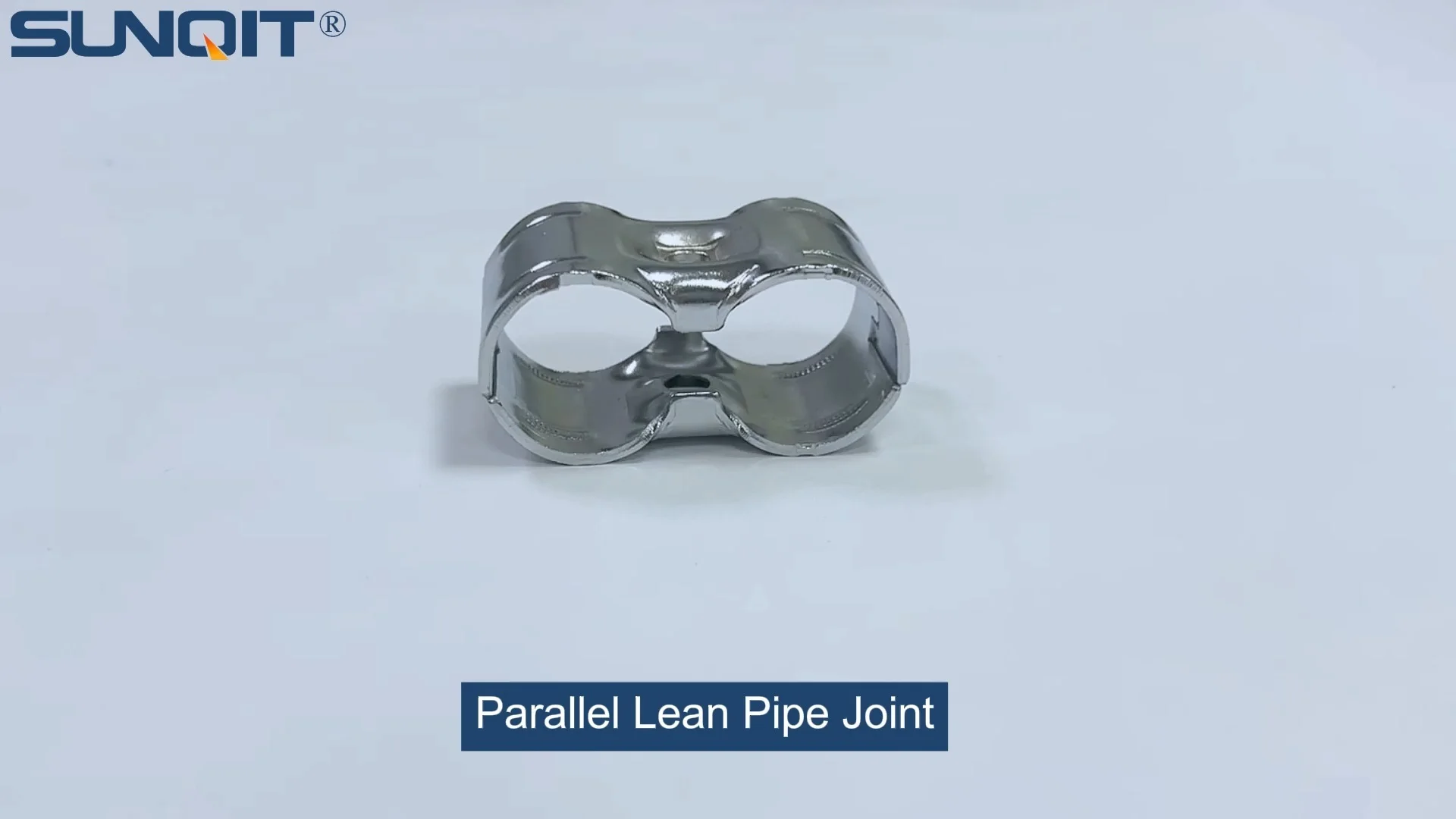
Parallel Lean Pipe Joint Chrome
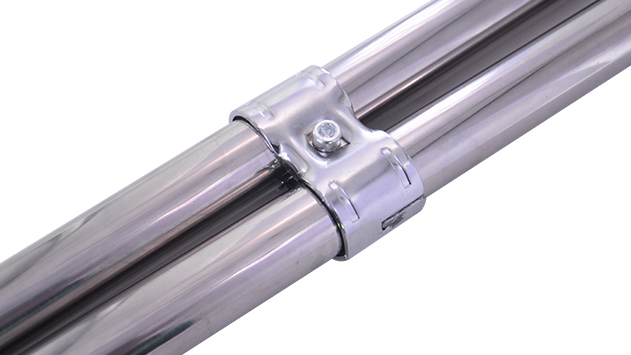
Parallel lean pipe joint used for 2 pcs 28MM lean pipe connection in parallel direction to enhance frame structure, usually for heavy payload requirement for workbench. flow rack, hand trolley.
In today's fast-paced industrial landscape, manufacturers face a dual challenge: meeting growing production demands while reducing their environmental footprint. Sustainable manufacturing isn't just a buzzword—it's a critical shift toward balancing profitability with planetary responsibility. At the heart of this shift lies lean manufacturing, a philosophy centered on minimizing waste, optimizing efficiency, and fostering continuous improvement. But lean principles alone aren't enough; the tools and components that bring these principles to life play an equally vital role. One such component, often overlooked yet indispensable, is the parallel lean pipe joint chrome . This unassuming piece of engineering is quietly revolutionizing how factories design, build, and adapt their production systems—all while advancing sustainability goals.
The Intersection of Lean Manufacturing and Sustainability
Before diving into the specifics of parallel lean pipe joint chrome, it's essential to understand why lean manufacturing and sustainability are natural allies. Lean manufacturing, born from the Toyota Production System, focuses on eliminating "muda" (waste) in all forms: overproduction, excess inventory, unnecessary motion, defects, and more. By cutting waste, lean systems inherently reduce resource consumption—whether that's raw materials, energy, or labor. This alignment with sustainability is no coincidence: less waste means fewer emissions, lower energy use, and reduced strain on natural resources.
However, lean systems rely heavily on the flexibility and durability of their physical infrastructure. Traditional production setups—with fixed conveyor belts, rigid workbenches, and one-size-fits-all material racks—often become obsolete as product lines change or demand fluctuates. This leads to a cycle of tearing down and rebuilding, generating construction waste, consuming new materials, and wasting energy. Enter modular components like lean pipe and their connecting joints: designed to be reconfigurable, reusable, and long-lasting, they form the backbone of a sustainable lean system.
What Is Parallel Lean Pipe Joint Chrome?
At its core, the parallel lean pipe joint chrome is a precision-engineered connector that joins lengths of lean pipe (typically steel or aluminum tubes) to create modular structures like workbenches, flow racks, conveyor systems, and turnover trolleys. What sets it apart from standard joints is its chrome-plated finish and parallel design, which enhances both functionality and sustainability.
The "parallel" aspect refers to its ability to connect two or more pipes in parallel alignment, creating stable, load-bearing frameworks without the need for welding or permanent fasteners. This modularity is key: instead of hiring welders or purchasing custom-built furniture, teams can assemble, disassemble, and reassemble structures using basic hand tools. The chrome plating, meanwhile, adds a layer of protection: it resists corrosion, scratches, and wear, ensuring the joint remains functional even in harsh factory environments—think exposure to oils, coolants, or humidity.
To put it simply, this joint transforms lean pipe from a static material into a dynamic building block. It's the reason a single set of pipes and joints can evolve from a production workbench today to a material storage rack tomorrow, and a packaging station next month—all without generating waste or requiring new resources.
Sustainability Benefits: Beyond Just a "Greener" Joint
The parallel lean pipe joint chrome isn't just a tool for efficiency—it's a catalyst for sustainable manufacturing. Let's break down its environmental impact across five key areas:
1. Extended Lifespan, Reduced Replacement Waste
Traditional joints—often made from plastic or uncoated steel—are prone to degradation. Plastic joints crack under heavy loads; uncoated steel rusts when exposed to moisture. This leads to frequent replacements: a factory might swap out joints every 1–2 years, generating tons of plastic or metal waste that ends up in landfills.
The chrome-plated finish of parallel lean pipe joints changes this equation. Chrome is renowned for its corrosion resistance: it forms a thin, protective oxide layer that self-heals minor scratches, preventing rust from taking hold. In controlled tests, these joints have shown a lifespan of 7–10 years in industrial settings—more than triple that of standard plastic joints. This longevity means fewer replacements, less waste, and lower demand for raw materials used in manufacturing new joints.
2. Reusability: A Circular Approach to Manufacturing
In traditional manufacturing setups, when a production line is retired, most of its infrastructure is scrapped. Welded steel frames, glued plastic components, and fixed joints can't be salvaged—they're too time-consuming to disassemble or too damaged in the process. The parallel lean pipe joint chrome, by contrast, is designed for disassembly. Its threaded or snap-lock mechanism allows for easy removal without damaging the joint or the pipe, meaning both components can be reused in new configurations.
Consider a scenario: a electronics manufacturer phases out an old smartphone model and retools for a new one. With traditional workbenches, they'd likely discard the old ones and buy new, custom-built stations. With parallel lean pipe joints, they can disassemble the old workbenches, clean the pipes and joints, and reassemble them into the exact dimensions needed for the new model. This "circular" approach to infrastructure cuts waste by 80% or more compared to traditional methods, according to case studies from lean manufacturing consultants.
3. Material Efficiency: Precision Engineering, Minimal Waste
The production of manufacturing equipment is resource-intensive. From mining raw materials to forging metal, every step contributes to carbon emissions and waste. Parallel lean pipe joint chrome, however, is engineered for material efficiency. Its design uses only the necessary amount of metal to ensure strength—no excess, no bulk. The chrome plating process is also optimized: modern electroplating techniques apply a thin, uniform layer of chrome, reducing the amount of material used compared to older, thicker plating methods.
Compare this to traditional cast-iron joints, which are often over-engineered to compensate for imprecise manufacturing. A single cast-iron joint might weigh twice as much as a parallel lean pipe joint chrome while offering no additional strength. The result? Less raw material extraction, lower energy use during production, and reduced transportation emissions (since lighter components require less fuel to ship).
4. Energy Savings: Lighter, Easier, Greener
Sustainability isn't just about reducing waste—it's about conserving energy, too. The parallel lean pipe joint chrome contributes to energy savings in two ways: first, during its own production, and second, during its use in factory operations.
During production, the joint's lightweight design and efficient plating process require less energy than manufacturing heavier, bulkier alternatives. But the bigger impact comes on the factory floor. Modular structures built with lean pipe and parallel joints are significantly lighter than traditional steel or concrete setups. This makes them easier to move, adjust, and reconfigure—often by hand, without the need for forklifts or cranes. Fewer heavy machinery operations mean lower energy consumption, reduced carbon emissions, and a quieter, more efficient workspace.
For example, a food packaging plant in Europe replaced its fixed steel conveyor system with a modular setup using lean pipe and parallel joints. The new system weighed 40% less, reducing the energy needed to power the conveyor motors by 15% annually. Over five years, that translated to 75 tons of CO2 saved—equivalent to taking 16 cars off the road.
5. Compatibility with Other Sustainable Components
The parallel lean pipe joint chrome doesn't work in isolation. It's part of a broader ecosystem of sustainable manufacturing components, including aluminum profile and recycled lean pipe. Aluminum, for instance, is 100% recyclable with no loss of quality, and its lightweight properties further enhance energy efficiency. When paired with parallel joints, aluminum profiles create structures that are not only durable and flexible but also fully recyclable at the end of their lifespan.
Some manufacturers even use lean pipe made from recycled steel, which requires 74% less energy to produce than virgin steel. When combined with chrome-plated parallel joints, these recycled materials become part of a closed-loop system: used, reused, and eventually recycled again, minimizing their environmental footprint.
| Feature | Traditional Steel Joints | Parallel Lean Pipe Joint Chrome |
|---|---|---|
| Lifespan | 2–3 years (prone to rust/corrosion) | 7–10 years (chrome resists corrosion) |
| Reusability | Low (often welded or permanently fixed) | High (easily disassembled/reassembled) |
| Material Waste | High (frequent replacements, excess material) | Low (precision design, minimal excess material) |
| Energy Use (Production) | High (heavy, bulkier manufacturing) | Low (lightweight, efficient plating) |
| Total Cost Over 10 Years* | $15,000 (3+ replacements) | $5,000 (1 initial purchase, no replacements) |
*Estimated costs for a mid-sized production line (50 workbenches/racks).

Real-World Impact: A Case Study
To put these benefits into perspective, consider the experience of a automotive parts manufacturer in the U.S. In 2022, the company set a goal to reduce its waste by 30% and energy use by 20% within three years. As part of this initiative, it replaced all traditional steel workbenches and material racks with modular systems built using lean pipe, parallel lean pipe joint chrome, and aluminum profile.
Within the first year, the results were striking:
- Waste from infrastructure changes dropped by 85%: instead of scrapping old workbenches, the team reconfigured them for new product lines, saving 12 tons of steel from landfills.
- Energy use for material handling fell by 18%: lighter modular racks required fewer forklift trips, cutting fuel consumption and emissions.
- Maintenance costs decreased by 40%: the chrome-plated joints resisted corrosion from machining fluids, reducing the need for repairs or replacements.
By the end of the second year, the company had exceeded its sustainability goals—and saved over $200,000 in equipment and waste disposal costs. "The parallel lean pipe joint chrome was the unsung hero," said the plant manager. "It turned our infrastructure from a fixed cost into a flexible asset that grows with us, not against us."
The Future: Lean Systems and Circular Manufacturing
As manufacturers embrace circular economy principles—designing products and processes to minimize waste and maximize resource reuse—the role of components like parallel lean pipe joint chrome will only grow. The future of sustainable manufacturing isn't just about using "green" materials; it's about designing systems that are inherently adaptable, durable, and waste-free.
Innovations in this space are already emerging: some suppliers are experimenting with chrome alternatives that use even less material, while others are integrating IoT sensors into lean pipe joints to monitor wear and predict maintenance needs, further extending lifespan. Meanwhile, the rise of 3D printing for custom joint components could reduce lead times and material waste even more, allowing factories to print replacement parts on-site instead of shipping them from overseas.
But perhaps the most significant trend is the shift in mindset: manufacturers are no longer seeing infrastructure as a one-time expense but as a long-term investment in sustainability. A parallel lean pipe joint chrome might cost slightly more upfront than a cheap plastic joint, but its total cost of ownership—considering lifespan, reusability, and waste reduction—is far lower. As one sustainability director put it: "We're not just building factories anymore; we're building ecosystems that respect the planet while driving productivity."
Conclusion: Small Components, Big Change
Sustainable manufacturing is a journey, not a destination. It requires rethinking every aspect of production—from raw material sourcing to end-of-life disposal. In this journey, the parallel lean pipe joint chrome may seem like a small detail, but it's a powerful example of how intentional design can drive meaningful change. By prioritizing durability, flexibility, and material efficiency, this unassuming connector helps factories reduce waste, save energy, and build systems that adapt to the future without leaving a heavy environmental footprint.
For manufacturers looking to walk the talk on sustainability, the message is clear: start small. Invest in components that align with lean and circular principles. Because when it comes to building a greener future, every joint, every pipe, and every decision counts. The parallel lean pipe joint chrome isn't just supporting sustainable manufacturing practices—it's helping to redefine what they look like.