- Company Articles
- Products and Technology
- Product knowledge
- How Parallel Lean Pipe Joints Enable Quick Assembly of Lean Pipe Structures

How Parallel Lean Pipe Joints Enable Quick Assembly of Lean Pipe Structures
Related Product
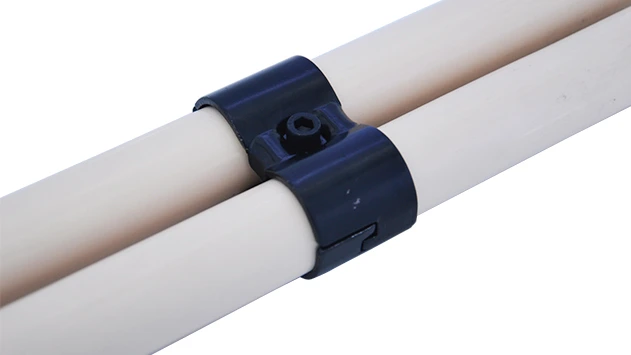
Parallel Lean Pipe Joint
Parallel lean pipe joint used for 2 pcs 28MM lean pipe connection in parallel direction to enhance frame structure, usually for heavy payload requirement for workbench. flow rack, hand trolley.
How Parallel Lean Pipe Joints Enable Quick Assembly of Lean Pipe Structures
Walk into any modern manufacturing facility, warehouse, or assembly plant, and you'll likely notice a common theme: efficiency isn't just a buzzword—it's the lifeblood of the operation. Every minute wasted on clunky processes, rigid workstations, or slow material handling eats into productivity, morale, and ultimately, the bottom line. For decades, teams on the floor have grappled with a frustrating reality: building the structures they need—whether workbenches, material racks, or conveyor systems—often takes longer than the work those structures are meant to support. Welding, bolting, and permanent fasteners turned assembly into a project, not a task. But then came lean systems, and with them, a quiet revolution in how we build: the parallel lean pipe joint .
In this article, we'll dive into the world of lean pipe structures, exploring how these unassuming joints have become the backbone of quick, flexible assembly. We'll look at their design, their impact on daily workflows, and why they've become indispensable for teams aiming to stay agile in a fast-paced industry. Whether you're a plant manager, a floor supervisor, or simply curious about the tools that keep production lines moving, understanding parallel lean pipe joints might just change how you see the equipment around you.
The Problem: Rigid Structures, Sluggish Assembly
Before lean systems took hold, the default approach to building industrial structures was simple: build it once, build it to last—even if that meant building it to never change. Workbenches were welded steel behemoths, material racks were bolted together with permanent fasteners, and conveyor systems were custom-fabricated for a single, fixed purpose. On paper, this made sense: durability was key, and "permanent" felt reliable. But in practice, it created a host of problems.
Imagine a small manufacturing team tasked with assembling a new workstation for a product launch. The design called for a 6-foot workbench with shelves, tool hooks, and a section for material storage. Using traditional methods, this might involve cutting steel pipes, welding them into a frame, drilling holes for shelves, and bolting everything down. Even with skilled workers, this could take a full day—if nothing went wrong. A miscalculation in measurements? Start over. A weld that didn't hold? Grind it down and try again. And if, six months later, the product line changed and the workstation needed to be shorter or taller? The team would either have to rebuild it from scratch or make do with a structure that no longer fit—wasting space, time, and resources.
This rigidity wasn't just about time. It was about adaptability. In an era where customer demands shift overnight and production lines need to pivot quickly, "permanent" became a liability. Workers grew frustrated with structures that couldn't evolve with their needs, and managers watched as valuable floor space was taken up by outdated, immovable equipment. There had to be a better way—and that's where lean pipe systems stepped in.
Lean Systems: Built for Flexibility, Powered by Lean Pipe
At its core, a lean system is about eliminating waste—whether that's wasted time, wasted space, or wasted effort. It's about designing workflows and tools that adapt to the work, not the other way around. And when it comes to building the physical structures that support these workflows, lean pipe (also called "lean tube") emerged as the perfect solution. Lightweight, strong, and infinitely versatile, lean pipe is typically made of aluminum, steel, or plastic-coated steel, designed to be easy to handle and connect. But lean pipe alone isn't enough. To truly enable flexibility, you need a way to connect those pipes quickly, securely, and—most importantly—temporarily. Enter the parallel lean pipe joint.
Think of lean pipe as the building blocks, and parallel lean pipe joints as the connectors that turn those blocks into something functional. Unlike traditional fasteners, these joints are designed with one goal in mind: to make assembly fast and reconfiguration even faster. They're the reason a team can assemble a lean pipe workbench in 30 minutes instead of 8 hours, or reconfigure a material rack in an afternoon to accommodate a new product line. But what exactly makes them so effective?
Inside the Design: What Makes Parallel Lean Pipe Joints Tick
Parallel lean pipe joints may look simple, but their design is a masterclass in industrial ergonomics. Let's break down their key features and why they matter:
1. No Special Tools Required
Gone are the days of hauling out welding torches, drills, or heavy wrenches. Most parallel lean pipe joints lock into place with a simple hand-tightened lever, a twist of a knob, or a quick-release pin. This means any worker—regardless of technical skill—can assemble or adjust a structure. On a busy floor, this eliminates bottlenecks: you don't need to wait for the maintenance team or a skilled welder to make a change. A line worker can reconfigure their own workstation during a shift if needed.
2. Rotating and Swiveling Components
Many parallel lean pipe joints feature rotating parts that allow pipes to pivot or swivel before locking. This is a game-changer for alignment. Instead of measuring and remeasuring to ensure pipes are perfectly parallel, workers can adjust the angle on the fly. For example, when building a shelf, you can position the crossbars, twist the joint to align the holes, and lock it—no hammering or prying required. This not only speeds up assembly but reduces frustration; there's no more "almost there" struggle with misaligned parts.
3. Durable, Lightweight Materials
Most parallel lean pipe joints are made from aluminum or high-grade plastic, striking a balance between strength and weight. Aluminum joints, in particular, offer corrosion resistance (critical in humid or dusty environments) and a smooth finish that won't scratch pipes or damage materials. This durability means joints can be reused dozens of times—even after being taken apart and reassembled—without losing their grip or structural integrity.
4. Modular by Design
Parallel lean pipe joints aren't just for connecting two pipes. Many are part of a broader ecosystem of lean pipe accessories : T-joints, elbow joints, and corner brackets that work seamlessly with parallel joints to create complex structures. This modularity means you can build almost anything—from a simple trolley to a multi-tiered material rack—using the same basic components. It also reduces inventory costs: instead of stocking specialized parts for every project, you stock a few types of joints and pipes, and mix-and-match as needed.
From Hours to Minutes: The Assembly Revolution
To truly appreciate the impact of parallel lean pipe joints, let's compare traditional assembly with lean pipe assembly using these joints. The difference isn't just incremental—it's transformative.
| Aspect | Traditional Assembly (Welding/Bolting) | Lean Pipe Assembly (Parallel Joints) |
|---|---|---|
| Time to Assemble a Basic Workbench | 4–8 hours (including cutting, welding, drilling) | 20–30 minutes (no cutting or permanent fasteners) |
| Tools Required | Welder, drill, wrench, angle grinder, measuring tape | Hand-tightened lever or hex key (often included with joints) |
| Reconfigurability | Nearly impossible; requires cutting/welding new parts | Easy: Disassemble, adjust, and reassemble in minutes |
| Skill Level Needed | Skilled welder or fabricator | Any worker with basic training |
| Waste Generated | Scrap metal, welding fumes, excess materials | None—parts are reusable and no cutting is needed |
Take the example of a lean pipe workbench , one of the most common structures in manufacturing. With parallel lean pipe joints, here's how the assembly might go: A worker starts with four vertical pipes (the legs) and attaches parallel joints at the top and bottom to connect horizontal crossbars. The joints twist into place, locking the frame in seconds. Next, they add shelf supports using T-joints, sliding them up or down the vertical pipes to adjust height, then locking them with a quick turn. Finally, they lay a plywood or aluminum top on the frame, securing it with clamp-on brackets (another lean pipe accessory). Total time? 25 minutes. No welding, no drilling, no cleanup. And if next month the team needs a shelf added or the workbench shortened? They can take it apart, adjust the joints, and have it back in service in 10 minutes.
This speed isn't just about convenience. It's about responsiveness. When a new order comes in with tight deadlines, or a machine breakdown requires a temporary work area, teams don't have to wait for structures to be built—they can assemble them on the spot. This agility turns potential delays into minor speed bumps, keeping production on track and workers confident in their ability to adapt.
Beyond Assembly: The Ripple Effects of Quick, Flexible Structures
The benefits of parallel lean pipe joints extend far beyond the assembly line. They touch everything from team morale to bottom-line costs, creating a ripple effect that transforms how a facility operates.
1. Reduced Downtime, Increased Productivity
When assembly takes hours instead of days, downtime plummets. A 20-minute workbench assembly means a new production line can start sooner, or a broken material rack can be replaced during a lunch break instead of halting work for a shift. Over time, these small time savings add up: a facility that assembles 10 structures a month could save hundreds of labor hours annually—hours that can be redirected to actual production.
2. Empowered Workers
There's a psychological boost to being able to build or adjust your own workspace. When workers can modify a workbench to fit their height, add a shelf for frequently used tools, or reconfigure a material rack to reduce bending, they feel valued—and valued workers are more engaged. This engagement translates to better attention to detail, fewer errors, and lower turnover. As one floor supervisor put it: "When you don't have to ask permission to fix something that bugs you, you take more pride in your work."
3. Sustainable Practices
Lean systems are inherently sustainable, and parallel lean pipe joints amplify that. By enabling reuse and reconfiguration, they reduce waste: no more scrapping a perfectly good workbench because it's the wrong size. Many joints are also recyclable, and aluminum components have a low carbon footprint compared to steel welding. For facilities aiming to reduce their environmental impact, this is a win-win: sustainability and efficiency go hand in hand.
4. Scalability for Small and Large Teams Alike
Whether you're a startup with a handful of workers or a multinational corporation with thousands, parallel lean pipe joints scale to your needs. Small teams can start with a few basic joints and pipes, building only what they need, then expand as they grow. Larger facilities can standardize on joint types, ensuring consistency across departments while still allowing for customization. This scalability makes lean pipe systems accessible to almost any operation, regardless of size or budget.
Real-World Impact: A Case Study
To put this in perspective, let's look at a real example: a mid-sized electronics manufacturer in the Midwest that switched to lean pipe structures with parallel joints three years ago. Before the switch, their assembly line relied on custom-welded workbenches and static material racks. When they introduced a new smartphone model, the production line needed to be reconfigured to accommodate smaller components and tighter tolerances. The old process would have required rebuilding 12 workbenches—work that would take two weeks and cost $15,000 in labor and materials.
Instead, the team used lean pipe, parallel joints, and a few basic accessories. They disassembled the existing workbenches, cut the pipes to the new lengths (using a simple pipe cutter, not a saw), and reassembled them with parallel joints. The entire project took three days and cost $2,000—saving $13,000 and getting the new line up and running two weeks early. But the biggest surprise? The workers loved it. "We didn't just build workbenches," the plant manager noted. "We built a sense of ownership. The team suggested tweaks to the design—adding tool rails, adjusting shelf heights—that made the line even more efficient. That kind of input never happened when we were stuck with welded structures."
Choosing the Right Parallel Lean Pipe Joints: What to Look For
If you're considering integrating parallel lean pipe joints into your operations, there are a few key factors to keep in mind. Not all joints are created equal, and choosing the right ones can make a big difference in performance and longevity.
1. Compatibility with Your Lean Pipes
Most lean pipes come in standard diameters (1.5 inches is common), but double-check that the joints you choose are designed for your pipe size. A joint that's too loose will slip; one that's too tight will damage the pipe or be impossible to lock.
2. Load Capacity
Consider what you'll be building. A light-duty workbench for small parts won't need the same joint strength as a material rack holding 500-pound crates. Look for load ratings in the product specs—reputable suppliers will list maximum weight capacities for each joint type.
3. Environmental Resistance
If your facility is humid, dusty, or exposed to chemicals, opt for corrosion-resistant joints (aluminum or stainless steel). For cleanrooms or electronics manufacturing, plastic joints may be preferable to avoid static buildup.
4. Ease of Use
Test a few joints before buying in bulk. Do they lock smoothly? Can they be adjusted with one hand? The best joints feel intuitive—if your workers struggle with them during training, they'll resist using them on the floor.
The Future: Lean Pipe Joints and the Next Generation of Manufacturing
As manufacturing continues to evolve—with automation, AI, and flexible production models—parallel lean pipe joints are poised to play an even bigger role. Imagine a facility where robots and humans collaborate, and workstations reconfigure automatically based on real-time production data. With their quick assembly and adaptability, parallel lean pipe joints could be the physical backbone of this smart factory, allowing structures to change as quickly as the data does.
Already, we're seeing innovations: joints with built-in sensors that alert maintenance when they're loose, or 3D-printed custom joints for specialized applications. But even without high-tech add-ons, the core value of parallel lean pipe joints remains: they put the power of assembly back into the hands of the people who use the structures, making work easier, faster, and more fulfilling.
Final Thoughts: The Unsung Hero of Lean Systems
In the world of manufacturing, it's easy to get excited about big-ticket innovations: robots, AI, state-of-the-art machinery. But sometimes, the most impactful tools are the small ones—the ones that make the daily grind a little smoother, a little faster, a little less frustrating. Parallel lean pipe joints are exactly that: unsung heroes that turn rigid, time-consuming assembly into a quick, flexible, and even empowering task.
They remind us that lean systems aren't just about efficiency—they're about respect for people. When we give workers the tools to build the spaces they need, we're telling them: "Your time matters. Your ideas matter. Your work matters." And in the end, that's the most powerful form of efficiency there is.
So the next time you walk through a factory floor and see a lean pipe workbench, a material rack, or a conveyor system, take a closer look. Chances are, there's a parallel lean pipe joint holding it all together—quietly, reliably, and ready to adapt. Because in manufacturing, as in life, the best solutions are the ones that work with you, not against you.