- Company Articles
- Products and Technology
- Product knowledge
- How Parallel Lean Pipe Joints Reduce Assembly Time in Conveyor Systems

How Parallel Lean Pipe Joints Reduce Assembly Time in Conveyor Systems
Related Product
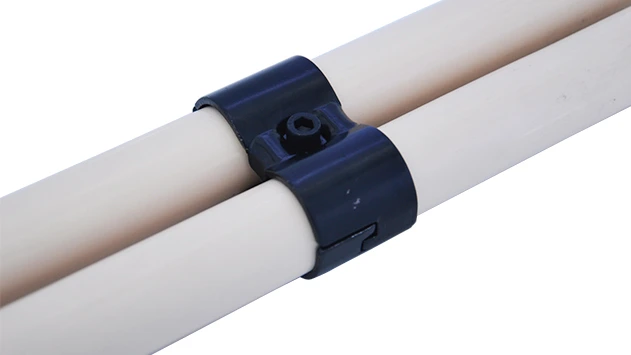
Parallel Lean Pipe Joint
Parallel lean pipe joint used for 2 pcs 28MM lean pipe connection in parallel direction to enhance frame structure, usually for heavy payload requirement for workbench. flow rack, hand trolley.
In the fast-paced world of manufacturing, every minute counts. For production managers, supervisors, and frontline teams, the struggle to meet tight deadlines while maintaining quality is a daily reality. Nowhere is this tension more palpable than in the assembly of conveyor systems—the backbone of efficient material flow in factories, warehouses, and distribution centers. Traditional conveyor assembly methods, reliant on welding, bolts, or cumbersome fasteners, often become bottlenecks, eating into valuable time and draining team morale. But what if there was a component that could cut assembly time in half, simplify workflows, and empower teams to build and reconfigure conveyors with ease? Enter the parallel lean pipe joint—a small but mighty innovation that's transforming how we approach conveyor system assembly.
What Are Parallel Lean Pipe Joints? A Closer Look
Before diving into their time-saving magic, let's demystify parallel lean pipe joints. These unassuming components are part of the broader family of lean pipe systems—modular building blocks designed to create customizable structures like conveyors, workbenches, and material racks. Unlike rigid, one-size-fits-all solutions, lean pipe systems thrive on flexibility, using lightweight pipes (often aluminum lean pipe or steel) and connectors to build structures that adapt to evolving needs.
Parallel lean pipe joints, as the name suggests, are specialized connectors engineered to join two or more lean pipes in parallel alignment. Think of them as the "hinges" that hold a conveyor's frame together, but with a twist: they're designed for speed. Most parallel joints feature a snap-fit or quick-lock mechanism, allowing workers to connect pipes without welding torches, power tools, or even a deep toolbox. Many are made from durable materials like aluminum or reinforced plastic, striking a balance between strength and lightweight maneuverability.
But their design isn't just about speed—it's about precision. Modern parallel lean pipe joints often include built-in alignment guides, ensuring pipes sit perfectly straight or at exact angles (90°, 45°, etc.) without guesswork. This attention to detail reduces errors during assembly, which in turn cuts down on rework time. For teams tired of measuring, remeasuring, and adjusting misaligned pipes, this is a game-changer.
Traditional Assembly Pain Points: Why Old Methods Slow You Down
To appreciate the impact of parallel lean pipe joints, it helps to first understand the frustrations of traditional conveyor assembly. Let's walk through a typical scenario with old-school methods:
Welding: Once the gold standard for conveyor frames, welding is labor-intensive and unforgiving. A single joint can take 10–15 minutes to prep, weld, and cool—assuming the welder is skilled and the equipment is working. Mistakes mean grinding down the weld and starting over, adding even more time. Worse, welded joints are permanent; if the conveyor needs reconfiguring (e.g., to accommodate a new product line), the entire section must be cut apart and rebuilt.
Bolted Connections: Bolts offer more flexibility than welding but come with their own headaches. Each bolt requires drilling precise holes, aligning parts, inserting washers, and tightening with a wrench—steps that add up when assembling a 20-foot conveyor. Over time, bolts can loosen due to vibration, leading to wobbly structures and costly maintenance. And let's not forget the hunt for lost nuts or stripped threads mid-assembly—a common time-sink in busy workshops.
Glued or Riveted Joints: Glue requires curing time (sometimes hours), and rivets demand specialized tools and force, making them impractical for quick assembly. Both are also difficult to disassemble, limiting adaptability.
These methods don't just slow down assembly—they drain team energy. Workers spend less time on value-adding tasks (like testing conveyor flow or optimizing workflows) and more time wrestling with tools and corrections. For production managers, this translates to missed deadlines, overtime costs, and frustrated teams.

How Parallel Lean Pipe Joints Cut Assembly Time: The Mechanics
So, what makes parallel lean pipe joints so much faster? Let's break down the mechanics:
Tool-Free (or Minimal-Tool) Assembly: Most parallel lean pipe joints are designed for "click-and-go" installation. For example, a standard aluminum parallel joint might feature a spring-loaded clamp that snaps onto the lean pipe, securing it with a simple twist or lever. No welding, no drilling, no wrenches—just a firm push and a click. Even joints that require tools often use common, lightweight tools like hex keys, which workers can carry in a pocket. This eliminates the need to haul heavy equipment to the assembly site, saving precious minutes.
Self-Aligning Design: Many parallel joints include built-in ridges, grooves, or markers that guide the lean pipe into perfect position. For instance, a 90° parallel joint might have a raised edge that ensures the two pipes meet at a precise right angle, eliminating the need for rulers or levels. This not only speeds up assembly but also reduces errors—no more "eyeballing" angles and hoping for the best.
Modular Compatibility: Parallel lean pipe joints play well with other lean components, like roller track and workbench accessories. A single joint can connect a conveyor frame to a roller track section, which in turn attaches to a workbench—all without custom adapters. This seamless integration means workers don't waste time hunting for compatible parts or modifying components to fit.
To put this in perspective, let's compare assembly times for a small conveyor section (10 joints) using traditional methods vs. parallel lean pipe joints:
| Assembly Method | Time per Joint | Total Time for 10 Joints | Error Rate (Estimated) |
|---|---|---|---|
| Welding | 10–15 minutes | 100–150 minutes (1.7–2.5 hours) | 15–20% (requires rework) |
| Bolted Connections | 5–8 minutes | 50–80 minutes (0.8–1.3 hours) | 10–12% (stripped bolts, misalignment) |
| Parallel Lean Pipe Joints | 1–2 minutes | 10–20 minutes (0.2–0.3 hours) | 2–3% (minimal rework) |
The numbers speak for themselves: a 10-joint conveyor section that once took 2.5 hours to weld can now be assembled in 20 minutes with parallel lean pipe joints. Multiply that by a full conveyor line (which might have 50+ joints), and the time savings climb into hours—or even days.

Beyond Speed: Additional Benefits of Parallel Lean Pipe Joints
While reducing assembly time is the headline benefit, parallel lean pipe joints offer other advantages that make them a smart long-term investment:
Reconfigurability: In today's dynamic manufacturing environments, conveyor systems need to adapt. A product line might shrink, expand, or change direction overnight. Parallel lean pipe joints make reconfiguration a breeze—simply unsnap the joint, adjust the pipes, and reattach. No cutting, welding, or replacing parts. This flexibility future-proofs your conveyor system, ensuring it grows with your needs.
Durability: Don't let their ease of use fool you—parallel lean pipe joints are built to last. High-quality aluminum or stainless steel joints resist corrosion, even in humid or dusty factory environments. Reinforced plastic joints (often used for lighter loads) are impact-resistant and won't rust. This durability reduces maintenance time and replacement costs over the conveyor's lifespan.
Safety: Traditional assembly methods come with risks: welding sparks can start fires, sharp bolt edges can cause cuts, and heavy tools increase strain injuries. Parallel lean pipe joints eliminate many of these hazards. No open flames, no sharp edges, and minimal tool use mean a safer workspace for your team. Plus, the precise alignment reduces wobbly or unstable conveyors, lowering the risk of accidents during operation.
Cost Savings: Faster assembly means less labor time, which directly cuts costs. But the savings don't stop there: reconfigurable joints reduce the need to buy new conveyors when workflows change, and durable materials lower maintenance expenses. Over time, these savings can far outweigh the initial investment in lean pipe components.
Real-World Impact: A Case Study in Automotive Manufacturing
The Challenge: A Mid-Sized Automotive Parts Plant Struggles with Assembly Delays
A mid-sized automotive parts manufacturer in the Midwest was facing a critical problem: their conveyor assembly process for a new brake component line was taking 12 hours per line, pushing production deadlines and requiring weekend overtime. The team was using bolted steel frames, which involved drilling holes, aligning brackets, and tightening dozens of bolts—often with misalignments that required rework. Morale was low, and the plant manager needed a solution fast.
The Solution: Switching to Parallel Lean Pipe Joints and Aluminum Lean Pipe
After researching lean manufacturing solutions, the plant manager partnered with a lean pipe supplier to test a new approach: replacing steel frames with aluminum lean pipe and using parallel lean pipe joints for assembly. The team received a half-day training session on the new components, then set to work assembling a test conveyor line.
The Results: 67% Faster Assembly and Happier Teams
The results were staggering. The first test line, which previously took 12 hours to assemble with bolts, was built in just 4 hours using parallel lean pipe joints. Misalignments dropped from 15% to 2%, and rework time fell to near-zero. Workers reported less fatigue, as they no longer had to wrestle with heavy tools or bend over to drill holes. Within a month, the plant had converted all new conveyor lines to the lean pipe system, eliminating weekend overtime and meeting production deadlines consistently.
This case study isn't an anomaly. Across industries—from electronics to food packaging—manufacturers are reporting similar gains after adopting parallel lean pipe joints. The key takeaway? Speed, flexibility, and simplicity aren't just "nice-to-haves"—they're essential for staying competitive in today's manufacturing landscape.
Choosing the Right Parallel Lean Pipe Joints for Your Conveyor System
Not all parallel lean pipe joints are created equal. To maximize assembly time savings, it's important to choose the right joints for your specific needs. Here are key factors to consider:
Load Capacity: Conveyors carry different weights—from lightweight electronics to heavy automotive parts. Ensure the joint's load rating matches your needs. For heavy loads, opt for aluminum or stainless steel joints; for lighter loads, reinforced plastic may suffice.
Pipe Compatibility: Lean pipes come in various diameters (e.g., 28mm, 30mm). Check that the joint fits your pipe size—most suppliers clearly label this (e.g., "for 28mm aluminum lean pipe").
Environmental Conditions: If your factory is humid, dusty, or exposed to chemicals, choose corrosion-resistant materials like stainless steel or anodized aluminum. For cleanrooms (e.g., pharmaceutical manufacturing), look for joints with smooth surfaces that are easy to sanitize.
Supplier Reliability: Work with a trusted lean pipe supplier who offers consistent quality and quick delivery. A reliable supplier can also provide technical support, helping you choose the right joints for your conveyor design.
Don't hesitate to request samples before committing. Testing a few joints with your lean pipe and roller track can help you confirm fit, ease of use, and durability.
Future Trends: The Evolving Role of Lean Components in Conveyor Design
As manufacturing continues to evolve, so too will lean pipe components like parallel joints. Here are a few trends to watch:
Smart Joints with Sensors: Imagine a parallel lean pipe joint with built-in sensors that monitor tension, temperature, or vibration. These "smart joints" could alert maintenance teams to loose connections or wear before they cause breakdowns, further reducing downtime.
3D-Printed Custom Joints: For unique conveyor designs, 3D printing could allow suppliers to create custom parallel joints in hours, not weeks. This would enable even more flexibility in conveyor design.
Lightweight Composites: New composite materials (e.g., carbon fiber-reinforced plastic) could make joints even lighter and stronger, reducing worker fatigue and increasing load capacity.
These innovations will build on the time-saving foundation of today's parallel lean pipe joints, making conveyor assembly faster, smarter, and more adaptable than ever.
Conclusion: Building Faster, Smarter Conveyors with Parallel Lean Pipe Joints
In the race to meet production goals, conveyor assembly time is a critical battleground. Traditional methods—welding, bolts, and glue—have long slowed teams down, draining time, energy, and resources. Parallel lean pipe joints change the game. With their tool-free assembly, self-aligning design, and modular flexibility, they cut assembly time by 50% or more, while improving safety, durability, and adaptability.
Whether you're building a new conveyor line or upgrading an existing one, parallel lean pipe joints offer a clear path to faster, smarter manufacturing. They empower your team to focus on what matters: optimizing workflows, improving product quality, and meeting deadlines—without the headache of slow, frustrating assembly.
The future of conveyor systems isn't just about moving materials—it's about moving them efficiently, flexibly, and quickly. And with parallel lean pipe joints, that future is already here.