How Parallel Rotatory Lean Pipe Joint Chrome Enhances Workbench Ergonomics

Related Product
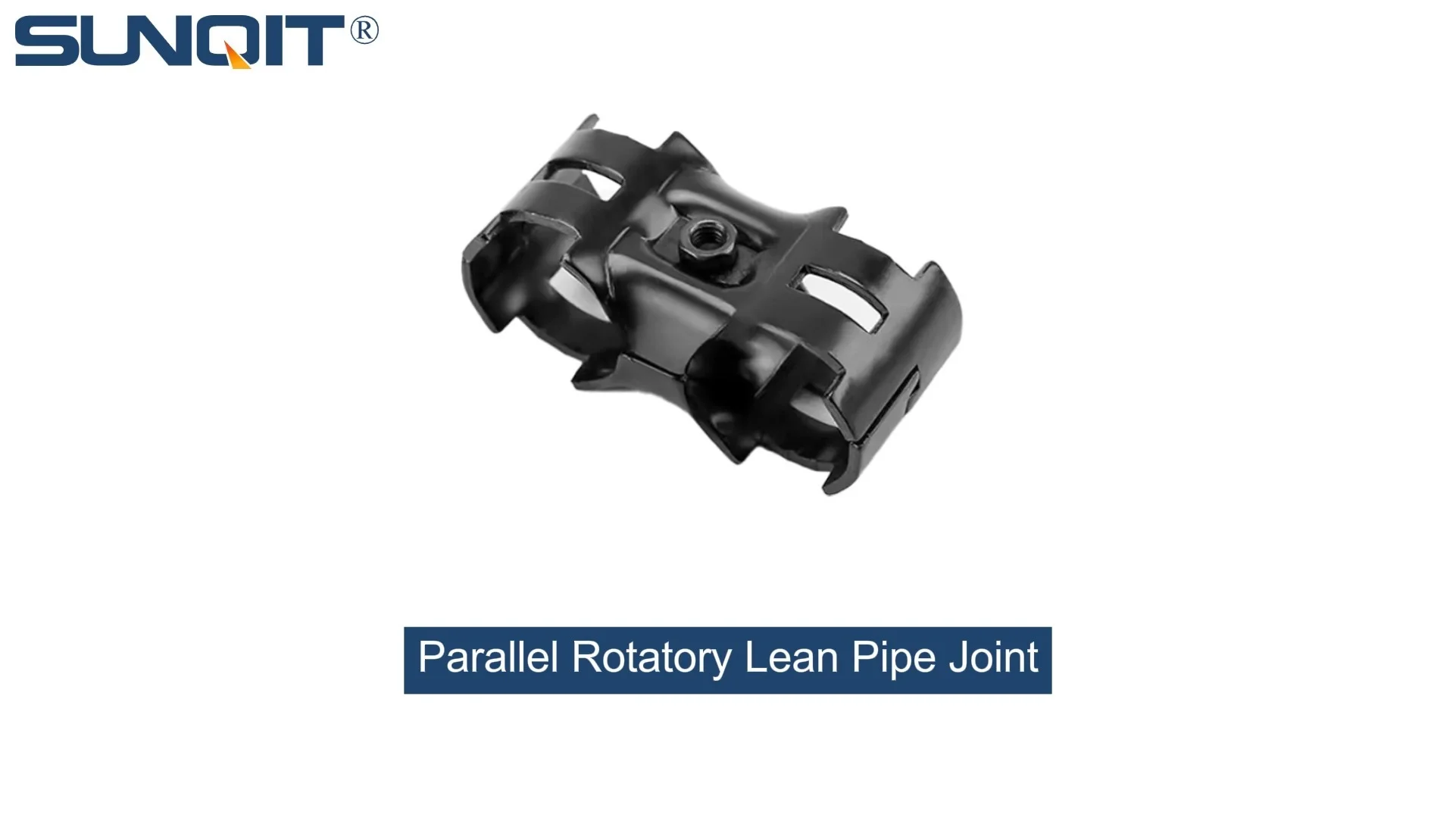
Parallel Rotatory Lean Pipe Joint
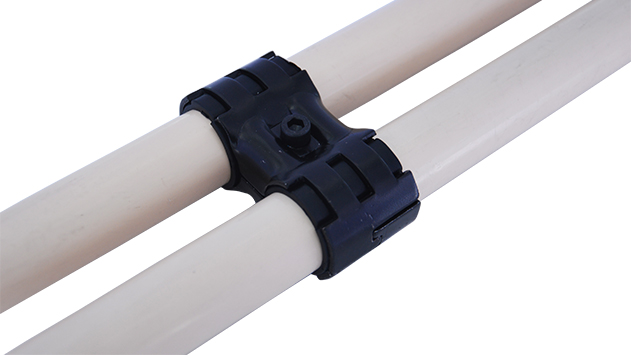
Parallel rotatory lean pipe joint, for 2 pcs pipe conenction in parallel direction with rotatory function.
Parallel Rotatory Lean Pipe Joint

The unsung hero of flexible, worker-centric manufacturing setups

The Hidden Cost of Rigid Workbenches

Walk into any bustling manufacturing plant, warehouse, or assembly line, and you'll quickly notice a silent productivity killer: workbenches that feel like afterthoughts. They're too tall for some workers, too short for others. Shelves are fixed at awkward heights, forcing employees to stretch, hunch, or twist just to grab a tool or part. Tools lie scattered because there's no easy way to reconfigure the layout for a new task. Over time, these small daily frustrations add up. A study by the National Institute for Occupational Safety and Health (NIOSH) found that musculoskeletal disorders (MSDs) —like back pain, carpal tunnel, or shoulder strain—account for nearly 30% of workplace injuries, many tied to poorly designed workstations. The culprit? Rigidity. Traditional workbenches are built to last, but not to adapt. And in an era where manufacturing demands flexibility—smaller batches, faster changeovers, and worker well-being—rigidity is no longer acceptable.

Enter lean manufacturing: a philosophy built on eliminating waste, streamlining processes, and prioritizing efficiency. At the heart of lean systems are tools and components that adapt to human needs, not the other way around. One such component, often overlooked but critical, is the parallel rotatory lean pipe joint chrome . This small, unassuming part is transforming workbenches from static obstacles into dynamic, worker-friendly hubs. In this article, we'll explore how this joint works, why it matters for ergonomics, and how it fits into the broader ecosystem of lean pipe systems—including lean pipe workbench setups, aluminum profile frameworks, and even roller track and caster wheel accessories.

What Is a Parallel Rotatory Lean Pipe Joint Chrome?

To understand the value of the parallel rotatory lean pipe joint chrome, let's start with the basics: lean pipe systems. These systems use lightweight, modular pipes (often steel, aluminum, or stainless steel) and connectors to build custom workbenches, material racks, trolleys, and more. Unlike fixed furniture, they're designed to be reconfigured quickly—no welding, no drilling, just simple joints that lock pipes into place. And at the center of this flexibility are the joints.

The parallel rotatory lean pipe joint chrome is a specialized connector engineered for movement. Its name gives away its key features: "parallel" because it connects pipes in a side-by-side arrangement, "rotatory" because it allows those pipes to pivot around each other, and "chrome" for its corrosion-resistant plating. Picture two pipes running parallel—say, the vertical supports of a workbench shelf. With a standard fixed joint, those pipes stay rigid; the shelf is locked in one position. But with a parallel rotatory joint, the shelf can swivel up, down, or sideways, rotating around the pipes to align with the worker's reach. Once in place, a simple tightening mechanism (often a hex key or hand screw) locks it securely, ensuring stability even under load.

But why chrome? In manufacturing environments—where oil, coolant, and humidity are common—corrosion is a constant threat. Chrome plating adds a hard, smooth layer that resists rust and wear, extending the joint's lifespan. It also reduces friction during rotation, making adjustments smoother. For workers, this means less effort to reposition components and fewer stuck joints that require brute force to move.

Ergonomics 101: Why Workbench Design Matters for Workers

Ergonomics isn't just a buzzword—it's the science of designing tools and workspaces to fit the human body. When workbenches are ergonomically optimized, workers experience less fatigue, fewer injuries, and higher job satisfaction. The result? Boosted productivity and lower turnover. But what makes a workbench "ergonomic"? Experts point to four key principles:

  • Neutral Posture: Workers should be able to stand or sit with their spine straight, shoulders relaxed, and elbows at a 90° angle. Avoiding awkward positions (like bending the neck to look up or hunching to reach down) reduces strain on muscles and joints.
  • Reachability: Frequently used tools and materials should be within "easy reach"—no more than 15–20 inches from the worker's body. Overreaching strains the shoulders and back over time.
  • Adjustability: Workbenches should adapt to different body types. A 5'2" operator and a 6'4" operator have very different needs; one-size-fits-all setups force one (or both) to compromise.
  • Movement Support: Work isn't static—tasks change, and workers move. Workbenches should accommodate this by allowing quick reconfiguration without disrupting workflow.

Traditional workbenches often fail on all four counts. Their heights are fixed, shelves are bolted into place, and reconfiguring requires tools, time, and often a maintenance team. For example, a workbench e (single deck-without caster) —a common model in many factories—might come with a static shelf 30 inches above the work surface. For a tall worker, that shelf is too low, forcing them to bend; for a shorter worker, it's too high, leading to shoulder strain. Over weeks and months, these small misalignments add up to chronic pain and lost productivity.

How Parallel Rotatory Lean Pipe Joint Chrome Solves These Problems

The parallel rotatory lean pipe joint chrome isn't a silver bullet, but it's a powerful tool for addressing these ergonomic gaps. Let's break down how it enhances each of the four key principles:

1. Supporting Neutral Posture with Adjustable Heights

Imagine a workbench where the tool shelf can pivot up or down with a simple twist. That's exactly what the parallel rotatory joint enables. For a worker assembling small electronics, lowering the shelf to elbow height keeps their shoulders relaxed and neck straight. For someone working on larger parts, raising it to eye level avoids bending forward. The joint's rotation range—typically 180° or more—means there's no "one right position"; instead, there's a "right position for this worker, this task."

Take Maria, an assembly line worker at a small appliance factory. Before her team switched to lean pipe workbenches with parallel rotatory joints, she spent 8 hours a day hunched over a fixed shelf to access screws and washers. "My upper back ached so badly I could barely sleep," she recalls. After the upgrade, she adjusted her shelf to chest height. "Now I stand straight, and the pain's gone. I even have more energy at the end of the day."

2. Expanding Reachability with Swiveling Components

Frequently used items shouldn't require stretching—but in many workbenches, they do. A parallel rotatory joint changes that by letting shelves, tool hangers, or even the work surface itself swivel toward the worker. For example, a parts bin mounted on a joint can pivot from the back of the bench to the front, putting components within arm's reach. No more leaning across the bench or twisting to grab items.

This is especially valuable in lean pipe workbench setups paired with roller track systems. Roller tracks (which use small wheels to slide parts smoothly across the bench) reduce the need to lift heavy items, but they're only effective if the track is positioned correctly. With a parallel rotatory joint, the roller track can angle toward the worker, ensuring parts glide directly into their hands—not off to the side.

3. Enabling Quick Adjustments for Diverse Teams

Manufacturing teams are diverse, with workers of different heights, strengths, and preferences. A workbench that works for one person might be a hassle for the next. The parallel rotatory joint solves this with tool-free adjustability. Unlike fixed joints that require wrenches or screwdrivers, most parallel rotatory joints use a hand-tightened knob or lever. Workers can tweak their setup in seconds—no maintenance request needed.

Consider a shift change at a automotive parts plant. The morning shift operator, who is 6'1", sets the workbench shelf to 40 inches. When the afternoon shift operator, who is 5'4", arrives, she simply twists the joint, lowers the shelf to 34 inches, and locks it. No downtime, no frustration—just a workspace that adapts to her .

4. Supporting Dynamic Workflows with Flexible Reconfiguration

Modern manufacturing thrives on agility. A workbench that assembles smartphone cases in the morning might need to switch to laptop components by afternoon. With rigid workbenches, this means disassembling and rebuilding—wasting precious time. The parallel rotatory joint turns reconfiguration into a quick, intuitive process.

For example, a team assembling medical devices might need to add a second shelf for sterilized tools mid-shift. With a parallel rotatory joint, they can pivot an existing shelf out of the way, attach a new one, and adjust its angle—all in under five minutes. No need to take the bench apart or call in a technician. This flexibility isn't just about speed; it's about empowering workers to own their workspace, boosting engagement and creativity.

Beyond the Joint: How It Fits into a Lean Ecosystem

The parallel rotatory lean pipe joint chrome doesn't work in isolation. It's part of a broader ecosystem of lean components that together create truly adaptable workspaces. Let's look at how it pairs with other key elements:

Aluminum Profile: Lightweight Strength for Modern Workbenches

While lean pipe systems traditionally use steel pipes, many manufacturers now opt for aluminum profile due to its lighter weight and corrosion resistance. Aluminum pipes are easier to maneuver, making adjustments (even with heavy components) less strenuous for workers. The parallel rotatory joint chrome pairs seamlessly with aluminum profile, as its chrome plating resists the slight friction of aluminum-on-steel contact during rotation. For example, a workbench frame built with 20mm aluminum profile and parallel rotatory joints is both sturdy enough to hold tools and light enough for one person to reconfigure.

Caster Wheels: Mobility Meets Adjustability

Some workbenches, like the workbench e (single deck-without caster) , are stationary by design. But for many teams, mobility is key—especially in facilities where tasks move between stations. Adding caster wheels to a lean pipe workbench lets workers roll it to where it's needed. When paired with parallel rotatory joints, this mobility becomes even more powerful: roll the bench into place, lock the casters, then adjust shelves and components to fit the new location. It's like having a custom workspace that can go anywhere.

Roller Track: Smooth Material Flow, Reduced Strain

Roller track systems use rows of small wheels to move parts across the workbench, eliminating the need to lift or drag heavy items. When mounted on parallel rotatory joints, roller tracks can angle toward the worker, ensuring parts glide directly into their hands. For example, in a electronics assembly line, a roller track might pivot from horizontal to a 15° angle, guiding circuit boards gently toward the worker's reach. This reduces bending and twisting, further cutting down on MSD risk.

How Does It Compare to Other Lean Pipe Joints?

Not all lean pipe joints are created equal. To understand why the parallel rotatory lean pipe joint chrome stands out, let's compare it to three common alternatives:

Joint Type Flexibility Load Capacity Ergonomic Benefits Best Use Case
Parallel Rotatory Lean Pipe Joint Chrome High (180°+ rotation; parallel pipe adjustment) Medium-High (50–100 lbs per joint) Adjustable heights, swiveling components, tool-free reconfiguration Lean pipe workbenches, dynamic assembly stations, multi-worker setups
180° Fixed Lean Pipe Joint Low (locks pipes in a straight line; no rotation) High (100–150 lbs per joint) None—static positioning only Fixed shelving, rigid frames, heavy-load racks
Vertical Lean Pipe Joint Medium (adjusts height; no rotation around pipes) Medium (75–125 lbs per joint) Height adjustment, but limited to vertical movement Single-worker workbenches, fixed-height tool racks
90° Crossing Lean Pipe Joint Low (locks pipes at 90° angles; no movement) High (125–200 lbs per joint) None—strictly structural Corner supports, frame bracing, heavy-duty trolleys

The table tells a clear story: while fixed joints excel at structural support, they offer no ergonomic benefits. Vertical joints add height adjustability but lack the rotation needed for dynamic workflows. The parallel rotatory lean pipe joint chrome, by contrast, balances flexibility, strength, and ergonomics—making it ideal for workbenches where workers' needs come first.

Case Study: A Small Manufacturer's Ergonomic Transformation

Company: Precision Parts Co., a 50-person manufacturer of aerospace components.

Problem: High turnover and frequent worker complaints about back and shoulder pain. An internal survey found 70% of employees cited "uncomfortable workbenches" as a top frustration.

Solution: Replaced 10 traditional wooden workbenches with lean pipe workbenches featuring parallel rotatory lean pipe joint chrome, aluminum profile frames, and roller track systems.

Results:

  • After 3 months, worker-reported pain decreased by 62%.
  • Turnover dropped by 40% in the assembly department.
  • Reconfiguration time for batch changes fell from 2 hours to 15 minutes.
  • Productivity (parts per hour) increased by 18% due to reduced downtime and fatigue.

Quote from Operations Manager, John Lee: "We thought we were 'saving money' by keeping old workbenches. But the cost of turnover and lost productivity was killing us. The parallel rotatory joints were a small investment, but they made our workers feel valued. And when workers feel valued, they perform better."

Choosing the Right Joint: Key Considerations for Buyers

Not all parallel rotatory lean pipe joints are created equal. When selecting joints for your workbenches, keep these factors in mind:

  • Load Capacity: Check the joint's weight rating. Most chrome-plated steel joints handle 50–100 lbs, but heavier-duty models (for tools or large parts) may go higher.
  • Rotation Range: Look for joints that rotate at least 180° for maximum flexibility. Some models offer 360° rotation, which is ideal for multi-directional adjustments.
  • Locking Mechanism: Ensure the joint locks securely after adjustment. Loose joints can lead to instability, which is dangerous for workers and parts.
  • Corrosion Resistance: Chrome plating is a must for humid or oily environments. For food-grade or medical facilities, consider stainless steel joints.
  • Compatibility: Make sure the joint fits your existing lean pipes (steel, aluminum, etc.). Most joints are designed for standard pipe diameters (1.5" is common), but double-check before buying.

It's also worth partnering with a reputable lean pipe supplier who can help you design a system tailored to your needs. A good supplier will consider your workflow, worker heights, and common tasks to recommend the right mix of joints, pipes, and accessories.

Conclusion: The Joint That Puts Workers First

In the world of manufacturing, it's easy to focus on big-ticket equipment—robots, conveyor belts, high-tech machinery. But the true measure of a productive, sustainable facility lies in the details: the small components that make workers' daily lives easier. The parallel rotatory lean pipe joint chrome is one such detail. It's not flashy, but it's transformative.

By enabling adjustable, flexible workbenches, this joint turns static workspaces into dynamic, worker-centric hubs. It reduces strain, cuts down on injuries, and empowers teams to adapt quickly to changing tasks. When paired with aluminum profile, roller track, and caster wheel systems, it becomes part of a lean ecosystem that prioritizes both efficiency and people.

So the next time you walk through a manufacturing facility, take a closer look at the workbenches. Are they rigid and unforgiving, or do they move and adapt like the workers using them? The answer might just come down to a small, chrome-plated joint—quietly revolutionizing how work gets done.


Get In Touch with us

Hey there! Your message matters! It'll go straight into our CRM system. Expect a one-on-one reply from our CS within 7×24 hours. We value your feedback. Fill in the box and share your thoughts!