- Company Articles
- Products and Technology
- Product knowledge
- How Parallel Rotatory Lean Pipe Joint Chrome Improves Workstation Flexibility

How Parallel Rotatory Lean Pipe Joint Chrome Improves Workstation Flexibility
Related Product
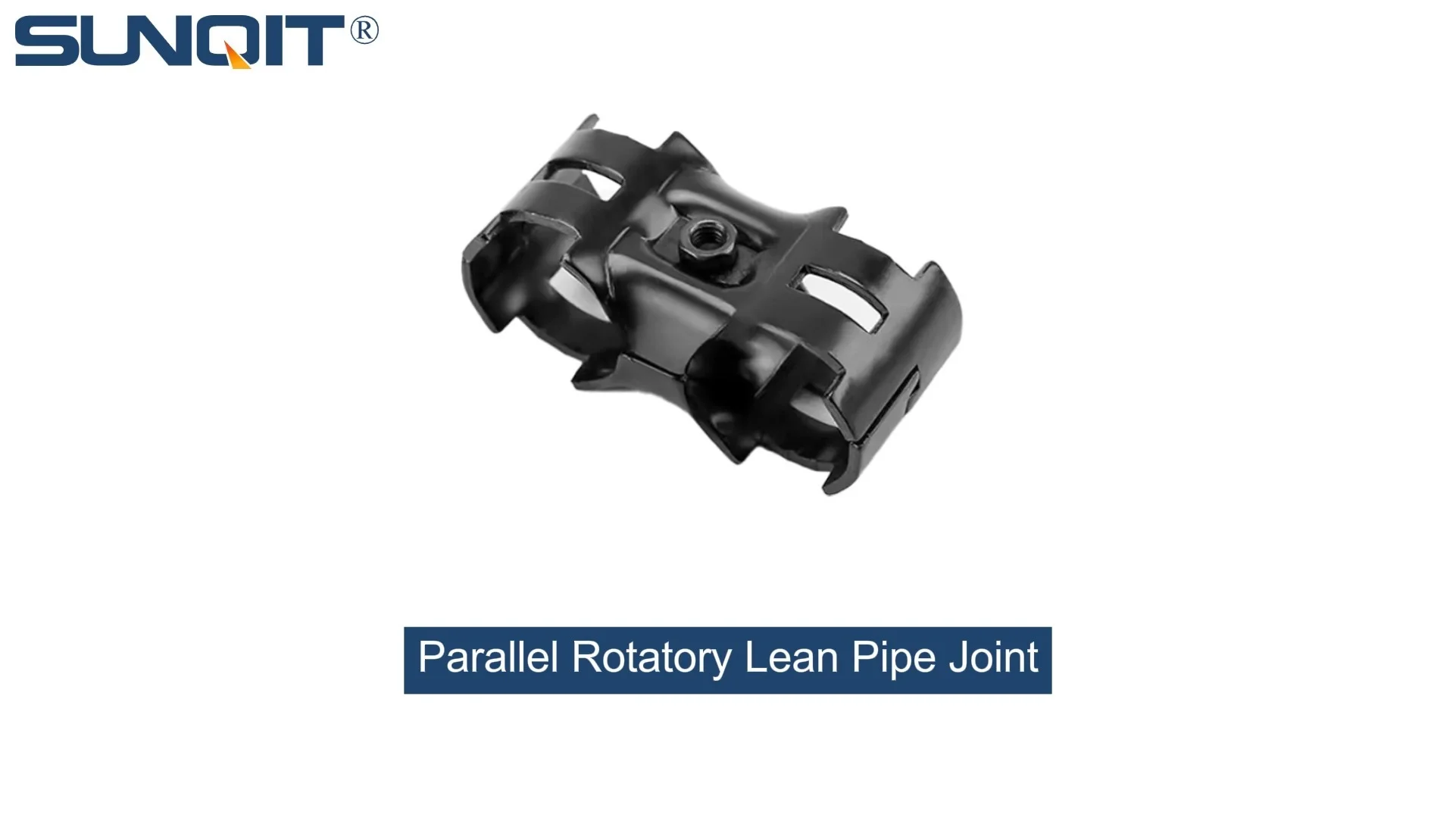
Parallel Rotatory Lean Pipe Joint
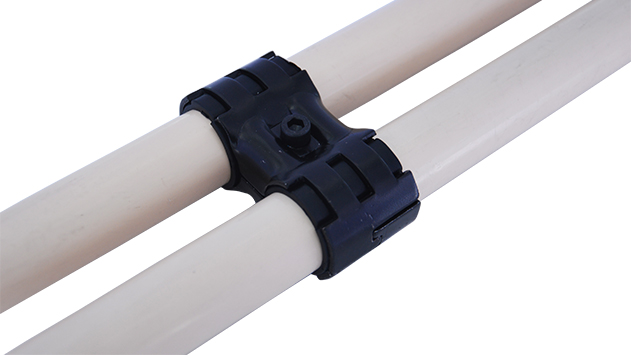
Parallel rotatory lean pipe joint, for 2 pcs pipe conenction in parallel direction with rotatory function.
The Evolving Needs of Modern Workstations
Walk into any manufacturing facility today, and you'll notice a quiet revolution unfolding. Gone are the days of static, one-size-fits-all workstations bolted to the floor, designed to churn out the same product day in and day out. Instead, there's a buzz of adaptability—teams reconfiguring assembly lines between shifts, workers adjusting workbench heights with a quick twist, and material flows shifting seamlessly to accommodate new orders. This shift isn't just about keeping up with trends; it's about survival. In an era where customer demands change overnight and production runs get shorter, rigidity is the enemy. Workstations that can't pivot? They become bottlenecks. And bottlenecks, in today's competitive landscape, cost more than time—they cost opportunities.
Consider the challenges faced by a mid-sized electronics manufacturer I visited last year. Their old assembly line relied on fixed steel workbenches and welded material racks. When a new product line required taller shelves, they had to call in contractors to cut and reweld the racks—a process that took two full days and left the line idle. By the time they were back up, a competitor had already shipped a similar product. "We lost a client because we couldn't adapt fast enough," the plant manager told me. Stories like this are why flexibility has become the cornerstone of modern workstation design. Today's facilities need to pivot quickly, scale up or down, and customize processes without grinding production to a halt. The question isn't just how to build a workstation—it's how to build one that can change .
The Foundation: Lean Systems and Modular Components
Enter lean systems—a philosophy built on eliminating waste, streamlining processes, and maximizing efficiency. At the heart of lean systems lie modular components: think of them as the building blocks of flexibility. Lean pipes, joints, aluminum profiles, and roller tracks aren't just parts; they're puzzle pieces that can be rearranged to fit any task. Unlike traditional fixed infrastructure, these components are designed to be lightweight, durable, and—most importantly—easy to modify. Need a taller workbench? Swap out a few pipes. Want to redirect a material flow? Adjust the roller tracks. It's this modularity that turns rigid workspaces into dynamic hubs of productivity.
But not all modular components are created equal. For years, fixed joints were the norm—sturdy, reliable, but unyielding. They held pipes in place at 90-degree angles, 45-degree angles, or straight lines, and that was it. If you needed to adjust a structure, you'd have to loosen bolts, disassemble parts, and start over. It was better than welding, but still far from ideal. Then came rotatory joints—game-changers that added movement to the mix. And among these, one component stands out for its ability to redefine flexibility: the parallel rotatory lean pipe joint chrome. This small but mighty part isn't just a joint; it's a gateway to workstations that can adapt in real time, without the hassle of disassembly or downtime.
Spotlight on Innovation: Parallel Rotatory Lean Pipe Joint Chrome
Let's start with the basics: what exactly is a parallel rotatory lean pipe joint chrome? At first glance, it looks like a simple metal connector, but its design holds the key to its power. Chrome-plated for durability, this joint is engineered to connect two or more lean pipes while allowing them to rotate in parallel . That means instead of being locked into a fixed angle, the pipes can pivot alongside each other—think of it like a door hinge, but for industrial structures. Whether you need to tilt a shelf, adjust a workbench height, or reangle a material rack, this joint lets you do it with a quick twist, no tools required (in most cases).
The chrome plating isn't just for shine, either. In factory environments—where dust, moisture, and occasional spills are par for the course—rust and corrosion are constant threats. Chrome acts as a protective barrier, resisting wear and tear even in harsh conditions. This longevity matters because modular components are meant to be reused, not replaced. A joint that lasts five years instead of two reduces long-term costs and keeps your workstation upgrades sustainable.
But the real magic is in the "parallel rotatory" feature. Imagine you're building a lean pipe workbench. With a fixed joint, the legs and frame are set at a rigid 90 degrees. If a taller operator needs the work surface higher, you'd have to take apart the legs, swap in longer pipes, and reassemble. With a parallel rotatory joint? You simply rotate the joint, adjust the angle of the legs to raise the bench, and lock it into place. The entire process takes minutes, not hours. That's the difference between a workstation that works for your team and one that works against them.

How It Works: The Mechanics Behind the Flexibility
To understand why this joint is so effective, let's break down its mechanics. Inside the chrome-plated casing, there's a precision-engineered rotating mechanism—often a ball bearing or friction-based pivot—that allows the connected pipes to move in parallel. Most models include a locking lever or set screw: when you want to adjust, you release the lock, rotate the pipes to the desired angle, and lock it again. This simplicity is intentional; factory floor teams don't have time for complicated tools or training. The goal is to put control directly into the hands of the people using the workstation.
Compare this to a standard fixed joint. Fixed joints, like the 90° straight lean pipe joint, are designed for stability. They're great for structures that never need to change—think a permanent storage rack in a warehouse. But in dynamic environments, they become a limitation. For example, a material rack B (3 row and 3 floor) built with fixed joints works well for a specific product size, but if your next order requires taller bins, you're stuck. With parallel rotatory joints, you can adjust the height of each shelf individually, or even tilt the entire rack to create a gravity-fed flow for faster picking. The joint turns a static structure into one that can evolve with your needs.
Another key advantage is compatibility. Parallel rotatory lean pipe joints chrome work with standard lean pipes—whether they're steel, aluminum, or PE-coated. This means you don't have to overhaul your entire setup to upgrade; you can swap out fixed joints for rotatory ones incrementally, saving on costs and minimizing disruption. It's a plug-and-play solution for flexibility.

Real-World Impact: Case Studies in Flexibility
Let's put this into context with a real example. A automotive parts manufacturer in Michigan was struggling with their assembly line workstations. Their team of 12 operators ranged in height from 5'2" to 6'4", and the fixed-height lean pipe workbenches left shorter workers straining and taller ones hunched over—leading to fatigue and slower production. The plant manager considered buying adjustable-height workbenches, but the cost was prohibitive. Instead, they decided to retrofit their existing workbenches with parallel rotatory lean pipe joints chrome.
The results were immediate. Each operator could now adjust their workbench height in under a minute by rotating the joints on the legs. No more tools, no more waiting for maintenance. Productivity increased by 15% in the first month, and reports of back pain dropped by 70%. "It sounds small, but letting people work at a height that's comfortable for them made all the difference," the plant manager noted. "And when we reorganized the line last quarter, we reconfigured the workbenches in an hour instead of a day. The joints paid for themselves in weeks."
Another example comes from a electronics assembly plant in Texas. Their material handling area used roller tracks to move circuit boards between stations. Initially, the tracks were set up in a straight line with fixed joints. But when they introduced a new product with larger boards, the straight path caused bottlenecks—boards would get stuck at the corners. By replacing the fixed joints with parallel rotatory lean pipe joints chrome, they could angle the roller tracks to create a gentler curve. Now, the boards flow smoothly, and if they switch back to smaller boards, they can rotate the joints to tighten the curve again. It's flexibility that adapts to the product, not the other way around.
Integration with Other Components: Building a Complete System
The parallel rotatory lean pipe joint chrome doesn't work in isolation—it's part of a larger ecosystem of modular components that together create truly flexible workstations. Let's look at how it integrates with some key players:
Aluminum Profiles and Aluminum Lean Pipes
Aluminum profiles are lightweight yet strong, making them ideal for building workstations that need to be both sturdy and movable. When paired with parallel rotatory joints, they become even more versatile. For example, an aluminum workbench E (single deck-without caster) can be upgraded with rotatory joints on its support beams, allowing you to tilt the deck for better access to tools or materials. Aluminum lean pipes, with their smooth surface and corrosion resistance, slide easily into the joints, ensuring smooth rotation without sticking.
Roller Tracks and Swivel Roller Balls
Roller tracks—like the plastic roller track guide rail yellow or aluminum guide rail A—are essential for moving materials efficiently. But their effectiveness depends on alignment. With parallel rotatory joints, you can adjust the angle of the roller track to match the flow of your production line. Need to merge two tracks? Rotate the joints to create a Y-shape. Want to slow down material flow? Tilt the track slightly upward using the joint. Even small components like swivel roller balls 1 inch benefit: by mounting them on a structure with rotatory joints, you can create a movable work surface that glides in any direction, perfect for assembling large or awkward parts.
Caster Wheels and Turnover Trolleys
Mobility is another pillar of flexibility, and caster wheels are the unsung heroes here. A hand trolley A with fixed casters works for straight paths, but add parallel rotatory joints to the trolley's frame, and you can adjust the height of the shelves or tilt the load for easier unloading. Caster accessories like brake levers can even be mounted on joint-adjustable brackets, ensuring they're always within reach, no matter how the trolley is configured.
Comparing Lean Pipe Joints: Which One Fits Your Needs?
Not all joints are created equal. To help you decide if parallel rotatory lean pipe joint chrome is right for your workstation, here's a comparison of common joint types:
| Joint Type | Flexibility (1-5) | Durability | Best For | Key Limitation |
|---|---|---|---|---|
| 90° Fixed Lean Pipe Joint | 1 | High (steel construction) | Permanent structures (static racks) | No adjustability; requires disassembly to reconfigure |
| 180° Internal Rotation Lean Pipe Joint | 3 | Medium (plastic or steel) | Simple angle adjustments (tilting shelves) | Limited rotation range; not parallel-movement capable |
| Parallel Rotatory Lean Pipe Joint Chrome | 5 | Very High (chrome-plated steel) | Dynamic workstations (assembly lines, adjustable benches) | Slightly higher cost than fixed joints |
| Vertical Lean Pipe Joint | 2 | High | Vertical structures (tall racks) | Only adjusts vertically; no horizontal rotation |
As the table shows, parallel rotatory lean pipe joint chrome leads in flexibility, thanks to its ability to rotate and adjust in parallel. While it costs a bit more than fixed joints, the savings in time, labor, and adaptability often make it the smarter long-term investment—especially for facilities that need to pivot quickly.
Choosing the Right Joint: Factors to Consider
Before swapping out all your fixed joints for parallel rotatory ones, ask yourself these questions to ensure you're making the right choice:
- How often does your workstation need to change? If you're running the same product for years, fixed joints might be sufficient. If you switch products monthly or seasonally, rotatory joints will save you countless hours.
- What's your environment like? Chrome plating is a must in humid, dusty, or corrosive environments (like food processing or chemical plants). For cleanrooms, aluminum joints might be preferable, but they lack the durability of chrome.
- What's the load capacity? Parallel rotatory joints are strong, but they're not designed for extreme weights. Check the manufacturer's specs to ensure the joint can handle your typical load (e.g., a material rack B with heavy bins vs. a light assembly bench).
- Who will be making adjustments? If your team includes operators with limited technical training, the ease of use of rotatory joints (no tools needed) is a major plus.
Future Trends: The Next Frontier of Workstation Flexibility
As manufacturing continues to evolve, so too will the tools that power it. Parallel rotatory lean pipe joints chrome are just the beginning. We're already seeing innovations like smart joints with built-in sensors that track rotation angles and wear, alerting maintenance teams before a joint fails. There's also growing interest in modular systems that integrate with automation—imagine a workstation that adjusts itself using rotatory joints and AI, based on real-time production data.
Aluminum extrusion profiles are also getting lighter and stronger, making them ideal partners for rotatory joints in applications where weight matters—like mobile workstations or aerospace manufacturing. And as sustainability becomes a priority, we'll see more recycled materials in joint construction, without sacrificing durability.
Conclusion: Flexibility as a Competitive Edge
In the end, workstation flexibility isn't just about convenience—it's about survival. In a world where customer demands shift overnight and competitors are always innovating, the ability to adapt quickly is what separates leaders from laggards. Parallel rotatory lean pipe joint chrome may seem like a small component, but it's a symbol of that adaptability. It turns rigid structures into dynamic tools, empowers teams to work more comfortably and efficiently, and transforms factories into spaces that can evolve with the times.
Whether you're building a new workstation from scratch or upgrading an existing one, don't underestimate the power of a joint that can rotate, adjust, and grow with your needs. The future of manufacturing isn't fixed—it's flexible. And with parallel rotatory lean pipe joints chrome, you're ready to meet it head-on.