- Company Articles
- Products and Technology
- Technology Sharing
- How Parallel Rotatory Lean Pipe Joint Chrome Supports Continuous Improvement in Production

How Parallel Rotatory Lean Pipe Joint Chrome Supports Continuous Improvement in Production
Related Product
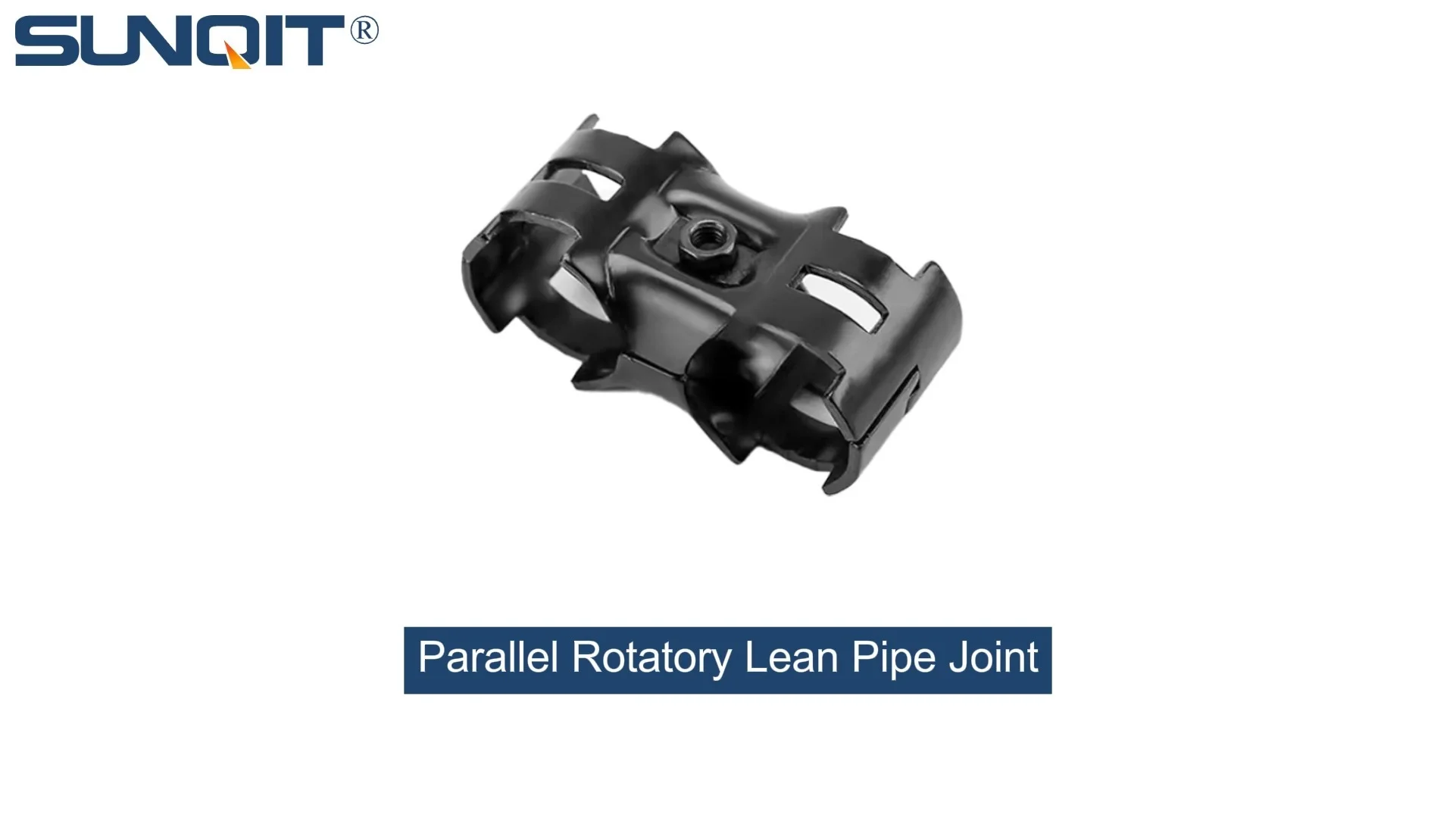
Parallel Rotatory Lean Pipe Joint
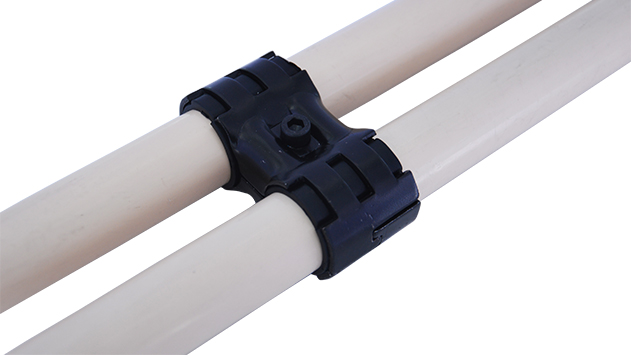
Parallel rotatory lean pipe joint, for 2 pcs pipe conenction in parallel direction with rotatory function.
In today's manufacturing landscape, where customers demand faster turnarounds, more customization, and lower costs, the difference between thriving and merely surviving often comes down to one thing: continuous improvement . But here's the truth many production managers learn the hard way: you can't improve processes that are stuck in place. Rigid workbenches that can't adapt to new product sizes, flow racks that slow down when material needs change, and assembly lines that require hours of downtime to reconfigure—these are the silent killers of efficiency. What if the key to unlocking your team's ability to adapt, innovate, and cut waste wasn't a fancy software or a massive overhaul, but a small, unassuming component? Enter the parallel rotatory lean pipe joint chrome —a tool that's quietly revolutionizing how production lines stay agile in an unpredictable world.
Understanding Lean Systems: Beyond the Buzzwords
Before we dive into the specifics of this joint, let's ground ourselves in what "lean" really means for production teams. At its core, lean manufacturing is about eliminating waste —whether that's wasted time, materials, or effort—and building systems that can evolve as needs change. It's not just about ("We're a lean facility!"); it's about creating an environment where every tool, every workstation, and every process serves the goal of making better products faster, with less hassle.
A big part of that environment is your physical infrastructure. Think about your lean pipe workbench : is it a static piece of equipment that workers have to adapt to, or a flexible workspace that adapts to them? Consider your flow rack : does it seamlessly move materials from point A to B, or does it create bottlenecks when you switch from assembling small components to larger parts? These aren't just questions about equipment—they're questions about whether your lean system is truly living up to its name.
Traditional pipe joints, the kind that have been used for decades to build these workbenches and racks, are often the weak link. They're bulky, require tools to adjust, and once fixed in place, they stay fixed. Need to raise a workbench by 6 inches for a taller operator? You'll spend an hour unscrewing joints, readjusting pipes, and hoping nothing slips. Want to reangle a flow rack to reduce bending for your team? Prepare for downtime while you disassemble and rebuild. In a world where change is constant, these "permanent" solutions become liabilities.
The Unsung Hero: What Makes Parallel Rotatory Lean Pipe Joint Chrome Different?
Let's get up close with the star of the show. The parallel rotatory lean pipe joint chrome might look similar to its traditional counterparts at first glance, but a closer inspection reveals why it's a game-changer. Made from high-grade steel with a chrome plating (for corrosion resistance and smooth movement), this joint is designed with one priority in mind: flexibility without sacrificing stability .
Here's how it works: unlike fixed joints that lock pipes into rigid angles, this joint features internal ball bearings that allow 360-degree rotation along its axis. Need to tilt a workbench surface to a 15-degree angle for easier access to a component? Simply loosen the locking collar, rotate the joint to the desired position, and tighten it back down—no tools required. Want to reposition a flow rack's roller track to accommodate wider bins? The joint swivels smoothly, letting you adjust the angle in seconds, not hours. And because it's chrome-plated, that rotation stays smooth even after months of use, resisting rust and wear from daily handling.
But what really sets it apart is its ability to work within existing lean pipe systems . You don't have to tear out all your current infrastructure to upgrade—this joint is compatible with standard lean pipes (including aluminum lean pipe and stainless steel variants), meaning you can start small. Swap out the joints on a single workbench first, see the difference, and then scale from there. It's a low-risk, high-reward upgrade that fits the "continuous improvement" mindset perfectly.
4 Ways Parallel Rotatory Lean Pipe Joint Chrome Drives Real Improvement
Talk is cheap—let's break down exactly how this joint transforms day-to-day operations for production teams. These aren't just theoretical benefits; they're changes that directly impact your bottom line, your team's morale, and your ability to keep up with demand.
1. Slashes Downtime (and Frustration) During Reconfiguration
Imagine this scenario: Your team just got a rush order for a new product variant. The assembly process requires a slightly taller work surface than your current setup. With traditional joints, you're looking at 2–3 hours of downtime while you disassemble the workbench, cut new pipes to length, and reassemble. With parallel rotatory lean pipe joint chrome? A line worker can adjust the height in 10 minutes —no tools, no special training, no stress. That's the difference between missing a deadline and shipping on time.
In fact, one electronics manufacturer we worked with reported reducing reconfiguration time by 85% after switching to these joints. Their team used to spend 4 hours reconfiguring flow racks between product runs; now, they do it in 30 minutes. Over a year, that adds up to hundreds of hours saved—time that can be redirected to actually building products, not rearranging furniture.
2. Reduces Waste by Adapting to Material and Workflow Changes
Waste in manufacturing isn't just about scrap materials. It's about the time spent moving items that don't need moving, the ergonomic strain that leads to absences, and the lost opportunities when you can't quickly pivot to new orders. The parallel rotatory joint attacks all three.
Take material handling, for example. A flow rack with fixed joints might work perfectly for small, lightweight parts, but when you switch to heavier components, the angle of the roller track needs to steepen slightly to ensure smooth movement. With traditional joints, you'd either accept slower flow (and more manual pushing) or shut down the line to adjust. With a rotatory joint, a team member can tweak the angle on the fly, keeping materials moving and reducing the risk of jams. The result? Less wasted time, fewer strained backs, and a more consistent workflow.
3. Boosts Ergonomics (and Team Morale) by Putting Control in Workers' Hands
Happy, healthy workers are productive workers—and nothing kills morale faster than a workstation that doesn't fit. One size does not fit all, especially in manufacturing, where team members come in all heights and physical abilities. Traditional workbenches force everyone to adapt to a single, fixed setup, leading to hunching, stretching, and over time, repetitive strain injuries.
The parallel rotatory joint changes this by letting workers customize their own spaces . A taller operator can raise their workbench surface; a shorter one can lower it. Someone with shoulder issues can tilt the assembly area to reduce reaching. When workers feel like their needs are prioritized, they're more engaged, more careful with quality, and less likely to call out sick. It's a small change that sends a big message: "Your comfort matters here."
4. Durability That Grows With Your Lean Journey
There's a common myth about flexible tools: that they're "flimsy" or less durable than rigid ones. The parallel rotatory lean pipe joint chrome shatters that myth. Its chrome plating resists corrosion, making it suitable for humid environments (like food processing or electronics assembly where moisture control is key). The internal bearings are sealed to prevent dust and debris from gumming up the works, ensuring smooth rotation even in busy, gritty shops. And because it's built to handle the same weight loads as traditional joints (up to 200kg per joint, depending on the pipe thickness), you don't have to sacrifice strength for flexibility.
Over time, this durability translates to cost savings. Traditional joints often loosen or strip after repeated disassembly, requiring replacements. This joint, though, holds up to frequent adjustments, meaning you buy fewer replacements and spend less on maintenance. It's an investment that pays for itself in both time and money.
Real-World Impact: Case Studies From the Factory Floor
Case Study 1: Automotive Parts Supplier Cuts Changeover Time by 70%
A mid-sized automotive parts manufacturer was struggling with frequent changeovers between brake component assemblies. Their existing lean pipe workbenches, fitted with fixed joints, required 2 hours of downtime to adjust tool positions and work surface heights for each new part. After upgrading to parallel rotatory lean pipe joint chrome, they reduced changeover time to just 35 minutes. "We used to schedule changeovers during lunch breaks to avoid disrupting production," said their production manager. "Now, we can switch between parts between shifts—no overtime, no stress." Within 6 months, the upgrade paid for itself in saved labor costs alone.
Case Study 2: Electronics Assembly Plant Reduces Ergonomic Injuries by 40%
An electronics plant was facing rising workers' compensation claims due to neck and shoulder strain from assembly line work. Their fixed workbenches forced operators to hunch over small components for hours. After installing parallel rotatory joints, workers could adjust their work surfaces to eye level, tilting them for better visibility. Within a year, reported injuries dropped by 40%, and employee surveys showed a 25% increase in job satisfaction. "It sounds simple, but being able to tweak my workstation to fit me instead of the other way around made all the difference," one operator noted.

Traditional vs. Parallel Rotatory: A Side-by-Side Comparison
| Feature | Traditional Fixed Pipe Joints | Parallel Rotatory Lean Pipe Joint Chrome |
|---|---|---|
| Adjustment Flexibility | Limited to pre-drilled holes; fixed angles (90°, 45°) | 360° rotation; infinite angle adjustments |
| Installation/Reconfiguration Time | 1–3 hours for major adjustments; requires tools | 5–15 minutes for most adjustments; no tools needed |
| Durability | Prone to stripping/loosening after repeated disassembly | Chrome-plated; sealed bearings resist wear and corrosion |
| Compatibility | Often limited to specific pipe diameters/ materials | Works with standard lean pipes (aluminum, steel, stainless steel) |
| Cost Over Time | Lower upfront cost, but higher replacement/maintenance expenses | Slightly higher upfront cost, but lower long-term costs due to durability |

Choosing the Right Lean Pipe Supplier: It's About More Than the Joint
Of course, even the best joint is only as effective as the system it's part of. When upgrading to parallel rotatory lean pipe joint chrome, it's critical to partner with a lean pipe supplier that understands your unique needs. Here's what to look for:
- Quality Materials: Ensure the supplier uses high-grade steel for joints and corrosion-resistant coatings (like chrome) to withstand factory conditions.
- Range of Accessories: The best suppliers offer more than just joints—they provide compatible pipes, roller tracks, casters, and workbench components, so you can build a cohesive system.
- Technical Support: Look for suppliers that offer guidance on setup, customization, and troubleshooting. A good supplier will even send a technician to your facility to help optimize your first workbench or flow rack.
- Customization Options: Every production line is different. Your supplier should be able to adapt standard components (like adjusting joint sizes for unique pipe diameters) to fit your specific workflow.
Remember: investing in quality components now prevents headaches later. A cheap joint might save you a few dollars upfront, but it will wear out faster, jam during rotation, or fail under heavy loads—undoing all the efficiency gains you're trying to achieve.
Future-Proofing Your Line: Why Adaptive Infrastructure Matters
The manufacturing world isn't slowing down. Product lifecycles are getting shorter, customer demands more specific, and labor markets tighter. To keep up, your production line can't be a static entity—it needs to be as adaptable as your team. The parallel rotatory lean pipe joint chrome is more than a tool for today's challenges; it's a way to future-proof your operation.
Think about it: when the next new product comes in, or a key team member retires and is replaced by someone with different physical needs, or material suppliers change their packaging sizes, you won't have to start from scratch. Your lean pipe workbench can evolve. Your flow rack can adjust. Your lean system can keep improving—because the infrastructure itself supports that improvement.
At the end of the day, continuous improvement isn't about grand gestures. It's about the small, intentional choices that add up: a joint that saves time, a workbench that fits its user, a flow rack that keeps materials moving. The parallel rotatory lean pipe joint chrome is one of those choices—a reminder that sometimes, the most powerful innovations are the ones that let you keep moving forward , no matter what the day throws at you.
Final Thoughts: The Small Component That Drives Big Change
If there's one takeaway here, it's this: you don't need to overhaul your entire production line to start improving. Sometimes, the solution is as simple as upgrading the joints that hold your infrastructure together. The parallel rotatory lean pipe joint chrome may be small, but its impact is huge—reducing downtime, boosting morale, cutting waste, and giving your team the flexibility to turn "we can't" into "we can, and we'll do it faster."
So, take a walk through your facility today. Look at your workbenches, your flow racks, your assembly lines. Are they holding your team back, or empowering them to improve? If it's the former, maybe it's time to start small. Swap out a few joints, see how it feels, and watch as that small change ripples into better processes, happier workers, and a production line that's ready for whatever comes next.
Continuous improvement starts with the ability to change. With parallel rotatory lean pipe joint chrome, that ability is finally within reach.