- Company Articles
- Products and Technology
- Product knowledge
- How Parallel Rotatory Lean Pipe Joints Support Just-In-Time Production

How Parallel Rotatory Lean Pipe Joints Support Just-In-Time Production
Related Product
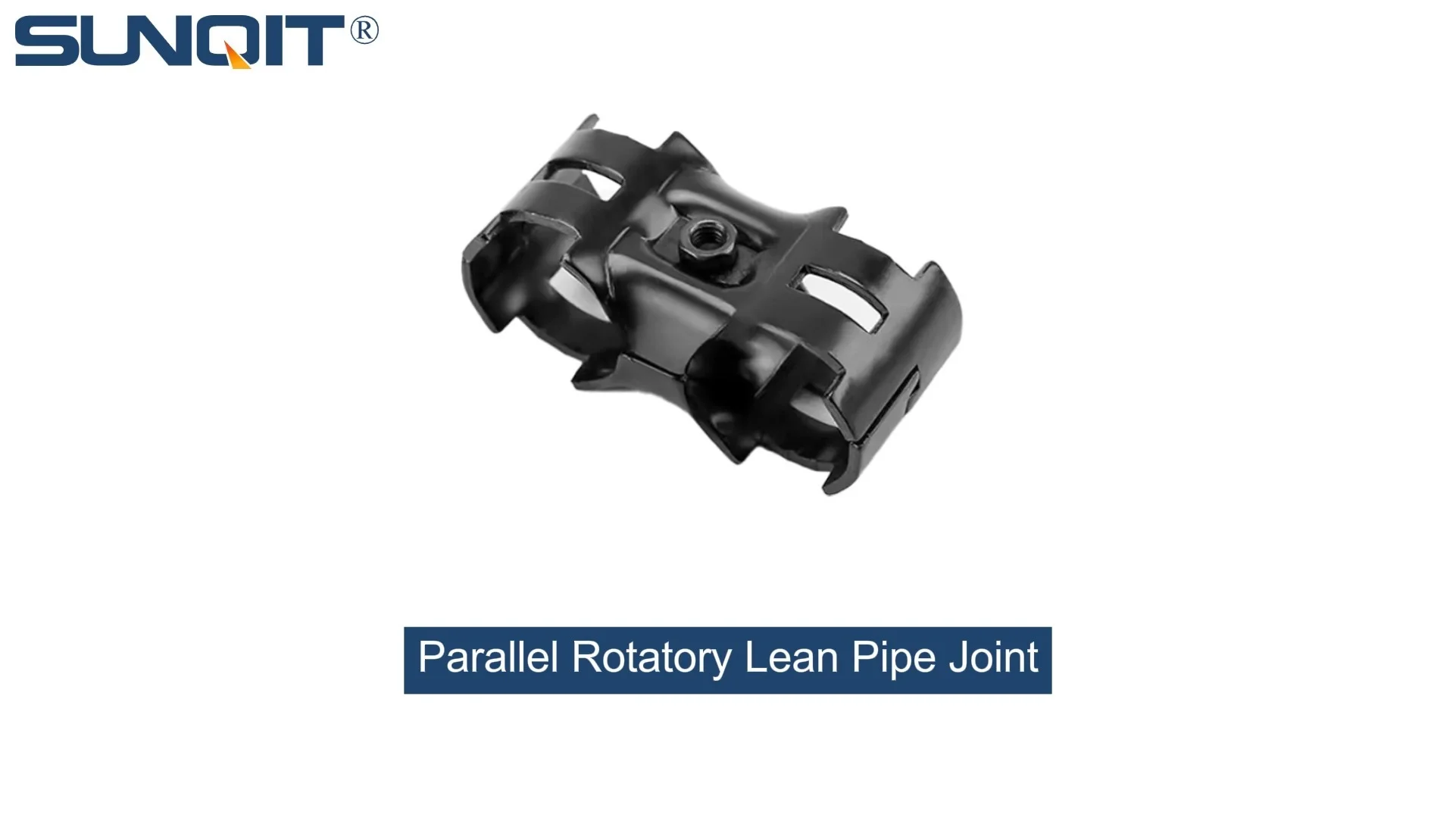
Parallel Rotatory Lean Pipe Joint
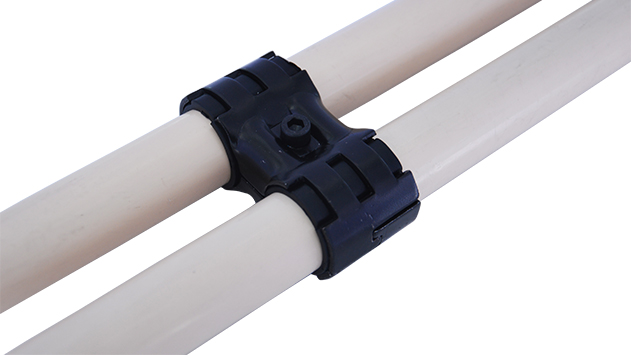
Parallel rotatory lean pipe joint, for 2 pcs pipe conenction in parallel direction with rotatory function.
The Pressure of Modern Manufacturing: Why Adaptability Matters
Walk into any manufacturing facility today, and you'll feel the pulse of a system racing to keep up. Customer demands shift overnight, product lifecycles shrink from years to months, and profit margins hinge on squeezing every inefficiency out of the production line. In this high-stakes environment, Just-In-Time (JIT) production has emerged as more than a buzzword—it's a survival strategy. By aligning inventory levels with real-time demand, minimizing waste, and prioritizing continuous flow, JIT helps manufacturers stay agile, reduce costs, and deliver quality products faster. But here's the catch: JIT doesn't run on spreadsheets alone. It relies on physical infrastructure that can keep pace with its relentless need for flexibility. That's where tools like
parallel rotatory lean pipe joints
come into play—small, unassuming components that quietly power the adaptability modern factories can't live without.
Understanding JIT: More Than Just "Making Stuff on Time"
To appreciate how parallel rotatory lean pipe joints support JIT, let's first unpack what JIT really means. At its core, JIT is a philosophy built on three pillars: eliminating waste (muda), fostering continuous improvement (kaizen), and embracing a pull system—where production is triggered by customer orders, not forecasts. This means no excess inventory cluttering the floor, no idle workers waiting for parts, and no time wasted on reconfiguring rigid production lines. For JIT to work, every element of the factory—from machinery to material handling—must be as fluid as the demand it serves.
Consider a typical scenario: A smartphone manufacturer receives a last-minute order for a limited-edition model. To fulfill it, they need to adjust their assembly line to accommodate new components, reposition tools for workers, and redirect material flow to avoid bottlenecks. If their workbenches, racks, and conveyors are bolted down or welded into fixed positions, this adjustment could take days—derailing the tight JIT timeline. But with modular, adaptable infrastructure, the same change might take hours or even minutes. This is where lean systems, built around components like aluminum lean pipe and flexible joints, become indispensable.
Consider a typical scenario: A smartphone manufacturer receives a last-minute order for a limited-edition model. To fulfill it, they need to adjust their assembly line to accommodate new components, reposition tools for workers, and redirect material flow to avoid bottlenecks. If their workbenches, racks, and conveyors are bolted down or welded into fixed positions, this adjustment could take days—derailing the tight JIT timeline. But with modular, adaptable infrastructure, the same change might take hours or even minutes. This is where lean systems, built around components like aluminum lean pipe and flexible joints, become indispensable.
Lean Systems: The Backbone of JIT-Ready Factories
Lean systems are the physical manifestation of JIT principles. They're designed to be modular, customizable, and easy to reconfigure—no welding, no heavy machinery, just simple, interchangeable parts that let workers adapt on the fly. At the heart of these systems are lean pipes (often made of aluminum for strength and lightweight handling) and the joints that connect them. Together, they form everything from workbenches and flow racks to assembly lines and material carts.
Take the lean pipe workbench , for example. A staple in factories worldwide, it's not just a table—it's a hub where assembly, testing, and packaging happen. In a JIT environment, that workbench might need to shift from assembling circuit boards in the morning to packaging finished products in the afternoon. Or it might need to adjust in height to accommodate a taller worker, or reposition its tool holders to streamline a new task. Traditional fixed workbenches can't keep up with this pace. But a lean pipe workbench, built with adjustable joints, can evolve with the job—supporting the continuous improvement that JIT demands.
Take the lean pipe workbench , for example. A staple in factories worldwide, it's not just a table—it's a hub where assembly, testing, and packaging happen. In a JIT environment, that workbench might need to shift from assembling circuit boards in the morning to packaging finished products in the afternoon. Or it might need to adjust in height to accommodate a taller worker, or reposition its tool holders to streamline a new task. Traditional fixed workbenches can't keep up with this pace. But a lean pipe workbench, built with adjustable joints, can evolve with the job—supporting the continuous improvement that JIT demands.

Parallel Rotatory Lean Pipe Joints: The Unsung Heroes of Flexibility
Now, let's zoom in on the star of the show: the parallel rotatory lean pipe joint. At first glance, it looks like a simple connector—a small, often metallic component that links two lean pipes. But its design hides a critical feature: rotation. Unlike fixed joints, which lock pipes into rigid angles (90 degrees, 45 degrees, etc.), parallel rotatory joints allow pipes to rotate around a central axis while staying parallel to each other. This might sound minor, but in a JIT setting, it's transformative.
Imagine a flow rack —a sloped structure used to gravity-feed parts to assembly stations. In a pull system, the speed at which parts flow down the rack must match the assembly rate to avoid backups or shortages. A heavy component (like a battery pack) might need a gentle slope to prevent damage, while a lightweight part (like a screw bag) needs a steeper incline to keep pace. With a fixed joint, changing the slope would require disassembling the rack, repositioning the pipes, and reattaching everything—a process that could take an hour or more. With a parallel rotatory joint? A worker simply loosens a knob, rotates the pipes to the desired angle, and tightens it back up. Done in 2 minutes.
But the benefits go beyond speed. These joints also reduce physical strain on workers. In traditional setups, reconfiguring a workbench might involve lifting heavy pipes or using tools that risk repetitive motion injuries. Parallel rotatory joints are designed for manual adjustment—no tools required, minimal effort. This aligns with JIT's focus on respecting workers (another key principle) and keeping them productive, not sidelined by avoidable injuries.
Imagine a flow rack —a sloped structure used to gravity-feed parts to assembly stations. In a pull system, the speed at which parts flow down the rack must match the assembly rate to avoid backups or shortages. A heavy component (like a battery pack) might need a gentle slope to prevent damage, while a lightweight part (like a screw bag) needs a steeper incline to keep pace. With a fixed joint, changing the slope would require disassembling the rack, repositioning the pipes, and reattaching everything—a process that could take an hour or more. With a parallel rotatory joint? A worker simply loosens a knob, rotates the pipes to the desired angle, and tightens it back up. Done in 2 minutes.
But the benefits go beyond speed. These joints also reduce physical strain on workers. In traditional setups, reconfiguring a workbench might involve lifting heavy pipes or using tools that risk repetitive motion injuries. Parallel rotatory joints are designed for manual adjustment—no tools required, minimal effort. This aligns with JIT's focus on respecting workers (another key principle) and keeping them productive, not sidelined by avoidable injuries.

Traditional vs. Parallel Rotatory: A Clear Advantage for JIT
To truly see the impact, let's compare parallel rotatory lean pipe joints with their traditional fixed counterparts. The table below breaks down how they stack up across key metrics that matter for JIT production:
| Feature | Traditional Fixed Joints | Parallel Rotatory Lean Pipe Joints |
|---|---|---|
| Adjustment Flexibility | Limited to preset angles (90°, 45°, etc.); no on-the-fly changes. | Unlimited rotation within a range; pipes stay parallel, enabling custom angles for any task. |
| Setup/Reconfiguration Time | 30–60 minutes per adjustment (requires tools, disassembly, and reassembly). | 1–5 minutes per adjustment (tool-free; simply loosen, rotate, and retighten). |
| Waste Reduction | High waste: Idle time during reconfiguration; overproduction to compensate for delays. | Low waste: Minimal downtime; aligns with JIT's "pull" system by keeping production flowing. |
| Worker Ergonomics | Risk of strain: Requires lifting heavy pipes and using tools repeatedly. | Ergonomic: Lightweight, tool-free adjustment reduces physical stress. |
| Cost Over Time | Higher long-term costs: Frequent replacements due to wear from disassembly; lost productivity. | Lower long-term costs: Durable design; fewer replacements; less downtime boosts ROI. |
Real-World Impact: How a Small Joint Transformed a JIT Line
Let's put this in context with a real example (disguised to protect client confidentiality). A mid-sized automotive parts manufacturer in the Midwest adopted JIT five years ago but struggled with bottlenecks in their dashboard assembly line. Their biggest pain point? The
lean pipe workbench
stations, which needed to accommodate three different dashboard models (for trucks, sedans, and SUVs) with varying component sizes and worker heights. With traditional fixed joints, switching between models took 45 minutes per station—and they had 12 stations. That's 9 hours of downtime per model change, forcing them to run larger batches to "justify" the delay—exactly the kind of waste JIT aims to eliminate.
After consulting with a lean system supplier , they upgraded to parallel rotatory lean pipe joints on all workbenches and flow racks. The results were immediate: Model changeovers dropped from 9 hours to 45 minutes total (less than 4 minutes per station). Workers could now adjust their workbench heights and tool positions in seconds, reducing fatigue and cutting error rates by 15%. Material flow on the flow racks became consistent, eliminating stockouts and overstock at assembly points. Within six months, the company saw a 22% reduction in production lead time and a 18% decrease in material handling costs—all from upgrading a single component.
After consulting with a lean system supplier , they upgraded to parallel rotatory lean pipe joints on all workbenches and flow racks. The results were immediate: Model changeovers dropped from 9 hours to 45 minutes total (less than 4 minutes per station). Workers could now adjust their workbench heights and tool positions in seconds, reducing fatigue and cutting error rates by 15%. Material flow on the flow racks became consistent, eliminating stockouts and overstock at assembly points. Within six months, the company saw a 22% reduction in production lead time and a 18% decrease in material handling costs—all from upgrading a single component.
Beyond the Joint: Why Aluminum Lean Pipe Completes the Package
Parallel rotatory joints are powerful, but they're only as effective as the pipes they connect. This is where
aluminum lean pipe
shines. Unlike traditional steel pipes, aluminum is lightweight (making manual adjustments even easier), corrosion-resistant (ideal for factory environments with oils or moisture), and strong enough to support heavy loads. It also pairs seamlessly with these joints—its smooth surface and consistent diameter ensure a tight, stable fit even after repeated rotations.
For JIT, this combination is a game-changer. A worker can reconfigure a material cart, adjust a flow rack, or reposition a workbench without needing help from a team—critical for small-batch production where every minute counts. Aluminum's durability also means the system lasts longer, reducing the need for replacements and keeping the focus on production, not maintenance.
For JIT, this combination is a game-changer. A worker can reconfigure a material cart, adjust a flow rack, or reposition a workbench without needing help from a team—critical for small-batch production where every minute counts. Aluminum's durability also means the system lasts longer, reducing the need for replacements and keeping the focus on production, not maintenance.
Choosing the Right Partner: Why a Trusted Lean System Supplier Matters
Of course, not all parallel rotatory lean pipe joints are created equal. To maximize their impact on JIT, manufacturers need high-quality components that can withstand daily use, hold their adjustment under load, and integrate with existing lean systems. This is where partnering with a reputable
lean system supplier
becomes essential. A good supplier won't just sell you joints—they'll work with you to understand your JIT goals, recommend the right combination of pipes, joints, and accessories (like foot brakes for carts or anti-slip mats for workbenches), and provide training to ensure your team gets the most out of the system.
Look for suppliers who prioritize innovation—like those who've engineered parallel rotatory joints with self-locking mechanisms to prevent slippage under heavy loads, or those who offer custom solutions for unique workflows. A supplier that understands JIT will also emphasize modularity, ensuring your system can grow or adapt as your production needs change—another layer of flexibility that keeps waste at bay.
Look for suppliers who prioritize innovation—like those who've engineered parallel rotatory joints with self-locking mechanisms to prevent slippage under heavy loads, or those who offer custom solutions for unique workflows. A supplier that understands JIT will also emphasize modularity, ensuring your system can grow or adapt as your production needs change—another layer of flexibility that keeps waste at bay.
The Future of JIT: Small Components, Big Impact
As manufacturing continues to evolve—with trends like mass customization, AI-driven demand forecasting, and shorter product cycles—JIT will only become more critical. And as JIT evolves, so too will the tools that support it. Parallel rotatory lean pipe joints are a prime example of how even the smallest components can drive big improvements in efficiency, flexibility, and worker well-being. They're not just "parts"—they're enablers of the JIT mindset, turning the philosophy of waste reduction and continuous improvement into tangible action on the factory floor.
So the next time you walk through a factory and see a worker effortlessly adjusting a flow rack or repositioning a workbench in seconds, take a closer look. Chances are, there's a parallel rotatory lean pipe joint making it happen—quietly, reliably, and irreplaceably supporting the JIT production that keeps our modern world supplied with the products we need, exactly when we need them.
So the next time you walk through a factory and see a worker effortlessly adjusting a flow rack or repositioning a workbench in seconds, take a closer look. Chances are, there's a parallel rotatory lean pipe joint making it happen—quietly, reliably, and irreplaceably supporting the JIT production that keeps our modern world supplied with the products we need, exactly when we need them.