- Company Articles
- Products and Technology
- Technology Sharing
- How Parallel Rotatory Lean Pipe Joints Support Sustainable Manufacturing

How Parallel Rotatory Lean Pipe Joints Support Sustainable Manufacturing
Related Product
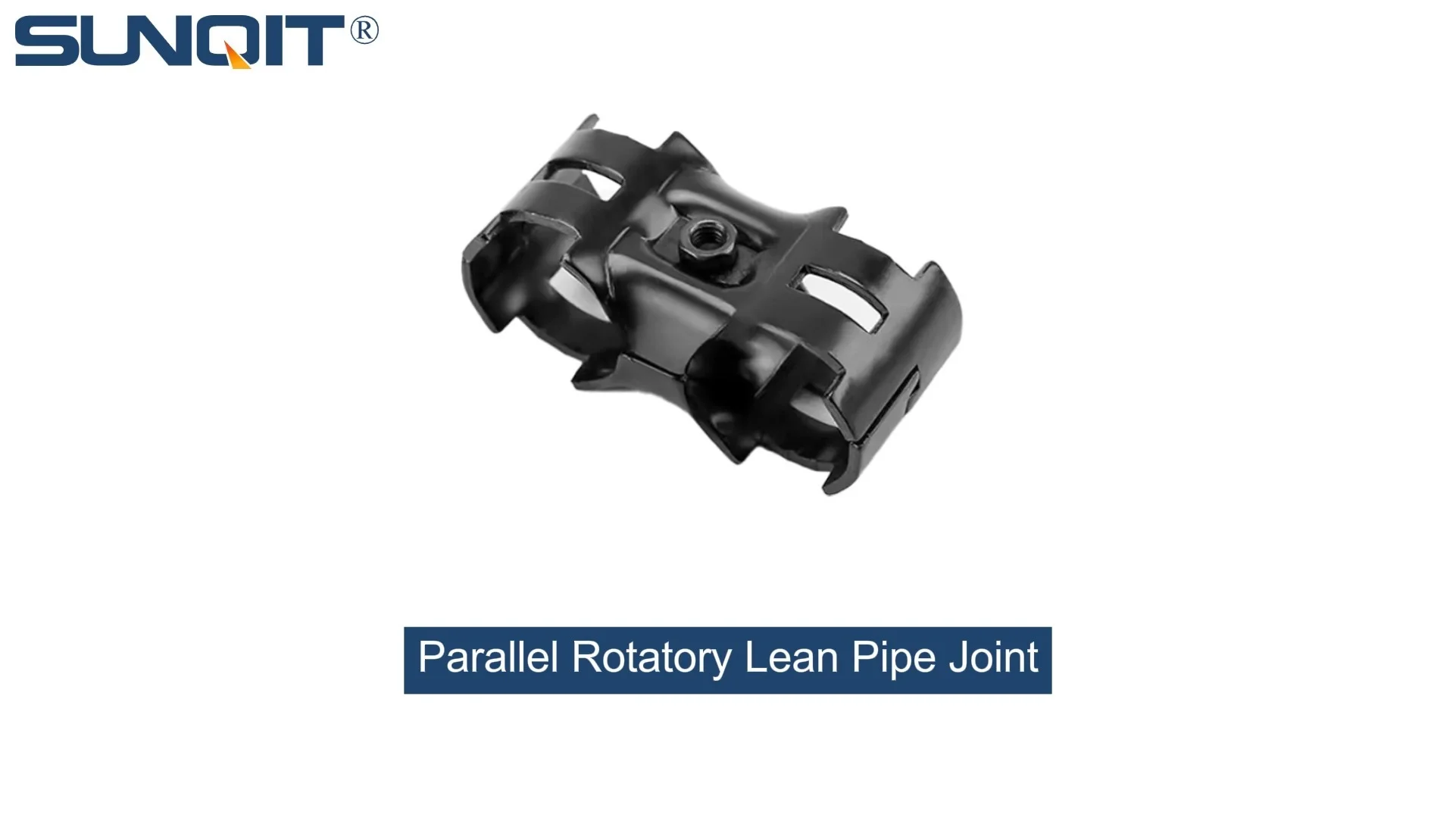
Parallel Rotatory Lean Pipe Joint
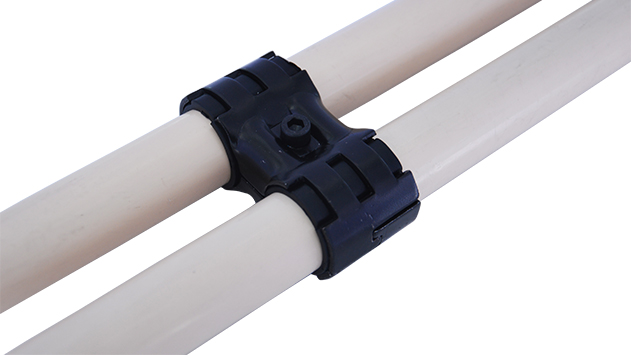
Parallel rotatory lean pipe joint, for 2 pcs pipe conenction in parallel direction with rotatory function.
The Sustainability Imperative in Modern Manufacturing
In an era where climate change concerns and resource scarcity dominate global conversations, manufacturing has emerged as a critical frontier for sustainability. Factories, long seen as hubs of energy consumption and waste generation, are now under increasing pressure to rethink their operations—from raw material sourcing to production processes, and even end-of-life disposal. The goal? To minimize environmental impact while maintaining (or even boosting) efficiency and profitability. This is where lean manufacturing principles step in, offering a framework that aligns operational excellence with sustainability. At the heart of this framework lies a humble yet powerful component: the lean pipe system. And within that system, one innovation stands out for its ability to drive both flexibility and sustainability: the parallel rotatory lean pipe joint.
Sustainable manufacturing isn't just about "going green" for PR points. It's a strategic necessity. Companies that adopt sustainable practices often see reduced operational costs, improved brand reputation, and better resilience against supply chain disruptions. For example, reducing material waste cuts procurement costs, while energy-efficient processes lower utility bills. But achieving these benefits requires reimagining not just big-picture strategies, but also the small, everyday components that make up a production line. Enter the parallel rotatory lean pipe joint—a part that plays a outsized role in making lean systems more adaptable, durable, and eco-friendly.
Lean Systems: The Foundation of Sustainable Production
Before diving into the specifics of parallel rotatory lean pipe joints, it's essential to understand the broader context of lean systems. Lean manufacturing, pioneered by Toyota in the mid-20th century, is centered on the elimination of "muda" (waste) in all forms—whether it's excess inventory, unnecessary movement of workers, or defects that require rework. By streamlining processes and focusing on value creation, lean systems not only boost productivity but also inherently support sustainability. After all, less waste means fewer resources consumed and fewer emissions generated.
At the core of many lean systems is the lean pipe, a modular tubing system that allows for the creation of custom workbenches, material racks, conveyors, and turnover trolleys. Traditional lean pipes are often made of steel with a plastic coating, but modern iterations increasingly use aluminum or stainless steel for enhanced durability and recyclability. These pipes are joined together using various connectors, and it's the design of these connectors that can make or break a system's sustainability credentials. This is where the parallel rotatory lean pipe joint comes into play.
Unlike fixed joints, which lock pipes into rigid, unchanging angles, parallel rotatory joints allow for 360-degree rotation and adjustment. This might seem like a small feature, but its impact is profound. Imagine a production line that needs to be reconfigured to accommodate a new product. With fixed joints, workers would need to disassemble the entire structure, cut pipes to new lengths, and weld or bolt them back together—generating scrap metal, consuming extra labor hours, and creating downtime. With parallel rotatory joints, the same reconfiguration can be done in hours (or even minutes) by simply loosening a bolt, rotating the joint to the desired angle, and tightening it back up. No cutting, no welding, no waste.
Anatomy of the Parallel Rotatory Lean Pipe Joint
To appreciate why parallel rotatory lean pipe joints are a sustainability game-changer, let's take a closer look at their design. These joints are typically made of high-grade aluminum or stainless steel, chosen for their strength-to-weight ratio and resistance to corrosion. The key feature is their rotating mechanism: a central axle or bearing that allows the connected pipes to pivot relative to each other, while a locking screw or lever secures the joint in place once the desired angle is set.
Some models, like the "parallel rotatory aluminum joint" (a close cousin to the lean pipe version), are even more advanced, with internal gears or ball bearings that ensure smooth rotation and minimal wear over time. This durability is crucial—unlike plastic connectors that degrade under heavy use, metal parallel rotatory joints can withstand years of adjustments and heavy loads, reducing the need for frequent replacements.
Another design advantage is compatibility. Parallel rotatory joints are often engineered to work with standard lean pipe sizes (e.g., 28mm diameter for traditional lean pipes or 40mm for aluminum profiles), making them easy to integrate into existing systems. This means manufacturers don't have to scrap their current lean setups to upgrade—they can simply swap out fixed joints for rotatory ones, extending the lifespan of their infrastructure and avoiding the waste of replacing entire systems.
Let's not forget the accessories that complement these joints. Components like caster wheels, roller tracks, and workbench surfaces are often attached using the same modular principles. For example, a workbench built with parallel rotatory joints can have its height adjusted by rotating the legs, or its surface repositioned to accommodate different tasks. This adaptability ensures that the workbench remains useful even as production needs change, rather than being discarded when a new workflow is introduced.

Sustainability Benefits: Beyond Flexibility
The flexibility of parallel rotatory lean pipe joints is their most obvious advantage, but their sustainability benefits run much deeper. Let's break them down into three key categories: resource efficiency, energy savings, and circular economy alignment.
1. Resource Efficiency: Less Waste, More Value
Manufacturing's biggest environmental footprint often comes from raw material extraction and processing. By reducing the need for new materials, parallel rotatory joints directly cut this footprint. Consider a scenario where a factory needs to modify a material rack to store larger components. With fixed joints, the rack's vertical supports might be too short, requiring new, longer pipes to be purchased and cut. The old pipes, now too short for other uses, end up in landfills. With parallel rotatory joints, the existing pipes can be repositioned at steeper angles to increase vertical space, eliminating the need for new materials. Over time, this adds up: a 2022 study by the Lean Manufacturing Institute found that factories using modular lean systems with rotatory joints reduced material waste by an average of 28% compared to those with fixed systems.
Even the production of the joints themselves is more resource-efficient. Aluminum, a common material for these joints, is highly recyclable—95% of the energy used to produce new aluminum can be saved by recycling scrap aluminum. Unlike plastic connectors, which degrade and lose structural integrity over time, metal parallel rotatory joints can be recycled repeatedly without quality loss. This creates a closed-loop system where old joints are melted down and reformed into new ones, reducing reliance on bauxite mining (a resource-intensive process) and lowering greenhouse gas emissions.
2. Energy Savings: From Production to Operation
Energy consumption is another major sustainability concern in manufacturing. Parallel rotatory joints contribute to energy savings in two ways: during production and during use. First, their modular design reduces the energy needed to manufacture and transport lean systems. Traditional fixed-joint systems often require custom-cut pipes and specialized welding equipment, which consume significant electricity. Modular systems, by contrast, use standard pipe lengths and require no welding—just assembly. This not only cuts factory energy use but also reduces transportation emissions, as standard-length pipes are more efficiently packed and shipped than custom-cut ones.
During operation, the flexibility of rotatory joints leads to more efficient workflows, which in turn reduce energy use. For example, a workbench with adjustable height (made possible by rotatory joints) allows workers to stand or sit comfortably, reducing fatigue and increasing productivity. A more productive line means machines run for fewer hours to meet output targets, lowering energy consumption. Similarly, roller tracks with rotatory joint connectors can be adjusted to optimize material flow, reducing the need for manual lifting (which saves labor energy) and minimizing jams that would otherwise require machine downtime and restarts (which waste electricity).
3. Circular Economy Alignment: Products That Last, Then Reuse
The circular economy—an economic model that aims to keep resources in use for as long as possible, extracting maximum value before recycling or repurposing them—is the gold standard for sustainability. Parallel rotatory lean pipe joints fit perfectly into this model. Their durability ensures a long lifespan: a well-maintained aluminum rotatory joint can last 10+ years, even in high-use environments. When they do eventually wear out, the metal components are fully recyclable, unlike plastic joints which often end up in landfills.
But it's not just about recycling. These joints also enable "second-life" applications. A workbench that's no longer needed for production can be disassembled, and its pipes and joints repurposed into a material cart or a storage rack. This "upcycling" extends the useful life of the components even further, delaying their entry into the recycling stream and maximizing resource value. A case in point: a automotive parts manufacturer in Michigan reported repurposing 70% of its old lean system components into new structures over a five-year period, saving over $150,000 in new equipment costs.

Real-World Impact: Case Studies in Sustainability
To put these benefits into perspective, let's look at two real-world examples of manufacturers that adopted parallel rotatory lean pipe joints and saw measurable sustainability gains.
Case Study 1: Electronics Manufacturer Reduces Waste and Cuts Costs
A mid-sized electronics manufacturer in California specializing in smartphone components faced a challenge: its production lines needed to be reconfigured every 6–8 months to keep up with new phone models. Prior to 2020, the factory used fixed steel lean pipe systems. Each reconfiguration required 3–4 days of downtime, generated 150–200 kg of metal scrap, and cost $12,000–$15,000 in new materials and labor.
In 2021, the company switched to an aluminum lean pipe system with parallel rotatory joints. The results were striking: reconfiguration time dropped to just 8 hours, scrap waste fell by 92% (to less than 15 kg per reconfiguration), and material costs plummeted by 75%. Over two years, the company saved $180,000 in materials and labor, while reducing its carbon footprint by an estimated 32 tons (equivalent to taking 7 cars off the road for a year).
"The rotatory joints changed everything," said the factory's operations manager. "We used to dread reconfigurations—now, we can do them over a weekend with minimal disruption. And seeing how little waste we generate now? It makes our sustainability goals feel achievable, not just aspirational."
Case Study 2: Food Packaging Plant Boosts Energy Efficiency
A food packaging plant in Texas was struggling with high energy bills and frequent downtime due to rigid material handling systems. Its fixed-joint conveyor systems, made of steel, were heavy and required frequent maintenance, leading to energy-intensive operation and unplanned stops. The plant's sustainability team was tasked with reducing energy use by 15% within a year.
The solution? Upgrading to aluminum lean pipe conveyors with parallel rotatory joints and roller tracks. The aluminum system was 40% lighter than the steel one, reducing the load on conveyor motors and cutting energy consumption by 18%. The rotatory joints allowed for easy adjustment of conveyor angles, reducing jams and downtime by 60%. Additionally, the plant repurposed 80% of its old steel pipes (with the help of the rotatory joints) into new storage racks, avoiding the need to purchase new materials.
By the end of the first year, the plant not only met but exceeded its energy reduction goal, saving $45,000 in annual utility costs. "The lighter system uses less electricity, and the adjustability means we spend less time fixing jams," noted the plant engineer. "It's a win-win for sustainability and the bottom line."
Comparing Traditional vs. Parallel Rotatory Joints: A Sustainability Metrics Table
| Sustainability Metric | Traditional Fixed Joints | Parallel Rotatory Lean Pipe Joints |
|---|---|---|
| Material Waste per Reconfiguration | High (150–200 kg per reconfiguration) | Low (<15 kg per reconfiguration) |
| Energy Consumption for Production | High (requires welding/cutting) | Low (modular assembly, no welding) |
| Product Lifespan | 5–7 years (fixed angles limit reuse) | 10+ years (adjustable angles enable repurposing) |
| Recyclability | Partial (steel recyclable, but plastic coatings may contaminate) | High (aluminum/stainless steel fully recyclable) |
| Carbon Footprint (per 10 years) | High (frequent replacement, scrap waste) | Low (minimal replacement, repurposable components) |
| Total Cost of Ownership (5 years) | Higher (repeated material and labor costs) | Lower (reduced downtime, minimal new materials) |
*Data sourced from industry studies and manufacturer reports (2021–2023)
Looking Ahead: The Future of Lean Systems and Sustainability
As manufacturing continues to evolve, the role of components like parallel rotatory lean pipe joints will only grow in importance. Two trends are particularly noteworthy: the rise of Industry 4.0 and the push for net-zero manufacturing.
Industry 4.0—characterized by smart factories, IoT sensors, and data-driven optimization—demands even greater flexibility from production systems. Parallel rotatory joints, with their ability to adapt quickly to changing conditions, are a natural fit. Imagine a smart workbench equipped with sensors that detect when a component is misaligned, then automatically adjust the rotatory joints to realign it—minimizing waste and maximizing efficiency. While this is still emerging technology, early prototypes suggest that rotatory joints could play a key role in self-optimizing production lines.
Net-zero manufacturing, which aims to balance emissions produced with emissions removed, will also drive demand for sustainable components. Aluminum parallel rotatory joints, made from recycled metal and requiring minimal energy to produce, are already aligned with this goal. Some manufacturers are even exploring carbon-neutral production of these joints, using renewable energy in their factories and offsetting remaining emissions through reforestation projects.
Another area of innovation is material science. Researchers are developing aluminum alloys that are stronger yet lighter, further reducing energy consumption during transportation and operation. There's also work on self-lubricating rotatory joints, which would reduce maintenance needs and extend lifespans even further.
Conclusion: Small Components, Big Impact
Sustainability in manufacturing is often viewed through the lens of grand gestures: solar panels on factory roofs, electric delivery trucks, or massive recycling facilities. But as we've explored, it's the small, everyday components that can have the most cumulative impact. The parallel rotatory lean pipe joint is a perfect example—unassuming in appearance, but transformative in its ability to reduce waste, save energy, and enable a circular economy.
By choosing modular, adjustable systems with rotatory joints, manufacturers aren't just making a practical decision—they're making a statement about their commitment to the planet. They're saying that sustainability doesn't have to come at the cost of efficiency; in fact, the two can reinforce each other. As one sustainability director put it: "We used to think of lean manufacturing and sustainability as separate goals. Now we realize they're the same. Eliminating waste is eliminating waste—whether it's time, materials, or carbon."
So the next time you walk through a factory, take a moment to look at the workbenches, the conveyor belts, the material racks. Chances are, they're held together by lean pipe joints. If those joints are parallel rotatory, you're looking at a system that's not just building products—it's building a more sustainable future.