- Company Articles
- Products and Technology
- Product knowledge
- How Plastic Pipe Covers Reduce Maintenance Costs in Production Lines

How Plastic Pipe Covers Reduce Maintenance Costs in Production Lines
Related Product
Plastic Pipe Cover
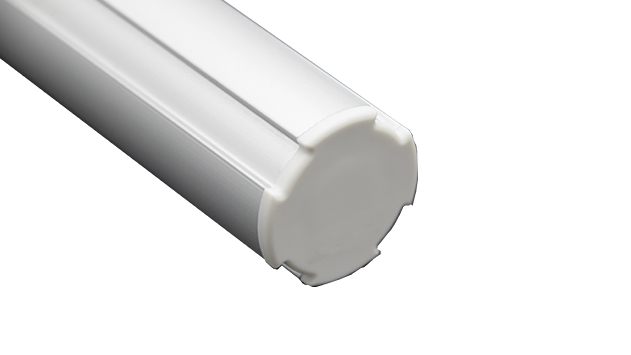
Plastic pipe cover to cover dia 28MM aluminum pipe end at workbench, flow rack, to prevent metal surface scratch material or worker.
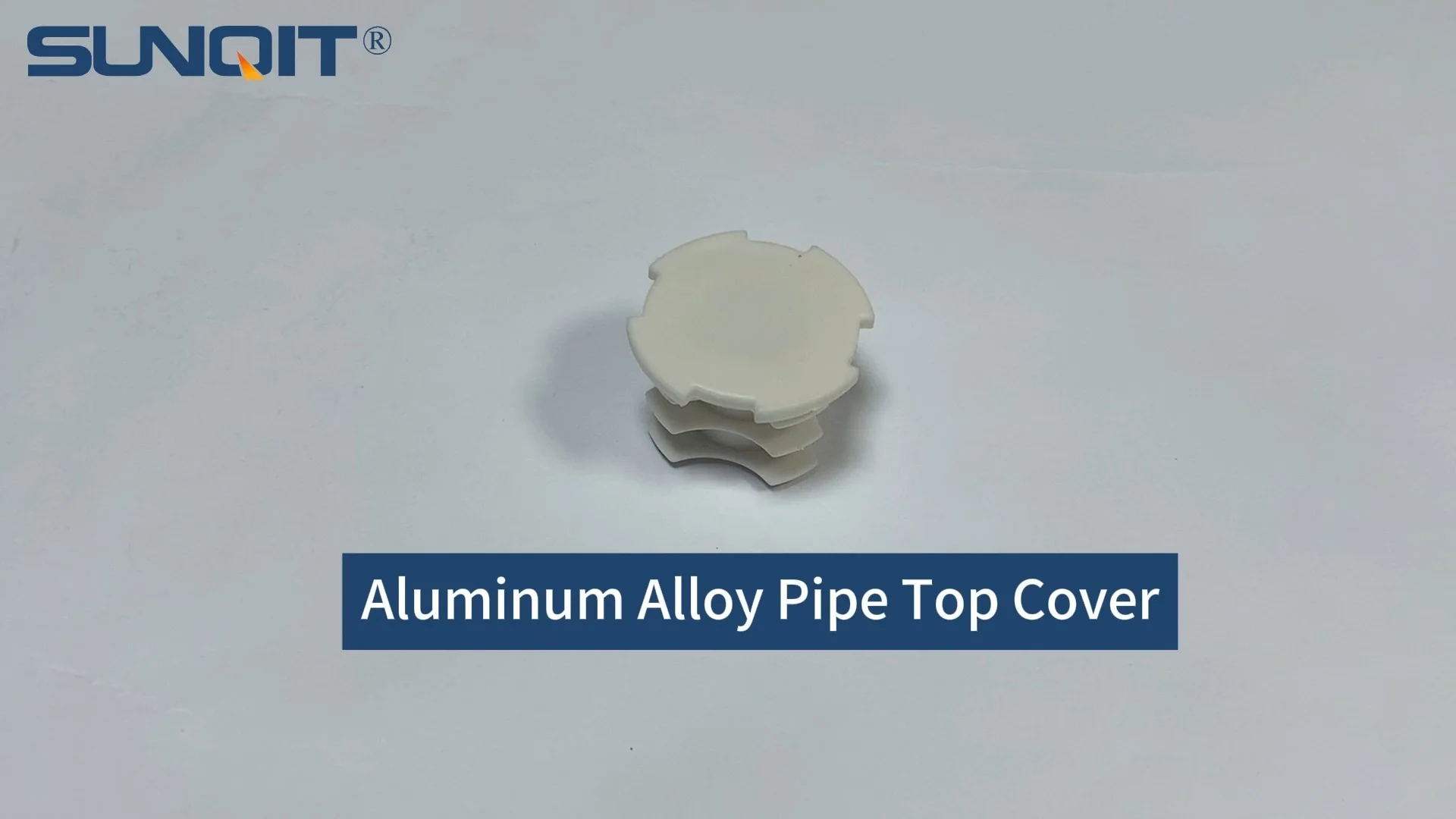
In the fast-paced world of manufacturing, production lines are the lifeblood of operations. Every minute of downtime, every repair, and every replacement part chips away at profitability. While large machinery and high-tech equipment often steal the spotlight when it comes to maintenance concerns, it's the smaller, often overlooked components that can quietly drive up costs over time. One such component? The humble plastic pipe cover. In this article, we'll explore how something as simple as a plastic pipe sleeve or end cap can significantly reduce maintenance expenses, boost efficiency, and support the reliability of production lines—especially those built on lean principles, where waste reduction is key.
The Backbone of Production Lines: Pipes and Their Vulnerabilities
Before diving into the role of plastic pipe covers, it's important to understand why pipes themselves are so critical to production lines. From lean pipe workbenches and material racks to conveyor systems and aluminum profile structures, pipes are the unsung heroes that hold manufacturing operations together. They provide structural support, guide materials through assembly processes, and create the framework for everything from workstations to turnover trolleys. In lean systems, in particular, pipes—often aluminum lean pipes or stainless steel pipe series—are favored for their modularity, allowing teams to reconfigure workspaces quickly to adapt to changing production needs.
But here's the catch: these pipes are surprisingly vulnerable. Exposed to the harsh realities of a manufacturing floor—constant foot traffic, heavy equipment, chemical spills, moisture, and even accidental impacts—unprotected pipes are prone to damage. A lean pipe supporting a workbench might get dented when a turnover trolley bumps into it. An aluminum pipe in a material rack could corrode from exposure to coolant or humidity. The end of a stainless steel pipe might collect dust and debris, leading to jams in roller tracks. Over time, these small issues compound, turning into costly maintenance headaches.
What Are Plastic Pipe Covers, Anyway?
Plastic pipe covers are exactly what they sound like: protective components designed to shield pipes from damage, contamination, and wear. They come in two primary forms: plastic pipe sleeves and plastic pipe end caps (both of which appear in our keyword list). Let's break them down:
Plastic Pipe Sleeves : These are cylindrical tubes made from durable plastics like PVC, polyethylene, or polypropylene. They slide over the outer surface of a pipe, creating a protective barrier along its length. Sleeves are often used on exposed sections of pipes that are at risk of physical damage or corrosion, such as the legs of a lean pipe workbench or the rails of a roller track.
Plastic Pipe End Caps : As the name suggests, these caps seal off the open ends of pipes. They're typically rigid or semi-flexible, designed to snap or press-fit onto pipe ends to prevent dust, moisture, debris, or even small tools from entering the pipe's interior. End caps are especially crucial for pipes used in conveyor systems or material racks, where a blocked or damaged end could disrupt the flow of materials.
Both sleeves and end caps are available in a range of sizes to fit common pipe diameters—from small 0.5-inch lean tubes to larger 2-inch aluminum pipes—and are often color-coded (like the yellow and grey plastic roller track guide rails mentioned in the keyword list) for easy identification or to match workplace aesthetics.
The Hidden Costs of Unprotected Pipes: A Closer Look
To understand why plastic pipe covers are worth investing in, let's first quantify the costs of leaving pipes unprotected. Maintenance isn't just about fixing broken parts—it's about the cumulative impact of frequent repairs, downtime, and premature replacements. Here's how unprotected pipes drive up expenses:
1. Corrosion and Rust: Weakening Pipes from the Inside Out
Many production lines operate in environments with high humidity, exposure to water-based coolants, or even chemical cleaners. For metal pipes—whether aluminum, stainless steel, or lean pipes with metal cores—this moisture is a silent enemy. Without a protective barrier, pipes can corrode or rust, weakening their structural integrity over time. A rusted lean pipe supporting a workbench might bend under the weight of tools, leading to workstation instability. A corroded aluminum pipe in a material rack could snap, causing materials to spill and potentially injuring workers. The result? Emergency repairs, replacement pipes, and downtime while the line is offline.
Consider this example: A small electronics manufacturer uses a lean pipe workbench (a "workbench e (single deck-without caster)" from our keyword list) in its production assemble area. The workbench legs, made of 1.5mm pe coated lean pipe, are exposed to daily spills of isopropyl alcohol used to clean circuit boards. Over six months, the coating wears thin, and the metal core begins to rust. The legs weaken, causing the workbench to wobble, which in turn leads to misaligned circuit board assemblies. To fix this, the manufacturer must shut down the line for 2 hours, replace the corroded legs (costing $45 per pipe, plus $120 in labor), and reconfigure the workbench. Total cost: $45*4 (legs) + $120 labor + $800 in downtime (assuming $400/hour line rate) = $1,100. All this could have been prevented with a $3 plastic pipe sleeve per leg.
2. Physical Damage: Dents, Cracks, and Misalignment
Manufacturing floors are busy places. Forklifts, pallet jacks, and turnover trolleys are constantly on the move, and accidents happen. An exposed pipe is an easy target for a wayward trolley wheel or a dropped tool. A small dent might seem harmless, but in a lean system—where precision matters—a dented pipe can throw off the alignment of roller tracks or conveyor systems. For example, a dented section of roller track placon mount could cause materials to jam, slowing down production. A cracked pipe end might snag on clothing or gloves, creating a safety hazard that requires immediate attention.
Even minor damage adds up. A survey by the Manufacturing Maintenance Council found that 30% of unplanned downtime in production lines is caused by "small part failures," including damaged pipes and joints. For a mid-sized manufacturer with a daily production value of $50,000, even 30 minutes of unplanned downtime due to a dented pipe costs $25,000. Multiply that by several incidents a year, and the numbers become staggering.
3. Contamination: Debris, Dust, and the Domino Effect
Open pipe ends are magnets for dust, dirt, and debris—especially in busy production environments. A plastic pipe end cap might seem trivial, but without it, the end of a pipe can collect everything from metal shavings to plastic particles. In conveyor systems, this debris can work its way into roller track connectors or caster wheels, causing them to jam or wear out prematurely. In ESD workstations, where static control is critical, dust buildup on exposed pipes can even interfere with electrostatic discharge protection, leading to product defects.
Take a material rack b (3 row and 3 floor) from our keyword list, used to store small plastic components. The rack's vertical supports are aluminum pipes with open ends. Over time, dust and small plastic fragments collect inside these pipes. When the rack is moved (using its caster wheels), the debris shifts, scratching the interior of the pipes and weakening the connection to the rack's joints. Eventually, the joints loosen, and the rack becomes unstable, requiring maintenance crews to disassemble, clean, and re-tighten the joints—a 3-hour process costing $360 in labor alone.
4. Premature Replacement: Throwing Money Away on Unnecessary Upgrades
Perhaps the most insidious cost of unprotected pipes is premature replacement. Even if a pipe doesn't fail outright, wear and tear from corrosion, impacts, and contamination can shorten its lifespan. A lean pipe that should last 5 years might need to be replaced after 2 years if left unprotected. Multiply this by hundreds of pipes across a production line, and the replacement costs—for pipes, joints, and labor—quickly spiral into the tens of thousands of dollars.

How Plastic Pipe Covers Slash Maintenance Costs: 5 Key Benefits
Now that we've explored the costs of unprotected pipes, let's turn to the solution: plastic pipe covers. These simple components act as a first line of defense, addressing each of the vulnerabilities above and delivering tangible savings. Here's how they directly reduce maintenance costs:
1. Corrosion and Rust Prevention: Extending Pipe Lifespan
Plastic pipe sleeves and end caps are inherently resistant to moisture, chemicals, and corrosion. Made from materials like PVC or polyethylene, they create a waterproof barrier between the pipe and the environment, even in humid or chemical-heavy areas. For example, a plastic pipe sleeve wrapped around an aluminum lean pipe in a coolant-prone automotive production line will prevent the metal from coming into contact with the liquid, stopping rust in its tracks. Similarly, a plastic pipe end cap on a stainless steel pipe in a food processing plant will seal out water and cleaning agents, ensuring the pipe remains corrosion-free for years.
The result? Pipes last longer. Instead of replacing a lean pipe every 2 years, you might get 5–7 years of use. This reduces the frequency of replacement purchases and the labor costs associated with swapping out old pipes. In fact, a study by the Lean Manufacturing Institute found that manufacturers using plastic pipe covers on their lean systems reported a 40% reduction in pipe replacement costs over a 3-year period.
2. Physical Damage Protection: Absorbing Impacts, Preventing Dents
Plastic is surprisingly tough. A thick plastic pipe sleeve can absorb the impact of a collision with a turnover trolley or a dropped tool, protecting the pipe underneath from dents or cracks. For example, a plastic roller track guide rail yellow (from our keyword list) might have a plastic sleeve along its length; if a pallet jack bumps into it, the sleeve takes the hit, leaving the aluminum guide rail undamaged. Similarly, a plastic pipe end cap on a lean pipe workbench leg can prevent the pipe from bending if someone accidentally kicks it.
This impact resistance translates to fewer emergency repairs. Instead of shutting down the line to fix a dented pipe, teams can simply inspect the sleeve—if it's damaged, replace it for a few dollars, without touching the pipe itself. For high-traffic areas, like near conveyor systems or caster wheel paths, this is a game-changer.
3. Contamination Control: Keeping Pipes Clean and Functional
Plastic pipe end caps are designed to seal pipe ends tightly, preventing dust, debris, and liquids from entering. This is especially critical for pipes used in roller tracks or conveyor systems, where even a small amount of debris can cause jams. For example, the swivel roller balls 1 inch in a flow rack rely on smooth movement to guide materials; if debris gets inside the roller track placon mount for rail connection, the balls might stick, slowing down material flow. A plastic end cap on the track's pipe prevents this debris from entering in the first place, reducing the need for frequent cleaning and maintenance.
Similarly, plastic pipe sleeves create a smooth, non-porous surface that's easy to clean. Unlike bare metal, which can trap dust and grime in scratches, a plastic sleeve can be wiped down with a damp cloth in seconds, keeping pipes looking and functioning like new. This is a boon for ESD workstations, where cleanliness is critical to preventing static buildup and protecting sensitive electronics.
4. Reduced Labor Costs: Less Time Fixing, More Time Producing
Maintenance labor is one of the biggest line items in manufacturing budgets. Every hour a technician spends repairing a pipe is an hour they're not spending on proactive maintenance or process improvements. Plastic pipe covers reduce this burden by minimizing the need for repairs, cleaning, and replacements. For example:
- A lean pipe supplier reports that clients using plastic pipe sleeves require 30% fewer service calls for pipe-related issues.
- A food manufacturer using plastic end caps on its stainless steel pipe series cut cleaning time for material racks by 50%, freeing up maintenance staff to focus on other tasks.
- An electronics plant with plastic-sleeved aluminum guide rails a reduced roller track jams by 65%, eliminating 10 hours of monthly downtime for jam clearing.
Over time, these labor savings add up. For a maintenance team of 5 technicians earning $30/hour, a 10-hour weekly reduction in pipe-related work translates to $6,000 in annual savings.
5. Improved Safety: Reducing Accidents and Liability
While not a direct "maintenance cost," workplace accidents caused by damaged pipes can lead to expensive workers' compensation claims, fines, and lost productivity. A cracked pipe that spills materials might cause a slip-and-fall. A sharp, exposed pipe end (without an end cap) could cut a worker's hand. Plastic pipe covers mitigate these risks by smoothing rough edges, preventing cracks, and keeping pipes structurally sound. For example, a plastic pipe end cap on a "basic aluminum tube" eliminates the sharp edge of the pipe, turning a potential hazard into a safe, rounded surface. In fact, OSHA reports that 15% of workplace injuries in manufacturing are caused by "struck-by" or "caught-between" hazards—many of which involve unprotected equipment components like pipes.

Real-World Impact: Case Studies from Lean Manufacturers
To put these benefits into perspective, let's look at two real-world examples of manufacturers that reduced maintenance costs by adopting plastic pipe covers:
Case Study 1: Automotive Parts Supplier Cuts Maintenance Costs by 28%
A mid-sized automotive parts manufacturer in Michigan operates 12 lean pipe workbenches (workbench e models) and 8 material racks (material rack b) across its production lines. Prior to 2023, the company rarely used pipe covers, leading to frequent issues with corroded legs, dented roller tracks, and jammed conveyor systems. Maintenance costs averaged $12,000 per year for pipe repairs and replacements.
In early 2023, the company partnered with a lean pipe supplier to outfit all its pipes with plastic pipe sleeves and end caps. The investment was minimal: $1,800 for 500 sleeves and 300 end caps. By the end of the year, maintenance costs had dropped to $8,600—a 28% reduction. The manufacturer also reported a 40% decrease in pipe-related downtime, translating to an additional $32,000 in recovered production value. Total ROI: 18x in the first year.
Case Study 2: Electronics Manufacturer Eliminates 90% of Roller Track Jams
A California-based electronics manufacturer uses a complex system of roller tracks (including 40 steel roller track yellow wheel and 38 aluminum roller track black esd with side guide from our keyword list) to move circuit boards through assembly. Prior to using plastic pipe end caps, the open ends of the roller track pipes collected dust and solder debris, causing jams an average of 3 times per week. Each jam required 30 minutes to clear, costing $200 in downtime per incident ($31,200 annually).
In 2022, the company installed plastic pipe end caps on all roller track pipes. The result? Jams dropped to just 1 per month, reducing downtime costs to $2,400 annually—a savings of $28,800. The end caps cost $450 total, delivering an ROI of 64x.
Plastic Pipe Covers vs. Alternatives: A Cost Comparison
You might be wondering: Are plastic pipe covers the only option for protecting pipes? While there are alternatives—like metal caps, rubber sleeves, or even tape—none offer the same combination of cost-effectiveness, durability, and ease of use. To illustrate this, let's compare plastic pipe covers to three common alternatives using a side-by-side table:
| Protection Type | Material Cost (per unit) | Installation Time (per pipe) | Expected Lifespan (months) | Maintenance Reduction Potential (%) | Best For |
|---|---|---|---|---|---|
| Plastic Pipe Sleeve | $2–$5 | 2–3 minutes | 24–36 | 40–60% | General-purpose protection; high-traffic areas |
| Plastic Pipe End Cap | $0.50–$2 | 1 minute | 18–24 | 30–50% | Sealing pipe ends; preventing debris buildup |
| Metal Cap (Steel/Aluminum) | $8–$15 | 5–10 minutes (requires tools) | 60+ | 50–70% | Heavy-impact environments; outdoor use |
| Rubber Sleeve | $4–$8 | 3–5 minutes | 12–18 | 20–30% | Shock absorption; temporary protection |
| Duct Tape | $0.10–$0.30 | 2–5 minutes (frequent reapplication) | 1–3 | 5–10% | Emergency, short-term fixes |
As the table shows, plastic pipe covers offer the best balance of cost, ease of installation, and effectiveness. Metal caps, while durable, are expensive and time-consuming to install—overkill for most indoor production lines. Rubber sleeves wear out quickly, and tape is a temporary fix at best. For lean manufacturers focused on waste reduction, plastic pipe covers deliver the most bang for the buck.
Choosing the Right Plastic Pipe Covers for Your Production Line
Not all plastic pipe covers are created equal. To maximize maintenance savings, it's important to choose the right type and size for your specific pipes and environment. Here are a few tips:
1. Match the Cover to the Pipe Material and Size
Ensure the cover fits snugly. A loose sleeve or end cap won't provide adequate protection. Most lean pipe suppliers or aluminum profile suppliers (like those in our keyword list) offer covers sized for common pipe diameters: 0.5 inch, 1 inch, 1.5 inch, etc. For example, a 1 inch swivel roller ball track would pair with a 1 inch plastic pipe end cap.
2. Consider the Environment
If your production line uses chemicals or high temperatures, opt for heat-resistant or chemical-resistant plastics (e.g., PVC for chemicals, polyethylene for low temperatures). For ESD workstations, look for static-dissipative plastic covers to maintain electrostatic control.
3. Buy in Bulk
Most lean pipe wholesale suppliers offer discounts for bulk purchases. Stocking up on plastic pipe sleeves and end caps ensures you have them on hand when needed, avoiding delays in protecting new pipes or replacing worn covers.
4. Train Teams to Install and Inspect Covers
Make pipe cover installation part of your standard operating procedure (SOP) for setting up new workbenches, racks, or conveyor systems. Train maintenance staff to inspect covers during routine checks, replacing any that are cracked, loose, or worn.
Conclusion: Small Investment, Big Returns
In the world of manufacturing, where every dollar counts, plastic pipe covers are a textbook example of "small investment, big returns." By protecting pipes from corrosion, damage, and contamination, these simple components extend pipe lifespans, reduce repair costs, minimize downtime, and even improve workplace safety. For lean manufacturers, they align perfectly with the principle of waste reduction—eliminating the unnecessary costs of premature pipe replacement and emergency maintenance.
Whether you're running a small electronics shop with a handful of lean pipe workbenches or a large automotive plant with miles of conveyor systems, plastic pipe covers deserve a spot in your maintenance toolkit. They may not be as glamorous as a new robot or a high-speed conveyor, but when it comes to the bottom line, they're one of the smartest investments you can make.
So, the next time you walk through your production line, take a look at those pipes. Are they protected? If not, imagine the savings waiting for you—one plastic sleeve, one end cap at a time.