- Company Articles
- Products and Technology
- Product knowledge
- How Plastic Pipe End Caps Enhance Safety in Automotive Manufacturing Processes

How Plastic Pipe End Caps Enhance Safety in Automotive Manufacturing Processes
Related Product
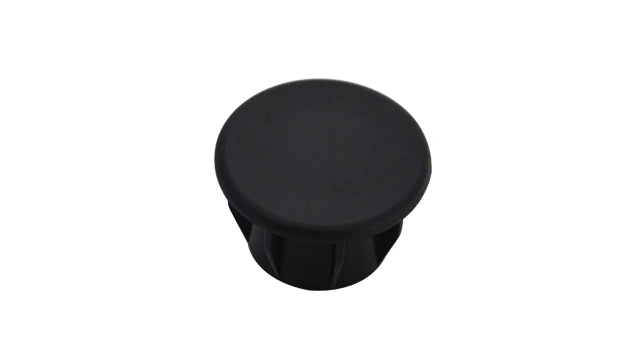
Plastic pipe end cap
Plastic pipe cover, used for 28mm two end cover and protection, to avoid any scratch from sharp metal surface.
In the fast-paced world of automotive manufacturing, where precision meets productivity, safety is often the unsung hero that keeps operations running smoothly. Every day, workers navigate bustling floors filled with machinery, tools, and modular structures—all designed to streamline production but also posing hidden risks if not properly managed. One often-overlooked component that plays a critical role in this safety ecosystem? The humble plastic pipe end cap. Though small in size, these unassuming accessories are workhorses when it comes to protecting workers, reducing downtime, and ensuring the integrity of manufacturing systems. In this article, we'll dive into how plastic pipe end caps, when paired with lean pipes, workbenches, conveyors, and roller tracks, become essential tools for enhancing safety in automotive production lines.
The Hidden Risks of Exposed Pipes in Manufacturing
To understand why plastic pipe end caps matter, let's first paint a picture of a typical automotive manufacturing floor. Imagine rows of lean pipe workbenches where assemblers piece together intricate components, conveyor systems ferrying parts between stations, and roller tracks guiding materials to their next destination. Underpinning much of this infrastructure are metal or aluminum pipes—lightweight, durable, and ideal for building modular structures. But here's the catch: when these pipes are cut to size or assembled into frames, their ends are often left exposed. Over time, these exposed ends can become sharp, jagged, or prone to collecting debris—turning a simple structural element into a potential hazard.
Consider the risks: A worker hurrying to meet a production deadline brushes their arm against an exposed lean pipe end while reaching for a tool—resulting in a deep cut that requires first aid and lost work time. A small part, like a washer or screw, slips into an open pipe end on a conveyor, jamming the system and halting the line for hours. Or, in a cleanroom environment where precision is paramount, dust and contaminants accumulate inside an uncovered aluminum profile, compromising the quality of sensitive automotive parts. These scenarios aren't just hypothetical; they're daily concerns in facilities that overlook pipe end protection.
The statistics back this up. According to industry reports, minor cuts and abrasions are among the most common workplace injuries in manufacturing, often caused by contact with sharp edges or protruding components. In automotive plants specifically, where workers interact with modular structures daily, exposed pipe ends are a frequent culprit. Beyond physical harm, these incidents disrupt workflow, increase workers' compensation claims, and erode morale—all of which chip away at the efficiency that lean manufacturing systems aim to achieve.
What Are Plastic Pipe End Caps, Anyway?
Before we dive into their safety benefits, let's clarify what plastic pipe end caps are. Simply put, these are protective covers designed to fit snugly over the open ends of pipes, tubes, or profiles. Made from materials like polypropylene, nylon, or polyethylene, they're engineered to be flexible yet durable, able to withstand the wear and tear of a busy manufacturing environment. Most are designed for a friction fit—meaning they slide easily onto pipe ends and stay in place without the need for adhesives or tools—though some may feature locking tabs for added security.
What makes plastic end caps so versatile is their compatibility with a range of pipe types. Whether you're working with traditional steel lean pipes, lightweight aluminum lean pipes, or even aluminum extrusion profiles, there's an end cap designed to match the pipe's diameter and material. They come in various sizes (from 0.5 inch to 1 inch, as noted in common inventory lists) and colors (yellow, grey, and black are standard), making them easy to integrate into existing systems or color-code for organizational purposes. For example, a yellow end cap might signal a high-traffic area, while a black ESD-safe cap could be used in zones where electrostatic discharge protection is critical.
But their design isn't just about covering ends. Many plastic pipe end caps feature ribbed interiors to ensure a tight seal, rounded edges to prevent snags, and even UV-resistant properties to withstand exposure to factory lighting. Some are also heat-resistant, making them suitable for use near machinery that generates warmth. In short, they're built to solve specific safety and functional problems—proving that good design often lies in the details.

Safety Benefit #1: Eliminating Sharp Edges and Abrasion Risks
The most obvious—and perhaps most important—safety role of plastic pipe end caps is blunting sharp edges. When pipes are cut to length during assembly, even with precision tools, the cut ends can leave burrs, metal shavings, or uneven surfaces. Over time, these edges become sharper as the pipe rubs against other components or is exposed to friction. For workers, this means a high risk of lacerations when handling or moving around the structure.
Plastic end caps act as a buffer, covering these rough edges with a smooth, rounded surface. Take a lean pipe workbench, for example. Assemblers often lean over these workbenches for hours, reaching across surfaces to grab tools or parts. Without end caps, the corners of the bench's supporting pipes could easily catch on clothing or skin. With a well-fitted end cap, the edge becomes harmless—reducing the chance of scrapes, cuts, or torn gloves. In fact, facilities that have adopted end caps report a noticeable drop in minor injury reports related to pipe contact, freeing up safety teams to focus on larger hazards.
This protection isn't just for human hands. Think about the parts being manufactured, too. Delicate automotive components like wiring harnesses or plastic trim pieces are easily damaged by sharp edges. An exposed pipe end on a material rack could snag a wiring loom, fraying insulation and creating a quality control issue. By capping those ends, manufacturers ensure that parts glide smoothly across surfaces without unnecessary wear and tear—saving on rework costs and improving product reliability.

Safety Benefit #2: Securing Lean Pipe Structures and Preventing Collapse
Lean manufacturing systems rely on modularity—structures that can be quickly reconfigured to adapt to changing production needs. This flexibility is a strength, but it also means that components like lean pipes and joints are often disassembled and reassembled. Over time, repeated handling can loosen connections, and exposed pipe ends can compromise the stability of the entire structure. Here's where plastic end caps add another layer of safety: by reinforcing pipe joints and preventing slippage.
Many lean pipe joints are designed to grip the outer surface of pipes, using friction or set screws to hold them in place. An exposed pipe end, however, can weaken this grip. Without a cap, the pipe may shift slightly within the joint, especially under vibration from nearby machinery or the weight of heavy tools. Over time, this shift can throw the entire structure out of alignment—leading to wobbly workbenches, sagging conveyor rails, or even collapsed material racks. In the worst cases, a unstable structure could topple, injuring workers or damaging expensive equipment.
Plastic end caps address this by adding structural integrity. When a cap is pressed onto the end of a pipe, it creates a rigid barrier that prevents the pipe from compressing or deforming within the joint. This is especially true for end caps with internal ribs or flanges, which lock into place and distribute stress evenly across the joint. Think of it like adding a plug to a hollow tube—suddenly, the tube becomes stiffer and more resistant to bending. For lean pipe systems that support heavy loads, like a material rack B (3 row and 3 floor) stacked with automotive parts, this added stability is critical for preventing catastrophic failure.
Safety Benefit #3: Reducing Contamination and Debris Buildup
In automotive manufacturing, cleanliness isn't just about aesthetics—it's about quality. Even tiny particles of dust, metal shavings, or oil can ruin a precision part, leading to recalls or performance issues down the line. Exposed pipe ends are magnets for this kind of contamination. Their hollow interiors act like mini vacuums, sucking in debris from the air or the factory floor. Over time, this debris can accumulate, creating a breeding ground for bacteria or interfering with the function of the pipe itself.
Plastic pipe end caps seal off these open ends, acting as a barrier against contaminants. For example, in areas where electronics are assembled (like dashboard control modules), dust inside an aluminum profile could short-circuit a component. By capping the profile, manufacturers ensure that only clean, filtered air circulates around sensitive parts. Similarly, in food-grade automotive facilities (yes, some components require food-safe materials), end caps prevent crumbs, oils, or other residues from collecting in pipes—maintaining compliance with strict hygiene standards.
Debris buildup isn't just a quality issue; it's a safety one, too. Imagine a roller track used to move heavy engine blocks. If a small screw or metal chip falls into an exposed pipe end along the track, it could work its way into the roller mechanism, causing it to jam. A jammed roller track isn't just a production delay—it's a hazard. Workers might rush to clear the jam manually, putting their hands near moving parts, or the sudden stop could cause parts to topple. End caps eliminate this risk by keeping foreign objects out of pipes and tracks, ensuring smooth, uninterrupted operation.
Safety Benefit #4: Enhancing Compatibility with Conveyors and Roller Tracks
Automotive manufacturing thrives on efficiency, and few systems are as critical to efficiency as conveyors and roller tracks. These systems keep parts moving seamlessly from one station to the next, reducing the need for manual handling and cutting down on transit time. But conveyors and roller tracks are only as reliable as their components—and plastic pipe end caps play a quiet but vital role in keeping them safe.
Consider a gravity-fed roller track used to move bins of fasteners to an assembly station. The track is supported by a frame of lean pipes, each cut to size to create a slight incline. Without end caps, the exposed pipe ends at the top or bottom of the track could catch on the bins as they slide down, causing them to tip or jam. This not only disrupts flow but also creates a risk of falling objects—imagine a bin of nuts and bolts spilling onto the floor, creating a slip hazard. With end caps, the pipe ends are smooth and rounded, allowing bins to glide past without obstruction.
Conveyors, too, benefit from end caps. Many conveyor systems use aluminum profiles or steel pipes to support their frames. Over time, vibration from the conveyor can cause exposed pipe ends to wear down, creating sharp burrs that could snag on the conveyor belt or the parts being transported. A snagged belt might tear, leading to a sudden stop and potential injury from flying debris. End caps protect against this wear, extending the life of the conveyor frame and reducing the risk of unexpected failures.
Real-World Impact: Case Studies from Automotive Plants
To put these benefits into perspective, let's look at a few hypothetical (but realistic) case studies from automotive facilities that adopted plastic pipe end caps:
Case Study 1: Reducing Cuts in a Lean Pipe Workbench Area
A mid-sized automotive parts manufacturer was struggling with frequent minor cuts among assemblers working at lean pipe workbenches. Safety audits revealed that 60% of these cuts were linked to exposed pipe ends on the benches' support frames. The facility decided to install plastic end caps on all workbench pipes, prioritizing high-traffic areas first. Within three months, reported cuts dropped by 75%, and workers noted feeling more confident moving around the benches without worrying about sharp edges. The cost of the end caps was offset by reduced first aid supplies and lower workers' compensation claims.
Case Study 2: Preventing Conveyor Jams in a Transmission Assembly Line
A major automaker's transmission assembly line was plagued by conveyor jams, often caused by debris entering exposed pipe ends on the conveyor's support structure. These jams were costing the plant an average of 10 hours of downtime per month. After installing end caps on all conveyor frame pipes, the number of jams decreased by 90%. Maintenance teams reported spending less time clearing debris and more time on proactive upkeep, while production targets were consistently met for the first time in six months.
Case Study 3: Improving Cleanroom Compliance with End Caps
A supplier of automotive sensors operates a Class 8 cleanroom where even small particles can ruin sensitive components. Inspectors noted that dust was accumulating inside uncovered aluminum profiles used in material racks, leading to failed quality checks. The supplier switched to sealed plastic end caps on all profiles, and within weeks, particle counts dropped below compliance thresholds. This not only improved product quality but also reduced the need for expensive rework—saving the company over $50,000 annually.
Choosing the Right Plastic Pipe End Caps for Your Facility
Not all plastic pipe end caps are created equal, and choosing the right ones depends on your facility's specific needs. Here are key factors to consider:
- Pipe Size: End caps come in standard sizes (0.5 inch, 1 inch, etc.) to match common lean pipe and aluminum profile diameters. Always measure your pipes before purchasing to ensure a snug fit—too loose, and the cap may fall off; too tight, and it could crack during installation.
- Material: Polypropylene is a popular choice for general use, offering good impact resistance and chemical compatibility. Nylon end caps are ideal for high-wear areas, as they're more durable. For ESD-sensitive zones (like electronics assembly), look for ESD-safe plastic blends that dissipate static electricity.
- Environment: If your facility uses harsh chemicals or high temperatures, opt for heat-resistant or chemical-resistant end caps. For outdoor or UV-exposed areas, UV-stabilized materials will prevent cracking and fading.
- Installation: Most end caps are designed for tool-free installation (simply press them on), but some may require adhesives or screws for added security. Choose the style that best fits your team's ability to install and replace caps quickly.
| End Cap Material | Best For | Safety Benefits | Considerations |
|---|---|---|---|
| Polypropylene | General manufacturing areas, lean pipe workbenches | Smooth surface, cost-effective, easy to install | Not ideal for high-heat environments |
| Nylon | High-wear zones, conveyor systems, roller tracks | Durable, resistant to abrasion and impact | Slightly stiffer; may require more force to install |
| ESD-Safe Plastic | Electronics assembly, cleanrooms | Dissipates static, prevents electrostatic damage | More expensive than standard plastics |
| Polyethylene | Cold storage or food-grade areas | Flexible, resistant to moisture and low temperatures | Less rigid than polypropylene or nylon |
Conclusion: Small Caps, Big Safety Returns
In the grand scheme of automotive manufacturing, plastic pipe end caps may seem like a minor detail. But as we've explored, their impact on safety is anything but small. From blunting sharp edges and securing lean pipe structures to preventing contamination and enhancing conveyor reliability, these unassuming accessories are essential for creating a safer, more efficient workplace. They're a testament to the idea that safety in manufacturing isn't just about big-ticket items like guards or safety barriers—it's about the cumulative effect of small, thoughtful choices.
For automotive manufacturers looking to reduce injuries, minimize downtime, and protect their most valuable asset—their workers—investing in plastic pipe end caps is a no-brainer. They're affordable, easy to install, and compatible with existing lean systems, workbenches, conveyors, and roller tracks. And when paired with other safety best practices, they help create a culture where safety and productivity go hand in hand.
So the next time you walk through a manufacturing facility, take a moment to look at the lean pipe frames, the conveyor supports, and the roller track structures. If you see smooth, capped ends, you'll know that someone there understands the power of small safety solutions. After all, in automotive manufacturing, the difference between a good day and a bad day often comes down to the details—and plastic pipe end caps are one detail that never fails to deliver.