- Company Articles
- Products and Technology
- Product knowledge
- How Plastic Pipe End Caps Prevent Contamination in Medical Device Assembly

How Plastic Pipe End Caps Prevent Contamination in Medical Device Assembly
Related Product
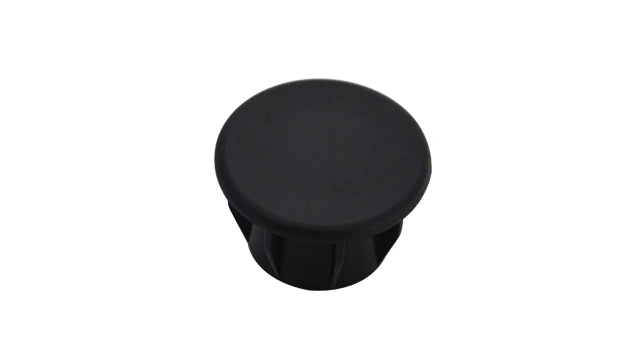
Plastic pipe end cap
Plastic pipe cover, used for 28mm two end cover and protection, to avoid any scratch from sharp metal surface.
In the high-stakes world of medical device manufacturing, even the smallest oversight can have life-altering consequences. From pacemakers to surgical tools, every product must meet rigorous standards for safety and sterility. Today, we're shining a light on an unsung hero of contamination control: plastic pipe end caps. These unassuming components play a critical role in keeping assembly lines clean, ensuring that the devices we rely on for health and healing are free from harmful particles, moisture, and microbes.
The Critical Role of Contamination Control in Medical Device Assembly
Contamination control isn't just a buzzword in medical manufacturing—it's a matter of patient safety. Imagine a scenario where a tiny metal shard or a cluster of bacteria finds its way into a cardiovascular implant. The result could be infection, device failure, or worse. That's why regulatory bodies like the FDA and ISO have strict guidelines (such as ISO 13485) that mandate contamination control measures at every stage of production, from raw material handling to final packaging.
In medical device assembly, contamination can come from countless sources: airborne particles, human contact, equipment wear, or even the tools and structures used to build the devices themselves. Assembly lines are often built using modular frameworks, like lean pipes, which allow for flexibility and customization. But these frameworks—with their open ends and connection points—can be hidden hotspots for contamination if not properly sealed. This is where plastic pipe end caps step in, acting as the first line of defense against unwanted intruders.
What Are Plastic Pipe End Caps?
At first glance, plastic pipe end caps might seem too simple to matter. They're small, lightweight, and often made from materials like polyethylene (PE), polypropylene (PP), or polyvinyl chloride (PVC). But don't let their simplicity fool you. These caps are precision-engineered to fit snugly over the ends of pipes—commonly used in lean pipe structures, workbenches, and conveyor systems—to seal off open pathways.
Think of them as the "stopper" for your morning coffee cup: without it, spills are inevitable. Similarly, without end caps, the open ends of pipes in an assembly line can accumulate dust, debris, and even moisture. Over time, these contaminants can dislodge, floating into the air or landing on sensitive medical components. Plastic pipe end caps put a stop to that by creating a tight seal that blocks entry points for particles and microorganisms.

How Plastic Pipe End Caps Prevent Contamination
Sealing Out Particles: A Barrier Against Dust and Debris
Assembly lines are busy places. From the constant movement of parts to the operation of machinery, there's no shortage of dust, metal shavings, and other particulates in the air. Even in cleanrooms, where air quality is tightly controlled, particles can still settle on exposed surfaces—including the open ends of lean pipes. Plastic pipe end caps act as a physical barrier, covering these openings and preventing particles from collecting inside the pipes. When pipes are used to build workbenches or material racks, sealed ends mean fewer opportunities for contaminants to dislodge and land on medical devices during production.
Blocking Moisture and Microorganisms
Moisture is another silent threat in medical manufacturing. It can promote the growth of bacteria, mold, and fungi, all of which are strictly prohibited in sterile environments. Plastic pipe end caps are designed to resist water and humidity, creating a seal that keeps moisture out of pipe interiors. This is especially important in facilities that use steam cleaning or regular sanitization protocols—without proper sealing, moisture could seep into pipes, creating hidden breeding grounds for microbes. By blocking moisture, end caps help maintain the integrity of the entire assembly system, ensuring that even hard-to-reach areas stay dry and sterile.
Maintaining Sterile Pathways in Conveyor and Roller Track Systems
Many medical device assembly lines rely on conveyor systems and roller tracks to move components from one workstation to the next. These systems often use pipes and profiles to support the movement of parts. If the ends of these pipes are left open, they can become reservoirs for contamination that's then transferred to passing components. Plastic pipe end caps ensure that these pathways remain sterile by sealing off any gaps where contaminants might hide. For example, in a roller track system used to transport surgical instruments, capped pipes prevent lubricants, dust, or debris from escaping and adhering to the instruments as they move along the line.
Compatibility with ESD Workstations: Protecting Sensitive Electronics
Electrostatic discharge (ESD) is a major concern in the production of electronic medical devices, such as pacemakers or diagnostic equipment. ESD workstations are designed to dissipate static electricity, preventing it from damaging sensitive components. Plastic pipe end caps, when made from ESD-safe materials, play a role here too. They not only seal the pipes but also ensure that the entire lean pipe structure remains grounded, reducing the risk of static buildup that could attract particles or cause electrical damage. This dual function—contamination control and ESD protection—makes them indispensable in modern medical assembly facilities.

Types of Plastic Pipe End Caps for Medical Applications
Not all plastic pipe end caps are created equal. Medical device manufacturers need options that align with their specific needs, whether it's resistance to harsh chemicals, compatibility with autoclaving, or adherence to strict regulatory standards. Here's a breakdown of the most common types used in medical assembly:
| Type of End Cap | Material | Key Features | Best For |
|---|---|---|---|
| Friction-Fit Polyethylene (PE) Caps | Medical-grade PE | Snug, tool-free installation; flexible; resistant to impact and chemicals | Lean pipes and workbenches in low-to-medium contamination risk areas |
| Threaded Polypropylene (PP) Caps | High-density PP | Screw-on design for a tighter seal; (heat-resistant); autoclavable | Conveyor systems and roller tracks requiring frequent sanitization |
| ESD-Safe PVC Caps | Conductive PVC | Dissipates static electricity; compatible with ESD workstations | Electronic medical device assembly lines |
| Sterile-Compliant Silicone Caps | Medical-grade silicone | Biocompatible; withstands repeated sterilization; flexible seal | Cleanrooms and sterile packaging areas |
Each type offers unique benefits, but the common thread is their ability to create a reliable seal. For example, sterile-compliant silicone caps are often used in cleanrooms where devices are assembled under aseptic conditions, as they can withstand steam autoclaving without degrading. Threaded PP caps, on the other hand, are ideal for roller tracks that require regular cleaning, as their screw-on design ensures a tight seal even after multiple washes.
Integration with Lean Pipes and Workbenches: A Perfect Partnership
Lean manufacturing principles are the backbone of efficient medical device assembly. Lean pipes—lightweight, modular tubes used to build workbenches, material racks, and assembly lines—are a cornerstone of this approach, allowing facilities to adapt quickly to changing production needs. But lean systems are only as effective as their components, and plastic pipe end caps are a critical part of that ecosystem.
When lean pipes are cut to length or connected with joints, their ends are often left exposed. Without end caps, these openings can accumulate debris, making the entire structure harder to clean and more prone to contamination. By capping these ends, manufacturers ensure that their lean systems remain hygienic and compliant with regulatory standards. For example, a lean pipe workbench used to assemble insulin pumps must be easy to sanitize; capped pipes eliminate crevices where bacteria could hide, simplifying cleaning and reducing the risk of cross-contamination.
Moreover, plastic pipe end caps enhance the durability of lean systems. By protecting pipe ends from impact and wear, they extend the lifespan of the equipment, reducing the need for frequent replacements. In an industry where downtime is costly, this longevity translates to better efficiency and lower operational expenses.
Real-World Impact: Case Studies in Contamination Prevention
Case Study 1: Reducing Particle Contamination in a Surgical Instrument Plant
A leading manufacturer of laparoscopic tools was struggling with recurring particle contamination in their cleanroom. After an audit, they discovered that open-ended lean pipes in their assembly workbenches were collecting dust and metal shavings, which were then dislodging onto instruments during production. The solution? Installing friction-fit PE end caps on all exposed pipe ends. Within three months, particle counts in the cleanroom dropped by 42%, and the number of rejected instruments due to contamination fell by 35%. The plant also reported easier cleaning routines, as staff no longer had to spend time vacuuming out pipe interiors.
Case Study 2: Preventing Moisture Buildup in a Pacemaker Assembly Line
A cardiac device manufacturer faced a challenge with moisture-related mold growth in their conveyor system, which transported sensitive pacemaker components. The root cause was identified as condensation seeping into open-ended aluminum pipes used in the conveyor's frame. By switching to threaded PP end caps—resistant to both moisture and the high temperatures of their steam cleaning process—the company eliminated mold growth entirely. This not only improved sterility but also reduced maintenance costs, as the conveyor required fewer repairs due to corrosion.
Best Practices for Implementing Plastic Pipe End Caps
To maximize the effectiveness of plastic pipe end caps, medical device manufacturers should follow these best practices:
- Choose the Right Material: select end caps made from medical-grade materials that meet FDA and ISO standards. For sterile environments, opt for autoclavable options like PP or silicone.
- Ensure Proper Fit: Ill-fitting caps can loosen over time, compromising the seal. Work with suppliers who offer custom sizing for non-standard pipe diameters.
- Regular Inspection: Include end caps in routine maintenance checks. Look for cracks, wear, or loosening, and replace them immediately if damaged.
- Train Staff: Educate assembly line workers on the importance of end caps. Ensure they know to report missing or damaged caps to prevent contamination risks.
- Integrate with Cleaning Protocols: Pair end caps with regular cleaning schedules. For example, in ESD workstations, use anti-static cleaning agents that won't degrade the caps' material.
Conclusion: Small Components, Big Impact
In the world of medical device assembly, where precision and safety are non-negotiable, plastic pipe end caps prove that even the smallest components can make a world of difference. By sealing off open pipes, blocking contaminants, and supporting sterile workflows, these unassuming caps play a vital role in ensuring that the devices we depend on are safe, reliable, and free from harm.
As manufacturing techniques evolve and regulatory standards become stricter, the importance of contamination control will only grow. Plastic pipe end caps are more than just "add-ons"—they're essential tools in the fight to protect patient health. So the next time you walk through a medical assembly plant, take a moment to appreciate the quiet work of these tiny guardians. They may not grab headlines, but they're saving lives, one sealed pipe at a time.