- Company Articles
- Products and Technology
- Product knowledge
- How Plastic Pipe End Caps Support Flexible Production Workstations

How Plastic Pipe End Caps Support Flexible Production Workstations
Related Product
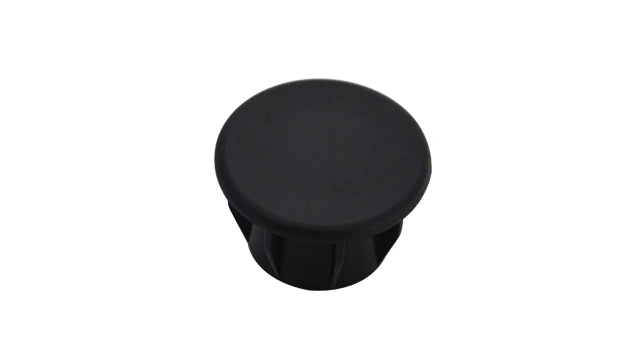
Plastic pipe end cap
Plastic pipe cover, used for 28mm two end cover and protection, to avoid any scratch from sharp metal surface.
In today's fast-paced manufacturing landscape, the ability to adapt is everything. Factories and workshops worldwide are moving away from rigid, one-size-fits-all setups toward flexible production workstations—environments designed to pivot quickly with changing demands, whether that's a new product line, higher output, or shifting workflows. At the heart of this flexibility lies the lean pipe system, a modular framework of pipes, joints, and accessories that lets teams build, modify, and repurpose workbenches, racks, and trolleys with ease. But amid the array of components that make these systems tick, there's one small yet mighty part that often goes unnoticed: the plastic pipe end cap. These unassuming caps play a critical role in turning a basic lean pipe structure into a safe, durable, and truly flexible workstation. Let's dive into how they do it.
Understanding Flexible Production Workstations
Before we zoom in on plastic pipe end caps, let's clarify what makes a production workstation "flexible." In essence, it's a workspace that can evolve. Traditional workstations are often built with fixed materials like welded steel or solid wood—sturdy, but impossible to reconfigure without cutting, drilling, or rebuilding from scratch. If a team needs to add a shelf, lower a workbench height, or repurpose the setup for a new task, they're stuck starting over, wasting time and resources.
Flexible workstations, by contrast, are built on modularity. Using systems like lean pipe (also known as "tube and joint" systems), they're assembled from standardized components that connect and disconnect without specialized tools. This means a single lean pipe workbench can transform into a flow rack by swapping out a few parts, or a trolley with caster wheels can be reconfigured into a static assembly station in an hour. For manufacturers dealing with short product cycles, custom orders, or seasonal demand spikes, this adaptability isn't just convenient—it's a competitive advantage.
But flexibility isn't just about rearranging parts. It's also about safety, efficiency, and longevity. A workstation that wobbles, snags clothing, or deteriorates quickly under daily use won't support productivity, no matter how easy it is to reconfigure. That's where the details matter—and that's where plastic pipe end caps enter the picture.
The Backbone: Lean Pipe Systems Explained
To appreciate the role of plastic pipe end caps, we first need to understand the lean pipe system itself. Lean pipe, the foundation of these modular setups, is typically a metal tube (often steel or aluminum) coated in plastic or rubber to resist corrosion and reduce noise. These pipes come in standard diameters (common sizes include 28mm and 30mm) and lengths, making them easy to cut and connect using a variety of joints—swivel joints, T-joints, elbow joints, and more. Add accessories like shelves, casters, and tool hooks, and you've got a system that can build everything from simple workbenches to complex material handling setups.
The magic of lean pipe lies in its simplicity. Unlike traditional construction, there's no welding or permanent fastening. Joints twist or clamp onto pipes, creating a secure but removable connection. This modularity is why lean pipe systems are a cornerstone of lean manufacturing principles—they minimize waste by maximizing reuse. A factory might use the same set of pipes and joints to build a prototype station in the morning and a packaging line in the afternoon, reducing the need for excess inventory or dedicated equipment.
But even the most modular system needs reliable components to hold it all together. That's where every part, no matter how small, counts. Pipes are the skeleton, joints are the muscles, and plastic pipe end caps? They're the protective skin that keeps the skeleton intact and functional.

The Unsung Hero: What Are Plastic Pipe End Caps?
At first glance, a plastic pipe end cap is straightforward: it's a small, usually cylindrical piece of plastic designed to fit snugly over the open end of a lean pipe. They're often made from durable plastics like polyethylene (PE) or polypropylene (PP), chosen for their flexibility, impact resistance, and resistance to chemicals and moisture. Some are smooth and plain; others come in bright colors or with textured surfaces. But don't let their simplicity fool you—these caps are engineered to solve specific, critical problems in lean pipe systems.
Think about a raw lean pipe end. Without a cap, it's an open metal tube with sharp edges (from cutting) and a hollow interior. That might not sound like a big deal, but in a busy workstation, that open end becomes a hazard. An employee reaching across the workbench could scrape their arm on the sharp edge. Dust, oil, or debris could clog the pipe, making it harder to connect joints later. Over time, moisture could seep inside, causing the metal to rust and weaken. And if the pipe is part of a mobile setup (like a trolley with caster wheels), that open end might even catch on cables or packaging materials as it moves.
Plastic pipe end caps seal off that open end, addressing all these issues at once. They're the finishing touch that turns a collection of pipes and joints into a polished, professional workstation. But their role goes beyond "finishing"—they actively support the flexibility that makes lean pipe systems so valuable.

Core Functions of Plastic Pipe End Caps in Flexible Workstations
Let's break down the specific ways plastic pipe end caps contribute to a workstation's flexibility, safety, and durability. It's not just about covering a pipe—it's about enhancing the entire system's performance.
1. Safety First: Preventing Injuries and Snags
In any production environment, safety is non-negotiable. A single cut from a sharp pipe end or a snagged glove could lead to downtime, workers' compensation claims, or worse. Plastic pipe end caps eliminate these risks with their soft, rounded edges. Unlike metal, plastic doesn't have burrs or sharp corners, even after repeated use. When a cap is fitted securely over a lean pipe end, it creates a smooth, safe surface that's gentle on hands, clothing, and equipment.
This safety factor is especially critical for flexible workstations, which are often adjusted or moved frequently. A team reconfiguring a lean pipe workbench might need to handle pipes directly—lifting, cutting, or repositioning them. Without end caps, those exposed metal ends become hazards during the reconfiguration process itself. With caps, the process is safer, reducing the risk of accidents and keeping teams confident as they adapt their workspace.
2. Protecting Pipes (and Your Investment)
Flexible workstations are built to last, but their longevity depends on protecting the components. Lean pipes, even when coated, are vulnerable at their open ends. Moisture, dust, and debris can seep inside, causing rust (for steel pipes) or corrosion (for aluminum). Over time, this weakens the pipe, making joints fit loosely and compromising the structure's stability. A wobbly workbench or a flow rack that can't support weight isn't "flexible"—it's useless.
Plastic pipe end caps act as a barrier, sealing the pipe's interior from the elements. Whether the workstation is in a dusty warehouse, a humid assembly line, or a cleanroom, the caps keep contaminants out. This protection extends the life of the lean pipes, meaning your modular system will stay functional for years, even with frequent reconfigurations. For businesses investing in lean manufacturing, this translates to lower replacement costs and less downtime spent repairing or replacing corroded parts.
3. Reinforcing Connections for Stability
A flexible workstation needs to be both adaptable and stable. If it wobbles when you place tools on it or shifts when you roll it (if it has caster wheels), it won't support precise work like electronics assembly or quality inspection. Plastic pipe end caps might seem small, but they play a role in reinforcing the system's stability.
Many end caps are designed with a snug, friction-fit mechanism. When pressed onto a pipe end, they create a tight seal that reduces movement between the pipe and any connected joints. For example, if a lean pipe is inserted into a T-joint, the end cap at the opposite end adds pressure that keeps the pipe from slipping out of the joint over time. This might sound minor, but in a workstation with dozens of connections, these small stabilizations add up to a sturdier, more reliable structure.
4. Supporting Visual Organization and Workflow
Flexibility isn't just about physical adaptability—it's also about organizing workflows to reduce waste. Lean manufacturing principles emphasize "visual management," where tools, materials, and work zones are clearly labeled or color-coded to minimize errors and speed up tasks. Plastic pipe end caps support this by offering customization options, including color.
Many suppliers offer end caps in a range of colors—red, yellow, blue, green, and more. This allows teams to color-code their workstations by function: red for "assembly," blue for "packaging," yellow for "inspection," etc. A quick glance at the end caps on a lean pipe workbench or flow rack tells employees exactly what the station is for, reducing confusion and training time. For example, a new hire can immediately recognize that green end caps mean "material storage" and yellow means "active assembly," making them productive faster.
5. Compatibility with Lean Pipe Accessories
A flexible workstation isn't just pipes and joints—it's the accessories that make it functional: shelves, bins, tool holders, and more. Many of these accessories attach to the ends of lean pipes, and plastic pipe end caps ensure a secure, consistent fit. For example, a tool hook designed to clamp onto a pipe end will grip better if the end is covered with a cap, as the plastic provides friction and prevents slipping. Similarly, a caster wheel mounted on a pipe leg will stay aligned longer if the pipe end is capped, reducing wear on the caster's mounting bracket.
This compatibility is key to the "plug-and-play" nature of lean pipe systems. When every component—including end caps—works seamlessly with others, teams can swap accessories quickly, knowing the system will still function as intended. It's this reliability that makes reconfiguring a workstation feel like a simple task, not a risky experiment.
| Function of Plastic Pipe End Caps | How It Works | Impact on Flexible Workstations |
|---|---|---|
| Safety Enhancement | Soft, rounded edges cover sharp metal pipe ends. | Reduces cuts, scrapes, and snagged clothing during use and reconfiguration. |
| Pipe Protection | Seals pipe interiors from dust, moisture, and debris. | Extends pipe lifespan, reducing replacement costs and maintenance downtime. |
| Connection Stability | Snug fit reinforces joints, preventing pipes from slipping out of connectors. | Ensures workstation remains sturdy even after frequent reconfigurations. |
| Visual Organization | Color-coded options for workflow zoning (e.g., red for assembly, blue for storage). | Speeds up task identification, reducing errors and training time. |
| Accessory Compatibility | Provides a consistent, grippy surface for tools, hooks, and caster wheels. | Enables quick accessory swaps without compromising stability. |
Real-World Applications: How End Caps Make a Difference
To see these functions in action, let's look at a few common flexible workstation setups and how plastic pipe end caps support them.
Case 1: The Lean Pipe Workbench
A lean pipe workbench is the workhorse of many assembly lines. It's where operators build products, inspect parts, or pack orders. A typical setup includes a flat work surface (often wood or metal), shelves for tools, and sometimes a pegboard for hanging supplies. To be flexible, it needs to adjust to different operator heights, add/remove shelves, or even convert into a mobile cart with caster wheels.
On the workbench's legs, plastic pipe end caps are essential. Without them, the metal pipe ends would scratch floors as the bench is moved (if fitted with casters) or rust from mopping or spills. With caps, the legs glide smoothly, and the pipes stay protected. On the upper frame, end caps on horizontal pipes prevent snags when operators reach across the bench, and color-coded caps (e.g., green on shelf supports) help teams quickly identify where to place tools or materials.
Case 2: The Flow Rack
Flow racks are used to store and transport materials, with inclined roller tracks that let bins or parts "flow" to the front as items are removed. They're critical for just-in-time manufacturing, where materials need to be easily accessible to assembly lines. A flow rack built with lean pipe relies on stability—racks must stay level to keep items from jamming or falling off the rollers.
Plastic pipe end caps on the rack's vertical supports ensure the structure doesn't wobble under the weight of loaded bins. On the roller tracks, end caps on the side rails prevent bins from sliding off the edges, while caps on the track ends (where rollers attach) keep debris from clogging the roller mechanisms. Over time, this reduces jams and keeps the flow rack operating smoothly, even as teams adjust the track angles or add/remove levels.
Case 3: The Mobile Trolley with Caster Wheels
Mobile trolleys are the ultimate in flexibility—they move materials from station to station, act as temporary work surfaces, or serve as overflow storage. A trolley's caster wheels are its most critical component, but the lean pipe frame supporting those wheels needs to be durable enough to handle bumps and turns.
Plastic pipe end caps on the trolley's frame ends prevent damage when the trolley bumps into walls or other equipment. They also reduce noise—plastic against concrete is quieter than metal against concrete, making the workplace less chaotic. On the caster wheel mounts, end caps reinforce the connection between the pipe and caster, preventing the wheel from wobbling as the trolley moves. This stability is key: a wobbly trolley can spill materials or cause operator fatigue, defeating the purpose of mobility.
Choosing the Right Plastic Pipe End Cap
Not all plastic pipe end caps are created equal. To maximize their benefits, you need to choose the right ones for your workstation. Here are key factors to consider:
Pipe Size
End caps are designed to fit specific pipe diameters. Most lean pipes are 28mm or 30mm, but double-check your pipe size before ordering. A cap that's too loose will fall off; one that's too tight could crack when fitted.
Material
Look for caps made from high-density polyethylene (HDPE) or polypropylene (PP). These plastics are tough, chemical-resistant, and flexible enough to grip pipes without cracking. Avoid low-quality plastics that become brittle in cold temperatures or warp in heat.
Environment
If your workstation is in a cleanroom or electronics facility, choose ESD-safe caps (static-dissipative plastic) to prevent electrostatic discharge from damaging sensitive components. In wet environments (like food processing), opt for caps with drainage holes to prevent water buildup.
Color
Use color strategically. As mentioned earlier, color-coding by function (assembly, storage, inspection) improves organization. Stick to a consistent color scheme across your facility to avoid confusion.
Supplier Reliability
Finally, source end caps from a reputable lean pipe supplier. Cheap, generic caps may not fit properly or wear out quickly, undoing the benefits of your flexible workstation. Look for suppliers that offer warranties or samples to test fit and durability.
The Bottom Line: Small Part, Big Impact
Flexible production workstations are changing how manufacturers operate—enabling agility, reducing waste, and empowering teams to adapt on the fly. At the core of these systems is the lean pipe framework, and at the core of that framework are the small components that make it work. Plastic pipe end caps may not grab headlines, but they're essential to creating workstations that are safe, durable, and truly flexible.
From preventing injuries to protecting pipes, supporting visual workflows to ensuring accessory compatibility, these caps do more than just "cover ends"—they enhance the entire system's performance. So the next time you walk through a factory or workshop with lean pipe workbenches, flow racks, or mobile trolleys, take a closer look at those pipe ends. Chances are, there's a plastic cap there, quietly supporting the flexibility that keeps the operation running smoothly.
In the world of lean manufacturing, every detail counts. And when it comes to building workstations that can keep up with the demands of modern production, plastic pipe end caps prove that even the smallest details can make the biggest difference.