- Company Articles
- Products and Technology
- Product knowledge
- How Plastic Pipe Sleeves Improve Ergonomics in Mechanical Manufacturing Workbenches

How Plastic Pipe Sleeves Improve Ergonomics in Mechanical Manufacturing Workbenches
Related Product
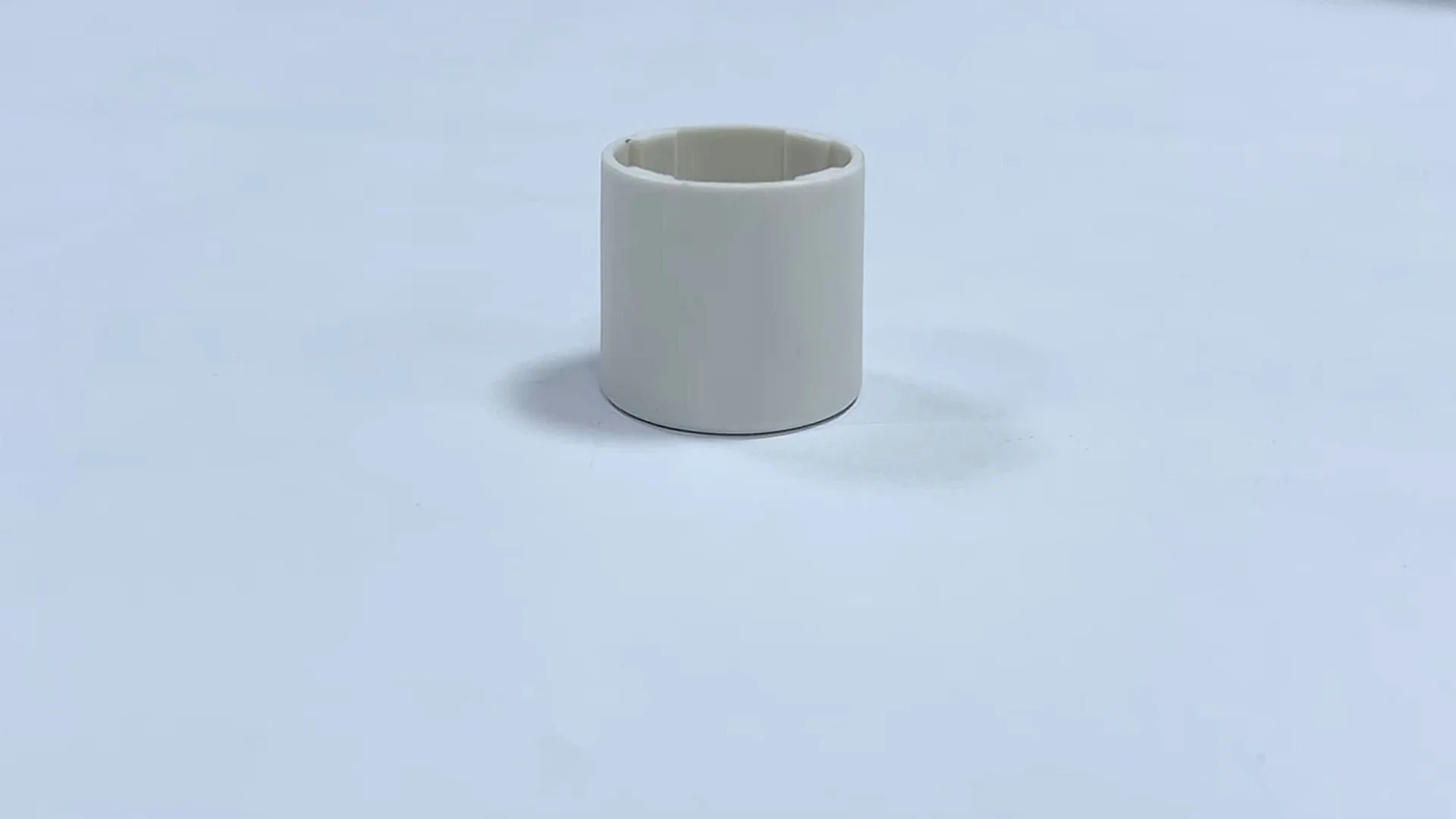
Plastic Pipe Sleeve
Plastic pipe sleeve to cover dia 28MM aluminum pipe end to contact with ground.
The Unsung Hero of Comfort and Efficiency on the Factory Floor
Introduction: Why Ergonomics Matters More Than You Think
Walk into any mechanical manufacturing facility, and you'll notice a common thread: workbenches are the heartbeat of the operation. They're where parts are assembled, tools are organized, and workers spend 8–10 hours a day hunched over, reaching, lifting, and repeating precise movements. For years, the focus in manufacturing has been on speed and output—but in recent decades, a quieter revolution has taken hold: ergonomics. It's no longer enough to make products fast; we need to make them in a way that protects the people behind the process.
Ergonomics isn't just about "comfort"—it's about reducing strain, preventing injuries, and boosting productivity. When a workbench is poorly designed, workers develop chronic back pain from bending, carpal tunnel from repetitive wrist movements, or fatigue from awkward reaching. These issues don't just hurt employees; they cost companies millions in lost workdays, workers' compensation claims, and reduced efficiency. In fact, the Bureau of Labor Statistics reports that over 30% of manufacturing injuries are due to overexertion or repetitive motion—many of which are preventable with better workspace design.
Enter the humble plastic pipe sleeve. At first glance, it might seem like a small, unremarkable component—just a tube of plastic sliding over a metal or aluminum pipe. But in the world of lean pipe workbenches and modular manufacturing setups, plastic pipe sleeves are quietly transforming how work gets done. They're not just accessories; they're ergonomic powerhouses that address everything from vibration absorption to grip comfort, making workbenches safer, more adaptable, and easier on the human body. Let's dive into how these simple sleeves are making a big difference.
What Are Plastic Pipe Sleeves, Anyway?
Before we explore their ergonomic benefits, let's clarify what plastic pipe sleeves are. In manufacturing, especially in lean systems, workbenches are often built using lean pipe—lightweight, durable tubes (usually aluminum or steel) that connect with joints to form customizable structures. These pipes are the "backbone" of everything from assembly stations to material racks. But bare metal or aluminum pipes can be slippery, cold to the touch, and prone to causing friction burns or discomfort during use. That's where plastic pipe sleeves come in.
Plastic pipe sleeves are flexible, often color-coded tubes made from high-density polyethylene (HDPE) or polypropylene. They slide over lean pipe, creating a protective, tactile layer. Available in sizes to fit standard lean pipe diameters (like 28mm or 30mm), they're designed to be easy to install—no tools required—and resistant to oils, chemicals, and wear. Some sleeves even come with textured surfaces for better grip, or in bright colors (like yellow or grey) to improve visibility or color-code work zones. For example, a plastic roller track guide rail yellow might pair with a yellow sleeve to signal a high-traffic material flow area, while a grey sleeve could mark a stationary workbench section.
But their purpose goes beyond aesthetics. Think of plastic pipe sleeves as the "buffer" between workers and the hard, unforgiving metal of the workbench frame. Every time an employee leans against the bench, adjusts a tool, or moves a part, the sleeve absorbs impact, reduces vibration, and provides a softer, more comfortable surface to interact with. In short, they turn a rigid, industrial structure into one that works with the human body, not against it.

The Ergonomic Nightmare of Traditional Workbenches
To appreciate the value of plastic pipe sleeves, let's first look at the problems they solve. Traditional workbenches—those made from solid steel frames or fixed wooden tops—were built for durability, not for people. Here are the common ergonomic pitfalls they present:
1. Hard, Unforgiving Surfaces: Bare metal frames conduct cold and heat, making workbenches uncomfortable to touch in winter or summer. Worse, leaning against sharp-edged steel or aluminum pipes can dig into workers' forearms or hips, causing bruising or soreness over time. A study by the National Institute for Occupational Safety and Health (NIOSH) found that workers using metal-framed workbenches reported 27% more upper body discomfort than those with padded or sleeved surfaces.
2. Vibration Transfer: Manufacturing equipment vibrates—whether it's a drill press, a conveyor, or a power tool. On traditional workbenches, this vibration travels through the frame and into the worker's hands and arms. Over time, this can lead to hand-arm vibration syndrome (HAVS), a painful condition that reduces grip strength and dexterity. Without a buffer like a plastic sleeve, the metal pipe acts like a conductor, amplifying these vibrations.
3. Poor Grip and Slippery Surfaces: Metal pipes get slippery when oily or dusty—common in manufacturing environments. Workers adjusting the workbench height (a key ergonomic feature) or moving a caster wheel-equipped bench might lose their grip, leading to slips or strains. Even something as simple as resting a hand on the frame while assembling a part becomes risky if the surface is slick.
4. Lack of Customization: Traditional workbenches are often fixed in height or shape, forcing workers of different sizes to adapt to the bench instead of the other way around. While modern lean pipe systems solve this with adjustable joints, bare pipes still create discomfort during these adjustments—tightening a joint with a bare hand can leave indentations or scrapes on the skin.
These issues might seem minor on their own, but over a full workday, they add up. A worker who winces every time they lean against a cold metal frame, or shakes their hand to relieve numbness from vibration, isn't working at their best. They're distracted, fatigued, and more likely to make mistakes. Plastic pipe sleeves address all these problems—and more.

How Plastic Pipe Sleeves Solve Ergonomic Challenges
Now, let's break down the specific ergonomic benefits of plastic pipe sleeves. From reducing strain to improving safety, these sleeves punch above their weight in making workbenches more human-centered.
1. Vibration Absorption: Protecting Hands and Joints
Imagine using a power drill on a metal workbench. Every time the drill bit hits a tough spot, the vibration travels up the tool, into your hand, and through your arm. Over hours, this can cause tingling, numbness, or even long-term nerve damage. Now, picture that same workbench with plastic-sleeved lean pipe legs. The plastic acts as a shock absorber, dampening the vibration before it reaches your body.
Plastic is naturally flexible, which means it bends slightly under pressure and absorbs kinetic energy. When a tool vibrates, the sleeve compresses and releases, reducing the amount of force transferred to the workbench frame—and thus to the worker. Studies have shown that plastic sleeves can reduce vibration transmission by up to 40% compared to bare metal pipes. For workers using pneumatic tools or operating near conveyor systems (which generate constant low-level vibration), this is a game-changer. Less vibration means less fatigue, sharper focus, and a lower risk of HAVS.
2. Improved Grip and Tactile Comfort: Reducing Slippage and Strain
Ever tried to adjust a workbench height on a hot day, only to have your sweaty hand slip off the metal pipe? Or fumbled with a part because the bench frame was too cold to hold comfortably? Plastic pipe sleeves solve both issues with their texture and thermal properties.
Most plastic sleeves have a slightly rough surface that improves friction, even when oily or wet. This makes it easier to grip the pipe when adjusting the bench, moving a caster wheel-equipped trolley, or steadying yourself during assembly. The texture also provides tactile feedback—workers can "feel" where the pipe is without looking, reducing eye strain. Additionally, plastic insulates against temperature extremes: it stays warm in winter and cool in summer, so hands don't stick to cold metal or get burned by hot pipes near machinery. This might seem like a small comfort, but anyone who's worked a 10-hour shift in a freezing factory knows how much it matters for morale and focus.
3. Impact Resistance: Softening the Blow of Accidental Bumps
Manufacturing floors are busy places. Workers move quickly, parts get shifted, and, someone bumps into a workbench. On a traditional metal bench, that bump could mean a bruised hip or a scraped arm. With a plastic sleeve, the impact is softened. The plastic deforms slightly on contact, absorbing the force and reducing the risk of injury. This is especially important in high-traffic areas or workbenches used by multiple shifts, where accidental collisions are more likely.
Even small impacts add up. A worker who bumps their elbow on a metal frame once an hour might not report it, but over weeks, that could lead to inflammation or chronic pain. Plastic sleeves create a "softer edge" that minimizes these micro-injuries, keeping workers healthier and more comfortable throughout the day.
4. Flexibility for Customization: Adapting to the Worker, Not the Other Way Around
One of the biggest advantages of lean pipe workbenches is their modularity. Using lean pipe joints, workers can adjust the height, add shelves, or reconfigure the bench layout in minutes to fit different tasks or body types. But without plastic sleeves, adjusting these joints can be a hassle. Tightening a metal joint with bare hands often requires gripping hard, which strains the fingers and wrists. Plastic sleeves change that.
The textured surface of the sleeve gives workers a better grip when twisting joints, so they don't have to squeeze as hard. This reduces hand fatigue and makes adjustments faster—meaning workers can tweak their workbench to the perfect height or angle without struggling. For example, a taller worker might raise the bench by 6 inches to avoid bending, while a shorter colleague could lower it to keep their elbows at a 90-degree angle (the ergonomic gold standard for assembly work). With plastic sleeves, these changes are painless, encouraging workers to actually use the bench's adjustability instead of settling for a one-size-fits-all setup.
Real-World Impact: A Case Study
To see these benefits in action, let's look at a mid-sized automotive parts manufacturer in Ohio. In 2023, the company replaced 50 traditional steel workbenches with lean pipe workbenches fitted with plastic pipe sleeves and yellow plastic roller track guide rails (to improve material flow). Before the switch, their assembly line had a 15% turnover rate due to worker complaints about discomfort, and a monthly average of 8 reported wrist or back injuries.
Six months after installing the new benches, the results were striking: Injury reports dropped by 70%, and turnover fell to 5%. Workers reported less hand fatigue during shifts, and productivity increased by 12% because employees spent less time adjusting their posture or taking breaks for soreness. The plant manager noted, "We thought the sleeves were just a 'nice-to-have'—but they've become a 'must-have.' Our team actually looks forward to using these benches now."

Beyond Ergonomics: Other Perks of Plastic Pipe Sleeves
While ergonomics is their biggest selling point, plastic pipe sleeves offer additional benefits that make them a smart investment for manufacturers:
Durability: Plastic sleeves are resistant to scratches, dents, and chemicals—common in manufacturing environments. They don't rust like metal, and they hold up well to daily wear and tear. Most sleeves last 3–5 years before needing replacement, making them cost-effective in the long run.
Easy Maintenance: Spills? Grease? No problem. Plastic sleeves wipe clean with a damp cloth, unlike bare metal which can trap dirt and require harsh cleaners. This saves time for janitorial staff and keeps workbenches looking neat.
Color Coding: As mentioned earlier, sleeves come in colors like yellow, grey, or blue. This helps with organization—for example, a red sleeve could mark a bench used for hazardous materials, while a green sleeve indicates a quality control station. It also makes it easier to spot damaged sleeves that need replacement.
Cost-Effective: Plastic pipe sleeves are inexpensive compared to other ergonomic upgrades (like anti-fatigue mats or adjustable chairs). For around $2–$5 per foot, manufacturers can transform a basic workbench into an ergonomic workspace—making them accessible for small businesses and large factories alike.
Choosing the Right Plastic Pipe Sleeves for Your Workbench
Not all plastic pipe sleeves are created equal. To maximize ergonomic benefits, consider these factors when selecting sleeves for your lean pipe workbench:
Material: HDPE sleeves are more rigid and durable, making them ideal for high-traffic areas. Polypropylene sleeves are softer and more flexible, offering better vibration absorption. Choose based on your needs—if tools generate a lot of vibration, go for polypropylene; if the bench is used for heavy lifting, HDPE might be better.
Texture: Look for sleeves with a non-slip surface (like a diamond or ribbed pattern) to improve grip. This is especially important if workers wear gloves, as gloves can reduce tactile sensitivity.
Size: Ensure the sleeve fits snugly over your lean pipe. A loose sleeve will slide around, reducing its effectiveness. Most sleeves are designed for standard diameters (e.g., 28mm for lean pipe, 30mm for aluminum pipe), but double-check the measurements before buying.
Color: Use color to support workflow. For example, yellow sleeves could pair with yellow plastic roller track guide rails to create a visual "path" for materials, while grey sleeves might denote stationary bench legs. This reduces confusion and speeds up training for new employees.
The Future of Ergonomic Workbenches: Plastic Sleeves and Beyond
As manufacturing continues to evolve—with a focus on automation, lean principles, and worker well-being—plastic pipe sleeves are likely to play an even bigger role. We're already seeing innovations like sleeves with built-in antimicrobial coatings (to reduce germ spread in food or medical manufacturing) or conductive sleeves (to prevent static electricity in electronics assembly, pairing well with ESD workbenches). There's also growing interest in recyclable plastic sleeves, aligning with sustainability goals.
But even as technology advances, the core purpose of plastic pipe sleeves remains the same: to make workbenches work for people. In a world where manufacturing is increasingly about precision and efficiency, it's easy to forget that the most important "machine" in the factory is the human body. Plastic pipe sleeves are a reminder that sometimes the smallest changes—like adding a layer of plastic to a metal pipe—can have the biggest impact on how well that machine performs.
Conclusion: Small Component, Big Difference
Plastic pipe sleeves might not grab headlines, but they're revolutionizing ergonomics in mechanical manufacturing workbenches. By absorbing vibration, improving grip, softening impacts, and enabling easy customization, these simple sleeves reduce injuries, boost comfort, and increase productivity. They're a testament to the power of "lean thinking"—finding small, cost-effective solutions that deliver outsized results.
So the next time you walk into a factory, take a closer look at the workbenches. If you see a lean pipe frame with a smooth, colored plastic coating, you'll know: that's not just a sleeve. It's a commitment to the people who build the products we rely on every day. And in manufacturing, there's no better investment than that.
| Ergonomic Challenge | How Plastic Pipe Sleeves Help | Additional Benefit |
|---|---|---|
| Vibration from tools | Absorbs up to 40% of vibration, reducing hand/arm strain | Extends tool life by reducing frame stress |
| Slippery metal surfaces | Textured surface improves grip, even with oils or gloves | Reduces slips and falls near workbenches |
| Awkward workbench adjustments | Soft, grippy surface makes joint tightening easier | Encourages workers to customize their workspace |
| Cold/hot metal frames | Insulates against temperature extremes | Improves worker comfort in all seasons |
| Accidental bumps | Soft plastic reduces impact force, preventing bruises | Protects the workbench frame from dents |