- Company Articles
- Products and Technology
- Solution
- How Roller Track Placon Mount Brackets Support Just-In-Time (JIT) Production Systems

How Roller Track Placon Mount Brackets Support Just-In-Time (JIT) Production Systems
Related Product
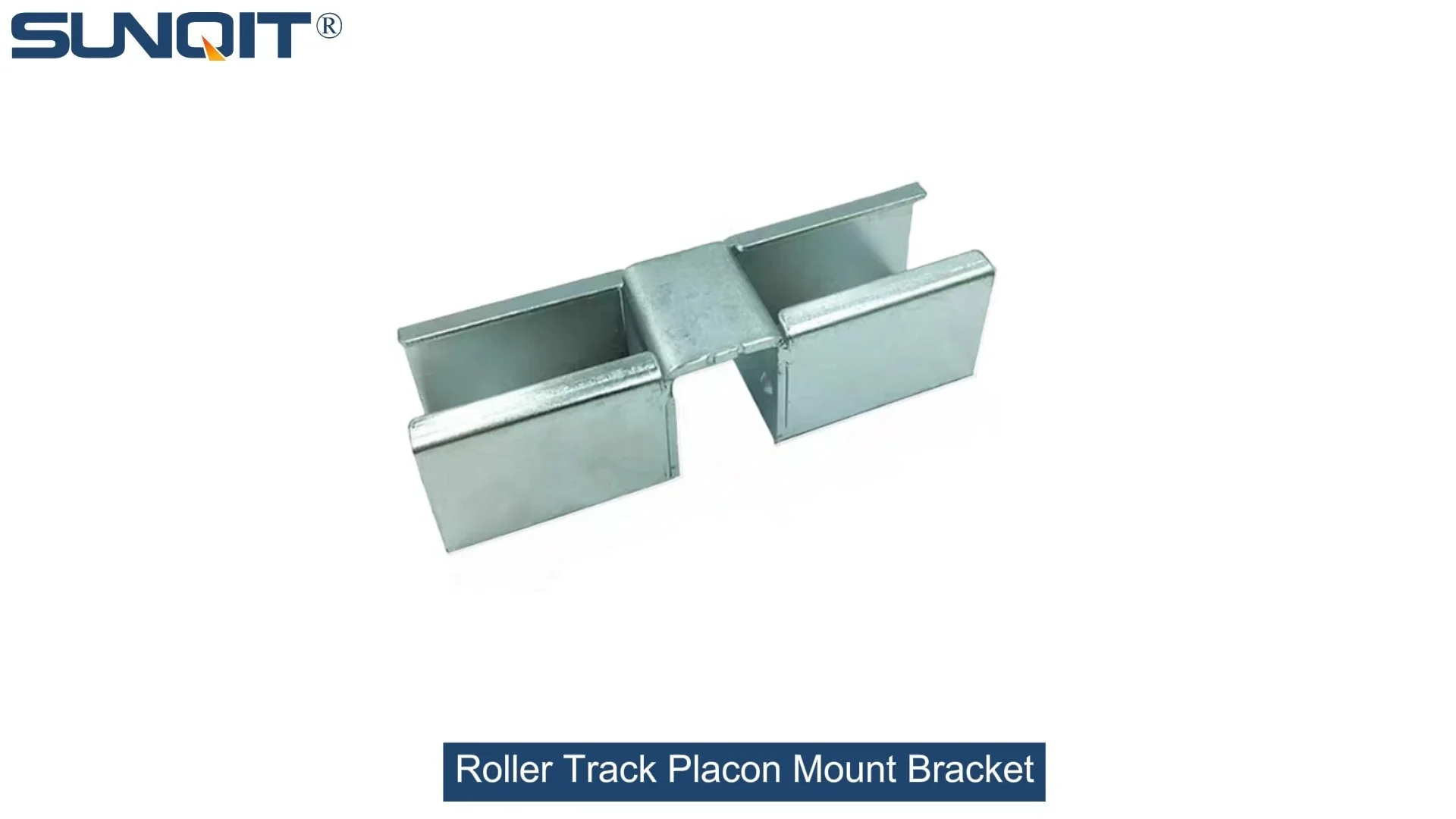
Roller Track Placon Mount Bracket
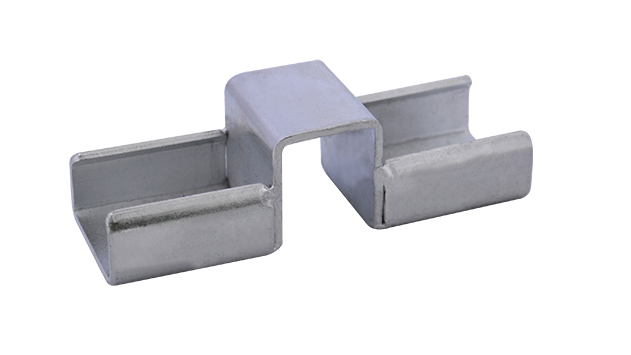
Roller track placon mount work as a connector for roller track and pipe or aluminum profile in rack syetem, it is a necessary parts in rack system which widely used in industrial plant and logistic,warehouse storage.
In the fast-paced world of modern manufacturing, where efficiency is the backbone of success, Just-In-Time (JIT) production has emerged as more than just a methodology—it's a philosophy that transforms how factories operate. At its core, JIT is about delivering the right materials, in the right quantity, at precisely the right time, eliminating waste and streamlining workflows. But behind this seamless coordination lies a network of tools and components working in harmony. One such unsung hero? The roller track placon mount bracket. Often overlooked in the grand scheme of production lines, these small but mighty brackets play a critical role in keeping JIT systems running smoothly. Let's dive into how they become the silent enablers of efficient, waste-free manufacturing.
What Are Roller Track Placon Mount Brackets?
Before we connect them to JIT, let's get clear on what roller track placon mount brackets actually are. Imagine the conveyor belts and flow racks that carry components across a factory floor—those systems rely on stable, adjustable supports to keep the tracks aligned and functional. That's where these brackets come in. Designed to mount roller tracks onto aluminum profiles or other structural frames, they act as the bridge between the track itself and the production system's backbone. Made from durable materials like aluminum or steel, they're built to withstand the constant movement of materials, from small electronic parts to heavier mechanical components.
But their real value isn't just in holding tracks in place. These brackets are engineered for flexibility: they can be adjusted for height, angle, and alignment, making them adaptable to different track types (like the 40 steel roller track or 38 aluminum roller track) and production needs. Whether you're setting up a straight conveyor line, a curved flow rack, or a custom workstation, placon mount brackets ensure the roller tracks stay secure yet nimble—qualities that are essential for JIT's dynamic demands.
The Core Challenges of JIT Production
To understand why roller track placon mount brackets matter, we first need to grasp the challenges JIT systems face daily. JIT isn't just about "delivering on time"—it's about doing so consistently, even when production schedules shift, order volumes fluctuate, or product designs change. Here are the key hurdles manufacturers grapple with:
- Material Flow Interruptions: A single misaligned roller track or loose bracket can bring an entire line to a halt, causing delays that ripple through the supply chain.
- Rigidity in Layout: Traditional production systems are often fixed, making it hard to reconfigure workflows when new products are introduced or demand spikes.
- Wasted Time on Adjustments: When tracks need realignment or replacement, lengthy downtime eats into productivity—exactly what JIT aims to eliminate.
- Inconsistent Precision: JIT relies on components arriving at workstations with pinpoint accuracy. Even a slight tilt in a roller track can lead to jams or misdeliveries.
These challenges might seem small, but in a JIT environment, where every second counts, they can derail the entire system. Now, let's see how roller track placon mount brackets step in to solve each one.
4 Ways Roller Track Placon Mount Brackets Enable JIT Success
1. They Keep Material Flow Uninterrupted
At the heart of JIT is the principle of "continuous flow"—materials should move steadily from one workstation to the next without stops. Roller track placon mount brackets ensure this by providing a stable foundation for the tracks. Their robust design minimizes vibration and movement, even when heavy loads pass through. For example, the roller track placon mount center support bracket is specifically engineered to reinforce long track sections, preventing sagging that could slow or block material movement. In high-speed environments like 3C assembly lines (where smartphones or laptops are put together), this stability is non-negotiable—imagine a tiny circuit board getting stuck on a wobbly track, delaying the assembly of hundreds of units.
Moreover, these brackets reduce the risk of unexpected failures. Unlike generic brackets that loosen over time, placon mount brackets often feature secure locking mechanisms or corrosion-resistant finishes (like chrome plating), ensuring they hold up under repeated use. This reliability means fewer breakdowns, fewer delays, and more consistent on-time delivery of materials—exactly what JIT demands.
2. They Enable Rapid Reconfiguration (Flexibility for Changing Needs)
JIT systems thrive on adaptability. One day, a factory might be producing 1,000 units of a medical device; the next, it might shift to a smaller batch of a new model. This requires production lines that can be reconfigured quickly, without major overhauls. Roller track placon mount brackets shine here because they're designed for tool-less or quick adjustments. For instance, the roller track placon mount for aluminum profile flat allows operators to slide brackets along aluminum profiles and lock them in new positions in minutes, rather than hours. This means a flow rack used for packaging yesterday can be repurposed as a conveyor feed for assembly today—no need to dismantle and rebuild the entire system.
This flexibility is a game-changer for lean manufacturing, where "sustainable improvement" is a core principle. Instead of investing in new infrastructure every time production needs change, manufacturers can reuse existing roller tracks and brackets, saving costs and reducing waste. It's why companies in dynamic sectors like consumer electronics—where product lifecycles are short—rely on these brackets to keep up with market demands.
3. They Reduce Downtime for Maintenance and Repairs
In JIT, downtime is the enemy. Every minute a line is stopped for maintenance is a minute of lost productivity, which can disrupt downstream processes. Roller track placon mount brackets minimize this risk in two ways: first, their durability reduces the need for frequent repairs; second, when maintenance is needed, they're easy to access and replace.
Take the end support for roller track placon mount with stop , a bracket designed to secure the end of a track and prevent materials from sliding off. If this bracket wears out, operators can quickly unbolt it and install a new one without disassembling the entire track. Compare this to traditional welded brackets, which require cutting and rewelding—processes that take hours. With placon mount brackets, maintenance becomes a 10-minute task instead of a half-day project, keeping lines running and JIT schedules on track.
4. They Ensure Precision for High-Stakes Industries
JIT isn't just about speed—it's about accuracy, especially in industries like medical device manufacturing or aerospace, where component errors can have serious consequences. Roller track placon mount brackets contribute to this precision by allowing micro-adjustments in track alignment. For example, the roller track placon mount drop high bracket lets operators fine-tune the height of the track by millimeters, ensuring materials glide smoothly into workstations without jamming or misalignment.
In ESD (Electrostatic Discharge) workstations—critical for assembling sensitive electronics like circuit boards—this precision is even more vital. ESD workbenches require tracks that are perfectly level to prevent static buildup and protect components. Placon mount brackets with anti-slip features or locking nuts ensure the tracks stay in place, maintaining the workstation's integrity and keeping production compliant with strict industry standards.

Real-World Impact: JIT in Action with Placon Mount Brackets
Let's bring this to life with a practical example. Consider a 3C assembly plant producing smartwatches—a sector where JIT is critical due to high demand variability and small component sizes. The factory uses a combination of flow racks, conveyors, and lean pipe workbenches to move parts from storage to assembly lines. Here's how roller track placon mount brackets play a role:
- Flow Rack for Component Storage: Small parts like watch batteries or microchips are stored in flow racks equipped with 38 aluminum roller tracks. Placon mount brackets secure these tracks to the rack's aluminum profiles, allowing the parts to "flow" forward as the front slots empty—ensuring assemblers always have access to the next batch, exactly when needed.
- Conveyor to Assembly Workstations: Once parts are picked, they're transported via 40 steel roller track conveyors to ESD workstations. Brackets like the roller track placon mount joint connect straight track sections to curved ones, ensuring the parts glide smoothly around corners without getting stuck—no delays, no jams.
- Custom Workstation Adjustments: When the plant introduces a new watch model with larger components, operators use adjustable placon mount brackets to raise the roller tracks by 5cm, ensuring the new parts fit through the conveyor system. The reconfiguration takes 30 minutes, and production resumes—no downtime, no wasted resources.
In this scenario, the brackets aren't just "parts of the system"—they're the reason the system can adapt, perform, and deliver on JIT's promise of efficiency.

Synergy with Other Lean Tools
Roller track placon mount brackets don't work in isolation—they complement other lean manufacturing tools to create a holistic JIT ecosystem. For example:
| Lean Tool | How Placon Mount Brackets Enhance It |
|---|---|
| Lean Pipe Workbench | Brackets mount roller tracks to workbench frames, creating integrated material feed systems that deliver parts directly to the operator's hands. |
| Flow Rack | Adjustable brackets allow racks to be tilted for optimal part flow, reducing the need for manual handling and speeding up picking times. |
| Conveyor Systems | Brackets ensure conveyors stay aligned with workstations, preventing bottlenecks and keeping materials moving at the right pace. |
| ESD Workstation | Non-conductive brackets (or those with ESD coatings) maintain the workstation's electrostatic protection, critical for sensitive electronics. |
Together, these tools and brackets create a production environment where waste is minimized, and efficiency is maximized—exactly what JIT aims to achieve.
Looking Ahead: The Future of JIT and Placon Mount Brackets
As manufacturing evolves—with trends like Industry 4.0 and smart factories gaining ground—JIT systems will only become more demanding. Factories will need to handle faster production cycles, more customization, and real-time data-driven adjustments. Roller track placon mount brackets are evolving to meet these needs, too. We're already seeing innovations like brackets with built-in sensors that detect misalignment or wear, sending alerts before failures occur. Or brackets made from lightweight, high-strength alloys that reduce overall system weight while increasing durability.
In this future, the role of placon mount brackets will grow from "supports" to "smart enablers," integrating with IoT systems to keep JIT lines self-optimizing and resilient. For manufacturers, investing in quality brackets today isn't just about solving current problems—it's about preparing for tomorrow's challenges.
Conclusion: The Silent Foundation of JIT Success
Just-In-Time production is often celebrated for its big-picture impact—reduced inventory, lower costs, faster delivery. But behind those outcomes are the small, critical components that make it all possible. Roller track placon mount brackets may not grab headlines, but they're the unsung heroes that keep material flows steady, systems flexible, and downtime minimal. They turn the abstract goals of JIT into tangible, daily reality for manufacturers across industries, from 3C assembly to medical device production.
So the next time you walk through a factory and see components gliding smoothly from one station to the next, take a moment to notice the brackets holding those tracks in place. They're not just metal and bolts—they're the quiet confidence that JIT systems rely on to deliver, day in and day out. In the world of lean manufacturing, sometimes the smallest parts make the biggest difference.