- Company Articles
- Products and Technology
- Solution
- How Roller Track Placon Mount Brackets Support Lean Manufacturing Principles

How Roller Track Placon Mount Brackets Support Lean Manufacturing Principles
Related Product
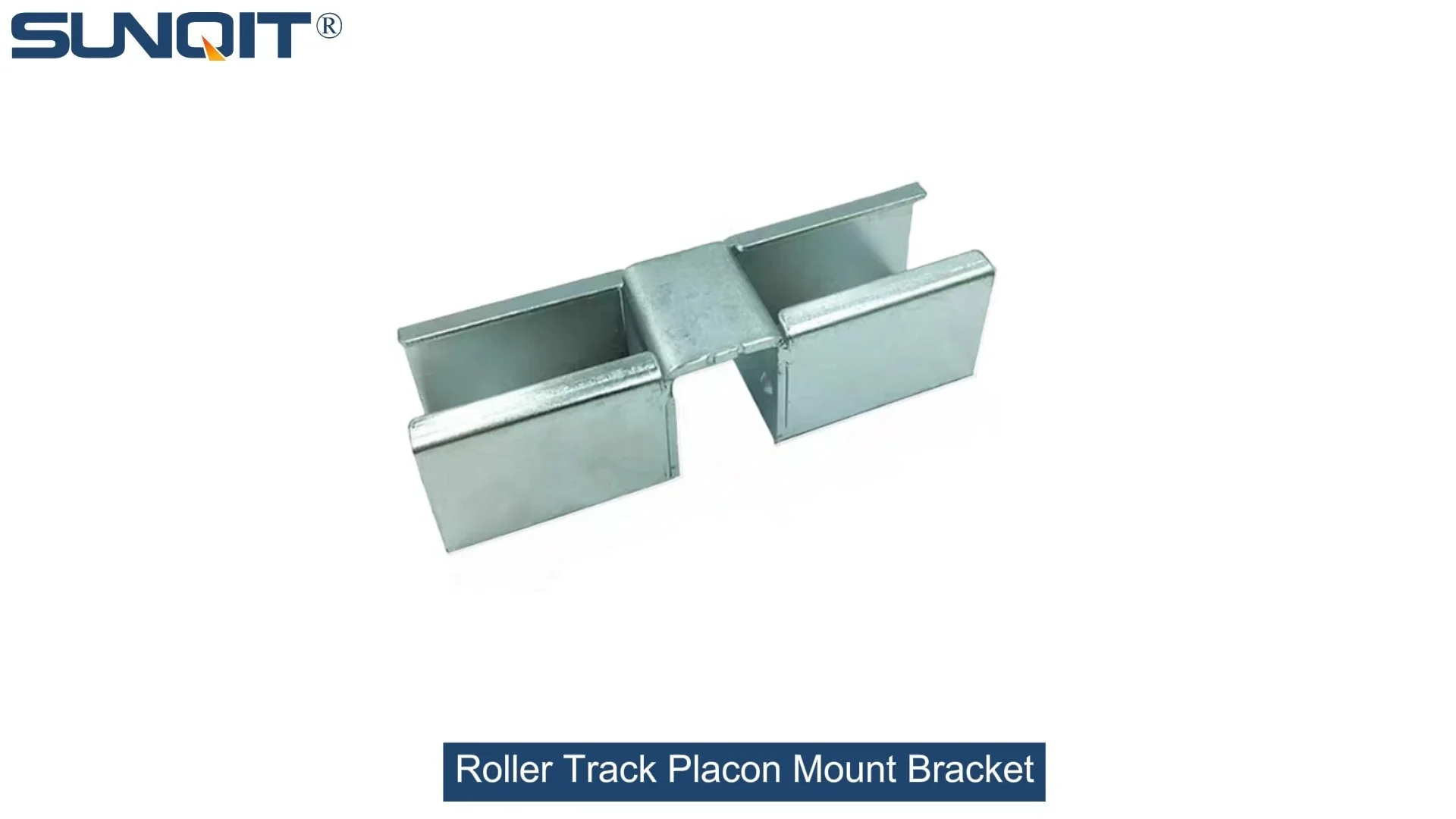
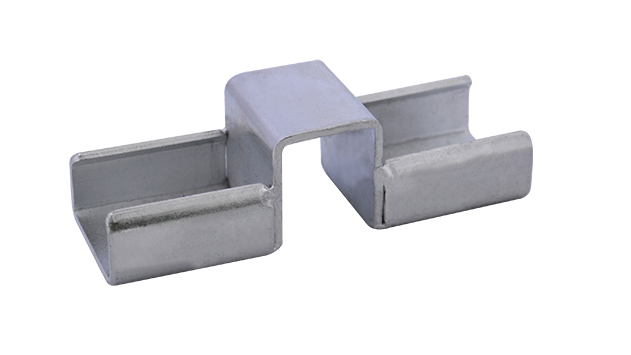
Roller Track Placon Mount Bracket
Roller track placon mount work as a connector for roller track and pipe or aluminum profile in rack syetem, it is a necessary parts in rack system which widely used in industrial plant and logistic,warehouse storage.
In the fast-paced world of modern manufacturing, where every second counts and efficiency is the backbone of success, lean manufacturing isn't just a buzzword—it's a way of life. At its core, lean is about creating more value with less waste, empowering teams to work smarter, and building systems that adapt as needs change. But here's the thing: lean principles don't just happen on paper. They come to life through the tools and components that make up the factory floor. Today, we're shining a spotlight on a humble yet mighty hero in this ecosystem: the roller track placon mount bracket . These unassuming components might not grab headlines, but they play a pivotal role in turning lean ideals into tangible results. Let's dive into how these brackets support the very heart of lean manufacturing—and why they've become indispensable for factories aiming to stay competitive in 2025 and beyond.
The Core of Lean: Principles That Drive Success
Before we explore the specifics of roller track placon mount brackets, let's ground ourselves in what lean manufacturing truly stands for. Developed from the Toyota Production System, lean is built on five key principles that guide every decision, from workflow design to equipment selection:
- Value : Defining what customers truly need, so every action adds worth.
- Value Stream : Mapping out all steps in production to eliminate non-value-adding activities (waste).
- Flow : Ensuring materials and work-in-progress move smoothly through the production line, with no bottlenecks or delays.
- Pull : Producing only what's needed, when it's needed, to avoid overstock and excess inventory.
- Perfection : Continuously improving processes to get closer to zero waste, zero defects, and maximum efficiency.
These principles aren't just abstract ideas—they demand practical, on-the-ground solutions. And that's where components like roller track placon mount brackets come into play. Let's unpack how their design and functionality align with each of these principles.
Design That Delivers: The Anatomy of Roller Track Placon Mount Brackets
At first glance, a placon mount bracket might seem like a simple piece of hardware. But look closer, and you'll see a component engineered with lean thinking baked in. Let's break down its key features and why they matter:
Material: Lightweight Aluminum for Durability & Flexibility
Crafted from high-grade aluminum, these brackets strike the perfect balance between strength and weight. Unlike heavy steel alternatives, aluminum makes reconfiguring workstations or conveyor lines quick and labor-friendly—no need for heavy machinery or extra crew. This lightweight nature directly supports lean's "flow" principle by making adjustments easy, so production lines can adapt to new orders or design changes without downtime.
Modular Connection: T-Slot Compatibility for Endless Configurations
Designed with T-slot aluminum profile compatibility, roller track placon mount brackets connect seamlessly with other lean components like lean pipe , flow racks, and conveyors. This modularity means they're not limited to one specific setup. A single bracket can support different roller track types—whether it's 40mm steel roller track with yellow wheels for general use or 38mm aluminum roller track with ESD-safe black wheels for sensitive electronics assembly. This flexibility eliminates the need for custom-made brackets for every project, cutting down on lead times and costs.
Precision Engineering: Stable, Low-Maintenance Performance
Every bracket is machined to tight tolerances, ensuring a secure fit that keeps roller tracks level and stable—even under the constant movement of materials. Loose or wobbly tracks are a common source of waste in manufacturing (think jammed parts, rework, or slowdowns). By minimizing vibration and misalignment, these brackets reduce the risk of such disruptions, supporting lean's "perfection" principle through consistent, reliable performance.
But the real magic lies in how these features work together. Let's take a concrete example: a 3C electronics manufacturer needs to switch from assembling smartphones to tablets halfway through the week. With standard fixed brackets, this might require disassembling and rebuilding sections of the production line. With roller track placon mount brackets? The team can loosen a few bolts, adjust the height or angle of the roller tracks, and have the new setup ready in under an hour. That's lean in action—agility without waste.
Supporting Lean Principles: A Closer Look
Now that we understand the design, let's connect the dots between roller track placon mount brackets and the five lean principles. This is where the rubber meets the road—how these brackets translate into real-world improvements for manufacturers.
1. Creating Value: Putting the Customer First
Lean starts with delivering value to the customer, and value often comes down to quality, speed, and cost. Roller track placon mount brackets contribute here by ensuring smooth material flow. For example, in medical device assembly, where precision is non-negotiable, stable roller tracks (supported by these brackets) prevent delicate components from shifting during transport, reducing defects and rework. The result? Products reach customers faster, with fewer errors—directly boosting customer satisfaction.
2. Eliminating Waste: Cutting Out the "Muda"
Taiichi Ohno, the father of the Toyota Production System, identified seven types of waste ("muda"), and roller track placon mount brackets tackle several of them head-on:
- Transport Waste : Smooth-rolling tracks minimize friction, so materials glide from one workstation to the next without manual pushing—reducing time and labor.
- Inventory Waste : By supporting just-in-time (JIT) material delivery (a key "pull" principle), brackets help keep work-in-progress inventory low. For instance, in automotive parts manufacturing, a well-supported roller track system can deliver components to the assembly line exactly when needed, not a minute earlier.
- Waiting Waste : Quick-adjust brackets mean line changes happen fast. If a sudden rush order comes in, the production team can reconfigure the flow rack setup in minutes, not hours—keeping the line moving instead of waiting.
3. Flow & Pull: Keeping Materials Moving, On Demand
Imagine a busy production assemble line where workers constantly walk to fetch parts from distant shelves—that's "motion waste," another muda. With roller track placon mount brackets supporting gravity-fed flow racks, materials literally flow to the operator. The brackets' adjustable height feature ensures the track is positioned at the optimal angle for smooth movement, so parts arrive exactly where they're needed, when they're needed. This aligns perfectly with lean's "pull" principle: production is triggered by actual demand, not forecasts, keeping inventory lean and efficient.
4. Perfection: Continuous Improvement Made Easy
Lean isn't a one-and-done process—it's about continuous improvement. Roller track placon mount brackets make it simple to test and refine workflows. For example, a team might experiment with a new roller track layout to reduce bottlenecks. If it works, the brackets stay; if not, they're easily repositioned. This trial-and-error process is how factories evolve toward "perfection," and these brackets remove the barriers to experimentation.

Real-World Impact: Case Studies in Lean Success
Numbers tell the story best. Let's look at how roller track placon mount brackets have driven tangible results for manufacturers across key industries:
Case Study 1: 3C Electronics Assembly Line (Shenzhen, China)
A leading smartphone manufacturer was struggling with bottlenecks in its final assembly line. Materials often got stuck on uneven roller tracks, causing delays and requiring operators to manually unjam parts—wasting 15-20 minutes per shift. After upgrading to roller track placon mount brackets with 38mm aluminum ESD roller tracks, the results were clear:
| Metric | Before | After | Improvement |
|---|---|---|---|
| Jams per shift | 8-10 | 0-1 | 90% reduction |
| Operator idle time | 15-20 mins | 2-3 mins | 85% reduction |
| Line throughput | 300 units/shift | 360 units/shift | 20% increase |
"The brackets kept the tracks perfectly level, so components glide through without issues," said the plant manager. "Our operators can focus on assembly, not fixing jams—and that's made a huge difference in morale, too."
Case Study 2: Medical Device Packaging (Suzhou, China)
A medical device company needed to adapt its packaging line to handle both small syringes and larger surgical tool kits—often switching between products daily. Their old fixed steel brackets made reconfiguring the line time-consuming, taking up to 2 hours per changeover. After switching to roller track placon mount brackets with 40mm steel roller tracks, changeover time dropped to just 25 minutes.
"We used to schedule changeovers during breaks to avoid stopping production," explained the operations director. "Now we can switch between products mid-shift if a rush order comes in. The brackets click into place in seconds, and the aluminum is light enough that two people can reposition the entire line. It's been a game-changer for our flexibility."

Beyond Brackets: Building a Complete Lean Ecosystem
Roller track placon mount brackets don't work in isolation—they're part of a larger lean system that includes flow racks , conveyors, workbenches, and more. Let's explore how they collaborate with other components to create a fully optimized workflow:
With Flow Racks: Streamlining Material Storage & Retrieval
When paired with flow racks, these brackets support inclined roller tracks that let materials "flow" from the back (storage) to the front (picking) of the rack—first-in, first-out (FIFO). This reduces the need for workers to reach or bend, cutting down on motion waste and speeding up picking times. For warehouses handling small parts, this combo has reduced picking errors by up to 35% in some facilities.
With Conveyors: Creating Seamless Production Flow
In conveyor systems, placon mount brackets ensure tracks are aligned with precision, so products move smoothly between workstations. Whether it's a gravity conveyor for light loads or a powered conveyor for heavier items, stable brackets prevent misalignment that can cause jams. This synergy is critical for lean's "flow" principle—keeping products moving from one process to the next without stops.
With ESD Workstations: Protecting Sensitive Electronics
For 3C and electronics manufacturing, ESD-safe workstations are a must to prevent static damage. Roller track placon mount brackets paired with ESD roller tracks (like 38mm aluminum ESD black wheel track) create a static-free path for circuit boards and components. The brackets' secure fit ensures the ESD protection remains consistent—no gaps or loose connections that could compromise safety.
Why Partner with a Specialized Lean Supplier?
Not all roller track placon mount brackets are created equal. To truly unlock their lean potential, it's critical to work with a supplier that understands both the technical details and the broader lean philosophy. Here's what sets a specialized supplier apart:
- Customization for Your Unique Needs : A one-size-fits-all bracket might not work for your specific workflow. Specialized suppliers offer custom bracket designs—whether it's a unique height, mounting hole pattern, or material coating—to fit your exact production requirements. For example, a medical device manufacturer might need brackets with FDA-compliant coatings, while an automotive plant might require extra reinforcement for heavy parts.
- Technical Expertise to Optimize Your Layout : Beyond selling parts, the best suppliers act as partners. They'll send engineers to your facility to assess your current workflow, identify waste, and recommend bracket and roller track configurations that maximize efficiency. This collaborative approach ensures you're not just buying brackets—you're investing in a lean solution tailored to your goals.
- Quality That Lasts, Reducing Total Cost of Ownership : Cheap, poorly made brackets might save money upfront, but they'll cost more in the long run (think frequent replacements, downtime, and maintenance). High-quality aluminum brackets from a trusted supplier last years, even in high-use environments, lowering your total cost of ownership and supporting lean's "sustainability" focus.
Conclusion: Small Components, Big Lean Wins
Roller track placon mount brackets might not be the most glamorous part of a manufacturing line, but they're a quiet workhorse that brings lean principles to life. By prioritizing flexibility, durability, and precision, they help factories reduce waste, improve flow, and adapt to change—all while delivering value to customers.
In a world where manufacturing is more competitive than ever, it's the small, thoughtful components that often make the biggest difference. Whether you're assembling smartphones, packaging medical devices, or building automotive parts, roller track placon mount brackets are more than just hardware—they're a tool for building a leaner, more efficient, and more resilient operation.
Ready to see how they can transform your workflow? Start by assessing your current material flow—where are the bottlenecks? Where do adjustments take too long? Then, partner with a supplier who can turn those pain points into opportunities for lean improvement. The result? A production line that's not just efficient today, but ready to evolve tomorrow.