- Company Articles
- Products and Technology
- Product knowledge
- How Saddle Pipe Clamps Enhance Medical Device Manufacturing Workflows

How Saddle Pipe Clamps Enhance Medical Device Manufacturing Workflows
Related Product
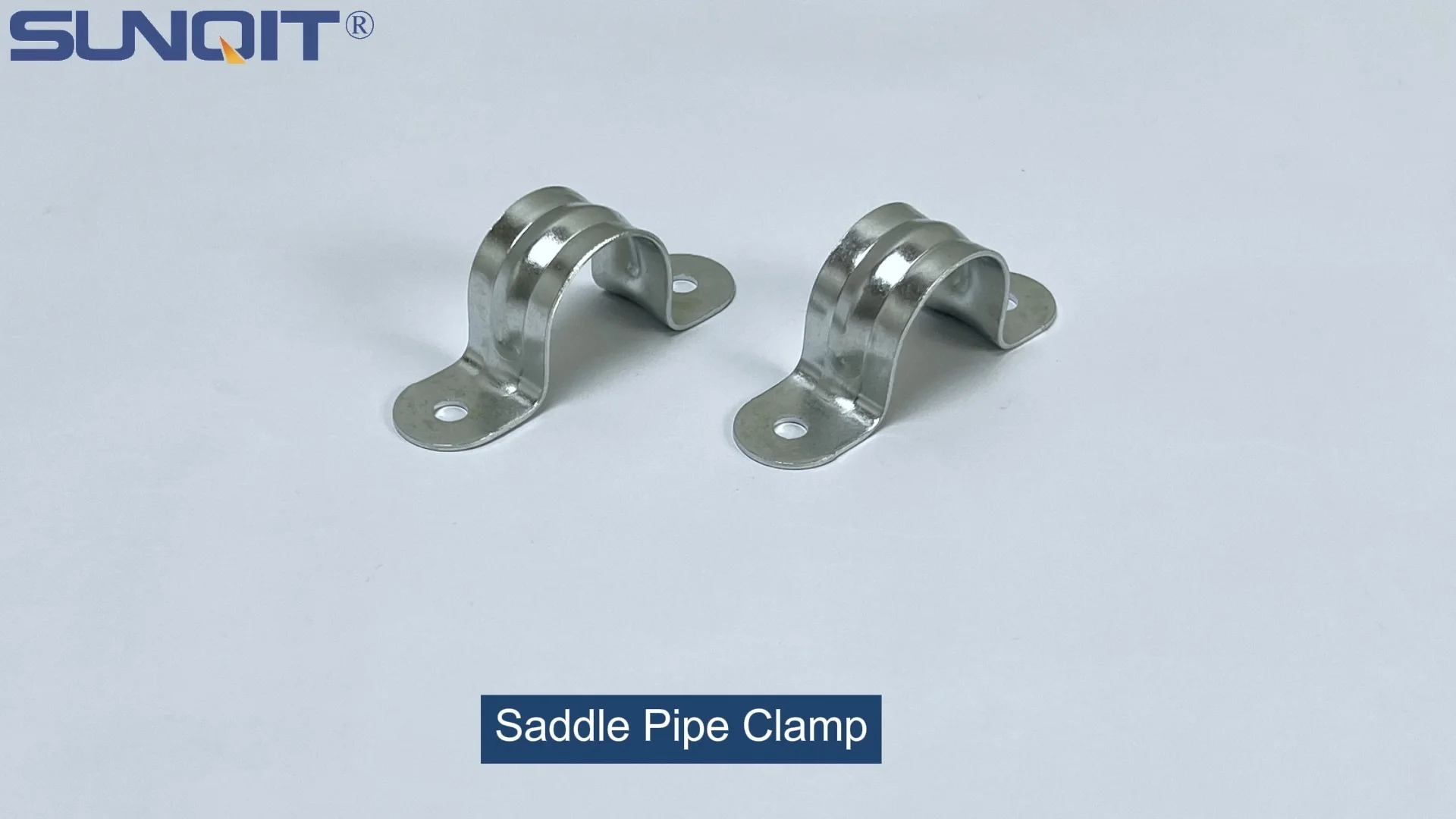
Saddle Pipe Clamp
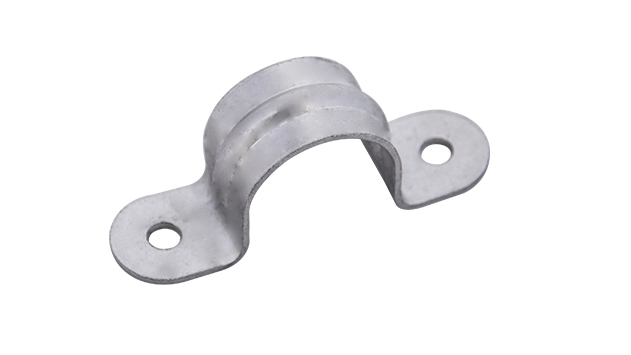
Saddle pipe clamp, used for board connect with pipe, usually for table top installation.
In the high-stakes world of medical device manufacturing, precision isn't just a goal—it's a lifeline. Every catheter, surgical instrument, and diagnostic tool must meet rigorous standards, from FDA regulations to ISO certifications, leaving no room for error. But beyond compliance, efficiency is the backbone of success. Production lines must adapt quickly to new designs, scale up or down with demand, and maintain sterile, organized workspaces. This is where lean systems have revolutionized the industry, and at the heart of these systems lies an unsung hero: the saddle pipe clamp. Though small in size, this unassuming component plays a pivotal role in streamlining workflows, securing critical equipment, and ensuring that medical device facilities operate at peak performance. Let's dive into how saddle pipe clamps, paired with lean pipe workbenches, aluminum profiles, and other modular components, are transforming medical manufacturing from the ground up.
What Are Saddle Pipe Clamps, and Why Do They Matter?
At first glance, a saddle pipe clamp might seem like little more than a metal or plastic bracket. But its design is deceptively clever: a curved "saddle" shape that conforms to the outer diameter of pipes or tubes, paired with a clamping mechanism (often a bolt or lever) that secures it in place. Unlike rigid, one-size-fits-all fasteners, saddle pipe clamps are engineered for versatility. They attach to everything from lean pipes and aluminum profiles to stainless steel tubes, making them ideal for assembling modular workstations, material racks, and equipment mounts.
In medical device manufacturing, this versatility is critical. Production lines rarely stay static—new device models require reconfigured workbenches, seasonal demand spikes call for expanded material storage, and regulatory updates may mandate changes to cleanroom layouts. Saddle pipe clamps eliminate the need for welding, drilling, or custom fabrication when adjustments are needed. A quick twist of a bolt, and a tool holder can be repositioned; a few minutes later, a material rack can be extended to accommodate larger batches. This agility reduces downtime, cuts costs, and keeps teams focused on what matters most: building high-quality devices.
Saddle Pipe Clamps in Lean Systems: Building a Foundation for Efficiency
Lean manufacturing principles—rooted in eliminating waste, optimizing flow, and continuous improvement—have become the gold standard in medical device production. A key tenet of lean systems is modularity: the ability to rearrange workspaces and equipment to match evolving needs without overhauls. Saddle pipe clamps are the glue that holds these modular setups together.
Consider a typical lean pipe workbench in a catheter assembly line. The workbench itself is built from lightweight aluminum profiles or lean pipes, connected by joints. Above the work surface, tools like microscopes, torque wrenches, and component bins need to be positioned exactly where operators can reach them—no more, no less. Saddle pipe clamps secure these tools to the workbench frame, allowing for precise height and angle adjustments. If a new catheter design requires a different tool layout, operators can loosen the clamps, reposition the tools, and tighten them back down in minutes. There's no need for a maintenance team or specialized tools; the line can adapt on the fly.
This flexibility extends beyond workbenches. Material racks, a staple in medical facilities for storing sensitive components (like sterile packaging or microelectronics), often use saddle pipe clamps to secure dividers, shelves, or roller tracks. For example, a material rack B (3 row and 3 floor) might need additional dividers to separate different catheter sizes. Saddle clamps attach these dividers to the rack's aluminum profiles, ensuring components stay organized and easy to access—reducing the time workers spend searching for parts and minimizing the risk of mix-ups.
The Medical Edge: Sterility, Durability, and Compliance
Medical device manufacturing isn't just about efficiency—it's about safety. Workspaces must be sterile, equipment must resist corrosion from frequent cleaning, and every component must meet strict biocompatibility standards. Saddle pipe clamps, when chosen carefully, excel in these areas.
Many saddle pipe clamps are made from stainless steel or anodized aluminum, materials known for their resistance to rust and corrosion. In cleanrooms, where surfaces are wiped down with disinfectants multiple times a day, this durability is non-negotiable. Unlike traditional steel clamps, which might chip or degrade over time, stainless steel saddle clamps maintain their integrity, ensuring they don't shed particles that could contaminate sensitive devices. Anodized aluminum clamps, meanwhile, offer a lightweight alternative with a smooth, non-porous surface that's easy to sanitize—perfect for workbenches in ISO 7 or ISO 8 cleanrooms.
Sterility is further enhanced by the clamp's design. Saddle clamps have minimal crevices or gaps, reducing the risk of bacterial buildup. Compare this to welded joints, which often have rough edges or hidden spaces where pathogens can hide. For manufacturers producing implantable devices (like pacemakers or joint replacements), where even a single contaminated component could have life-threatening consequences, this attention to detail is critical.
Compliance is another area where saddle pipe clamps shine. Reputable suppliers (like lean pipe suppliers or aluminum profile suppliers) provide documentation certifying that their clamps meet industry standards, such as ISO 13485 (for medical device quality management) or FDA guidelines. This documentation simplifies audits, ensuring manufacturers can prove their production equipment meets regulatory requirements.

Saddle Pipe Clamps vs. Traditional Fasteners: A Clear Advantage
To truly appreciate the impact of saddle pipe clamps, it helps to compare them to traditional fastening methods. Below is a breakdown of how they stack up against two common alternatives: welded joints and bolted clamps.
| Feature | Saddle Pipe Clamps | Welded Joints | Traditional Bolted Clamps |
|---|---|---|---|
| Installation Time | 5–10 minutes (no special tools) | 30+ minutes (requires welding equipment and skilled labor) | 15–20 minutes (requires wrenches, may need drilling) |
| High—easily repositioned by loosening/tightening bolts | None—permanent once welded | Low—difficult to reposition without damaging pipes/profiles | |
| High—smooth surfaces, minimal crevices, corrosion-resistant materials | Low—rough edges, potential for bacterial buildup in weld seams | Medium—may have gaps between clamp and pipe | |
| Cost-effective—reusable, minimal maintenance | High—expensive to install, impossible to reuse if layout changes | Medium—inexpensive upfront, but frequent replacement needed | |
| Works with lean pipes, aluminum profiles, stainless steel tubes, and more | Limited to compatible metals (e.g., steel to steel) | Limited to specific pipe diameters/sizes |
As the table shows, saddle pipe clamps outperform traditional fasteners in nearly every category that matters for medical device manufacturing. Their adjustability alone saves hours of downtime, while their sterility and compliance features reduce regulatory risks.

Real-World Impact: Case Studies in Medical Manufacturing
To put this in perspective, let's look at how two medical device manufacturers leveraged saddle pipe clamps to transform their workflows.
Case Study 1: Catheter Assembly Line Optimization
A leading manufacturer of cardiac catheters was struggling with bottlenecks in its assembly process. Workbenches were static, and reconfiguring them to accommodate new catheter designs took 8–10 hours, causing production delays. The team switched to lean pipe workbenches equipped with stainless steel saddle pipe clamps. Now, when a new design requires tool repositioning, operators adjust the clamps in under 30 minutes. The result? A 40% reduction in changeover time and a 15% increase in daily production volume. Additionally, the stainless steel clamps' smooth surfaces reduced cleaning time by 20%, freeing up staff to focus on quality control.
Case Study 2: Cleanroom Material Handling
A manufacturer of diagnostic test kits needed to organize small, fragile components (like microfluidic chips) in its ISO 7 cleanroom. Traditional material racks were too rigid, and components often got jostled during retrieval. The solution: a custom material rack built with aluminum profiles and saddle pipe clamps. The clamps secured adjustable dividers and swivel roller balls (1 inch) to the rack, allowing components to glide smoothly when accessed. This reduced component damage by 90% and cut retrieval time by 35%, as workers no longer had to reach deep into the rack to grab items.
Choosing the Right Saddle Pipe Clamps for Your Facility
Not all saddle pipe clamps are created equal. To maximize their impact, medical device manufacturers should consider the following factors when selecting clamps:
- Material: For cleanrooms or sterile environments, opt for stainless steel or anodized aluminum. For non-sterile areas (like warehousing), powder-coated steel may be more cost-effective.
- Size and Compatibility: Ensure the clamp fits the diameter of your lean pipes, aluminum profiles, or tubes. Most suppliers offer clamps for standard sizes (e.g., 28mm lean pipes, 4040 aluminum profiles).
- Load Capacity: Consider the weight of the equipment or materials being secured. Heavy-duty clamps are necessary for mounting tools like microscopes, while lighter clamps work for dividers or small bins.
- Compliance Documentation: Choose suppliers that provide certificates of compliance with ISO 13485, FDA, or other relevant standards. This is critical for regulatory audits.
- Ease of Use: Look for clamps with ergonomic designs, like quick-release levers or tool-free adjustments, to reduce operator fatigue and speed up reconfigurations.
Reputable lean pipe suppliers or aluminum profile suppliers can help guide these decisions, ensuring you select clamps that align with your specific workflow needs.
The Future of Medical Manufacturing: Saddle Clamps in Agile Production
The medical device industry is evolving rapidly, with trends like personalized medicine and 3D-printed implants driving demand for smaller batch sizes and more frequent product changes. In this environment, agility is key—and saddle pipe clamps are poised to play an even bigger role.
Imagine a future where production lines can switch from manufacturing pacemakers to orthopedic implants in hours, not days. Modular workbenches, secured with saddle pipe clamps, would allow tools and material racks to be reconfigured on the fly. IoT sensors, mounted via clamps, could monitor equipment performance in real time, alerting teams to adjustments needed for optimal efficiency. And as sustainability becomes a priority, the reusability of saddle clamps (paired with recyclable aluminum profiles) would reduce waste, aligning with eco-friendly manufacturing goals.
In short, saddle pipe clamps are more than just fasteners—they're enablers of the next generation of medical device manufacturing. By combining lean principles with modular design, they help facilities stay compliant, efficient, and ready to adapt to whatever the future holds.
Conclusion: The Unsung Heroes of Medical Manufacturing
In the high-pressure world of medical device manufacturing, success hinges on the details. Saddle pipe clamps may not grab headlines, but their impact is undeniable. They turn static workbenches into adaptable hubs, rigid material racks into organized storage systems, and slow changeovers into seamless transitions. By enhancing efficiency, ensuring sterility, and supporting lean systems, these small components play a big role in producing the life-saving devices that improve patient outcomes worldwide.
So the next time you walk through a medical device facility, take a closer look at the workbenches, racks, and equipment mounts. Chances are, you'll spot a saddle pipe clamp—quietly holding everything together, and helping build a healthier future, one secure connection at a time.