- Company Articles
- Products and Technology
- Product knowledge
- How Single Side Aluminum Pipe Enhances Material Rack B Stability in Warehouses

How Single Side Aluminum Pipe Enhances Material Rack B Stability in Warehouses
Related Product
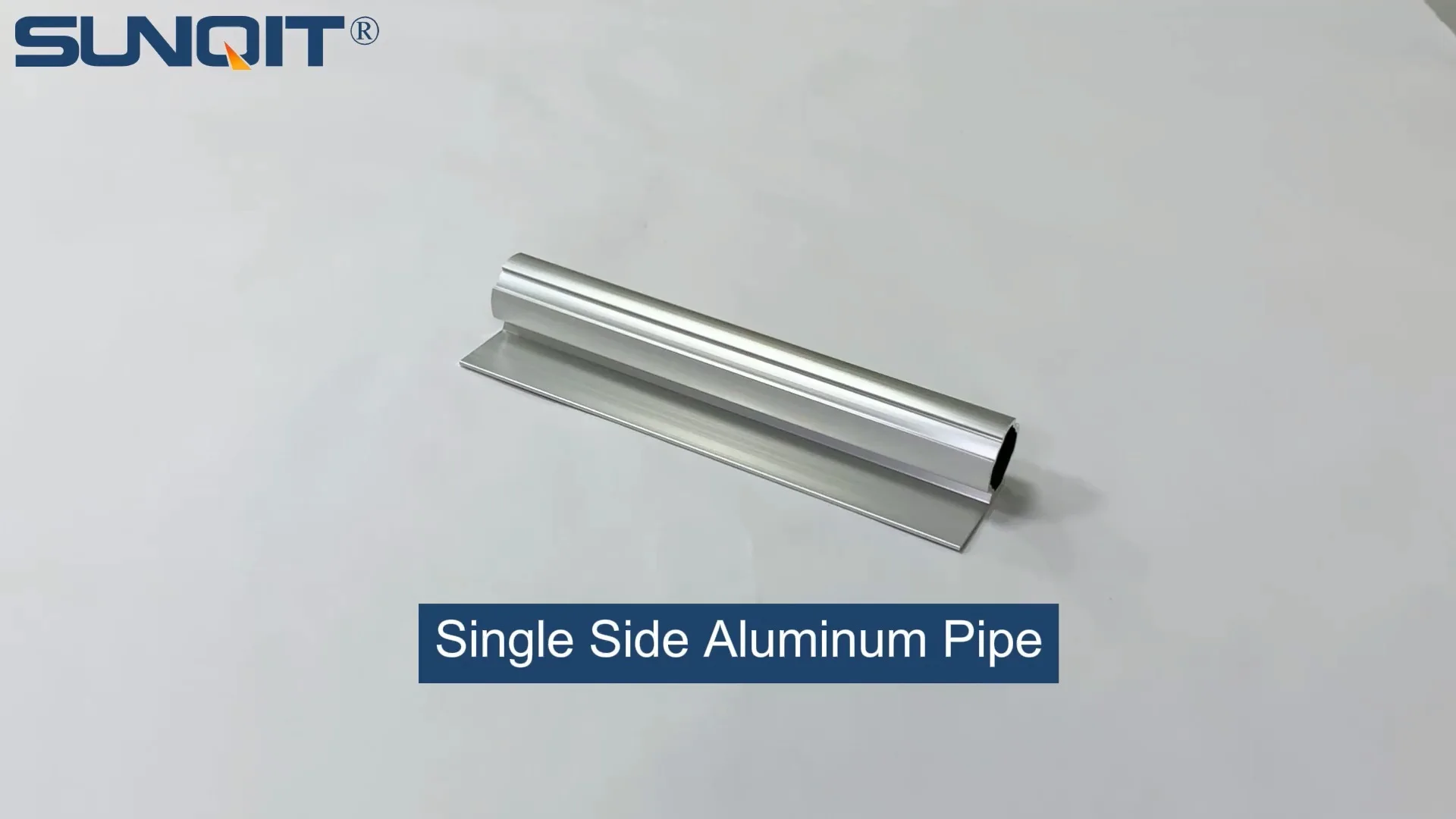
Single Side Aluminum Pipe
The single-sided plane can be installed with a back-mounted material box, and can also be used as a sidewall or partition.
Walk into any busy warehouse, and you'll quickly notice the unsung heroes keeping operations running smoothly: material racks. These structures hold everything from small components to heavy machinery parts, forming the backbone of efficient inventory management. But not all racks are created equal. For warehouse managers, the difference between a reliable rack and an unstable one can mean the difference between seamless workflows and costly disruptions—think damaged goods, worker injuries, or halted production lines. That's where Material Rack B (3 row and 3 floor) comes into play, a workhorse designed to handle the demands of modern warehousing. Yet even the best rack designs can fall short without the right materials. Enter single side aluminum pipe: a game-changer that transforms good racks into exceptional ones by boosting stability, durability, and adaptability. In this article, we'll dive into why stability matters in warehouse racks, how traditional materials often miss the mark, and exactly how single side aluminum pipe elevates Material Rack B from functional to foolproof.
The Hidden Cost of Unstable Material Racks
Before we talk solutions, let's talk about the problem: unstable material racks. You might not notice it at first glance, but a wobbly rack is a ticking time bomb in a warehouse. A 3-row, 3-floor rack loaded with electronic components or automotive parts—each shelf stacked with boxes weighing 50 pounds or more—can quickly become a hazard with a slight lean or loose joint. Boxes slide, items crash, and workers scramble to clean up the mess. But the costs go beyond broken products. Unstable racks force teams to work slower, double-checking load limits and avoiding certain shelves. Over time, this inefficiency adds up, eating into productivity and profits. Worse, unstable racks pose serious safety risks. According to industry reports, falling objects from racks are a leading cause of warehouse injuries, with some incidents resulting in severe harm or even fatalities. For managers, the stress of constant repairs, replacements, and safety checks becomes a full-time job—taking focus away from growing the business.
So why do racks become unstable? It often boils down to three factors: material limitations, poor assembly, and environmental wear. Traditional racks are often made from steel or plastic. Steel is strong, but it's heavy, making racks harder to assemble evenly—one misaligned bolt, and the entire structure can lean. It's also prone to rust in humid warehouses, weakening joints over time. Plastic, on the other hand, is lightweight but lacks the rigidity needed for heavy loads, bending under pressure and losing shape. Even well-made racks using these materials struggle to maintain stability in dynamic environments, where daily loading, unloading, and temperature fluctuations put constant stress on their frames. For Material Rack B, designed to hold multiple rows and floors of inventory, these challenges are amplified. Its 3-row, 3-floor design means more points of contact, more weight distribution, and more opportunities for instability if the materials can't keep up. That's where aluminum pipe steps in, offering a middle ground that addresses steel's bulk and plastic's fragility—with a few extra perks that make all the difference.
Material Rack B (3 row and 3 floor): A Design Built for Demand
Let's take a closer look at the star of the show: Material Rack B (3 row and 3 floor). This isn't just any rack—it's engineered with the chaos of warehouses in mind. With three rows and three floors, it maximizes vertical space, allowing warehouses to store more items without expanding their footprint. That's a big win in facilities where square footage is a premium. But its design isn't just about space; it's about accessibility. Each shelf is positioned for easy reach, whether workers are grabbing parts for assembly lines or restocking inventory. The 3-row layout ensures that items are organized logically, reducing the time spent searching for products. And with three floors, the rack can separate different categories of goods—say, small components on the top shelf, medium parts in the middle, and heavy items on the bottom, making loading and unloading safer and more efficient.
But here's the catch: all that utility means Material Rack B takes on a lot of weight. A fully loaded 3-row, 3-floor rack can hold hundreds of pounds, with each shelf bearing its own share of the load. For the rack to perform as intended, every part of its structure must work in harmony—from the base to the top shelf, from the vertical supports to the horizontal beams. If any component bends, warps, or loosens, the entire rack's stability is compromised. Traditional racks often use steel pipes for their vertical and horizontal supports, but as we noted earlier, steel's weight and rigidity can make assembly tricky. Welded joints, while strong, can crack under repeated stress, and steel's susceptibility to rust means that in humid or cold storage environments, joints weaken over time. Plastic pipes, meanwhile, lack the tensile strength to hold heavy loads without flexing, leading to sagging shelves and uneven weight distribution. So what's the solution? Material Rack B needed a material that could balance strength, weight, and durability—something that could handle heavy loads without adding unnecessary bulk, resist corrosion, and adapt to the rack's unique design. That's where single side aluminum pipe enters the picture.

Single Side Aluminum Pipe: More Than Just a Material Upgrade
At first glance, aluminum might seem like an unlikely candidate for heavy-duty warehouse use. We often associate it with lightweight items—cans, foil, maybe outdoor furniture. But industrial-grade aluminum, especially when shaped into pipes and profiles, is a powerhouse. Single side aluminum pipe, in particular, is a marvel of engineering. Unlike solid aluminum rods or traditional round pipes, it features a unique design with a flat, single-sided edge (hence the name "single side"), which provides extra surface area for attachments. This flat edge isn't just for show; it's a functional feature that allows for secure, precise connections using aluminum pipe accessories like brackets, clamps, and joints. When used in Material Rack B, these pipes serve as the vertical supports and horizontal beams, forming the rack's skeleton. But what makes them so much better than steel or plastic?
Let's start with weight. Aluminum is about one-third the weight of steel, which might not sound like a big deal until you consider assembly and installation. Lighter pipes are easier for warehouse teams to handle, reducing the risk of strain injuries during setup. They also put less stress on the rack's base, which means the foundation of Material Rack B doesn't have to work as hard to keep the structure upright. But don't let the light weight fool you—aluminum is surprisingly strong. Thanks to modern alloying techniques, aluminum pipes can withstand significant loads without bending or warping. In fact, when it comes to strength-to-weight ratio, aluminum often outperforms steel, making it ideal for applications where both durability and maneuverability matter. For Material Rack B, this means the rack can hold heavy items without the pipes themselves adding unnecessary heft, keeping the entire structure balanced and stable.
Another key advantage? Corrosion resistance. Aluminum naturally forms a thin oxide layer when exposed to air, which acts as a protective barrier against rust and corrosion. This is a game-changer for warehouses in humid climates, near the coast, or with cold storage units where condensation is common. Unlike steel, which requires regular painting or coating to prevent rust, aluminum pipes stay strong and stable for years with minimal maintenance. That means fewer repairs, less downtime, and a longer lifespan for Material Rack B. And let's not forget flexibility. Aluminum is highly malleable, allowing manufacturers to shape it into precise profiles—like the single side design—that fit Material Rack B's specifications perfectly. This precision translates to tighter, more secure joints when assembling the rack. With aluminum pipe accessories like internal rotary aluminum joints or parallel fixation aluminum pipe joints, each connection is snug and stable, leaving no room for wobbling or shifting under load.

The Science of Stability: How Aluminum Pipe Strengthens Material Rack B
Stability in material racks isn't just about "feeling solid"—it's a science. It comes down to how weight is distributed, how forces are transferred through the structure, and how well the materials resist deformation. Let's break down exactly how single side aluminum pipe enhances each of these factors in Material Rack B.
1. Weight Distribution: Even Loads Mean Less Stress
One of the biggest enemies of rack stability is uneven weight distribution. If too much weight is concentrated on one shelf or one side of the rack, the structure can tilt or collapse. Material Rack B's 3-row, 3-floor design helps with this by spreading items across multiple shelves, but the pipes themselves play a critical role in transferring that weight safely to the ground. Aluminum's lightweight nature ensures that the rack's own structure doesn't add extra stress to the base. When combined with the single side design, which provides a wide, flat surface for attaching shelves, the pipes distribute the weight of the items evenly across the entire frame. Unlike round pipes, which can concentrate stress at connection points, the flat edge of single side aluminum pipe spreads the load over a larger area, reducing the risk of weak spots. This even distribution keeps the rack balanced, even when some shelves are more heavily loaded than others.
2. Rigidity and Flexibility: The Perfect Balance
Stability doesn't mean being completely rigid—some flexibility is actually good. In a warehouse, racks are subject to constant vibrations from forklifts, workers moving around, and items being placed or removed. A material that's too rigid (like steel) can crack under repeated stress, while a material that's too flexible (like plastic) can bend and lose shape. Aluminum hits the sweet spot. It has just enough flexibility to absorb minor impacts without permanent deformation, then returns to its original shape. This "give" prevents the rack from developing cracks or loose joints over time, keeping it stable for longer. For Material Rack B, this means the aluminum pipes can handle the daily bumps and vibrations of warehouse life without compromising the structure's integrity.
3. Precision Joints with Aluminum Pipe Accessories
Even the strongest pipes won't make a stable rack if the joints are weak. That's where aluminum pipe accessories come in. From internal rotary aluminum joints that allow for adjustable angles to parallel fixation joints that keep horizontal beams perfectly aligned, these accessories are designed to create tight, secure connections. Unlike traditional steel racks, which often rely on welding (a process prone to human error and weak points), aluminum racks use mechanical joints that are easy to assemble and disassemble. This precision ensures that every pipe is aligned correctly, with no gaps or misalignments that could lead to instability. For example, when attaching a horizontal beam to a vertical support in Material Rack B, an aluminum pipe clamp or a 90° aluminum crossing joint ensures the connection is square and secure, preventing the beam from shifting under load. Over time, these tight joints mean the rack stays stable, even as items are added, removed, and rearranged.

Traditional vs. Aluminum: A Stability Showdown
To really understand the impact of single side aluminum pipe, let's compare it head-to-head with traditional materials used in material racks. The table below breaks down key factors that affect stability, durability, and overall performance:
| Factor | Traditional Steel Pipes | Single Side Aluminum Pipes |
|---|---|---|
| Weight | Heavy (adds stress to rack base) | Lightweight (reduces base stress, easier to assemble) |
| Strength-to-Weight Ratio | Good, but heavy | Excellent (stronger per pound than steel) |
| Corrosion Resistance | Poor (prone to rust; requires regular coating) | Excellent (natural oxide layer prevents rust) |
| Joint Stability | Relies on welding (prone to cracks over time) | Uses precision aluminum pipe accessories (snug, adjustable joints) |
| Flexibility Under Load | Low (rigid; can crack under repeated stress) | Moderate (absorbs impacts without permanent damage) |
| Maintenance Needs | High (painting, rust removal, joint repairs) | Low (no rust; easy to clean and adjust) |
| Installation Ease | Difficult (heavy pipes require more labor) | Easy (lightweight; no welding needed) |
As the table shows, single side aluminum pipe outperforms steel in nearly every category that matters for rack stability. It's lighter, stronger relative to its weight, resistant to corrosion, and easier to assemble with stable joints. For Material Rack B, which needs to handle heavy loads across three rows and floors, these advantages add up to a significantly more stable structure. But don't just take our word for it—let's look at a real-world example.
Real-World Results: How One Warehouse Solved Stability Issues with Aluminum
Consider a mid-sized electronics manufacturing warehouse in the Midwest. For years, they relied on steel Material Rack B units to store circuit boards, wiring harnesses, and small components. The racks were sturdy at first, but within two years, managers noticed a problem: the steel pipes were starting to rust in the humid environment, and the welded joints were loosening. Shelves began to sag under the weight of components, and workers reported feeling uneasy when retrieving items from the top floors. The warehouse had to limit the load on each shelf, reducing storage capacity by 30% and forcing them to rent additional space. Repairs were frequent, with maintenance crews spending 10+ hours each month sanding rust, repainting pipes, and reinforcing joints.
In 2023, the warehouse decided to upgrade to Material Rack B units built with single side aluminum pipe and aluminum pipe accessories. The transformation was immediate. Installation took half the time of the steel racks, thanks to the lightweight aluminum pipes and easy-to-use joints. Within six months, the warehouse saw zero rust, even in the most humid corners. The shelves no longer sagged, allowing them to restore full load capacity and eliminate the need for extra storage space. Maintenance hours dropped to less than 2 hours per month, freeing up crews to focus on other tasks. Most importantly, workers reported feeling safer, with no more wobbling shelves or concerns about falling items. The warehouse manager summed it up: "We used to worry about the racks; now we forget they're there—they just work."
Installing Single Side Aluminum Pipe in Material Rack B: A Step-by-Step Guide
Wondering how to upgrade your existing Material Rack B (3 row and 3 floor) with single side aluminum pipe? The process is simpler than you might think, thanks to the modular design of aluminum pipe systems. Here's a basic overview of the steps involved:
1. Assess Your Current Rack
Start by evaluating your existing rack (if upgrading) or planning the layout for a new one. Measure the space, determine the load capacity needed for each shelf, and identify any specific requirements (e.g., extra bracing for heavy items). This ensures you order the right length of aluminum pipe and the correct aluminum pipe accessories—like joints, clamps, and end caps.
2. Gather Materials and Tools
You'll need single side aluminum pipes (cut to your required lengths), aluminum pipe accessories (e.g., 90° aluminum crossing joints, parallel fixation joints, internal rotary aluminum joints), a rubber mallet, a level, and a measuring tape. Avoid power tools unless specified by the manufacturer—aluminum is soft enough that over-tightening can damage threads.
3. Build the Base Frame
Start with the base: connect four vertical aluminum pipes to a rectangular frame of horizontal pipes using vertical aluminum joints. Use a level to ensure the base is perfectly square—this is critical for overall stability. Tighten the joints by hand, then tap gently with a rubber mallet to secure them.
4. Add Vertical Supports
Attach additional vertical pipes at the corners and along the length of the base frame to support the three floors. Space them evenly to ensure weight is distributed across the frame. Use a level to confirm the vertical pipes are straight—even a small lean can cause instability in the finished rack.
5. Install Horizontal Beams for Shelves
Connect horizontal aluminum pipes between the vertical supports to form the shelves. For Material Rack B's 3-row design, add horizontal beams at three heights (one for each floor) and three widths (one for each row). Use parallel fixation joints to keep the beams aligned and secure. Double-check each joint to ensure it's tight but not over-tightened.
6. Add Shelf Surfaces and Finishing Touches
Once the frame is complete, attach shelf surfaces (plywood, metal sheets, or wire mesh) using aluminum pipe clamps. Add plastic pipe end caps to the ends of the aluminum pipes to prevent sharp edges and debris buildup. Finally, give the rack a gentle shake to test stability—if it wobbles, check for loose joints or uneven vertical pipes and adjust as needed.
Pro tip: For maximum stability, consider adding diagonal bracing between vertical supports on the back and sides of the rack. This extra reinforcement helps resist lateral forces (like a forklift bumping into the rack) and keeps the structure square over time.
Maintaining Your Aluminum-Built Material Rack B: Simple Steps for Long-Term Stability
One of the best things about single side aluminum pipe is how little maintenance it requires. With just a few simple steps, you can keep your Material Rack B stable and functional for decades:
1. Regular Inspections
Walk through the warehouse monthly to inspect the racks. Check for loose joints, bent pipes, or signs of damage (e.g., dents from forklifts). Tighten any loose joints with a rubber mallet—avoid using tools, as aluminum threads can strip easily.
2. Clean as Needed
Aluminum pipes resist dirt and grime, but a quick wipe with a damp cloth removes dust and debris that could accumulate in joints. For tougher stains, use mild soap and water—avoid harsh chemicals, which can damage the oxide layer.
3. Address Damage Promptly
If a pipe is bent or a joint is cracked, replace it immediately. Aluminum pipe systems are modular, so you can swap out individual components without replacing the entire rack. Keep spare pipes and accessories on hand to minimize downtime.
4. Avoid Overloading
Even the strongest racks have limits. Post load capacity labels on each shelf and train workers to adhere to them. Overloading is one of the fastest ways to compromise stability, so regular training is key.
The Future of Warehouse Stability: Why Aluminum is Here to Stay
As warehouses evolve to meet the demands of e-commerce, automation, and lean manufacturing, the need for stable, adaptable material racks will only grow. Single side aluminum pipe is perfectly positioned to lead this evolution, thanks to its unique combination of strength, flexibility, and sustainability. Aluminum is 100% recyclable, making it an eco-friendly choice for companies aiming to reduce their carbon footprint. Its modular design aligns with lean principles, allowing warehouses to reconfigure racks quickly as needs change—no welding or heavy tools required. And as manufacturing techniques improve, we can expect even stronger, lighter aluminum alloys and more innovative aluminum pipe accessories, further enhancing stability and performance.
For Material Rack B (3 row and 3 floor), this means a future where stability isn't just a feature—it's a guarantee. Whether you're storing delicate electronics, heavy machinery parts, or perishable goods, aluminum-built racks will continue to set the standard for reliability. As one logistics expert put it: "In warehousing, stability isn't optional. With aluminum, it's inevitable."
Conclusion: Stability Redefined with Single Side Aluminum Pipe
In the fast-paced world of warehousing, stability isn't a luxury—it's a necessity. Material Rack B (3 row and 3 floor) is already a top choice for efficient storage, but when paired with single side aluminum pipe, it becomes a model of reliability. From its lightweight yet strong construction to its corrosion resistance and precision joints, aluminum pipe addresses the root causes of rack instability, transforming Material Rack B into a structure that can handle the heaviest loads, the harshest environments, and the busiest workflows.
For warehouse managers tired of dealing with wobbly racks, frequent repairs, and safety concerns, the solution is clear: upgrade to Material Rack B with single side aluminum pipe and aluminum pipe accessories. It's an investment that pays off in fewer disruptions, lower maintenance costs, and a safer, more efficient workplace. After all, in a warehouse, the best racks are the ones you never have to worry about—they just hold the line, so you can keep moving forward.