- Company Articles
- Products and Technology
- Product knowledge
- How Swivel Stem Caster Wheels Enhance Safety in Busy Factory Floors

How Swivel Stem Caster Wheels Enhance Safety in Busy Factory Floors
Related Product
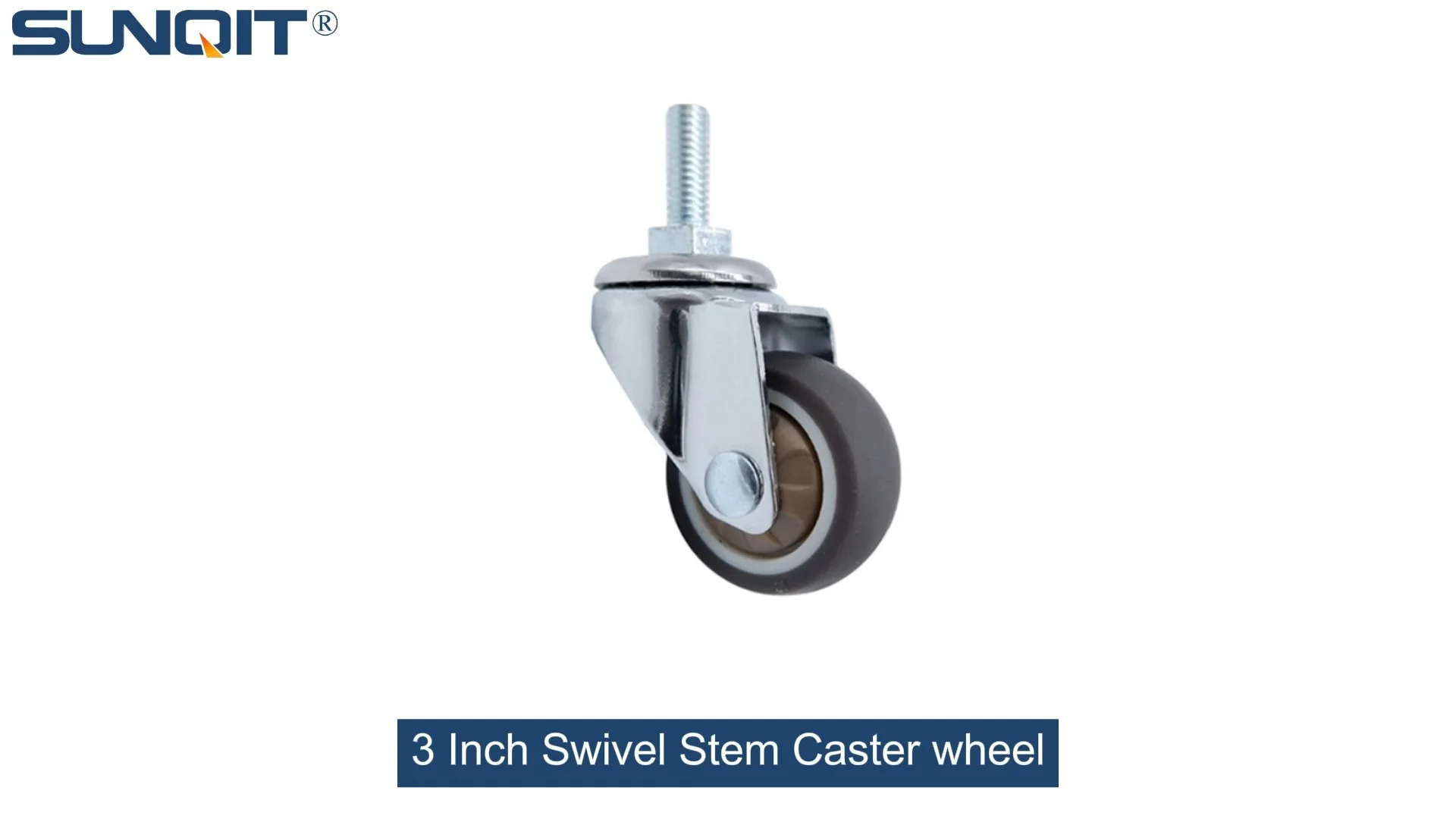
Swivel Stem Caster wheel
360 Degree Swivel Stem Caster. Threaded-post mount design, castors diameter 3 inch.Each swivel caster wheels loading 70KGS. Heavy enough and widely suit for carts, chairs, cabinet, flow rack, workbench, turnover rolley.
The hum of machinery, the clink of tools, the steady rhythm of workers moving materials—this is the heartbeat of a busy factory floor. But beneath this orchestrated chaos lies a critical concern: safety. Every day, workers navigate tight spaces, maneuver heavy loads, and interact with equipment that demands precision. Among the unsung heroes of this environment are the small, often overlooked components that keep operations running smoothly and safely. One such component? The swivel stem caster wheel. These unassuming wheels, paired with the right caster accessories, play a pivotal role in reducing accidents, improving efficiency, and fostering a culture of safety. Let's dive into how they transform factory floors, from the warehouse to the assembly line, and why they're an indispensable part of any lean system.
The Hidden Risks of Rigid Mobility: Why Traditional Casters Fall Short
Before understanding the impact of swivel stem caster wheels, it's important to recognize the limitations of their predecessors. Many older factory setups rely on rigid casters—wheels fixed in a single direction—or low-quality swivel models that lack precision. These can turn even simple tasks into safety hazards.
Consider a common scenario: a worker pushing a loaded turnover trolley and rack through a narrow aisle. With rigid casters, the trolley resists turns, forcing the worker to exert extra force. A sudden jolt, a loose floor tile, or a momentary loss of balance could send the trolley veering into a coworker, a machine, or worse, tipping over. Rigid casters also struggle with uneven surfaces, creating a bumpy ride that risks damaging fragile materials or causing items to shift and fall. Over time, the strain of maneuvering these unwieldy carts leads to fatigue, increasing the likelihood of mistakes.
Even basic swivel casters without stem designs can fail in critical moments. Poorly constructed joints may lock unexpectedly, or the swivel mechanism might seize under heavy loads, turning a routine task into a struggle. When mobility becomes a battle, safety takes a backseat.
The Swivel Stem Advantage: Maneuverability That Saves Lives
Enter the swivel stem caster wheel—a design engineered for precision, flexibility, and control. Unlike rigid casters, these wheels feature a stem-mounted swivel joint that allows 360-degree rotation, enabling carts, workbenches, and equipment to glide around obstacles with minimal effort. This maneuverability isn't just about convenience; it's a safety game-changer.
1. Reducing Physical Strain and Fatigue
Manual handling is one of the leading causes of workplace injuries, from strained backs to repetitive motion disorders. Swivel stem casters drastically reduce the force required to move heavy loads. A study by the National Institute for Occupational Safety and Health (NIOSH) found that well-designed casters can cut pushing/pulling forces by up to 40%, lowering the risk of musculoskeletal injuries. For workers who push carts dozens of times a day, this translates to less fatigue, sharper focus, and fewer accidents caused by human error.
Take Maria, a material handler at a mid-sized electronics plant, who switched from rigid to swivel stem casters on her daily route. "Before, moving a loaded trolley around the assembly line felt like wrestling a stubborn mule," she recalls. "Now, I can pivot around corners with one hand, even when the cart is full. My shoulders and back don't ache by lunchtime anymore, and I'm more alert—less likely to miss a spill or a misplaced tool on the floor."
2. Navigating Tight Spaces with Precision
Factory floors are rarely open plains. They're filled with workbenches, machinery, and temporary storage areas, leaving narrow pathways that demand agility. Swivel stem casters excel here, thanks to their ability to rotate on a dime. A cart equipped with these wheels can make tight turns without requiring extra space, reducing the risk of collisions with walls, equipment, or coworkers.
Consider a busy assembly line where workers need to position a workbench close to a conveyor belt. With rigid casters, adjusting the workbench's position would require multiple people and risk scratching the floor or damaging the conveyor. With swivel stem casters, a single worker can glide the bench into place, aligning it perfectly with minimal effort. This precision not only saves time but also eliminates the "close calls" that often lead to accidents.
3. Stability Under Load: Preventing Tip-Overs and Spills
Heavy loads are a fact of life in manufacturing. A poorly designed caster can cause a cart to wobble, especially when turning, increasing the risk of tipping. Swivel stem casters address this with a low center of gravity and a sturdy stem that anchors the wheel to the cart frame. High-quality models also feature dual ball bearings in the swivel joint, ensuring smooth rotation without play or instability.
For example, a turnover trolley and rack loaded with metal components can weigh hundreds of pounds. With standard casters, a sudden turn might shift the load, causing the trolley to lean dangerously. Swivel stem casters distribute weight evenly, keeping the cart stable even when navigating sharp angles. This stability is further enhanced by caster accessories like locking brakes, which prevent unintended movement when loading or unloading.

Beyond the Wheel: How Caster Accessories Elevate Safety
A swivel stem caster wheel is only as effective as its supporting components. Caster accessories—from brakes to bearings—turn a basic wheel into a safety system. Let's explore the most critical ones and how they contribute to a safer workplace.
Braking Systems: Stopping Accidents in Their Tracks
Imagine a worker leaving a loaded cart unattended on a slight incline. Without a reliable brake, the cart could roll away, colliding with equipment or pedestrians. Swivel stem casters often come with two types of brakes: total lock and directional lock. Total lock brakes engage both the wheel and the swivel joint, preventing movement in any direction—ideal for when a cart needs to stay stationary during loading. Directional lock brakes fix the wheel in a straight line, allowing the cart to roll forward or backward but not swivel, useful for moving in straight, narrow spaces.
John, a safety supervisor at a automotive parts plant, emphasizes their importance: "We once had a near-miss when a cart without brakes rolled into a robot arm, damaging the equipment and halting production for hours. Now, every cart has total lock brakes, and we train workers to engage them whenever they step away. It's a small step, but it's cut our 'runaway cart' incidents to zero."
Wheel Materials: Grip, Durability, and Floor Protection
The right wheel material depends on the factory environment. Rubber wheels offer excellent grip on smooth floors, reducing slippage, while polyurethane wheels combine durability with floor protection, preventing scratches on concrete or epoxy surfaces. For heavy loads, steel wheels are a go-to, though they're best paired with floor mats to avoid noise and damage. In environments with oil or chemicals, chemical-resistant wheels (often made of polypropylene) prevent degradation, ensuring the wheel doesn't crack or lose traction over time.
In food processing plants, where cleanliness is critical, stainless steel caster wheels with non-marking rubber tires are a must. They resist corrosion from frequent washdowns and prevent contamination, aligning with safety regulations like FDA standards.
Bearings and Seals: Ensuring Longevity and Smooth Operation
A caster's swivel joint is its most complex component, and bearings are its lifeblood. Precision ball bearings reduce friction, making rotation effortless, while sealed bearings keep out dust, debris, and moisture—common in factory settings. Without sealed bearings, dirt can grind away at the joint, causing it to seize or become stiff, forcing workers to exert extra force and increasing the risk of injury.
Regular maintenance of these components is key. Applying lubricant to bearings every few months keeps them running smoothly, and inspecting for wear ensures that a failing caster is replaced before it becomes a hazard. This proactive approach is a cornerstone of a lean system, where minimizing downtime and preventing waste (including accidents) are top priorities.

Swivel Stem Casters in Action: Real-World Applications
Swivel stem caster wheels aren't just theoretical—they're transforming safety across industries. Let's look at how they're used in common factory setups, from workbenches to material transport.
Workbenches: Mobility Meets Stability
Modern workbenches are no longer fixed to the floor. In lean manufacturing, workstations need to adapt to changing production needs—moving closer to assembly lines, reconfiguring for new products, or shifting to accommodate larger batches. Swivel stem casters make this flexibility possible without sacrificing stability.
A workbench equipped with swivel stem casters can be easily moved to a new location, then locked in place with total lock brakes to ensure it doesn't shift during use. This mobility reduces the need for multiple fixed workbenches, saving space and improving workflow. For example, in a electronics assembly plant, a technician might need to move their workbench from the soldering station to the testing area. With swivel stem casters, this takes minutes, not hours, and the locked brakes keep tools and components secure during the process.
Turnover Trolleys and Racks: Streamlining Material Transport
Turnover trolley and rack units are the backbone of material transport, carrying everything from raw materials to finished goods. Swivel stem casters make these trolleys easier to maneuver, even when fully loaded. In a warehouse with narrow aisles, a trolley with swivel stem casters can navigate between pallet racks with ease, reducing the risk of collisions and damage to inventory.
A case study from a pharmaceutical manufacturer illustrates this: after upgrading to swivel stem casters on their turnover trolleys, the company reported a 25% reduction in time spent moving materials and a 30% drop in minor accidents (like bumps and scrapes). Workers noted that the trolleys were "less of a hassle to push," allowing them to focus on more critical tasks and stay alert to potential hazards.
Lean Systems: Efficiency and Safety Hand in Hand
At its core, a lean system is about eliminating waste—whether in time, materials, or effort. Swivel stem casters align perfectly with this philosophy by reducing the physical exertion required to move equipment, minimizing downtime from accidents, and improving workflow. When workers can move tools, materials, and workbenches quickly and safely, they spend less time on non-value-added tasks and more time on production.
For instance, a lean manufacturing cell might use a U-shaped layout to minimize movement. Swivel stem casters allow workbenches and trolleys to be positioned precisely within this layout, ensuring workers have everything they need within arm's reach. This reduces walking time, fatigue, and the risk of trips and falls—all while boosting productivity.

Choosing the Right Swivel Stem Caster: A Buyer's Guide
With so many options on the market, selecting the right swivel stem caster wheel can feel overwhelming. To simplify the process, consider these key factors:
| Factor | Considerations | Why It Matters for Safety |
|---|---|---|
| Load Capacity | Calculate the maximum weight the caster will carry (including the cart itself). | Overloading casters leads to premature failure, instability, and increased accident risk. |
| Floor Type | Smooth (epoxy, concrete), rough (unfinished concrete), or sensitive (wood, vinyl). | Wrong wheel material can cause slippage, floor damage, or excessive noise. |
| Environment | Exposure to oil, chemicals, moisture, or extreme temperatures. | Corrosion-resistant materials (e.g., stainless steel) prevent caster failure in harsh conditions. |
| Maneuverability | Space constraints (narrow aisles vs. open areas) and required turning radius. | Low swivel radius casters are essential for tight spaces to avoid collisions. |
| Braking Needs | Total lock vs. directional lock; frequency of stopping/starting. | Prevents unintended movement during loading, unloading, or when unattended. |
It's also important to source from reputable suppliers who prioritize quality. Look for casters with certifications like ISO 9001, which ensures consistent manufacturing standards. A reliable supplier will also offer technical support, helping you select the right model for your specific needs.
Maintenance: Keeping Casters Safe for the Long Haul
Even the best swivel stem caster wheels degrade over time without proper care. Regular maintenance ensures they remain safe and effective. Here's a simple checklist to follow:
- Inspect weekly: Check for cracks in wheels, loose stems, or damaged brakes. replace worn caster accessories immediately.
- Lubricate monthly: Apply grease to swivel joints and wheel bearings to reduce friction. Use a food-grade lubricant in clean environments like food processing plants.
- Clean regularly: Wipe wheels and joints to remove dirt, debris, or oil. In dusty environments, use compressed air to blow out particles from the swivel mechanism.
- Train workers: Teach employees to report damaged casters, engage brakes when stationary, and avoid overloading carts.
"Maintenance isn't just about extending the life of the caster—it's about preventing accidents before they happen," says Lisa, a maintenance manager at a packaging facility. "A five-minute inspection each week has saved us from countless headaches. Last month, we caught a cracked wheel before it failed, avoiding what could have been a serious injury."
Conclusion: Small Wheels, Big Impact on Safety
In the grand scheme of factory operations, swivel stem caster wheels might seem. But their impact on safety is undeniable. By improving maneuverability, reducing physical strain, and working in tandem with caster accessories like brakes and bearings, they create a foundation for safer, more efficient workplaces. Whether paired with a workbench, a turnover trolley and rack, or integrated into a lean system, these wheels prove that safety often lies in the details.
As factories continue to evolve, prioritizing components like swivel stem casters isn't just a choice—it's a commitment to the well-being of workers and the success of the business. After all, a safe factory floor isn't just one with fewer accidents; it's one where workers feel valued, productive, and empowered to do their best. And that's a goal worth rolling toward.