- Company Articles
- Products and Technology
- Solution
- How T-Slot Rubber Seal Covers Reduce Maintenance Costs in Lean Production Systems

How T-Slot Rubber Seal Covers Reduce Maintenance Costs in Lean Production Systems
Related Product
T-slot Rubber Seal Cover
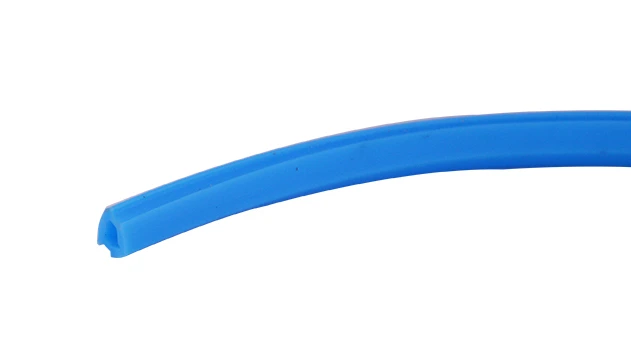
The rubber T-slot seal cover prevents dust and debris buildup, covers wires in the T-slot channel, and adds an extra layer of protection to applications. It rolls into the T-slot, making it easy to assemble.
In the world of lean production, where every second counts and waste is the enemy, it's often the smallest components that make the biggest difference. Take, for example, the humble
The Hidden Cost of "Small" Maintenance Headaches in Lean Systems
Lean production thrives on efficiency: minimizing waste, streamlining workflows, and keeping operations running like well-oiled machines. But even the most optimized systems can be derailed by invisible drains on time and resources—like the maintenance headaches caused by unprotected T-slots in aluminum profiles. If you've ever walked through a factory floor, you've seen these profiles in action: they form the backbone of workbenches, flow racks, conveyors, and material handling systems. Their T-shaped grooves are genius for flexibility—allowing quick attachment of brackets, tools, and components—but they're also magnets for trouble.
Dust, metal shavings, coolant, and even stray screws find their way into these slots, turning them from functional features into maintenance nightmares. Over time, debris builds up, making it harder to slide brackets into place or lock components securely. Technicians end up spending hours prying out gunk with picks and air compressors. Worse, when debris jams moving parts—like the rollers in a flow rack or the adjustable arms of an
Consider a mid-sized electronics manufacturer running three shifts. Their assembly line uses 4040 aluminum profiles for workstations and 3030 profiles for component racks—all with exposed T-slots. Without protection, each workstation required a 15-minute deep clean every week to keep slots functional. Multiply that by 50 workstations and 52 weeks, and you're looking at 325 hours of labor annually just for cleaning. Add in the cost of replacing jammed brackets or corroded profile sections (thanks to moisture trapped in those slots), and the "small" problem balloons into a six-figure expense. That's the hidden cost of neglecting T-slots—and it's exactly where T-slot rubber seal covers step in.
What Are T-Slot Rubber Seal Covers, and Why Do They Matter?
At first glance, a T-slot rubber seal cover looks simple: a strip of flexible rubber (often EPDM or nitrile) designed to snap into the T-slot of an aluminum profile, creating a tight, protective barrier. But its design is deceptively clever. The rubber is engineered to fit snugly into the slot, conforming to its shape without blocking future adjustments. It's resistant to oils, coolants, and industrial chemicals, and stands up to the temperature swings of factory environments. Some versions even come in colors like black or grey to blend with profiles, keeping work areas looking neat and professional.
But why does this matter for lean systems? Because these covers address the root cause of T-slot maintenance issues, not just the symptoms. By sealing off the slot, they prevent debris from entering in the first place—turning reactive cleaning into proactive prevention. Think of it like a lid on a coffee cup: no lid, and you're wiping up spills all day; with a lid, you can focus on drinking (or, in this case, producing). For lean teams, this shift from "fixing" to "preventing" aligns perfectly with kaizen principles—continuous improvement through small, impactful changes.
The Three Maintenance Nightmares T-Slot Seal Covers Eliminate
1. Debris Buildup: The Silent Productivity Killer
Even in cleanrooms, dust is inevitable. In metalworking or automotive shops, it's worse: metal shavings, grinding dust, and lubricants coat every surface. Without a seal cover, these particles settle into T-slots, where they harden into a gritty paste. Over time, this paste gums up adjustments—making it impossible to slide a bracket to a new position or lock a tool holder securely. Technicians end up using brute force, which damages both the slot and the component. With a T-slot rubber seal cover, the slot stays clean. No debris means no jams, no forced adjustments, and no broken parts.
2. Corrosion: The Slow Degradation of Your Aluminum Profiles
Aluminum profiles are durable, but they're not impervious. Moisture, especially when mixed with chemicals from coolants or cleaning agents, can seep into T-slots and cause oxidation. This isn't just cosmetic—corroded slots lose their precision, making components wobble or fail. In extreme cases, entire profile sections need replacement. Seal covers act as a moisture barrier, keeping water and chemicals out. For facilities in humid climates or those using water-based coolants, this alone can extend the life of aluminum profiles by 3–5 years.
3. Unplanned Downtime: When "Small" Jams Stop Production
In lean systems, downtime is the ultimate enemy. A single jammed conveyor roller or stuck workbench bracket can bring an entire line to a halt while technicians troubleshoot. More often than not, the culprit is debris in a T-slot. For example, a food packaging plant using an aluminum profile conveyor with exposed slots might find a stray plastic pellet jamming a roller—halting production for 20 minutes. Multiply that by a few incidents per week, and you're looking at hours of lost output. T-slot seal covers prevent these jams at the source, keeping lines moving and meeting lean's demand for consistent flow.

From Headaches to Savings: The Real-World Impact of T-Slot Seal Covers
Numbers tell the story best. Let's walk through a hypothetical but realistic case study of a company that made the switch to T-slot rubber seal covers. Meet PrecisionWorks, a manufacturer of medical devices with a 100-station assembly line. Their lean system relies heavily on aluminum profiles: 4080 profiles for workbenches, 2040 profiles for component racks, and 3030 profiles for mobile carts. Before seal covers, their maintenance log was full of recurring issues:
- Weekly T-slot cleaning for all workbenches (10 minutes per station, 50 stations = 500 minutes/week)
- Monthly replacement of jammed brackets (10 brackets/month at $15 each, plus 30 minutes of labor per replacement)
- Quarterly profile repairs due to corrosion (2 profiles/quarter at $200 each, plus 2 hours of labor)
- Bi-annual deep cleaning of flow rack T-slots (8 hours of maintenance labor)
In 2023, they invested in T-slot rubber seal covers for all their aluminum profiles—costing roughly $2 per linear foot, with a total upfront investment of $3,500. The results? Let's break down the savings in black and white:
| Maintenance Task | Without Seal Covers | With Seal Covers | Annual Savings |
|---|---|---|---|
| Weekly T-slot cleaning (labor) | 500 mins/week × 52 weeks = 26,000 mins/year ($25/hour labor = $10,833) | Quarterly cleaning (500 mins/quarter × 4 = 2,000 mins/year = $833) | $10,000 |
| Monthly bracket replacement (parts + labor) | 10 brackets/month × $15 = $1,800/year; 10 replacements × 0.5 hrs × $25 = $1,500/year → Total $3,300 | 2 brackets/year × $15 = $30; 2 replacements × 0.5 hrs × $25 = $25 → Total $55 | $3,245 |
| Quarterly profile repairs | 2 profiles/quarter × $200 = $1,600/year; 2 repairs × 2 hrs × $25 = $200 → Total $1,800 | 0 profiles replaced/year; 0 repairs → $0 | $1,800 |
| Bi-annual flow rack cleaning | 8 hrs × 2 × $25 = $400/year | 0 hours/year (no debris buildup) | $400 |
| Total Annual Maintenance Cost | $16,333 | $888 | $15,445 |
With an upfront investment of $3,500, PrecisionWorks saw a return in just 3 months—and annual savings of over $15,000. For a company operating on thin margins, that's a game-changer. And this isn't an isolated case. Manufacturers across industries—from automotive to aerospace—report similar results: 30–50% reductions in maintenance labor for aluminum profile systems, 70% fewer replacement parts, and near-elimination of slot-related downtime.

Beyond Cost Savings: How Seal Covers Strengthen Your Lean Culture
Lean production isn't just about cutting costs—it's about building a culture of continuous improvement. T-slot rubber seal covers align perfectly with this mindset, supporting core lean principles in ways that go beyond the balance sheet:
Supporting 5S Principles
The 5S framework—Sort, Set in Order, Shine, Standardize, Sustain—thrives on organization and cleanliness. Seal covers make "Shine" (keeping the workplace clean) easier by reducing the need for constant T-slot cleaning. They also support "Standardize" by creating uniform, debris-free slots across all workstations, ensuring tools and components fit consistently every time.
Empowering Frontline Teams
When technicians no longer spend hours fighting jammed slots, they're free to focus on higher-value tasks: optimizing workflows, training new team members, or contributing to kaizen events. This boosts morale and engagement—key for sustaining lean culture long-term.
Reducing Waste (Muda)
In lean, "muda" (waste) includes everything from overproduction to unnecessary motion. T-slot seal covers eliminate the waste of motion (technicians walking to get cleaning tools), the waste of waiting (for slots to be cleaned before a job can start), and the waste of defects (broken components due to jams). It's lean in action, at the micro level.
Choosing the Right T-Slot Rubber Seal Covers: A Quick Guide for Lean Teams
Not all seal covers are created equal. To maximize savings and fit seamlessly into your lean system, keep these factors in mind when selecting T-slot rubber seal covers:
Material Matters
Look for EPDM or nitrile rubber, which resist oils, chemicals, and temperature extremes (ideal for factories with coolant systems or high-heat processes). Avoid cheap PVC covers—they crack in cold weather and degrade quickly in chemical environments.
Profile Compatibility
T-slots come in standard sizes (2020, 3030, 4040, 4080, etc.). Match the seal cover to your profile size—too loose, and debris sneaks in; too tight, and installation becomes a hassle. Reputable
Installation Ease
In lean systems, time is money—so choose covers that install in seconds, with no tools required. Look for "snap-in" designs that fit snugly with a quick press; avoid covers that need adhesives or clips (they add installation time and fail over time).
Color Coding (Optional but Useful)
Some manufacturers offer colored seal covers. This can help with 5S organization: use yellow for high-traffic areas, grey for secondary zones, or red for maintenance-only slots. It's a small touch, but its visual management—another lean staple.
Final Thoughts: The Small Accessory That Delivers Big Lean Wins
In the grand scheme of lean production systems—with their complex conveyors, high-tech workbenches, and sophisticated flow racks—the T-slot rubber seal cover might seem trivial. But as we've seen, it's the kind of "small win" that compound into major results: less maintenance, lower costs, happier teams, and smoother operations. It's a reminder that lean isn't just about big overhauls; it's about optimizing every detail, no matter how small.
So, the next time you walk your factory floor, take a look at those aluminum profiles. Are their T-slots exposed, collecting dust and causing headaches? Or are they sealed, silent, and saving you money? For lean teams ready to squeeze every drop of efficiency from their systems, the answer is clear. Sometimes, the best lean upgrades come in the form of a simple rubber strip. And that's a win worth celebrating.