- Company Articles
- Products and Technology
- Product knowledge
- How Temperature Affects 1.2mm Stainless Steel Pipe Performance in Factories

How Temperature Affects 1.2mm Stainless Steel Pipe Performance in Factories
Related Product
1.2mm Stainless Steel Pipe
Stainless steel pipe, lean pipe, diameter is 28mm, material is SS201 or SS304, SS201 is normally used in the market. It knows a KARAKURI, KAIZEN material for industrial plant to improve efficiency, save labor cost, standard management.
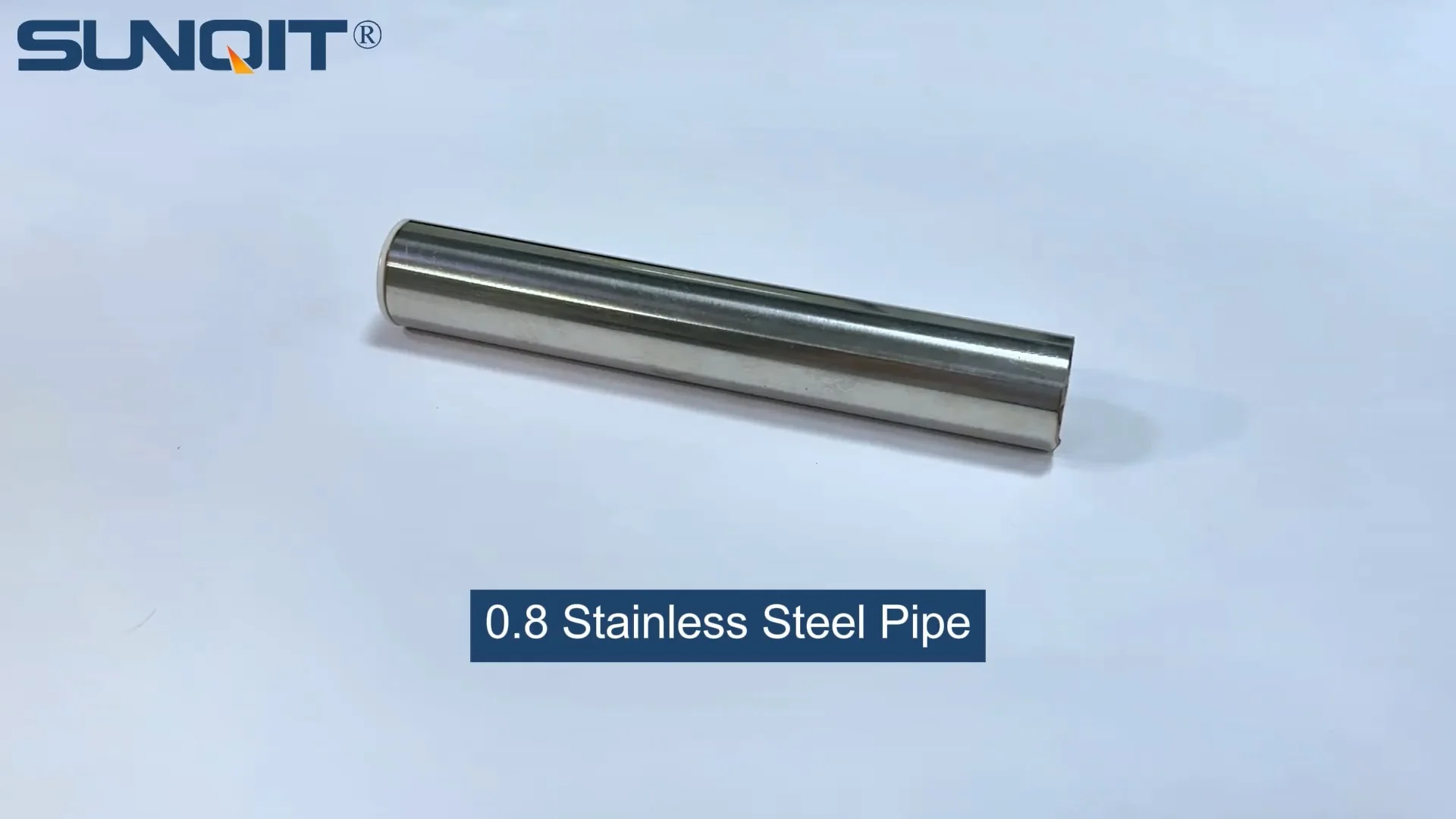
Walk through any factory, and you'll notice them—quietly holding everything together, yet rarely getting the credit they deserve. We're talking about stainless steel pipes: the backbone of workbenches, the framework of flow racks, and the arteries of conveyor systems. Among these, the 1.2mm stainless steel pipe stands out as a workhorse in the stainless steel pipe series. Its thin yet tough profile makes it a favorite for balancing strength and flexibility, whether it's supporting a heavy workbench or guiding materials along a production line. But here's the thing: this unsung hero's performance isn't set in stone. Temperature, that invisible factory variable, can quietly reshape how well these pipes hold up. Let's dive into how heat and cold impact your 1.2mm stainless steel pipes—and why it matters more than you might think.
Why 1.2mm? The Sweet Spot in Factory Design
Before we get into temperature, let's talk about why 1.2mm stainless steel pipes are so common. Factories thrive on precision and efficiency, and this thickness hits a sweet spot. It's sturdy enough to support the weight of tools, components, and even workers on a workbench, but not so thick that it adds unnecessary bulk or cost. You'll find it in everything from lightweight turnover trolleys to the rigid frames of material racks—proof that it's a versatile choice in the stainless steel pipe series.
But what makes stainless steel itself so popular? Its resistance to rust and corrosion, of course. In factories where oils, coolants, or humidity are part of daily life, that resistance is non-negotiable. Add in the 1.2mm thickness, and you've got a material that can handle the grind without succumbing to wear and tear—at least, under ideal conditions. The problem? "Ideal conditions" are rare in most factories. Temperature swings, from the chill of early morning warehouse shifts to the swelter of a summer day near a running machine, can turn that reliable pipe into a source of headaches.
Temperature and Metal: A Simple Love-Hate Relationship
Metals and temperature have a basic rule: heat makes them expand, cold makes them contract. It's physics, plain and simple. For something as rigid as a stainless steel pipe, this movement might seem tiny—millimeters at most—but in a factory, millimeters matter. Imagine a workbench built with 1.2mm pipes: if the pipes expand even a little, the bench top could warp, throwing off the alignment of tools or assembly stations. If they contract too much, joints might loosen, turning a stable surface into a wobbly hazard. Suddenly, that "set it and forget it" pipe isn't so forgettable anymore.
Stainless steel, like all metals, has a coefficient of thermal expansion—a measure of how much it grows or shrinks with temperature changes. For 1.2mm pipes, this coefficient is small, but over the length of a typical factory structure (say, a 2-meter workbench frame), those small changes add up. And it's not just about size: temperature also affects the metal's strength, flexibility, and even its resistance to corrosion. Let's break down how different temperature ranges impact performance.

Breaking Down the Effects: How Temperature Shapes Performance
Factories aren't one-temperature zones. A pipe might start the day in a cool warehouse, move to a warm assembly area by mid-morning, and end up near a heat-generating machine by afternoon. Let's walk through each scenario.
Low Temperatures: When Cold Makes Pipes Brittle
Think about a factory in winter, or a facility with cold storage areas. When temperatures drop below 10°C, your 1.2mm stainless steel pipes start to behave differently. Stainless steel becomes slightly more brittle in the cold. That means while the pipe might still hold weight, it's less able to bend or absorb sudden impacts. drop a heavy tool on a workbench frame in freezing conditions, and there's a higher chance of a hairline crack forming—something that might not show up immediately but weakens the pipe over time.
Cold also slows down the metal's "self-healing" properties. Stainless steel relies on a thin oxide layer to resist rust; in low temperatures, this layer forms more slowly, leaving the pipe vulnerable if it's exposed to moisture (like condensation from a cold storage unit). A small scratch that would normally repair itself in warmer weather might start to corrode, eating away at the 1.2mm thickness from the inside out.
Ambient Temperatures: The Goldilocks Zone (10°C–30°C)
Most factories operate in this range, and for good reason: it's where 1.2mm stainless steel pipes shine. At 20°C (room temperature), the metal's molecules are stable—no significant expansion or contraction, no loss of strength, and that oxide layer works overtime to fight corrosion. This is when you get the performance you expect: a workbench that stays level, a flow rack that guides materials smoothly, and joints that stay tight. It's the "just right" scenario, and if your factory can maintain this range, your pipes will reward you with consistent reliability.
Moderate Heat: When Pipes Start to Stretch (30°C–60°C)
Now, crank up the heat. Think of a summer day in an unairconditioned factory, or a pipe mounted near a running motor. At 40°C, your 1.2mm pipe will expand by about 0.5mm per meter of length. That might not sound like much, but in a precision setup—say, a conveyor system where parts must align perfectly—it's enough to cause jams or misfeeds. Over time, repeated expansion and contraction (as temperatures rise and fall daily) can loosen joints. Imagine a flow rack built with 1.2mm pipes: if the horizontal rails expand, the vertical supports might bow slightly, making the rack lean. Not a disaster, but enough to slow down workers who have to adjust materials constantly.
Heat also speeds up chemical reactions. In factories with high humidity or exposure to oils, a warm pipe is more likely to react with these substances, even if it's stainless steel. The oxide layer still protects, but it's working harder. A 1.2mm pipe in a 50°C environment with regular splashes of coolant? It might start to show discoloration or pitting faster than one in a cooler area.
High Heat: When Strength Starts to Fade (60°C–100°C)
Now we're entering risky territory. At 60°C and above, stainless steel's tensile strength (its ability to resist breaking under tension) starts to drop. For a 1.2mm pipe supporting a heavy load—like a workbench with multiple tools and a worker leaning on it—this is a problem. The pipe might bend more under stress, or if the load is too high, it could even snap. High heat also makes the metal more prone to creep: slow, permanent deformation under constant stress. A pipe holding up a material rack in a 80°C factory might gradually sag over weeks or months, until the rack is no longer level.
Real Example: A automotive parts factory in the southern U.S. noticed their assembly line workbenches were warping every summer. The culprit? Afternoon temperatures in the uncooled facility hit 35°C, but near the welding stations, heat radiated off equipment, pushing local temperatures to 65°C. The 1.2mm stainless steel pipes in the workbench frames expanded, causing the wooden tops to bow. Workers had to readjust their tools daily, slowing down production. It wasn't until they added heat shields around the welding stations that the pipes stabilized.
Extreme Heat: Beyond the Breaking Point (>100°C)
Thankfully, most factories don't hit these temperatures unless they're in specialized industries (like foundries or glass manufacturing). But if your 1.2mm stainless steel pipes are near furnaces or heat-treating equipment, temperatures over 100°C can be catastrophic. At 150°C, stainless steel loses up to 20% of its tensile strength. At 300°C, that number jumps to 50%. A pipe in this environment isn't just bending—it's failing. Welds might crack, joints might melt, and the pipe itself could warp beyond repair. In these cases, 1.2mm is simply too thin; you'd need a thicker pipe or a heat-resistant alloy, but that's a topic for another day.

The Data Speaks: How Temperature Changes Key Metrics
Numbers tell the story best. Below is a breakdown of how 1.2mm stainless steel pipe performance shifts across temperature ranges. These figures are based on industry standards for 304 stainless steel (the most common type in factory settings).
| Temperature Range | Thermal Expansion (per meter length) | Tensile Strength (vs. ambient) | Corrosion Resistance | Key Risk |
|---|---|---|---|---|
| -20°C to 10°C (Cold) | Contracts ~0.3mm | 95% (slight brittleness) | Reduced (slower oxide repair) | Cracking under impact |
| 10°C to 30°C (Ambient) | Stable (~0mm change) | 100% (optimal strength) | Excellent (oxide layer active) | None (ideal conditions) |
| 30°C to 60°C (Moderate Heat) | Expands ~0.5mm | 98% (minor strength loss) | Good (oxide layer intact) | Joint loosening, misalignment |
| 60°C to 100°C (High Heat) | Expands ~1.0mm | 85% (noticeable strength drop) | Fair (faster chemical reactions) | Bending, sagging under load |
| >100°C (Extreme Heat) | Expands >1.5mm | <50% (severe strength loss) | Poor (oxide layer breaks down) | Catastrophic failure, warping |
What This Means for Factory Managers (Spoiler: It's About More Than Pipes)
So, why should you care about a few millimeters of expansion or a small drop in tensile strength? Because in factories, every detail ripples outward. A warped workbench leads to misaligned parts, which leads to defective products. Loose pipe joints on a flow rack mean materials get stuck, slowing down production. A cracked pipe near a coolant line could leak, creating a safety hazard. The cost of ignoring temperature effects isn't just new pipes—it's downtime, repairs, and even lost customers.
Let's put it in dollars. A typical 1.2mm stainless steel pipe costs $5–$10 per meter. But if a warped pipe causes a production line to stop for an hour, that's $1,000–$10,000 in lost revenue (depending on your industry). Multiply that by frequent issues, and suddenly those "cheap" pipes are costing you big time. The solution? It starts with understanding your factory's temperature zones—and choosing the right pipes (and suppliers) to match.
Choosing Wisely: The Lean Pipe Supplier's Role in Temperature Resilience
Here's where your lean pipe supplier comes in. A good supplier doesn't just sell you pipes—they help you pick the right ones for your environment. When sourcing 1.2mm stainless steel pipes, ask: Do they test their products under temperature stress? Can they provide data on how their pipes perform in hot or cold conditions? A reputable lean pipe supplier will know that a factory in Arizona needs different pipe considerations than one in Minnesota. They might even recommend additives or coatings to boost corrosion resistance in high-heat, high-humidity areas.
Installation matters too. A supplier who understands thermal expansion will advise on leaving small gaps between pipe sections or using flexible joints to absorb movement. They might suggest heat-resistant brackets for pipes near machinery or insulation for those in cold zones. It's these small, expert touches that turn a basic pipe into a system built to last—no matter the temperature.
Practical Steps to Protect Your Pipes
You don't need to overhaul your entire factory to manage temperature effects. Start with these simple steps:
- Map your temperature zones: Use a thermometer to track hot spots (near machines, windows) and cold spots (doorways, cold storage). Focus on pipes in these areas first.
- Inspect regularly: Check for warping, loose joints, or corrosion, especially after temperature swings (like a heatwave or cold snap).
- Add protection: Use heat shields near machinery, insulate pipes in cold areas, and clean pipes regularly to remove chemicals that speed up corrosion.
- Work with your supplier: Share your temperature data with your lean pipe supplier. They can suggest custom solutions, like thicker walls for high-heat zones or treated steel for cold, humid areas.
Final Thoughts: Temperature-Proofing Your Factory's Backbone
1.2mm stainless steel pipes might seem like simple components, but they're the quiet foundation of your factory's efficiency. Temperature, that invisible force, can turn them from reliable to problematic—but it doesn't have to. By understanding how heat and cold affect their performance, choosing the right products from a knowledgeable lean pipe supplier, and taking small protective steps, you can keep these pipes working as hard as your team does.
So the next time you walk through your factory, take a second look at those 1.2mm stainless steel pipes. They're not just metal—they're a system. And with a little care, they'll keep your production line moving, no matter what the thermometer says.