- Company Articles
- Products and Technology
- Product knowledge
- How Temperature Affects 40 Roller Track Placon Mount drop High Performance

How Temperature Affects 40 Roller Track Placon Mount drop High Performance
Related Product
40 Roller Track Placon Mount drop High
Roller track placon mount work as a connector for roller track and pipe or aluminum profile in rack syetem, it is a necessary parts in rack system which widely used in industrial plant and logistic,warehouse storage.
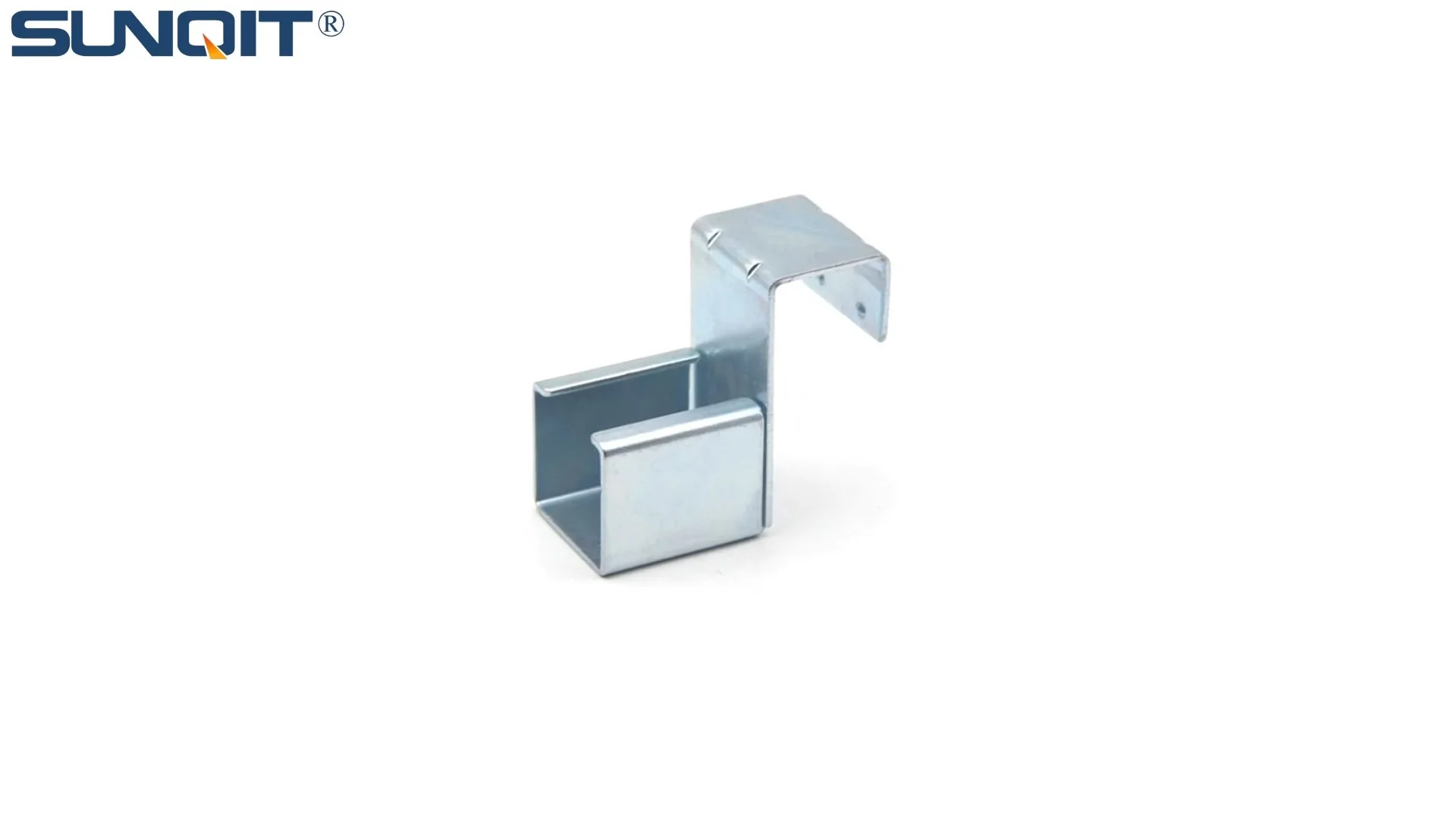
When it comes to keeping manufacturing lines running smoothly, every component matters—especially something as workhorse-like as the 40 Roller Track Placon Mount drop High. You've probably seen it in action without even realizing: those metal and plastic tracks that glide products from one workstation to the next, move parts through assembly, or shuttle inventory in warehouses. It's the unsung hero of lean production, quietly ensuring materials flow efficiently, workers stay productive, and downtime stays minimal. But here's the thing: this humble roller track doesn't just work "out of the box." Its performance hinges on a factor many overlook—temperature. Let's dive into why temperature plays such a big role, how it impacts everything from material flexibility to rolling precision, and what you can do to keep your roller tracks performing at their best, no matter the conditions.
First, Let's Get to Know the 40 Roller Track Placon Mount drop High
Before we talk temperature, let's make sure we're all on the same page about what this roller track actually is. The 40 Roller Track Placon Mount drop High is a specialized type of conveyor system designed for medium to heavy loads—think bins of components, subassemblies, or even finished products. It's built with a mix of aluminum profiles (lightweight but strong), plastic or steel rollers, and sturdy connectors that lock everything together. What makes it popular in lean systems? It's modular, easy to install, and adaptable—perfect for facilities that need to reconfigure lines quickly or scale operations up and down.
But here's the catch: aluminum, plastic, and metal all react differently when temperatures swing. A hot summer day in a automotive parts plant, a cold storage area in a medical device warehouse, or even a climate-controlled 3C assembly cleanroom—each environment throws unique challenges at your roller track. Let's break down how temperature messes with its performance, step by step.
How Temperature Warps Materials: The Aluminum Profile Dilemma
Aluminum is the backbone of this roller track, and for good reason—it's lightweight, resistant to rust, and strong enough to handle daily wear. But aluminum has a secret: it loves to expand when warm and shrink when cold. We're talking about thermal expansion, and it's not just a tiny change. For every 10°C (18°F) temperature rise, a 1-meter length of aluminum profile can expand by about 0.2 millimeters. That might sound small, but multiply that across a 10-meter track, and you're looking at 2 millimeters of extra length. What happens then?
Imagine your roller track is mounted tightly between two fixed points, like a workstation on one end and a storage rack on the other. On a hot day, the aluminum expands, but there's nowhere to go. The track might bow slightly, or the rollers could get misaligned. Suddenly, products start jamming, or the track makes that annoying "creaking" sound as it strains against its mounts. On the flip side, in a cold environment—say, a medical warehouse storing temperature-sensitive supplies—aluminum shrinks. Now the track might pull away from its connectors, creating gaps that make rollers wobble or even pop out of place.
Plastic rollers add another layer of complexity. Most 40 Roller Tracks use high-density polyethylene (HDPE) or polypropylene rollers for their smooth glide and cost-effectiveness. But plastic gets softer when hot and stiffer when cold. In a high-temperature setting, like a foundry or a automotive paint shop where temps can hit 40°C (104°F), those rollers might lose their shape over time, developing flat spots from constant pressure. In a cold room at 5°C (41°F), the plastic hardens, making the rollers less able to absorb shocks—so when a heavy bin hits the track, the roller could crack or chip.
| Temperature Range | Aluminum Profile Expansion (per meter) | Plastic Roller Hardness Change | Potential Issue |
|---|---|---|---|
| -10°C to 0°C (14°F to 32°F) | -0.15mm (shrinkage) | +15% harder | Increased brittleness; risk of roller cracking |
| 10°C to 30°C (50°F to 86°F) | 0mm to +0.3mm | Stable (nominal hardness) | Optimal performance; minimal issues |
| 30°C to 50°C (86°F to 122°F) | +0.3mm to +0.5mm | -10% softer | Track bowing; roller deformation under load |

Mechanical Headaches: When Temperature Throws Off the "Roll"
It's not just about materials warping—temperature also messes with how the roller track moves . Let's talk about rolling resistance, the force that makes products glide (or not glide) along the track. In ideal conditions, the rollers spin freely, so even a light push sends a bin sliding smoothly. But temperature changes can turn that "free spin" into a struggle.
Take lubrication, for example. Most roller bearings come pre-lubricated with grease to reduce friction. In cold temperatures, that grease thickens up—think honey in a fridge vs. honey in a warm room. Thick grease means the rollers don't spin as easily, so workers have to push harder, slowing down production. Over time, the extra force can wear out the bearings faster. On the flip side, high heat thins grease out, making it leak from the bearings. Without proper lubrication, metal-on-metal contact increases, leading to noisy, rough rolling and even seized rollers.
Then there's the issue of load capacity. A roller track rated to handle 50kg per meter might not hit that mark when it's sweltering. Softened plastic rollers can compress under heavy loads, increasing contact area with the track and creating more friction. In extreme cases, the rollers might even "smear," leaving plastic residue on the aluminum profile that gums up the works further. Cold temperatures have the opposite effect: stiff, brittle rollers can't absorb impacts, so a sudden heavy load (like a dropped bin) might crack the roller or bend the axle.
Real-World Example: A 3C assembly plant in southern China noticed their 40 Roller Tracks started jamming every summer. After checking, they realized the afternoon heat (often hitting 38°C/100°F) was causing the aluminum tracks to expand, pushing the rollers out of alignment. The fix? Adding small "expansion gaps" between track sections and switching to heat-resistant lubricant. Problem solved.

Industry-Specific Temperature Battles: It's Not One-Size-Fits-All
Different industries face different temperature challenges, and your 40 Roller Track has to keep up. Let's walk through a few key sectors and how they're impacted:
Medical Device Manufacturing: Cold, Controlled, and Unforgiving
Medical facilities often need strict temperature control—think cleanrooms for surgical tool assembly or storage areas for vaccines. Temperatures here can hover around 18°C (64°F) with low humidity. While that might sound mild, the consistency is key. Even small fluctuations (like a door left open during a delivery) can cause aluminum tracks to shrink slightly, throwing off the precision needed for assembling tiny, delicate parts. Roller materials matter too: some medical plants use ESD-safe (electrostatic discharge) components, and cold temperatures can make ESD coatings less effective, risking damage to sensitive electronics.
Automotive Production: Hot Shops and Heavy Loads
Automotive plants are tough on equipment. Paint shops, engine assembly lines, and welding stations can see temperatures spike to 45°C (113°F) or more. Here, the 40 Roller Track is moving heavy parts—engine blocks, door panels, axles—so load capacity is critical. Hot aluminum tracks expand, and soft plastic rollers struggle to support the weight. One automotive supplier we worked with had to replace rollers every 3 months until they switched to heat-resistant polyamide rollers and added cooling fans near the track mounts. Now their rollers last 9+ months.
Warehouse Logistics: Seasonal Swings and Constant Use
Warehouses, especially those with loading docks or outdoor sections, deal with seasonal temperature swings. A warehouse in the northern US might see -10°C (14°F) in winter and 35°C (95°F) in summer. That's a huge range for a roller track to handle. In winter, frozen lubricant can make rollers stick, slowing down order picking. In summer, expanded tracks might cause products to "bounce" as they move, risking damage to fragile items like electronics or glassware.

Fixing the Problem: How to Optimize Your Roller Track for Temperature
The good news? You don't have to just "deal with" temperature-related issues. With the right tweaks and lean thinking, you can make your 40 Roller Track Placon Mount drop High resilient, no matter the climate. Here's how:
Choose Materials Wisely
Not all aluminum profiles or rollers are created equal. For high-temperature areas, look for aluminum with a higher melting point (like 6061-T6 alloy) and rollers made from heat-resistant plastics (polyamide) or even steel. In cold environments, opt for aluminum with better (low-temperature toughness) and rollers with rubberized coatings to stay flexible. And don't forget lubricants—silicone-based greases work better in cold, while lithium-based ones hold up in heat.
Design for Expansion (and Contraction)
When installing your roller track, leave small gaps between sections to let aluminum expand without bowing. Use adjustable mounts that can shift with temperature changes, and avoid rigidly fixing the track at both ends. For long tracks (10m+), add "floating" supports that allow movement. It's a simple lean solution that prevents big headaches later.
Adjust Maintenance Schedules
Temperature extremes mean more frequent checks. In hot environments, inspect rollers for deformation and re-lubricate bearings every 2-3 months. In cold, check for cracks in plastic parts and tighten loose connectors (shrinking aluminum can loosen bolts). Keeping a log of temperature and performance helps spot patterns—like jams that only happen on hot afternoons—and fix root causes faster.
| Environment | Material Upgrades | Installation Tips | Maintenance Frequency |
|---|---|---|---|
| High Temp (30°C+) | 6061-T6 aluminum, polyamide rollers | 10mm expansion gaps per 5m track | Lubricate: Every 2 months; Inspect rollers: Monthly |
| Low Temp (-5°C to 15°C) | 5052 aluminum, rubber-coated rollers | Adjustable end mounts; anti-seize on bolts | Check for cracks: Every 1.5 months; Tighten bolts: Monthly |
| Variable (Seasonal Swings) | Mixed alloy aluminum, steel-core rollers | Floating supports; temperature sensors | Seasonal deep clean; lubricant change in spring/fall |
Why Custom Lean Solutions Matter in Temperature Control
At the end of the day, every facility is unique. What works for a small 3C assembly line in a climate-controlled room won't cut it for a sprawling automotive plant with hot welding stations. That's where custom lean solutions come in. A good lean system supplier doesn't just sell you a roller track—they analyze your environment, temperature swings, load requirements, and workflow to design something that fits your needs.
Maybe that means mixing aluminum and steel components for a track that handles both heat and heavy loads. Or adding insulation around the track in a cold warehouse. Or integrating smart sensors that alert you when temperature-induced misalignment starts to happen. The goal? A roller track that doesn't just "work"—it thrives, keeping your line moving and your lean goals on track.
Wrapping Up: Temperature Isn't Just Weather—It's a Performance Factor
The 40 Roller Track Placon Mount drop High might seem like a simple component, but its performance is a balancing act—especially when temperature enters the mix. From aluminum expansion to roller flexibility, every detail matters. But with the right materials, smart design, and proactive maintenance, you can turn temperature from a headache into a non-issue.
Remember: in lean manufacturing, efficiency isn't about perfection—it's about adaptability. By understanding how temperature impacts your equipment and adjusting accordingly, you're not just fixing problems—you're building a production line that's resilient, reliable, and ready for whatever the factory floor (or the weather) throws at it. And that's how you keep things rolling—literally.