- Company Articles
- Products and Technology
- Product knowledge
- How Temperature Affects Parallel Fixation Aluminum Pipe Joint Performance

How Temperature Affects Parallel Fixation Aluminum Pipe Joint Performance
Related Product
Parallel Fixation Aluminum Pipe Joint
Aluminum parallel joint for two pcs 28mm aluminum pipe connected by parallel direction.
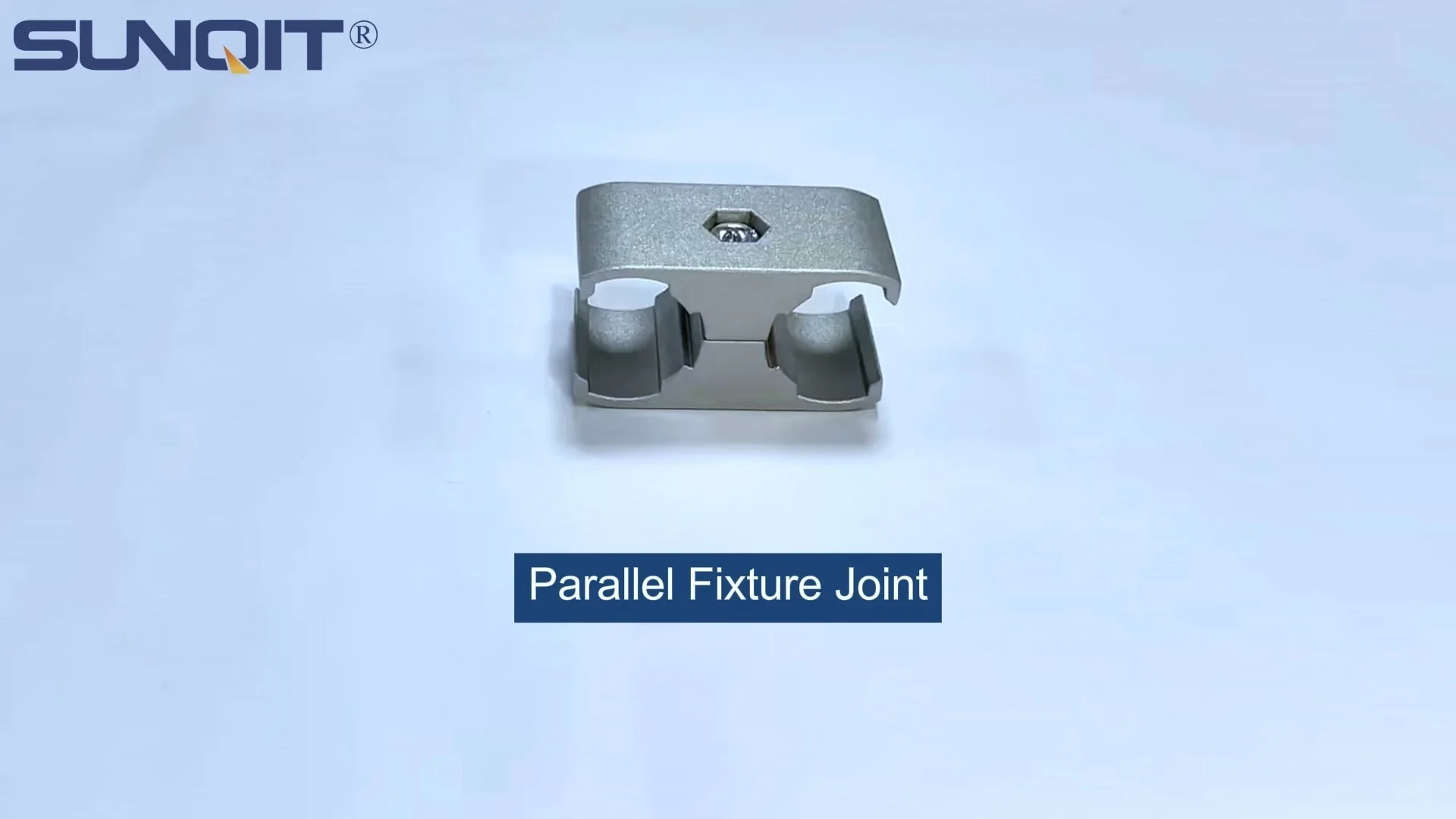
Walk into any modern manufacturing facility, and you'll notice a silent network holding everything together: the unassuming structures built from aluminum pipes and joints. From assembly line workbenches to material racks, these systems rely on precision, durability, and consistency. At the heart of many of these setups lies the parallel fixation aluminum pipe joint—a small but critical component that ensures stability in dynamic environments. But here's the thing: few people stop to think about how something as everyday as temperature can turn this "reliable" joint into a potential weak link. In factories where temperatures swing from bitter cold to sweltering heat, or even in climate-controlled spaces with unexpected fluctuations, the performance of these joints can make or break production schedules, worker safety, and bottom-line results. Let's dive into the science, the real-world impact, and the practical steps to keep these unsung heroes working their best—no matter the thermometer reading.
The Backbone of Modern Factories: What Are Parallel Fixation Aluminum Pipe Joints?
Before we unpack the temperature challenge, let's get to know the star of the show: the parallel fixation aluminum pipe joint. These joints are the connective tissue of industrial structures, designed to link aluminum pipes into rigid, customizable frameworks. Unlike more flexible lean pipe joints, which often prioritize adaptability, parallel fixation joints are engineered for stability. They lock pipes into place along parallel axes, creating sturdy workbenches, material racks, and conveyor supports that handle consistent loads day in and day out.
Made from high-grade aluminum alloy—often paired with aluminum pipe and aluminum profile accessories—these joints are prized for their lightweight strength. Aluminum's natural resistance to corrosion makes them ideal for factories where moisture or chemicals might be present, and their modular design means workers can assemble, disassemble, and reconfigure structures with minimal tools. But here's the catch: aluminum, like all materials, doesn't exist in a vacuum. Its behavior shifts with temperature, and those shifts trickle down to the joints that hold everything together.
Think of it like a well-tailored suit: the fit is perfect at room temperature, but step into a sauna, and suddenly the fabric feels tight; brave a winter wind, and it might stiffen up. Parallel fixation joints work the same way. Their performance hinges on how aluminum responds to heat and cold—and in industrial settings, those responses can be dramatic.
The Science of Temperature: Why Aluminum and Joints Can't Ignore the Thermometer
To understand why temperature matters, let's start with the basics of material science. Aluminum is a metal with a well-documented relationship with temperature. It expands when heated and contracts when cooled—a property known as thermal expansion. The rate at which it does this is measured by its coefficient of thermal expansion (CTE), and for aluminum, that number is relatively high: about 23.1 x 10^-6 per °C. For context, steel has a CTE of around 11 x 10^-6 per °C, meaning aluminum expands and contracts nearly twice as much with the same temperature change.
Why does this matter for parallel fixation aluminum pipe joints? These joints rely on a tight fit between the aluminum pipe and the joint itself, often secured by friction, bolts, or locking mechanisms. When the temperature rises, the aluminum pipe expands. If the joint is rigid (which parallel fixation joints are by design), that expansion can create internal stress. Over time, this stress can loosen the joint, reduce its load-bearing capacity, or even warp the pipe. Conversely, when temperatures drop, the pipe contracts, potentially leaving gaps in the joint, weakening its grip, and making the structure wobble or shift under weight.
But thermal expansion is just the start. Temperature also affects aluminum's mechanical properties. At high temperatures, aluminum becomes more ductile—meaning it can bend or deform more easily under stress. While ductility might sound like a good thing, in a joint designed for rigidity, it can lead to "creep"—slow, permanent deformation over time. Imagine a material rack in a hot factory: the parallel fixation joints holding up the shelves might gradually stretch under the weight of parts, causing the rack to sag. On the flip side, cold temperatures make aluminum more brittle. In freezing conditions, the metal loses some of its flexibility, so a sudden impact (like a worker bumping a trolley into a joint) could lead to cracks or fractures instead of a harmless bend.
Then there's the issue of thermal cycling—repeated shifts between hot and cold. Factories don't always stay at a steady temperature. A plant in a temperate climate might see daytime highs of 30°C and nighttime lows of 10°C, causing pipes and joints to expand and contract daily. Over months or years, this constant movement can fatigue the joint's materials, weakening the connection. It's like bending a paperclip back and forth: eventually, it snaps. For parallel fixation joints, thermal cycling can lead to loosened bolts, worn locking mechanisms, or even micro-cracks in the aluminum itself.

When the Mercury Drops: How Cold Temperatures Test Joint Integrity
Let's start with the cold end of the spectrum. Cold temperatures—whether from winter weather, refrigerated warehouses, or air-conditioned clean rooms—pose unique challenges for parallel fixation aluminum pipe joints. In these environments, the aluminum pipe contracts, and the joint is forced to adapt to this shrinkage.
Take a cold storage facility, for example, where temperatures hover around -10°C to keep perishables fresh. Here, aluminum pipes used in material racks or workbenches will contract significantly compared to their ambient temperature size. If the parallel fixation joints were installed in a warm workshop (say, 25°C) and then moved to the cold storage, the pipe's contraction could create gaps between the pipe and the joint. These gaps reduce friction, the primary force keeping the joint secure. Over time, even a small gap can cause the joint to loosen, making the structure unstable. A worker leaning on a wobbly workbench or a rack holding heavy boxes could suddenly find themselves dealing with a collapse—putting safety at risk and halting operations.
Brittleness is another cold-weather concern. At low temperatures, aluminum's molecules slow down, making the metal stiffer and less able to absorb impact. Parallel fixation joints, which are often designed with sharp edges or tight corners where the pipe meets the joint, become stress concentration points. A simple accident—a pallet being set down too hard next to a joint, or a trolley bumping into a rack—could cause the joint to crack. Unlike in warmer conditions, where the aluminum might bend, in the cold, it's more likely to break, leading to sudden and catastrophic failure.
Case Study: A pharmaceutical manufacturer in Canada learned this lesson the hard way. Their cold storage facility used aluminum pipe racks with parallel fixation joints to store temperature-sensitive medications. During a particularly harsh winter, several racks began to wobble. An inspection revealed that the joints had loosened due to pipe contraction, and one joint had even developed a hairline crack from a worker accidentally hitting it with a trolley. The facility had to shut down storage operations for two days to repair the joints, costing thousands in lost productivity and risking medication spoilage. The root cause? The joints had been installed in a 22°C warehouse and never adjusted for the -8°C storage environment.

When Things Heat Up: The Hidden Risks of High-Temperature Environments
If cold temperatures make joints brittle and loose, heat introduces a different set of problems—starting with expansion. In hot environments, aluminum pipes grow longer, and parallel fixation joints must contain that growth without failing.
Consider an automotive assembly plant in the southern United States during summer. Without proper ventilation, factory floors can reach 40°C or higher. The aluminum pipes in conveyor systems, workstations, and tool racks expand under this heat. If the parallel fixation joints are fixed in place (as they often are in rigid structures), the expanding pipe can push against the joint, creating internal pressure. Over time, this pressure can warp the joint, bend the pipe, or even strip the threads on bolted connections. In extreme cases, the joint might "pop" open, causing the structure to collapse.
Heat also accelerates wear and tear. Aluminum's ductility increases with temperature, so under constant load, the joint might slowly deform. A material rack holding 50kg boxes in a 35°C factory might start to sag after a few months as the parallel fixation joints stretch. What began as a minor dip can worsen over time, leading to uneven weight distribution and, eventually, joint failure. Workers might not notice the sagging until it's too late—like when a shelf full of parts suddenly gives way, damaging inventory and disrupting the production line.
Thermal creep is another silent threat. Creep is the slow deformation of a material under constant stress and high temperature. For parallel fixation joints, this means that even if the load on the joint doesn't change, the aluminum can gradually stretch over weeks or months. In a food processing plant, where ovens or heat-sealing machines raise ambient temperatures to 30°C+, a workbench with parallel fixation joints might start to lean slightly after a year of use. The joints haven't broken, but they've deformed enough to make the bench unstable. This isn't just a safety issue; it can also affect product quality. A misaligned workbench might lead to uneven assembly of parts, increasing defects and costly rework.
Case Study: A electronics manufacturer in Texas faced this problem during a heatwave. Their production floor, which lacked air conditioning, hit 42°C for three consecutive days. The aluminum conveyor rails, held together by parallel fixation joints, expanded beyond their design limits. The joints, which were bolted to steel frames (with lower thermal expansion), couldn't accommodate the aluminum's growth. Several joints buckled, causing the conveyor to jam. The line was down for eight hours while crews replaced the damaged joints and realigned the rails—a delay that cost the company over $50,000 in lost production.

Ambient Temperatures: The "Sweet Spot" and Its Hidden Fluctuations
You might think ambient temperatures—typically 15-25°C—are ideal for parallel fixation aluminum pipe joints, and you'd be mostly right. In this range, aluminum's thermal expansion and contraction are minimal, and the metal retains its balanced mechanical properties: enough ductility to resist impact and enough rigidity to maintain structure. Factories with climate control often aim for this range to keep both workers and equipment comfortable.
But even ambient temperatures can hide surprises. Many factories experience "microclimates"—small areas where temperatures spike or drop unexpectedly. A workstation near a window might heat up in direct sunlight, reaching 30°C while the rest of the floor stays at 20°C. A corner near a drafty door could dip to 10°C in winter. These localized temperature changes mean that two identical parallel fixation joints on the same structure might perform differently: one expanding in the sun, the other contracting in the draft. Over time, this imbalance can twist the structure, putting extra stress on the joints and leading to premature wear.
Another issue is seasonal temperature shifts. A factory in a region with hot summers and cold winters will see its aluminum structures expand and contract with the seasons. A parallel fixation joint tightened in January (5°C) might loosen by July (30°C) as the pipe expands, then become too tight again in December as the pipe contracts. This cycle of loosening and tightening can wear down the joint's locking mechanisms, such as bolts or plastic inserts, making them less effective over time. Maintenance teams might not notice until a joint fails, but by then, the damage is done.
Even in climate-controlled spaces, equipment-generated heat can cause problems. A workbench next to a running motor or a laser cutter might experience temperatures 5-10°C higher than the rest of the room. The aluminum pipe near the heat source expands, while the pipe on the opposite side of the bench stays cool. This uneven expansion can warp the bench, pulling the parallel fixation joints out of alignment. Workers using the bench might notice that tools slide to one side or that parts don't sit flat—small annoyances that add up to wasted time and frustration.
Temperature Impact at a Glance: How Joints Perform Across the Thermometer
| Temperature Range | Joint Strength (vs. Ambient) | Wear Rate (per Month) | Maintenance Frequency | Key Concerns |
|---|---|---|---|---|
| Sub-zero (below 0°C) | 85-90% | Low (0.5mm) | Monthly | Brittleness, contraction gaps, impact fractures |
| Cool (0-15°C) | 92-95% | Low (0.3mm) | Bi-monthly | Mild contraction, reduced flexibility |
| Ambient (15-25°C) | 100% | Very low (0.1mm) | Quarterly | Minimal issues; watch for microclimate shifts |
| Warm (25-35°C) | 90-93% | Moderate (0.4mm) | Bi-monthly | Thermal expansion, mild creep, loosening bolts |
| Hot (35°C+) | 75-85% | High (0.8mm) | Weekly | Severe expansion, creep, ductile deformation, joint warping |
Adapting to the Elements: Maintenance and Installation Tips for Temperature Resilience
The good news? With the right installation and maintenance practices, parallel fixation aluminum pipe joints can perform reliably across a wide temperature range. Here's how to adapt to the challenges of heat and cold:
Installation: Plan for Temperature from Day One
The key to temperature-resistant joints starts with installation. If you're building a structure that will live in a cold environment, install the joints in a cold space (or simulate cold conditions by cooling the pipes first). This ensures the joint tightens around the contracted pipe, so when the temperature rises (even temporarily), the pipe expands into the joint, creating a snug fit. Conversely, for hot environments, install joints in warm conditions to account for expansion. This "temperature-matching" minimizes gaps and stress later.
Use flexible accessories where possible. Aluminum pipe accessories like adjustable brackets or rubber gaskets can absorb some of the thermal movement. For example, adding a rubber washer between the pipe and joint creates a buffer that allows for expansion and contraction without loosening the connection. In thermal cycling environments, consider using spring-loaded bolts or locking nuts with nylon inserts, which resist loosening from vibration and temperature shifts.
Maintenance: Regular Checks for Temperature Wear
In cold environments, inspect joints monthly for cracks or gaps. A quick visual check can spot hairline fractures in brittle aluminum, and a torque wrench can ensure bolts are still tight (cold contraction can loosen them). In hot environments, look for signs of sagging or deformation—run a straightedge along material racks to check for warping. Lubricate moving parts (like joint hinges) with heat-resistant grease to prevent wear from thermal expansion.
For facilities with extreme temperature swings, schedule maintenance during temperature transitions (e.g., spring and fall). This is when thermal cycling is most active, and joints are most likely to loosen or shift. Tighten bolts, replace worn gaskets, and realign pipes if needed. Keeping a log of maintenance checks helps track patterns—like noticing that joints near a heater always loosen in winter—so you can proactively address problem areas.
Material Upgrades: When Standard Aluminum Isn't Enough
In environments with extreme or constant temperature stress, consider upgrading to specialized materials. For example, aluminum profile with higher alloy content (like 6061-T6) has better thermal stability than standard 6063 aluminum, making it more resistant to creep and brittleness. Stainless steel joint components can also add durability, as stainless steel has a lower CTE than aluminum, reducing the mismatch in expansion rates.
Another option is insulated structures. Wrapping aluminum pipes in foam insulation can slow temperature changes, reducing thermal expansion/contraction. This is especially useful in facilities with rapid temperature shifts, like warehouses that open loading docks frequently in winter. Insulation keeps the pipe temperature more stable, easing the strain on parallel fixation joints.
The Bottom Line: Temperature Matters—But So Does Preparation
Parallel fixation aluminum pipe joints are the quiet workhorses of manufacturing, but they're not immune to the whims of temperature. Cold can make them brittle and loose; heat can stretch and weaken them; even ambient temperatures hide microclimate surprises. But with a little knowledge, careful installation, and proactive maintenance, these joints can stand up to whatever the thermometer throws at them.
For plant managers, workers, and anyone who relies on these structures, the message is clear: don't overlook the impact of temperature. A joint that works perfectly in a 20°C workshop might fail miserably in a -5°C freezer or a 40°C factory floor. By understanding how aluminum behaves in different temperatures, adapting installation and maintenance practices, and choosing the right materials, you can keep these critical components—and the structures they support—strong, stable, and safe.
After all, in manufacturing, every detail counts. And when it comes to parallel fixation aluminum pipe joints, temperature isn't just a number on a thermometer—it's a key player in keeping your operation running smoothly, your workers safe, and your bottom line healthy.