- Company Articles
- Products and Technology
- Product knowledge
- How Three Way Aluminum Pipe Joints Reduce Assembly Time in Production Lines

How Three Way Aluminum Pipe Joints Reduce Assembly Time in Production Lines
Related Product
Three Way Aluminum Pipe Joint
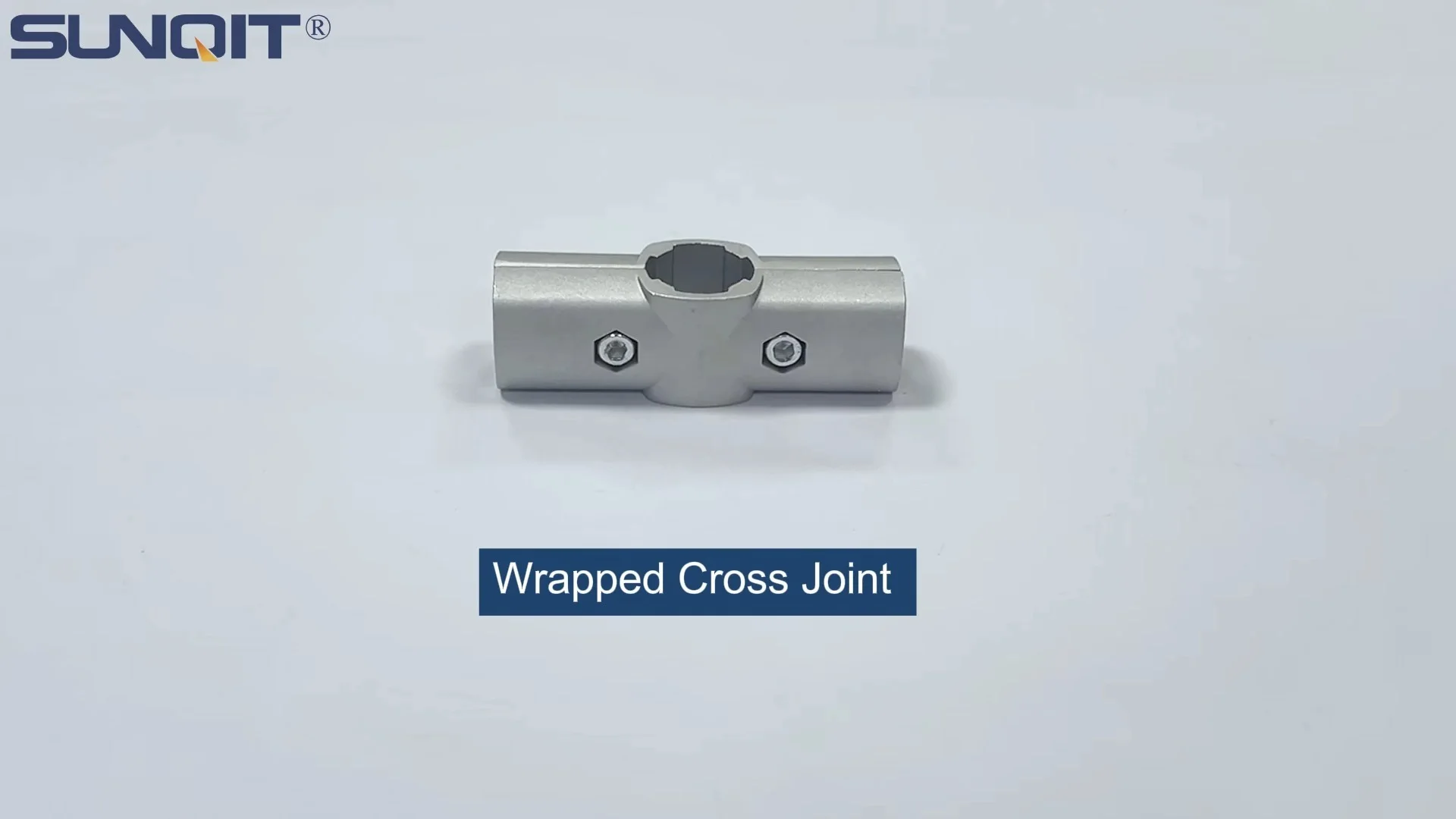
Aluminum 3 way pipe joint for 28mm aluminum pipe connection in 3 direction.
Walk into any manufacturing plant, and you'll hear the same hum: the whir of machinery, the clink of tools, and the steady rhythm of workers assembling, moving, and organizing. But beneath that hum lies a hidden challenge—one that costs factories millions in lost productivity each year: slow, cumbersome assembly processes. Whether it's building a workbench, setting up a material rack, or configuring a conveyor system, traditional methods often involve wrestling with heavy materials, specialized tools, and rigid components that leave little room for error. That's where three way aluminum pipe joints come in. These unassuming components are quietly revolutionizing production lines by turning hours of frustration into minutes of efficiency. In this article, we'll explore how these joints cut assembly time, boost flexibility, and why they've become a cornerstone of modern lean manufacturing systems.
The Hidden Cost of Slow Assembly: Beyond the Stopwatch
Before diving into the solution, let's first understand the problem. In manufacturing, time isn't just money—it's the difference between meeting a deadline and falling behind, between a motivated team and one drained by repetitive, tedious work. Consider a typical scenario: a team needs to build five workbenches for a new production line. Using traditional welded steel frames, the process might involve cutting pipes to length, hauling heavy steel tubes, welding joints (which requires a skilled technician and cooling time), and then sanding and painting to prevent rust. That's easily an 8-hour project, assuming no mistakes. If a measurement is off? Start over. If the welder is unavailable? The whole project stalls.
But the costs go deeper. Slow assembly creates bottlenecks downstream. A delayed workbench means workers can't start assembling products, which delays shipping, which frustrates customers. Then there's the human toll: bending over heavy steel, wielding power tools for hours, and dealing with the stress of tight deadlines. It's no wonder high turnover is common in roles stuck with outdated assembly methods. For plant managers, the math is clear: every minute wasted in assembly is a minute that could be spent creating value.
This is where lean manufacturing principles—focused on eliminating waste and maximizing efficiency—come into play. Lean systems demand tools and processes that adapt quickly, reduce effort, and empower workers. And in that context, three way aluminum pipe joints aren't just parts; they're a bridge between old inefficiencies and new possibilities.
What Are Three Way Aluminum Pipe Joints, Anyway?
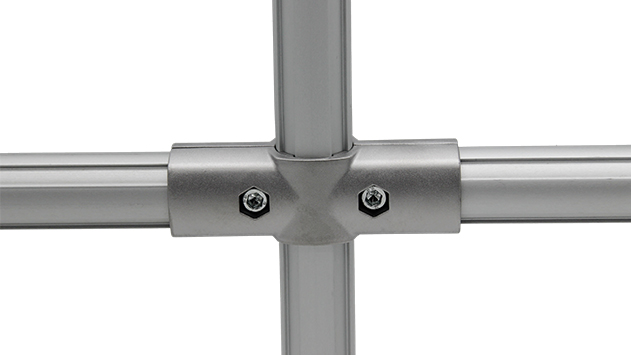
At first glance, a three way aluminum pipe joint might look like a simple piece of metal, but its design is engineered for precision and practicality. Made from lightweight, corrosion-resistant aluminum, these joints are shaped to connect three aluminum pipes at 90-degree angles, forming stable, rigid structures with minimal effort. Unlike welded steel joints, which are permanent and require heat, or plastic joints, which lack durability, three way aluminum pipe joints use a combination of friction, bolts, or snap-fit mechanisms to secure pipes in place—no specialized skills required.
Think of them as the "Swiss Army knife" of industrial assembly. A single joint can connect a vertical support, a horizontal shelf, and a diagonal brace, all in one go. They're compatible with standard aluminum profiles—hollow tubes or T-slot aluminum extrusion profiles—that are lightweight yet strong enough to support heavy loads, from toolboxes on a workbench to stacks of raw materials on a material rack. And because aluminum is naturally resistant to rust and dents, these joints hold up in harsh factory environments, from dusty warehouses to humidity-controlled electronics plants.
But what truly sets them apart is their modularity. Unlike fixed welded structures, three way aluminum pipe joints let workers build, disassemble, and rebuild structures in minutes. Need to adjust a workbench height to fit a taller operator? Simply loosen the joint, reposition the pipe, and tighten. Want to add a second shelf to a material rack? Grab another joint and pipe—no need to cut or weld. This flexibility is a game-changer for factories that need to adapt to changing production needs, seasonal demand, or new product lines.
The Magic of Modularity: How These Joints Cut Assembly Time in Half
To understand how three way aluminum pipe joints save time, let's break down the assembly process step by step—using a common scenario: building a basic workbench. With traditional welded steel, the steps might look like this:
- Measure and mark steel pipes for legs, rails, and shelves (15 minutes).
- Cut pipes to length using a hacksaw or angle grinder (20 minutes, plus cleanup).
- Transport heavy steel pipes to the welding area (5 minutes, with help from a coworker).
- Weld joints at 90-degree angles (30 minutes, requiring a certified welder).
- Allow welds to cool (15 minutes).
- Sand rough edges to prevent splinters (10 minutes).
- Prime and paint the frame to prevent rust (60 minutes, plus drying time).
- Attach a wooden or metal top (15 minutes).
Total time: ~3 hours (not including drying time for paint). And that's for a single, simple workbench. Now, let's redo that with three way aluminum pipe joints and aluminum profiles:
- Measure aluminum pipes (5 minutes—no need for precise cutting; most suppliers sell pre-cut lengths).
- Slide three way aluminum pipe joints onto the pipes (2 minutes per joint; a basic workbench needs ~8 joints).
- Tighten joint bolts with a standard hex key (10 minutes total—no power tools).
- Attach an aluminum or plywood top using pre-drilled holes in the profiles (5 minutes).
Total time: ~22 minutes. That's a 90% reduction in assembly time—and that's for one workbench. Multiply that by 10 workbenches, and you're saving over 40 hours of labor. For a plant building dozens of structures monthly, the savings are staggering.
The secret? Three way aluminum pipe joints eliminate the most time-consuming steps: cutting, welding, painting, and cleanup. They turn assembly from a specialized, multi-step process into a task any worker can master in minutes. As Maria, a production line lead at a automotive parts plant, put it: "Before, building a material rack felt like a weekend project. Now, I can have a team build three racks in the time it used to take to build one. And if we need to rearrange next month? We just take them apart and start over—no waste, no hassle."

Beyond Speed: The Ripple Effects of Faster Assembly
Saving time is the headline benefit, but three way aluminum pipe joints deliver value in other ways that strengthen lean systems and boost overall productivity.
1. Reduced Labor Costs and Worker Fatigue
Faster assembly means fewer hours spent on non-value-added tasks. A team that once spent 8 hours building workbenches can now spend that time assembling products or maintaining machinery. And because aluminum is lighter than steel—typically 1/3 the weight—workers strain less, reducing injuries and fatigue. "Lifting steel pipes all day used to leave my back sore," says Raj, a warehouse associate. "Aluminum pipes and these joints? I can carry three at a time without breaking a sweat."
2. Flexibility to Adapt to Change
In today's manufacturing landscape, change is constant. A sudden order surge might require adding more workstations; a new product design might demand taller material racks. With three way aluminum pipe joints, adapting is easy. Disassemble a unused rack, reconfigure the joints, and build what you need—no need to buy new equipment. This agility is a cornerstone of lean systems, which prioritize "just-in-time" resource use and avoiding waste from overbuilding.
3. Durability That Lowers Long-Term Costs
Aluminum's resistance to corrosion and dents means structures built with three way aluminum pipe joints last longer than those made with plastic or painted steel. A workbench assembled with these joints might last 10+ years, even with daily use, whereas a welded steel bench might rust out in 5 years or a plastic one might crack under heavy loads. Over time, this durability reduces replacement costs and keeps production lines running smoothly.

Real-World Applications: Where These Joints Shine Brightest
Three way aluminum pipe joints aren't limited to workbenches. Their versatility makes them indispensable across factory floors. Here are a few common applications where they deliver the biggest time savings:
Workbenches: The Heart of the Production Line
Workbenches are where the magic happens—where workers assemble circuit boards, package products, or inspect goods. With three way aluminum pipe joints, building a custom workbench is a breeze. Add shelves for tools, attach a lamp arm for better lighting, or mount a bin rack for parts—all by connecting pipes to the joints. And if a workbench gets damaged? Swap out the broken pipe and joint instead of replacing the entire bench.
Material Racks: Organizing Chaos, One Joint at a Time
Material racks keep raw materials and finished goods organized, but traditional wooden or welded steel racks are fixed in size. With three way aluminum pipe joints, you can build racks with adjustable shelves to fit different box sizes, from small components to large assemblies. For example, a "material rack B (3 row and 3 floor)" (a common industrial design) can be built in under an hour with these joints, compared to half a day with welded steel.
Conveyor Systems: Smooth Flow, Minimal Effort
Conveyors move materials between workstations, but their frames often require precise alignment. Three way aluminum pipe joints simplify this by letting workers build sturdy, straight conveyor frames that attach easily to roller tracks. Need to adjust the conveyor height to match a workbench? Loosen the joints, raise the frame, and tighten—no welding or cutting required.
A Side-by-Side Comparison: Traditional Joints vs. Three Way Aluminum Pipe Joints
| Feature | Welded Steel Joints | Plastic Snap-Fit Joints | Three Way Aluminum Pipe Joints |
|---|---|---|---|
| Assembly Time (per structure) | 4–8 hours | 1–2 hours | 20–30 minutes |
| Tools Required | Welder, angle grinder, measuring tape, level | None (snap-fit) | Hex key (included with joints) |
| Skill Level Needed | Certified welder | Basic (no training) | Basic (5-minute training) |
| Reconfigurability | Impossible (permanent welds) | Possible but weakens joints over time | Easy (reusable, no damage to joints) |
| Durability (in factory conditions) | Good (but rusts without paint) | Poor (cracks under heavy loads) | Excellent (rust-resistant, dent-resistant) |
| Long-Term Cost (10-year lifespan) | High (replacement every 5–7 years) | Very High (replacement every 2–3 years) | Low (one-time purchase, minimal maintenance) |
Case Study: XYZ Electronics Cuts Assembly Time by 75%
XYZ Electronics, a mid-sized manufacturer of smartphone components, was struggling with slow assembly of workbenches and material racks. Their old process involved welding steel frames, which took 6 hours per workbench and required a dedicated welder. With a backlog of 20 workbenches needed for a new production line, they were facing a 120-hour delay.
In 2023, they switched to three way aluminum pipe joints and aluminum profiles. The results were immediate: a team of two workers with no welding experience built 20 workbenches in just 10 hours—an average of 30 minutes per bench. "We couldn't believe how fast it was," says Sarah, XYZ's plant manager. "The workers loved that they could adjust the height themselves, and when we needed to add shelves later, it took 10 minutes per bench instead of hours. We've since replaced all our old steel racks with aluminum ones—our warehouse looks cleaner, and our assembly line hasn't had a bottleneck since."
Choosing the Right Joints: What to Look for in a Supplier
Not all three way aluminum pipe joints are created equal. To maximize time savings and durability, look for suppliers that offer:
- Precision Machining: Joints should fit snugly with aluminum pipes, with no wobble. Loose joints lead to unstable structures.
- High-Quality Aluminum: Look for 6061-T6 aluminum, which is strong, lightweight, and corrosion-resistant.
- Compatibility: Ensure joints work with your existing aluminum profiles or pipes—most suppliers offer standard sizes (e.g., 28mm, 30mm, 40mm diameters).
- Accessories: A good supplier will also offer aluminum pipe accessories like end caps, caster wheels for mobile structures, and shelf brackets to simplify builds.
Don't forget to ask about sample kits. Many suppliers offer small sets of joints and pipes so you can test assembly speed and durability before placing a large order.
Conclusion: Building the Future of Production, One Joint at a Time
In the race to stay competitive, manufacturing plants can't afford to waste time on outdated assembly processes. Three way aluminum pipe joints are more than just a tool—they're a catalyst for change, turning slow, frustrating work into fast, empowering tasks. By reducing assembly time, cutting labor costs, and enabling flexibility, these joints help factories embrace lean systems, boost worker morale, and stay agile in a changing market.
So the next time you walk through a factory, take a closer look at the workbenches, racks, and conveyors. Chances are, if they're built with aluminum pipes and three way joints, the workers nearby are smiling—not because the job is easy, but because they're spending their time creating value, not fighting with tools. And in manufacturing, that's the ultimate measure of success.