- Company Articles
- Products and Technology
- Solution
- How to select 1.0mm Stainless Steel Pipe for Custom Lean Solutions

How to select 1.0mm Stainless Steel Pipe for Custom Lean Solutions
Related Product
1.0mm Stainless Steel Pipe
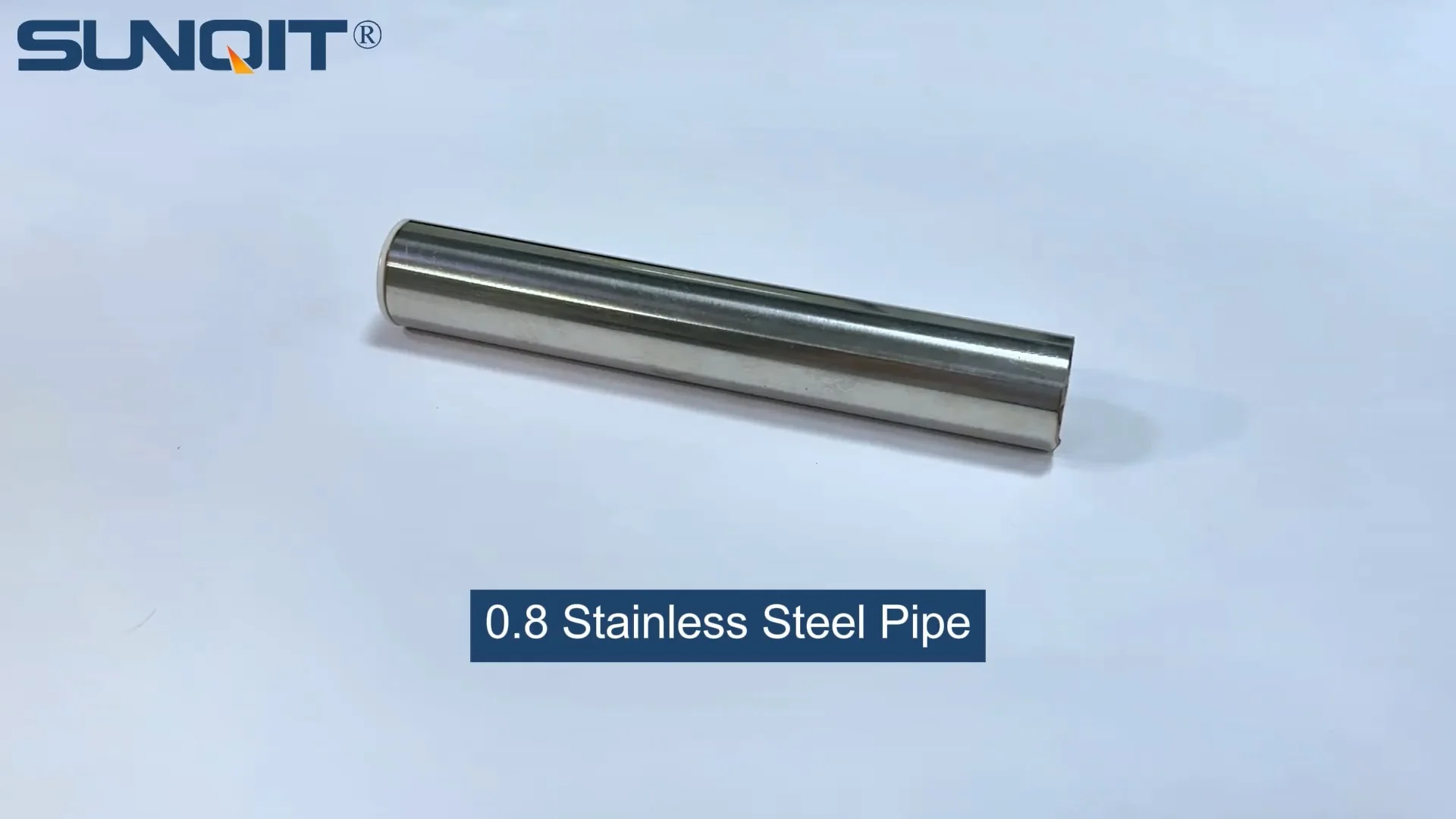
Stainless steel pipe, lean pipe, diameter is 28mm, material is SS201 or SS304, SS201 is normally used in the market. It knows a KARAKURI, KAIZEN material for industrial plant to improve efficiency, save labor cost, standard management.
In the world of manufacturing and warehouse management, the term "lean" gets thrown around a lot—but what does it really mean for your day-to-day operations? At its core, a lean system is about creating workflows that feel seamless, efficient, and adaptable. It's about reducing waste, yes, but more importantly, it's about building spaces where your team can work smarter, not harder. And if there's one component that quietly holds these systems together, it's the humble stainless steel pipe. Specifically, the 1.0mm stainless steel pipe. Not too thick, not too thin, it's the Goldilocks of lean components—strong enough to support heavy tools, light enough to keep setups mobile, and durable enough to withstand the chaos of a busy facility. But with so many options out there, how do you know if 1.0mm is right for your custom lean solution? Let's dive in.
Why 1.0mm? The Sweet Spot in Stainless Steel Pipe Thickness
Before we get into the nitty-gritty of selection, let's talk about why thickness matters. Stainless steel pipes come in various gauges—0.8mm, 1.0mm, 1.2mm, and beyond. Each has its place, but 1.0mm has emerged as a favorite for custom lean systems, and for good reason. Let's break it down with a quick comparison:
| Pipe Thickness | Key Advantage | Ideal For | Limitations |
|---|---|---|---|
| 0.8mm | Ultra-lightweight, easy to maneuver | Temporary setups, light-duty shelving | Prone to bending under heavy loads; not ideal for long-term use |
| 1.0mm | Balanced strength and weight; corrosion-resistant | Workbenches, roller tracks, mobile trolleys, material racks | Slightly heavier than 0.8mm (but negligible for most setups) |
| 1.2mm+ | Maximum durability for industrial-grade loads | Heavy machinery supports, fixed structural frames | Harder to cut/assemble; limits mobility of carts/workbenches |
As you can see, 1.0mm hits that sweet spot. It's not so thin that it wobbles when you place a toolbox on a workbench, and not so thick that you need a team of people to move a trolley. For custom lean solutions—where every setup is tailored to your unique workflow—this balance is everything. But selecting the right 1.0mm stainless steel pipe isn't just about picking a thickness. Let's unpack the key factors that will make or break your lean system.
Step 1: Know Your Material—Stainless Steel Grades Matter
Not all stainless steel is created equal. The grade of your pipe will determine how it holds up to moisture, chemicals, and daily wear and tear—three things that are never in short supply in a manufacturing environment. For most lean systems, you'll encounter two common grades: 304 and 316.
304 Stainless Steel: The Workhorse
304 is the most widely used stainless steel grade, and for good reason. It contains 18% chromium and 8% nickel, which gives it excellent corrosion resistance against water, mild acids, and everyday spills. If your facility deals with dry or moderately humid conditions—think assembly lines, packaging stations, or general warehouses—304 is your best bet. It's affordable, easy to source, and works seamlessly with standard lean pipe joints, making it a go-to for custom workbenches and roller tracks.
316 Stainless Steel: The Specialist
316 takes things up a notch with the addition of molybdenum, a metal that boosts its resistance to saltwater, harsh chemicals, and high humidity. If your lean system is near washdown areas (like food processing plants), marine environments, or facilities using solvents, 316 is worth the extra cost. It's more durable in extreme conditions, but keep in mind: it's slightly harder to cut and may require specialized lean pipe joints for a snug fit. For most custom lean solutions, though, 304 will cover your bases—save 316 for the tough spots.
Pro tip: Always ask your supplier for a material certificate (mill test report) to confirm the grade. A cheap pipe might claim to be 304 but skimp on nickel or chromium, leaving you with rust-prone parts six months down the line. Your lean system deserves better than that.

Step 2: Match the Pipe to Your Lean System's Needs
Your lean system isn't just a collection of pipes and joints—it's a tool designed to solve specific problems. Are you building a workbench for electronics assembly? A roller track for moving heavy components? A mobile trolley for picking orders? Each of these uses will demand different things from your 1.0mm stainless steel pipe.
Load Capacity: Static vs. Dynamic
First, consider the load. Will your pipe be supporting static weight (like tools on a workbench) or dynamic weight (like boxes sliding down a roller track)? 1.0mm stainless steel pipe can handle up to 50-70kg per linear meter under static loads, which is more than enough for most workbenches. But if you're designing a roller track where materials are constantly moving—especially heavy ones like metal parts—you'll need to account for impact. In these cases, pair the pipe with reinforced lean pipe joints and add cross-braces for stability. A wobbly roller track isn't just inefficient; it's a safety hazard.
Mobility: Casters and Trolleys
One of the beauties of lean systems is their mobility. A workbench on casters can be repositioned in minutes to adapt to a new workflow, and a mobile trolley cuts down on time wasted walking back and forth. But mobility adds stress to your pipes. When building mobile setups, opt for 1.0mm pipe with a smooth, consistent wall thickness—thin spots can weaken the structure, leading to bent pipes when the trolley hits a bump. Pair it with high-quality casters (look for ones with ball bearings and locking brakes) and ensure the lean pipe joints are tightened to the manufacturer's specs. Loose joints + moving parts = a recipe for disaster.
ESD Sensitivity: When Static Is the Enemy
If your lean system is used in electronics manufacturing, you'll need to consider electrostatic discharge (ESD). Stainless steel is naturally conductive, which can help dissipate static—but only if the entire system is grounded. If you're pairing your 1.0mm pipe with ESD workbench accessories (like anti-static mats or grounding wires), make sure the pipe is clean and free of paint or coatings that could block conductivity. Some suppliers offer "ESD-safe" stainless steel pipes, but in most cases, a standard 304 pipe will work as long as your grounding setup is solid.

Step 3: Compatibility with Lean Pipe Joints and Accessories
A pipe is only as good as the joints that hold it together. Lean pipe joints are the unsung heroes of custom setups—they let you build angles, connect cross-braces, and adjust heights without welding. But not all joints play nice with 1.0mm stainless steel pipe. Here's what to look for:
Joint Material: Plastic vs. Metal
Plastic joints are lightweight and affordable, making them great for temporary or low-load setups (like small shelving units). But for heavy-duty workbenches or roller tracks, metal joints are a must. Look for zinc-plated or stainless steel joints—they won't crack under pressure and will last as long as your pipe. When testing a joint, give it a gentle twist after assembly. It should feel tight, with no play. If it wobbles, it's either the wrong size or poor quality.
Joint Design: Fixed vs. Swivel
Fixed joints lock the pipe at a specific angle (90°, 45°, etc.), which is ideal for rigid structures like workbench frames. Swivel joints, on the other hand, let you rotate the pipe, making them perfect for adjustable components (like a tilting roller track or a workbench shelf that can be repositioned). For custom lean solutions, having a mix of both gives you flexibility. Just make sure the swivel joints have a locking mechanism—you don't want your carefully positioned shelf swinging mid-operation.
Pro tip: Test a small assembly before committing to a large order. Buy a few pipes and joints, build a mini workbench or section of roller track, and put it through its paces. Stack tools on it, slide a box down the track, and see how it holds up. It's better to catch compatibility issues with a $50 test than a $5,000 setup.
Step 4: Avoid Common Mistakes That Sabotage Lean Systems
Even with the best intentions, it's easy to make missteps when selecting 1.0mm stainless steel pipe. Let's talk about the pitfalls to watch out for:
Mistake #1: Choosing Based on Price Alone
It's tempting to go for the cheapest pipe you can find, but "budget-friendly" often translates to thin walls, inconsistent thickness, or low-grade steel. A $10 pipe might save you money today, but if it bends under load or rusts in a year, you'll end up spending more on replacements. Invest in mid-range to high-quality 1.0mm pipe—your lean system's longevity depends on it.
Mistake #2: Ignoring Wall Thickness Consistency
Even if a pipe is labeled "1.0mm," the wall thickness can vary along its length. This is especially common with low-quality manufacturers. A pipe that's 0.8mm in one spot and 1.2mm in another will weaken your structure—thin spots bend, thick spots make joints hard to fit. Ask your supplier about tolerance (the acceptable range of thickness variation). For lean systems, aim for a tolerance of ±0.05mm—consistency is key.
Mistake #3: Overlooking Surface Finish
Stainless steel pipes come with different finishes: polished, brushed, or mill (unfinished). Polished finishes look sleek but can be slippery—great for roller tracks where materials need to glide, but not ideal for workbench surfaces where tools might slide. Brushed finishes offer better grip and hide scratches, making them perfect for workbenches. Mill finishes are the most affordable but can have rough edges that snag gloves or materials. Match the finish to the function of your setup.
Case Study: Building a Custom Lean Workbench with 1.0mm Stainless Steel Pipe
Let's put this all into practice with a real-world example. Imagine a small electronics manufacturer that needed a workbench for assembling circuit boards. Their requirements: ESD-safe, mobile (to move between production lines), and sturdy enough to hold a soldering iron, multimeter, and parts bins. Here's how they selected their 1.0mm stainless steel pipe:
- Grade: 304 stainless steel (dry environment, no harsh chemicals).
- Finish: Brushed (to prevent tools from sliding and hide scratches).
- Joints: Metal lean pipe joints with ESD grounding tabs (to dissipate static).
- Accessories: Casters with locking brakes (for mobility and stability), ESD mat, and a small roller track along the back edge (to slide PCBs between stations).
The result? A workbench that weighed ~45kg (light enough for two people to move), supported up to 60kg of tools, and lasted over three years with minimal maintenance. By focusing on material grade, finish, and joint compatibility, they turned a simple set of pipes into a lean solution that adapted to their workflow.
Conclusion: Your Lean System Deserves the Right Pipe
Selecting 1.0mm stainless steel pipe for custom lean solutions isn't rocket science, but it does require attention to detail. Start by understanding your environment (moisture, chemicals), load requirements (static vs. dynamic), and compatibility with lean pipe joints and accessories. Choose the right grade (304 for most, 316 for tough conditions), prioritize consistency in thickness, and avoid cutting corners on price. Remember: your lean system is an investment in efficiency, and the pipe is its backbone. With the right selection, you'll build a setup that doesn't just reduce waste—it elevates how your team works.
So, the next time you're planning a custom lean solution, take a moment to think about the pipe. It might not be the flashiest component, but it's the one that will keep your system running smoothly for years to come. And isn't that what lean is all about?