- Company Articles
- Products and Technology
- Procurement Guidelines
- How to select 1.2mm Stainless Steel Pipe: Key Factors for Lean Systems

How to select 1.2mm Stainless Steel Pipe: Key Factors for Lean Systems
Related Product
1.2mm Stainless Steel Pipe
Stainless steel pipe, lean pipe, diameter is 28mm, material is SS201 or SS304, SS201 is normally used in the market. It knows a KARAKURI, KAIZEN material for industrial plant to improve efficiency, save labor cost, standard management.
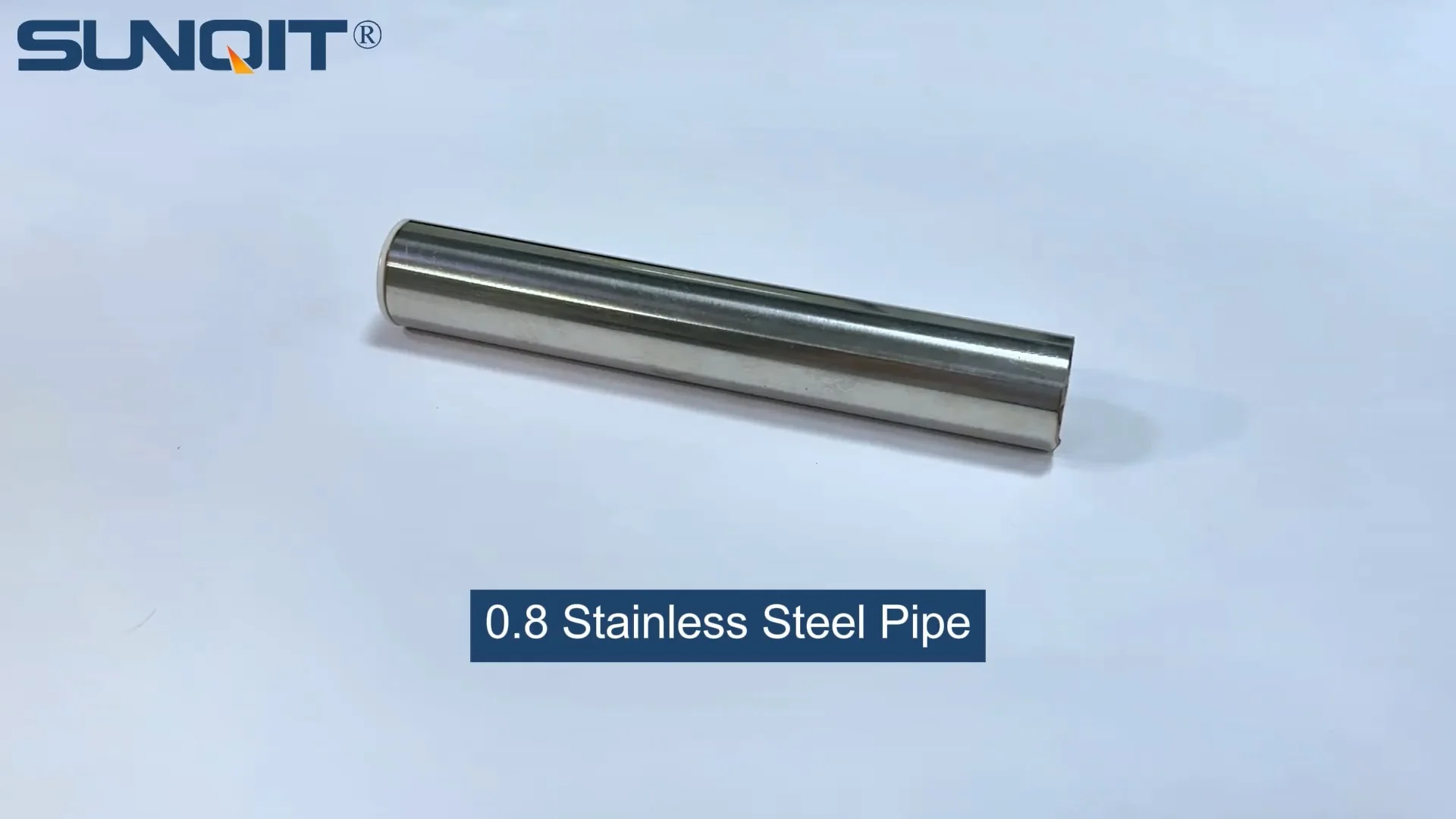
In the world of manufacturing, where efficiency and precision are the cornerstones of success, lean systems have become more than just a buzzword—they're a way of life. These systems thrive on minimizing waste, streamlining workflows, and ensuring every component serves a purpose. But here's the thing: even the most well-designed lean system can falter if its building blocks are subpar. That's where 1.2mm stainless steel pipe comes in. A staple in lean system construction, this unassuming component forms the backbone of workbenches, material racks, and assembly lines. Choosing the right 1.2mm stainless steel pipe isn't just about picking a tube off a shelf; it's about aligning material quality, mechanical strength, and compatibility with your unique lean system needs. Let's dive into the key factors that will help you make an informed decision.
Understanding 1.2mm Stainless Steel Pipe: The Unsung Hero of Lean Systems
Before we jump into selection criteria, let's take a moment to appreciate why 1.2mm stainless steel pipe is such a mainstay in lean systems. At first glance, 1.2mm might seem arbitrary—why not 1mm or 1.5mm? The answer lies in balance. This thickness hits the sweet spot between flexibility and strength: thick enough to support the weight of tools, parts, and even heavy machinery on a workbench, yet thin enough to keep the overall system lightweight and easy to reconfigure. It's also cost-effective, making it ideal for businesses looking to scale their lean systems without breaking the bank. But not all 1.2mm stainless steel pipes are created equal. To ensure your lean system runs like a well-oiled machine, you need to dig deeper into what makes a quality pipe.
Key Factor 1: Material Purity and Stainless Steel Grade
Stainless steel is celebrated for its resistance to rust and corrosion, but that resistance hinges entirely on its composition. The first question to ask when evaluating a 1.2mm stainless steel pipe is: What grade is it? Common grades include 304, 316, and 430, each with distinct properties. For most lean system applications—like material racks or workbenches—304 stainless steel is the gold standard. It contains 18% chromium and 8% nickel, forming a protective oxide layer that fights off rust in dry to moderately humid environments. If your facility deals with chemicals, salt, or high moisture (think food processing or coastal manufacturing), 316 grade might be worth the investment; its added molybdenum boosts corrosion resistance significantly.
But grade alone isn't enough. Impurities in the steel—like sulfur, phosphorus, or carbon—can weaken the pipe, making it prone to cracking under stress. A reputable supplier should provide a material certificate (mill test report) that verifies the pipe's chemical composition. Don't skip this step! A pipe with subpar purity might save you money upfront, but it will fail prematurely, leading to costly replacements and downtime in your lean system.
| Stainless Steel Grade | Key Alloying Elements | Corrosion Resistance | Best For |
|---|---|---|---|
| 304 | 18% Cr, 8% Ni | High (dry/moderate humidity) | Workbenches, material racks (standard environments) |
| 316 | 16% Cr, 10% Ni, 2-3% Mo | Very High (chemicals, saltwater) | Food processing, coastal facilities |
| 430 | 17% Cr, no Ni | Moderate (dry, indoor use only) | Low-cost, temporary structures |

Key Factor 2: Mechanical Strength and Thickness Consistency
A 1.2mm pipe is only as strong as its thickness—literally. Even a slight deviation from 1.2mm can compromise its load-bearing capacity. Imagine building a material rack b (3 row and 3 floor) with pipes that are 1.1mm thick in some sections and 1.3mm in others. The thinner parts will bend under the weight of components, throwing off the rack's alignment and risking product damage. To avoid this, ask suppliers about their tolerance range. Reputable manufacturers maintain a tolerance of ±0.05mm, ensuring uniform thickness across the entire pipe length.
Tensile strength is another critical metric. Measured in megapascals (MPa), it tells you how much force the pipe can withstand before breaking. For 304 stainless steel, aim for a tensile strength of 515-720 MPa. This ensures the pipe can handle the daily wear and tear of a busy lean system, whether it's supporting a workbench loaded with tools or a conveyor feeding parts to an assembly line. Don't just take the supplier's word for it—request a tensile test report. A quick check here can save you from catastrophic failures later.

Key Factor 3: Compatibility with Lean System Components
A 1.2mm stainless steel pipe doesn't work in isolation—it's part of a larger ecosystem of lean system components, and none is more important than the lean pipe joint. These small but mighty connectors hold the entire system together, from workbenches to material racks. If the pipe's outer diameter (OD) doesn't match the joint's specifications, you'll end up with loose connections that wobble or fail under stress.
Most lean pipe joints are designed for pipes with an OD of 28mm (common for 1.2mm wall thickness), but double-check! Some suppliers offer metric vs. imperial sizes, and a mismatch here is a recipe for disaster. For example, a material rack b with 3 rows and 3 floors relies on stable, secure joints to keep each shelf level. If the pipes are too loose in the joints, the rack might tilt, causing parts to slide off. Ask your supplier for sample joints to test with the pipe—better to spend a few minutes testing than to rework an entire system later.
Key Factor 4: Corrosion Resistance in Real-World Environments
Stainless steel's "stainless" reputation is not a guarantee—it's a promise that depends on the environment. In manufacturing settings, pipes face threats like oil, coolant, fingerprints (yes, the salts in skin oil can corrode stainless steel!), and even airborne particles. To ensure your 1.2mm pipe holds up, look for a surface finish that enhances corrosion resistance. A 2B finish (cold-rolled, bright annealed) is standard for most applications, offering a smooth surface that's easy to clean. For high-contamination areas, a polished finish (like #4 or mirror) creates a barrier that repels grime and makes wipe-downs faster.
Don't forget to test for pitting corrosion, especially if your facility uses acidic or chloride-based cleaners. A simple salt spray test (per ASTM B117) can reveal weaknesses: a quality pipe should withstand 500+ hours without red rust. If your supplier can't provide test results, it's a red flag—move on to one who can.
Key Factor 5: Application-Specific Design Needs
Not all lean system applications are the same, and your pipe selection should reflect that. Let's compare two common uses: a workbench and a material rack b (3 row and 3 floor). A workbench typically supports dynamic loads—tools being set down, parts being assembled—so the pipe needs high impact resistance. A material rack, on the other hand, holds static loads for longer periods, so creep resistance (resistance to deformation under constant stress) is key. For workbenches, consider adding a reinforcing sleeve or choosing a pipe with a slightly higher tensile strength. For material racks, prioritize thickness consistency to ensure even weight distribution across all three floors.
Environmental factors also play a role. If your pipe will be used in a cleanroom or ESD-sensitive area (like electronics manufacturing), look for ESD-safe options. These pipes are treated with a conductive coating that dissipates static electricity, protecting sensitive components from damage. While not all 1.2mm stainless steel pipes are ESD-rated, many suppliers offer this as an add-on—just ask!
Key Factor 6: Cost vs. Longevity—Investing in Quality
It's tempting to opt for the cheapest 1.2mm stainless steel pipe you can find, but this is a classic false economy. A low-cost pipe might save you 10-15% upfront, but if it corrodes in a year or bends under load, you'll spend far more on replacements and downtime. Instead, calculate the total cost of ownership (TCO): initial price + maintenance + replacement frequency. A high-quality pipe from a trusted lean pipe supplier might cost more initially, but with a 5-10 year lifespan (vs. 2-3 years for a budget pipe), the TCO is often lower.
When evaluating suppliers, look for those with a track record in lean systems. They'll understand your needs better than a general steel supplier and can offer technical support—like helping you design a material rack b that maximizes the pipe's strength. Ask for references from similar industries, and check online reviews for complaints about consistency or customer service. A supplier who stands behind their product with a warranty is worth the investment.
Common Pitfalls to Avoid When Selecting 1.2mm Stainless Steel Pipe
Even with the best intentions, it's easy to make mistakes. Here are three to watch for: Ignoring compatibility with existing components : If you're adding to an existing lean system, ensure the new pipe matches the OD and grade of your current setup. Mixing 304 and 430 pipes, for example, can lead to galvanic corrosion where they connect. Overlooking surface finish : A rough finish traps dirt and moisture, accelerating corrosion. Always specify the finish you need in writing. Skipping sample testing : Order a small batch of pipes first and test them in your environment. Build a mini workbench or section of material rack b and see how they hold up—better to catch issues early than after a full system installation.
Conclusion: The Right Pipe for a Stronger Lean System
Selecting 1.2mm stainless steel pipe for your lean system is about more than checking a box on a. It's about investing in the foundation of your efficiency—one that supports workbenches, material racks, and every component in between. By focusing on material grade, mechanical strength, compatibility with lean pipe joints, corrosion resistance, application-specific design, and supplier reliability, you'll ensure your system runs smoothly for years to come. Remember: a lean system is only as strong as its weakest link, and with the right pipe, that link will never be the one holding you back.