- Company Articles
- Products and Technology
- Procurement Guidelines
- How to select 60 Aluminum Roller Track Grey: A Buyer's Guide

How to select 60 Aluminum Roller Track Grey: A Buyer's Guide
Related Product
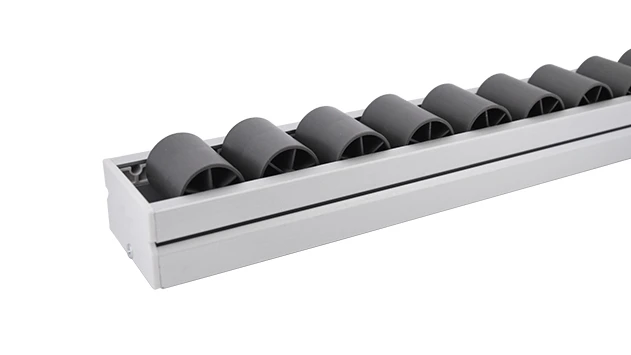
60 Aluminum Roller Track Grey
Modular system roller tracks aluminum gravity roller tracks are an excellent solution for transporting materials within industrial environments, warehouses and distribution centres.
How to select 60 Aluminum Roller Track Grey: A Buyer's Guide
Whether you're building a new flow rack for your 3C assembly line, upgrading a conveyor system in your warehouse, or optimizing a lean workstation for medical device production, choosing the right roller track is non-negotiable for smooth, efficient operations. Among the myriad options, 60 aluminum roller track grey has emerged as a favorite for its unique blend of durability, versatility, and cost-effectiveness. But with so many variables—from load capacity to compatibility with roller track accessories—how do you make the best choice for your needs? This guide will walk you through every step of selecting 60 aluminum roller track grey, from understanding its core benefits to avoiding common pitfalls and aligning it with your lean system goals.
Understanding 60 Aluminum Roller Track Grey: Core Basics
Let's start with the fundamentals: the name itself tells you three key things. The "60" refers to the track's width (typically 60mm), "aluminum" denotes its base material, and "grey" is the anodized surface finish. This track is crafted from high-grade aluminum extrusion profile, a material prized for its strength-to-weight ratio and resistance to corrosion. The grey anodized finish isn't just aesthetic—it adds a protective layer that shields against scratches, wear, and rust, making it ideal for high-traffic industrial environments.
Key Features That Matter
Lightweight yet Robust:
Aluminum is 30% lighter than steel, so you can install, reconfigure, or move the track without heavy machinery. This flexibility aligns perfectly with lean system principles, where adaptability to changing production needs is critical.
Corrosion Resistance:
The anodized grey finish creates a barrier against moisture and oxidation. This makes it perfect for industries like medical equipment manufacturing, where hygiene and long-term durability are non-negotiable—even in damp or humid spaces.
Low Maintenance:
Unlike steel tracks that require regular painting or rust removal, the grey anodized surface is easy to clean. A quick wipe with a damp cloth removes dust or debris, cutting down on downtime and maintenance costs.
Universal Compatibility:
It works seamlessly with a wide range of roller track accessories (connectors, end supports, placon mounts) and aluminum profile accessories. Whether you're integrating it into a flow rack or a conveyor system, you can find the right parts to customize your setup.
Common Applications
60 aluminum roller track grey is versatile enough to serve across industries:
Flow Racks:
Used in lean storage systems to enable gravity-fed material movement, reducing picking time and improving workflow efficiency.
Conveyors:
Ideal for light-to-medium-duty conveyor systems, moving small parts (like 3C components) or packages without damage.
Lean Workstations:
Integrated into assembly lines for products like smartphones or tablets, where smooth part handling is essential for productivity.
Warehousing Logistics:
Used in picking stations or sorting areas to streamline material flow and reduce manual labor.
Why Grey Finish? The Practical Benefits
The grey color isn't just a style choice—it solves real-world problems:
Scratch Concealment:
Minor scratches are far less visible on grey than on lighter finishes like white or yellow, keeping your setup looking professional longer.
Stain Resistance:
Grey resists showing dirt or stains, which is critical in clean environments like medical device factories.
Neutral Aesthetic:
It blends seamlessly with most industrial setups, so it won't clash with existing equipment or lean system designs.
Key Factors to Consider When Buying
Selecting the right track requires careful consideration of your specific needs. Here are the critical factors to evaluate:
1. Load Capacity Requirements
First, calculate the maximum weight your track will need to support per meter. 60 aluminum roller track grey typically handles 50-200kg/m, but this varies based on roller spacing and aluminum thickness. For example:
If you're moving 10kg 3C components (like phone casings) and each meter holds 5 components, aim for a track that supports at least 50kg/m.
For heavier items like small medical devices (20kg each), choose a track with a 100-150kg/m capacity to avoid deformation or breakdowns.
Pro Tip: Always overspecify by 10-15%—this buffer prevents unexpected failures and extends the track's lifespan.
2. Compatibility With Existing Systems
One of the biggest mistakes buyers make is ignoring compatibility. Your track must work with the roller track accessories and aluminum profile accessories you already use. Here's what to check:
Connectors:
Ensure the track fits your existing roller track connectors (like 40 fluent flat joints or 90° crossing joints) to avoid extra costs for new parts.
Supports:
Verify that it works with your end supports (like end support for roller track placon mount with stop) to prevent items from sliding off.
Profiles:
If you're mounting the track to aluminum profiles (like 4040 or 3030), confirm compatibility with placon mounts or brackets.
3. Surface Finish Quality
Not all anodized finishes are equal. Ask your supplier these questions:
What's the thickness of the anodized layer? Thicker layers (≥10µm) offer better protection against wear.
Is the finish compliant with industry standards (like ISO 7599 for anodized aluminum)? This ensures it meets hygiene and durability requirements for your sector.
4. Application-Specific Needs
Different industries have unique demands:
3C Assembly:
Pair the track with ESD workbench accessories if you need electrostatic discharge protection for sensitive electronics.
Medical Equipment:
Choose a track with a food-grade or medical-grade anodized finish to comply with hygiene regulations.
Warehousing:
If the track is used outdoors or in damp areas, opt for an extra-thick anodized layer to boost corrosion resistance.
5. Cost-Effectiveness & Reusability
Lean system principles prioritize sustainability and reusability—and this track delivers on both:
It's easily disassembled and reconfigured, so you don't need to buy new tracks when your production line changes.
Aluminum is 100% recyclable, making it an eco-friendly choice.
While the initial cost is higher than steel, lower maintenance and longer lifespan make it more cost-effective over time.
Common Mistakes to Avoid
Even experienced buyers can make these errors—here's how to steer clear:
1. Ignoring Accessory Compatibility
Don't focus only on the track itself. Forgetting to check if it fits your existing roller track accessories (like connectors or supports) can lead to delays and extra expenses. Always list your current accessories and confirm compatibility with the supplier before purchasing.
2. Underestimating Load Capacity
Cutting corners on load capacity is a recipe for disaster. A track that's too weak will deform, causing jams or breakdowns that disrupt production. Take the time to calculate your exact needs and add a buffer.
3. Overlooking Finish Quality
A cheap, poorly anodized finish will scratch easily and corrode quickly. Ask for samples to test the finish—run a fingernail across it to check for scratches, and look for uniform color (no streaks or spots).
4. Forgetting Reconfiguration Needs
If you plan to adjust your production line in the future, choose a track that's easy to take apart and reuse. 60 aluminum roller track grey is perfect for this, but make sure your accessories are also reusable.
Step-by-Step Selection Process
Follow these steps to make the right choice:
1. Assess Your Application
Ask yourself: What industry are you in? What will the track be used for (flow rack, conveyor, workstation)? What items will you move? For example, a medical device manufacturer will prioritize corrosion resistance and hygiene, while a 3C assembly line will focus on flexibility and compatibility with ESD accessories.
2. Calculate Load & Size
Measure the length of the space where the track will be installed, and calculate the maximum weight per meter. Don't forget to add a 10-15% buffer for safety.
3. Verify Compatibility
List all your existing accessories (connectors, supports, profiles) and confirm they work with the track. If you're unsure, ask your supplier for a compatibility chart.
4. Evaluate Finish & Durability
Request samples to check the finish quality. Look for uniform color, smooth surface, and scratch resistance. If possible, test the sample in your environment to see how it holds up.
5. Choose a Reliable Supplier
Pick a supplier who specializes in lean system components (like flow racks, conveyors, and aluminum profile accessories). They should have experience in your industry and offer customization options (e.g., specific lengths or finishes). A good supplier will also provide after-sales support, so you can get help if you run into issues.
Installation Tips for Optimal Performance
Installing the track correctly is key to its performance. Here's a step-by-step guide:
Pre-Installation Prep
Double-check the length and width of your installation space.
Gather all necessary roller track accessories (connectors, supports, placon mounts) and tools (drill, screwdriver, level).
Clean the mounting surface to remove debris or dust.
Assembly Steps
Attach end supports to your aluminum profile using bolts or brackets. Ensure they're level with a spirit level.
Join track sections with roller track connectors. Make sure joints are smooth (no gaps) to prevent items from getting stuck.
Mount the track to the supports. For gravity flow (like in flow racks), slope the track slightly (1-2 degrees) to enable smooth movement.
Add side guides or stop blocks to keep items on the track.
Post-Installation Checks
Test the track with a load slightly heavier than your maximum expected weight to ensure it holds.
Slide items along the track to confirm they move smoothly.
Adjust the slope or supports if items get stuck or don't flow correctly.
Maintenance & Longevity Tips
To keep your track in top shape for years, follow these maintenance steps:
Regular Cleaning:
Wipe the track with a damp cloth every week. For stubborn stains, use a mild detergent (avoid harsh chemicals that damage the finish).
Lubrication:
Apply silicone spray to the rollers every month to keep them moving smoothly. Avoid oil-based lubricants—they attract dust.
Inspections:
Check the track every 3 months for wear (bent rollers, loose connectors, scratches). replace worn parts immediately to prevent breakdowns.
Reconfiguration:
Don't hesitate to adjust the track if your production needs change. The aluminum material and reusable accessories make reconfiguration easy.
Comparison of 60mm Roller Track Options
| Feature | 60 Aluminum Roller Track Grey | 60 Steel Roller Track Grey | 60 Aluminum Roller Track Yellow |
|---|---|---|---|
| Material | High-Grade Aluminum Extrusion | Carbon Steel | Aluminum Extrusion |
| Load Capacity | 50-200kg/m | 100-300kg/m | 50-200kg/m |
| Corrosion Resistance | High (Anodized) | Medium (Painted) | High (Anodized) |
| Weight | Lightweight (2.5kg/m) | Heavy (6kg/m) | Lightweight (2.5kg/m) |
| Maintenance | Low (Wipe Clean) | Medium (Rust Prevention) | Low (Wipe Clean) |
| Scratch Resistance | High (Grey Hides Scratches) | Medium | Low (Yellow Shows Scratches) |
| Ideal Industry | Medical, 3C, Warehousing | Heavy Manufacturing | Consumer Electronics |
| Cost-Effectiveness (Long-Term) | High | Medium | Medium |
Final Thoughts
Choosing 60 aluminum roller track grey isn't just about buying a product—it's about investing in a solution that aligns with your lean system goals of efficiency, flexibility, and sustainability. By considering load capacity, compatibility, finish quality, and application needs, you can select a track that improves your operations and lasts for years. Remember to work with a supplier who understands your industry and offers the right support. With the right track and proper installation, you'll create a smooth, efficient workflow that drives productivity and growth.