- Company Articles
- Products and Technology
- Procurement Guidelines
- How to Buy High-Quality 2040 Aluminum Profile End Caps

How to Buy High-Quality 2040 Aluminum Profile End Caps
Related Product
2040 Aluminum Profile End Cap
The aluminum profile end cap adds a finishing touch to your project and closes off profile ends to limit dust and debris buildup, also it can avaid some scratch for material and labor during the assemble work.
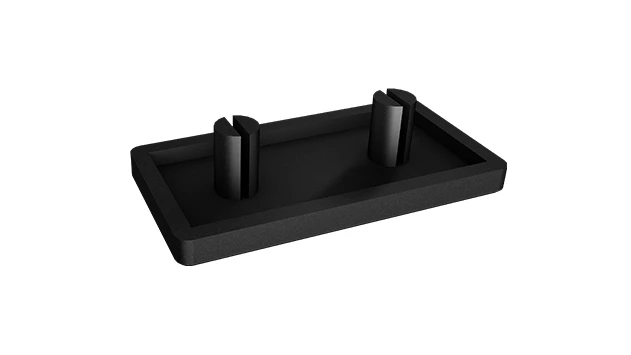
If you've ever worked with aluminum profiles—whether building a garage workbench, assembling a shelving unit for your small business, or designing an industrial frame—you know that the little details matter just as much as the big ones. The aluminum extrusion profile itself gets all the attention, with its sleek lines and structural strength, but it's the smaller components, the unsung heroes, that often make or break the functionality and longevity of your project. Today, we're diving deep into one of those unsung heroes: the 2040 aluminum profile end cap. These tiny caps might seem insignificant at first glance, but they play a critical role in protecting your profiles, enhancing safety, and even elevating the overall look of your finished product. In this guide, we'll walk you through everything you need to know to buy high-quality 2040 aluminum profile end caps—from understanding what they are and why they matter, to key features to look for, common pitfalls to avoid, and where to find reliable suppliers. Let's get started.
What Are 2040 Aluminum Profile End Caps, Anyway?
First things first: let's make sure we're all on the same page about what exactly a 2040 aluminum profile end cap is. To start, the "2040" refers to the dimensions of the aluminum profile it's designed for. A standard 2040 aluminum profile measures 20 millimeters in width and 40 millimeters in height—hence the name. These profiles are incredibly versatile; you'll find them in everything from DIY furniture and retail displays to manufacturing workstations and automated machinery frames. Their popularity stems from their balanced combination of strength, lightweight design, and ease of assembly, thanks to the T-slots that run along their length, allowing for quick attachment of accessories like brackets, shelves, and panels.
Now, the end cap? That's the small, often unassuming piece that fits snugly over the exposed ends of the aluminum profile. Think of it as the "cap" on a marker—simple, but essential. Without it, the open ends of the profile would be exposed to dust, dirt, and debris, which can accumulate inside the T-slots and hinder the functionality of your accessories over time. More importantly, those raw, cut ends can be sharp, posing a safety risk to anyone handling the profile (especially if you're building something like a workbench that gets daily use). And let's not forget aesthetics: a finished project with exposed aluminum ends looks unfinished, almost unprofessional. End caps give your work a polished, intentional look, turning a pile of parts into a cohesive, well-crafted structure.
But not all end caps are created equal. Just as there are different types of aluminum profiles (2020, 3030, 4040, etc.), there are specific end caps designed to fit each one. The 2040 aluminum profile end cap is engineered to match the exact dimensions of the 2040 profile, ensuring a tight, secure fit that won't slip off or rattle loose. This specificity is key—using the wrong size end cap (say, a 2020 cap on a 2040 profile) will leave gaps, defeat the purpose of protection, and look sloppy. So, the first rule of buying end caps? Always confirm that you're getting the right size for your profile.
Why Quality Matters: The Risks of Cutting Corners on End Caps
You might be thinking, "It's just a plastic (or rubber, or aluminum) cap—how much difference can quality really make?" Let me share a quick story to illustrate. A few years back, I helped a friend set up a small electronics assembly line in his garage. He was on a tight budget, so when it came to aluminum profile accessories, he opted for the cheapest 2040 aluminum profile end caps he could find online. They were flimsy, felt lightweight in the hand, and the color was slightly off from his silver profiles, but he figured, "Good enough." Fast forward three months: those end caps started cracking. The ones on the workbench, which got bumped and brushed against daily, split along the edges. The ones near the window, exposed to sunlight, turned brittle and started to crumble. Worse, dust and small screws had fallen into the open ends of the profiles, jamming the T-slots and making it impossible to adjust his tool holders. He ended up having to buy new end caps anyway—this time, quality ones—and spend hours cleaning out the debris from the profiles. The "savings" from the cheap caps cost him time, frustration, and ultimately more money. Moral of the story? Skimping on end caps is a false economy.
High-quality end caps, on the other hand, offer a host of benefits that go beyond just covering the ends of your profile. They're designed to withstand daily wear and tear, resist environmental factors like temperature changes and UV exposure, and maintain their fit over time. A well-made end cap will stay securely in place, even with regular handling, ensuring that dust and debris stay out and sharp edges stay covered. They also contribute to the overall durability of your project: by protecting the ends of the aluminum extrusion profile, they prevent minor dents or scratches that can weaken the profile over time, especially in high-traffic areas.
And let's not overlook the safety aspect. A cheap, ill-fitting end cap can pop off unexpectedly, leaving a sharp, raw edge exposed. If you're building something that people (especially kids or employees) will interact with regularly—a workbench, a display rack, a play structure—this is a serious hazard. High-quality end caps are designed with a snug, consistent fit, so you don't have to worry about them dislodging and causing injury. For businesses, this isn't just about peace of mind; it's about liability. Investing in quality end caps is a small step toward creating a safer workspace.

Key Features to Look for in High-Quality 2040 Aluminum Profile End Caps
Now that we've established why quality matters, let's break down the specific features you should prioritize when shopping for 2040 aluminum profile end caps. These are the markers of a well-made product, and paying attention to them will help you avoid the pitfalls of cheap, subpar options.
1. Precision Fit
The most important feature of any end cap is how well it fits your 2040 aluminum profile. A high-quality end cap should slide onto the end of the profile with a firm, even pressure—no gaps, no wobbling, and no need to force it on with a hammer (which can damage both the cap and the profile). When properly fitted, you should be able to shake the profile gently, and the end cap shouldn't budge. To test this, if you're buying in person, ask to try a sample on your profile before purchasing in bulk. If you're shopping online, read reviews from other customers specifically mentioning the fit—look for phrases like "snug fit," "no gaps," or "stays in place." Avoid end caps that are described as "loose" or "too tight to install."
The secret to a precision fit lies in the manufacturing process. Reputable manufacturers use molds that are calibrated to the exact dimensions of the 2040 aluminum profile, ensuring consistency across every cap. Cheap end caps, on the other hand, are often made with low-quality molds that wear out quickly, leading to variations in size from one cap to the next. You might get one that fits perfectly and the next that's either too loose or too tight—frustrating, to say the least.
2. Material Quality
2040 aluminum profile end caps are typically made from one of four materials: PVC plastic, nylon, rubber, or aluminum. Each has its own set of pros and cons, and the best choice depends on your project's needs. Let's break them down:
| Material | Pros | Cons | Best For |
|---|---|---|---|
| PVC Plastic | Affordable, lightweight, wide range of colors, easy to install | Less durable than other options; can become brittle in extreme cold or warp in high heat | Indoor projects with low exposure to temperature extremes (e.g., home shelving, office furniture) |
| Nylon | More durable than PVC, resistant to chemicals and abrasion, good temperature tolerance | Slightly more expensive than PVC; limited color options | Industrial workbenches, manufacturing equipment, projects with moderate wear and tear |
| Rubber | Excellent grip, shock-absorbent, soft (prevents scratches on surfaces), good for noise reduction | Heavier than plastic options; can attract dust and dirt over time | Mobile carts, equipment that's moved frequently, projects where noise or surface protection is key |
| Aluminum | Matches the look of the aluminum extrusion profile, extremely durable, resistant to corrosion | Most expensive option; can be sharp if not finished properly; heavier than plastic | High-end projects, outdoor use, applications where aesthetics and longevity are top priorities |
When evaluating material quality, look for signs of cheap construction. For plastic end caps, check for thin, flimsy walls or visible seams from poor molding—these are red flags for low durability. Rubber end caps should feel firm but flexible, not sticky or overly soft. Aluminum end caps should have a smooth, burr-free finish, with no sharp edges that could cut fingers during installation.
3. Durability and Longevity
A high-quality end cap should last as long as your aluminum profile project itself. That means it shouldn't crack, fade, or degrade after just a few months of use. Durability is closely tied to material choice (as we discussed above), but it's also about the manufacturing process. For example, nylon end caps that are injection-molded with high-quality resin will be more resistant to impact and wear than those made with recycled or low-grade materials. Similarly, aluminum end caps that are anodized (a process that adds a protective layer to the surface) will resist corrosion better than those that are simply painted.
To gauge durability, look for product descriptions that mention specific testing or certifications. For example, some manufacturers will note that their end caps are "UV-resistant" (important for outdoor use) or "impact-tested to withstand X pounds of force." Customer reviews can also be a goldmine here—look for comments like "still looks new after a year of use" or "held up great in our warehouse." Avoid end caps with reviews mentioning cracking, warping, or color fading, even if the price is tempting.
4. Aesthetics and Finish
While functionality is key, there's no denying that appearance matters, too. A well-chosen end cap should complement your aluminum profile, not detract from it. Most manufacturers offer end caps in colors that match common aluminum profile finishes, like silver, black, or white. If you're using a custom-colored profile, look for end caps that can be painted or dyed to match (though note that painting may affect the fit, so test on a sample first).
The finish of the end cap itself is also important. A smooth, consistent surface with no visible defects (like air bubbles, scratches, or discoloration) indicates careful manufacturing. Cheap end caps often have rough edges, uneven coloring, or visible mold lines, which can make your entire project look unprofessional. When comparing options, ask for high-resolution photos if shopping online, or inspect samples in person for these flaws.
5. Ease of Installation
Last but not least, a high-quality end cap should be easy to install—no special tools required. Most end caps are designed to be press-fit, meaning you simply align them with the end of the profile and push firmly until they seat into place. Some may have a slight taper on the inside to guide them onto the profile, which is a nice touch that makes installation smoother. Avoid end caps that require glue, screws, or other adhesives to stay in place; these are often a sign of a poor fit, and the extra steps add unnecessary complexity to your project.

How to Source High-Quality 2040 Aluminum Profile End Caps
Now that you know what to look for in a high-quality end cap, the next step is finding a reliable source to buy them from. With so many suppliers online and in local hardware stores, it can be overwhelming to choose—but focusing on a few key factors will help you narrow down your options.
1. Choose a Reputable Aluminum Profile Supplier
The best place to start is with the supplier you're already buying your aluminum profiles from. If you're purchasing 2040 aluminum profiles from a trusted aluminum profile supplier, chances are they also carry matching end caps and other aluminum profile accessories. This is ideal for a few reasons: first, you can be confident that the end caps are designed to fit their specific profiles (since they're made for each other), and second, buying everything from one supplier can save you time and money on shipping. Many suppliers offer discounts when you buy profiles and accessories together, so it's worth asking about bundle deals.
If your current supplier doesn't carry end caps, or if you're looking for more options, seek out suppliers that specialize in aluminum extrusion profiles and accessories. These companies have the expertise to answer your questions, provide detailed product specs, and offer samples if needed. Avoid general hardware stores or big-box retailers unless they have a dedicated industrial supply section—their selection is often limited to basic, low-quality options that may not meet your needs.
2. Check for Detailed Product Information
A reliable supplier will provide detailed information about their 2040 aluminum profile end caps, including material type, dimensions, color options, and compatibility. Look for product listings that include specs like: "Material: Nylon 66," "Dimensions: 20mm x 40mm (fits standard 2040 aluminum extrusion profiles)," or "Temperature resistance: -40°C to 80°C." The more specific the information, the more confident you can be that the product is well-engineered and not a generic, one-size-fits-none option.
If a supplier's product listing is vague—for example, "plastic end caps for aluminum profiles" with no size or material details—proceed with caution. This lack of transparency is often a red flag for low-quality, untested products. Don't hesitate to reach out to the supplier with questions; a reputable company will be happy to provide additional information or clarify specs.
3. Read Customer Reviews and Ask for References
In today's digital age, customer reviews are one of the best ways to gauge a product's quality and a supplier's reliability. Before making a purchase, spend some time reading reviews of the end caps you're considering. Look for patterns: Do multiple reviewers mention a snug fit and durability? Or are there consistent complaints about poor fit or cracking? Pay attention to reviews from customers with similar use cases—if you're buying end caps for an industrial workbench, a review from another small business owner will be more relevant than one from a hobbyist building a bookshelf.
If you're buying in bulk for a business project, don't be afraid to ask the supplier for references from other customers. A reputable aluminum profile supplier will have no problem connecting you with clients who can speak to the quality of their products and service. This is especially important if you're investing a significant amount of money—you want to ensure you're partnering with a company that stands behind their products.
4. Consider Minimum Order Quantities and Lead Times
Depending on your project size, you may need just a handful of end caps or hundreds. Check the supplier's minimum order quantity (MOQ) before placing an order. Some suppliers have low MOQs (10–20 pieces), which is great for small projects, while others require bulk orders (100+ pieces). If you only need a few end caps, look for suppliers that cater to both retail and wholesale customers. For larger orders, ask about bulk pricing—many suppliers offer discounts for orders over a certain quantity.
Lead times are another important factor, especially if you're on a tight deadline. Most in-stock end caps will ship within a day or two, but custom colors or materials may take longer. Be sure to confirm the estimated shipping time before placing your order to avoid delays in your project.
Common Mistakes to Avoid When Buying 2040 Aluminum Profile End Caps
Even with the best intentions, it's easy to make missteps when shopping for end caps. Here are some of the most common mistakes we've seen, and how to avoid them:
Mistake #1: Assuming All "2040" End Caps Are the Same
Not all 2040 aluminum profiles are identical—some have slightly different tolerances or slot designs, depending on the manufacturer. While most end caps are designed to fit standard 2040 profiles, there can be subtle variations. For example, a profile with thicker walls may require a slightly larger end cap, while a slimmer profile may need a smaller one. To avoid this, always check the supplier's compatibility notes, and if possible, test a sample end cap on your specific profile before buying in bulk.
Mistake #2: Prioritizing Price Over Quality
It's tempting to opt for the cheapest end caps available, especially if you're working with a tight budget. But as we discussed earlier, cheap end caps often cost more in the long run, whether due to premature failure, safety risks, or the need to replace them sooner. Instead of focusing solely on the upfront cost, calculate the total value: a high-quality end cap that costs $0.50 each and lasts for years is a better investment than a $0.20 cap that cracks after six months and requires replacement.
Mistake #3: Overlooking Environmental Factors
Where will your project be used? Indoors or outdoors? In a hot, humid environment or a cold, dry one? These factors should influence your material choice. For example, PVC end caps may warp in a hot garage, while rubber end caps may degrade in direct sunlight. Always consider the environment your end caps will be exposed to, and choose a material that can withstand those conditions. If you're unsure, ask the supplier for recommendations based on your specific use case.
Mistake #4: Buying Too Few (or Too Many) End Caps
It's easy to miscalculate how many end caps you need—after all, each profile has two ends, and most projects use multiple profiles. Take the time to count your profiles and multiply by two, then add a few extra for spares (you never know when one might get lost or damaged during installation). On the flip side, buying way more than you need ties up cash and takes up storage space. Find a balance by ordering a small surplus, but not an excessive amount.
Caring for Your 2040 Aluminum Profile End Caps: Maintenance Tips
Once you've invested in high-quality 2040 aluminum profile end caps, you'll want to keep them in good condition to maximize their lifespan. Here are some simple maintenance tips:
- Clean regularly: Dust and debris can accumulate on end caps, especially in industrial settings. Wipe them down with a damp cloth or mild soap and water to keep them looking new. Avoid abrasive cleaners, which can scratch the surface.
- Check for looseness: Over time, end caps can become loose due to vibration or frequent handling. Periodically inspect your project and press any loose end caps back into place. If an end cap won't stay tight, it may be worn and need replacement.
- replace when damaged: If an end cap cracks, chips, or becomes brittle, replace it immediately. A damaged end cap can't protect your profile or prevent sharp edges, so don't delay—keep a few spares on hand for quick replacements.
- Protect from extreme conditions: If your project is outdoors, consider applying a UV protectant spray to plastic or rubber end caps to prevent fading and brittleness. For aluminum end caps, a light coat of wax can help resist corrosion in humid environments.
Final Thoughts: Investing in Quality for Long-Term Success
At the end of the day, buying high-quality 2040 aluminum profile end caps is about more than just covering the ends of your profiles. It's about protecting your investment, ensuring safety, and creating a finished project that you can be proud of. By prioritizing features like precision fit, durable materials, and reputable suppliers, you'll avoid the frustration of dealing with cheap, poorly made end caps and instead enjoy a project that's functional, safe, and built to last.
Remember, the best end caps are the ones you barely notice—they do their job quietly, protecting your aluminum extrusion profile, enhancing safety, and blending seamlessly with your design. So take the time to research, ask questions, and invest in quality. Your future self (and your project) will thank you.