- Company Articles
- Products and Technology
- Product knowledge
- How to Choose 1.5mm Stainless Steel Pipe for Flexible Production Workstations

How to Choose 1.5mm Stainless Steel Pipe for Flexible Production Workstations
Related Product
1.5mm Stainless Steel Pipe
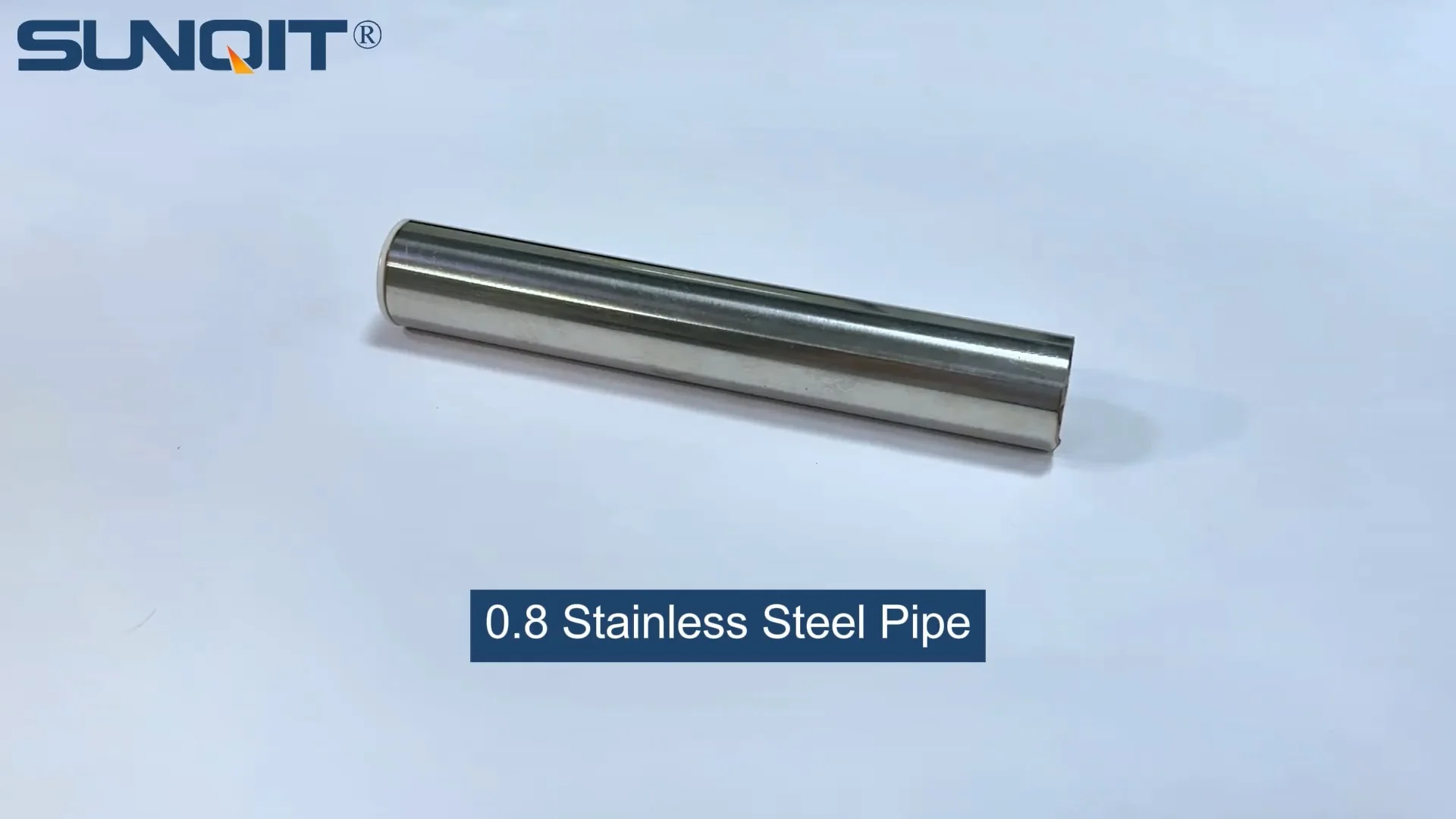
Stainless steel pipe, lean pipe, diameter is 28mm, material is SS201 or SS304, SS201 is normally used in the market. It knows a KARAKURI, KAIZEN material for industrial plant to improve efficiency, save labor cost, standard management.
A guide to selecting the backbone of adaptable, efficient manufacturing setups
Introduction: The Unsung Hero of Flexible Workstations
In the bustling world of modern manufacturing, where production lines shift overnight and customer demands evolve by the hour, flexibility isn't just a buzzword—it's the difference between thriving and falling behind. At the heart of this flexibility lies the humble production workstation: a dynamic hub where assembly, packaging, and quality checks come to life. But what makes a workstation "flexible"? It's not just about movable parts or modular designs; it starts with the materials that hold everything together.
Imagine walking into a small electronics factory. Rows of workstations hum with activity: technicians assembling circuit boards, parts gliding along roller tracks, and tools within arm's reach. What you might not notice is the skeleton beneath it all—pipes, joints, and frames that make it possible to reconfigure the entire line in hours, not days. Among these, the 1.5mm stainless steel pipe stands out as a quiet workhorse, balancing strength, durability, and adaptability. But how do you choose the right one? With so many options—aluminum pipes, plastic-coated lean tubes, thicker stainless steel variants—navigating the choices can feel overwhelming.
This article isn't just about pipes. It's about building workstations that grow with your business, reduce downtime, and keep your team efficient. Whether you're setting up a new facility or upgrading an existing line, understanding how to select 1.5mm stainless steel pipe will save you time, money, and headaches down the road. Let's dive in.
Why 1.5mm Stainless Steel Pipe? The Sweet Spot for Flexibility
Before we get into the "how," let's tackle the "why." Why choose 1.5mm stainless steel pipe over other materials or thicknesses? Let's start by breaking down the competition.
Aluminum pipes are lightweight and corrosion-resistant, but they often lack the rigidity needed for heavy-duty workstations. Plastic-coated lean tubes (like the 1.5mm PE coated lean pipe) are affordable and easy to handle, but their plastic layers can wear thin in high-traffic areas, exposing the metal core to rust. Thicker stainless steel pipes—say, 2.0mm—offer unmatched strength, but they're heavier, harder to cut, and overkill for most flexible setups where mobility (think caster wheels and quick reconfigurations) is key.
Enter the 1.5mm stainless steel pipe. At just 1.5 millimeters thick, it strikes a rare balance: strong enough to support tools, materials, and even workers, yet light enough to be moved and adjusted without specialized equipment. Its stainless steel composition resists rust and corrosion, making it ideal for both dry warehouses and humid assembly areas. And unlike aluminum, it doesn't require special coatings to stand up to daily wear. For flexible production workstations—where you might need to add a shelf one week, extend a roller track the next, or wheel the entire setup across the factory floor—this pipe is the Goldilocks solution: not too weak, not too heavy, just right.

Key Properties of 1.5mm Stainless Steel Pipe: What Makes It Tick?
Not all 1.5mm stainless steel pipes are created equal. To choose wisely, you need to understand the properties that define their performance. Let's break down the essentials:
Material Grade: 304 vs. 316—The Corrosion Showdown
Stainless steel isn't a single material; it's a family of alloys, each with unique traits. The two most common grades for workstations are 304 and 316.
304 Stainless Steel: The "general-purpose" workhorse. It contains 18% chromium and 8% nickel, offering excellent resistance to rust and mild chemicals. Perfect for dry environments, assembly lines, and areas with occasional moisture (like warehouses with humidity control). Most 1.5mm stainless steel pipes for workstations are 304-grade, and for good reason: it's affordable, widely available, and tough enough for daily use.
316 Stainless Steel: The "marine-grade" upgrade. With added molybdenum, it resists saltwater, acids, and harsh chemicals—ideal for food processing plants, pharmaceutical labs, or coastal factories. Unless your workstation deals with corrosive substances (think cleaning agents or salt spray), 304 is usually sufficient. Save the 316 for specialized environments where extra protection is non-negotiable.
Tensile Strength: How Much Weight Can It Handle?
Tensile strength measures how much force a material can withstand before breaking. For 1.5mm 304 stainless steel, this typically ranges from 515 to 690 MPa (megapascals). Translated into practical terms: a 1-meter length of 25mm outer diameter (OD) 1.5mm wall stainless steel pipe can support around 150-200 kg of static weight without bending—more than enough for a workstation loaded with tools, parts bins, and a technician's weight.
Why does this matter? If you skimp on tensile strength (e.g., buying a pipe with impurities that lower its strength), you risk sagging shelves, unstable frames, or even safety hazards. Always check the manufacturer's tensile strength specs—reputable suppliers will provide test reports.
Finish: Polished vs. Brushed—More Than Just Looks
The finish of the pipe affects both aesthetics and functionality.
Polished Finish: Shiny and smooth, with a mirror-like surface. Great for cleanrooms or customer-facing areas (like demo lines), but it shows fingerprints and scratches easily. The smooth surface also makes it harder for dirt to stick, which is a plus for hygiene-focused industries.
Brushed Finish: A matte, textured surface created by brushing the metal with abrasive pads. It hides scratches and fingerprints, making it ideal for high-traffic workstations where tools and parts frequently rub against the pipes. It's also less slippery when handled, which is a small but useful safety feature during assembly.
For most production environments, brushed finish is the practical choice. Save polished pipes for cases where appearance matters as much as durability.

5 Critical Factors to Choose the Right 1.5mm Stainless Steel Pipe
Now that you know what makes 1.5mm stainless steel pipe tick, let's dive into the selection process. Here are the five factors that will make or break your workstation's performance:
1. Material Quality: Avoiding the "Cheap Steel" Trap
It's tempting to opt for the lowest-priced pipe, but substandard stainless steel can cost you more in the long run. How do you spot quality?
- Certifications: Look for pipes certified to international standards like ASTM A249 (for welded stainless steel tubing) or ISO 9001 (quality management). These certifications ensure the pipe meets strict criteria for composition, strength, and consistency.
- Visual Inspection: Check for uneven walls, dents, or discoloration. A quality pipe will have consistent thickness (no "pinched" areas where the wall is thinner than 1.5mm) and a uniform finish.
- Magnet Test (for 304 vs. 304L): Pure 304 stainless steel is slightly magnetic, but if a pipe sticks strongly to a magnet, it may have low nickel content (a red flag for poor corrosion resistance). 304L (low-carbon) is less magnetic, but this test isn't foolproof—always ask for a material certificate.
Pro Tip:
Request a sample from your supplier before ordering in bulk. Bend a small section by hand (with gloves!)—a quality 1.5mm pipe will flex slightly but spring back without permanent deformation. If it cracks or bends easily, walk away.
2. Dimensions and Tolerances: Precision Matters for Lean Pipe Joints
A pipe's "1.5mm thickness" is just the start. You also need to check outer diameter (OD), inner diameter (ID), and straightness—all critical for fitting with lean pipe joints, roller tracks, and other accessories.
Outer Diameter (OD): The most common OD for workstation pipes is 28mm (about 1.1 inches), though 25mm and 32mm are also used. Why does this matter? Lean pipe joints are designed for specific ODs. A 28mm pipe won't fit a joint made for 25mm, no matter how hard you try. Always match the pipe OD to your existing or planned joints.
Wall Thickness Consistency: Even a 0.1mm deviation from 1.5mm can weaken the pipe or cause it to wobble in joints. Ask for the pipe's tolerance range—reputable manufacturers will keep it within ±0.05mm.
Straightness: A bent pipe is a headache during assembly. Check that the pipe rolls smoothly on a flat surface without "wobbling." Most suppliers guarantee straightness within 1mm per meter—anything more, and you'll struggle to build level workbenches.
3. Compatibility with Accessories: The "Team Player" Test
A pipe is only as good as the company it keeps. Your 1.5mm stainless steel pipe needs to work seamlessly with:
- Lean Pipe Joints: These are the "connectors" that let you build frames, shelves, and angles. They come in fixed (90°, 45°) or swivel designs, and most clamp onto the pipe's OD. A pipe with inconsistent OD will cause joints to loosen over time, leading to wobbly workstations.
- Caster Wheels: For mobile workstations, caster wheels attach to the pipe frame. The pipe must support the caster's load capacity (typically 50-200 kg per wheel) without bending. A 1.5mm pipe paired with heavy-duty casters (with metal brackets) works well for most mobile setups.
- Workbench Tops: Whether you're using aluminum honeycomb panels or wooden boards, the pipe frame must distribute weight evenly. Thinner pipes (like 1.2mm) might sag under a heavy workbench top, but 1.5mm stainless steel stays rigid.
To avoid compatibility issues, buy pipes and accessories from the same supplier when possible. If mixing brands, share the pipe's OD and thickness specs with the accessory manufacturer to confirm a fit.
4. Load Capacity: Calculating What Your Workstation Will Carry
"How much weight can it hold?" It's the first question most buyers ask—and for good reason. A pipe that bends under load isn't just useless; it's dangerous.
Load capacity depends on three factors: pipe thickness (1.5mm, in our case), OD, and support spacing. For example:
- A 28mm OD, 1.5mm wall 304 stainless steel pipe, supported every 1 meter, can hold ~150 kg static weight (e.g., a workbench top with tools).
- Same pipe, supported every 0.5 meters (e.g., with extra vertical supports), can handle ~300 kg.
- Dynamic loads (e.g., parts sliding down a roller track or a caster wheel rolling over a bump) add stress—factor in a 20-30% buffer to be safe.
If you're unsure, ask your supplier for a load capacity chart. Reputable lean pipe suppliers will provide engineering data to help you calculate based on your specific setup.
5. Environmental Fit: ESD, Moisture, and Beyond
Your workstation's environment dictates special needs. For example:
- ESD-Sensitive Areas: If you're assembling electronics (circuit boards, semiconductors), static electricity can fry components. Stainless steel is conductive, which is good—it dissipates static—but you'll need to pair it with ESD-safe casters and workbench mats to create a complete ESD system.
- Wet or Humid Environments: A 304-grade pipe works here, but consider a polished finish to prevent water spots. In coastal areas or factories with salt exposure, upgrade to 316-grade to avoid pitting corrosion.
- Cleanrooms: Smooth, polished 304 stainless steel is easy to sanitize, making it ideal for pharmaceutical or food processing workstations. Avoid brushed finishes here—they can trap bacteria in tiny grooves.
Comparing Pipe Options: 1.5mm Stainless Steel vs. Alternatives
Still on the fence about 1.5mm stainless steel? Let's compare it to other common workstation pipes in a side-by-side table:
| Feature | 1.5mm Stainless Steel (304) | 1.5mm PE Coated Lean Pipe | 2.0mm Aluminum Pipe |
|---|---|---|---|
| Corrosion Resistance | Excellent (resists rust, mild chemicals) | Good (plastic coating protects; risk if coating cracks) | Good (natural oxide layer; prone to galvanic corrosion with steel) |
| Weight (per meter, 28mm OD) | ~1.8 kg | ~1.6 kg (plastic adds minimal weight) | ~0.9 kg (much lighter) |
| Load Capacity (1m span) | ~150 kg static | ~120 kg static (lower due to plastic core) | ~100 kg static (weaker than stainless steel) |
| Cost (per meter) | Moderate-High ($8-$12) | Low-Moderate ($5-$8) | Moderate ($7-$10) |
| Best For | Heavy-duty, long-term workstations; wet/environmentally harsh areas | Light assembly, temporary setups; budget-focused projects | Lightweight, mobile workstations; dry, low-corrosion environments |
As the table shows, 1.5mm stainless steel pipe shines in durability and load capacity, making it ideal for workstations that need to last (and adapt) for years.
Choosing a Supplier: Beyond the Pipe—Support Matters
Even the best pipe is useless if your supplier drops the ball. When vetting a lean pipe supplier, look beyond the product to the service:
- Lead Times: Can they deliver in your timeline? A supplier with a 12-week lead time won't help if you need to reconfigure your line next month.
- Customization: Do they cut pipes to your desired length? Deburr edges? Add pre-drilled holes for accessories? These services save you time on the factory floor.
- After-Sales Support: What if a batch arrives with bent pipes? A good supplier will replace defective products quickly, no questions asked.
- Technical Expertise: Can they help you calculate load capacities or recommend joint types? Avoid suppliers who just "sell pipes"—look for partners who understand your workflow.
Check online reviews, ask for references, and don't be afraid to negotiate terms. A reliable supplier is an investment in your workstation's long-term success.
Installation and Maintenance: Making Your Pipe Last
You've chosen the perfect 1.5mm stainless steel pipe—now what? Proper installation and maintenance will maximize its lifespan.
Installation Tips: Avoiding Common Pitfalls
- Cutting and Deburring: Use a pipe cutter or angle grinder with a metal-cutting blade. After cutting, deburr the edges with a file or deburring tool—sharp edges can tear gloves or damage lean pipe joints.
- Joint Tightening: Don't overtighten lean pipe joints! Stainless steel is strong, but excessive force can strip threads or crack the pipe. Tighten until snug, then give a 1/4-turn more.
- Leveling: Use a spirit level when assembling the frame. A wobbly workstation leads to uneven wear on caster wheels and joints.
Maintenance: Keeping It Shiny and Strong
Stainless steel is low-maintenance, but a little care goes a long way:
- Cleaning: Wipe down pipes monthly with a soft cloth and mild detergent (avoid abrasive cleaners like steel wool, which scratch the finish). For tough stains, use a vinegar-water solution.
- Inspections: Check joints quarterly for looseness, especially on mobile workstations. Tighten as needed. Look for signs of corrosion (pitting, discoloration)—address early to prevent spread.
- Caster Care: Lubricate caster wheel bearings annually to keep them rolling smoothly. replace worn wheels immediately—wobbly casters stress the pipe frame.
Conclusion: Your Workstation's Backbone, Your Success
Choosing the right 1.5mm stainless steel pipe for your flexible production workstation isn't just about picking a metal tube—it's about investing in your operation's efficiency, safety, and adaptability. From material grade to supplier support, every decision impacts how well your workstation performs today and how easily it evolves tomorrow.
Remember: a flexible workstation is only as strong as its weakest link. By prioritizing quality, precision, and compatibility, you're not just building a workstation—you're building a foundation for growth. So take the time to test samples, verify specs, and partner with suppliers who understand your needs. Your team, your production line, and your bottom line will thank you.
Now go forth—and build something flexible.