- Company Articles
- Products and Technology
- Procurement Guidelines
- How to Choose 38 Aluminum Roller Track Black with Wheel Flange: Buyer's Checklist

How to Choose 38 Aluminum Roller Track Black with Wheel Flange: Buyer's Checklist
Related Product
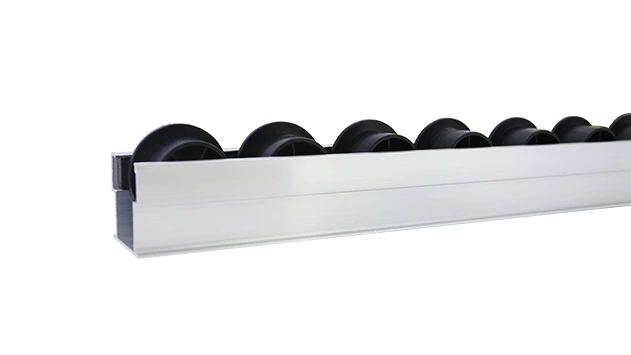
38 Aluminum Roller Track Black with Wheel Flange
Heavy duty roller tracks with flanged plastic rollers for use in processing, logistics and materials handling operations. Ideal for transporting goods quickly and easily as well as for installing on shelving to aid in picking operations.
Introduction
If you're setting up a production line, optimizing your warehouse, or refining your assembly process, the right roller track can turn a chaotic workflow into a smooth, efficient operation. The 38 Aluminum Roller Track Black with Wheel Flange is a popular choice for many manufacturers—its sleek black coating offers durability, the wheel flange prevents items from slipping off during transport, and the 38mm size strikes a balance between versatility and load capacity. But with so many options on the market, how do you pick the one that fits your needs perfectly? This checklist will walk you through every step to make an informed decision.
1. Start with Your Core Needs
Before diving into specs, take a step back and ask yourself these critical questions:
What are you moving? Are you transporting small 3C components (like smartphone parts) or heavier items (like medical device assemblies)? The weight of your goods will dictate the track's load capacity—for example, a track designed for 5kg items won't hold up to 20kg boxes.
Do you need ESD protection? If your work involves sensitive electronics, an ESD workstation requires ESD-compliant tracks. Look for tracks with a surface resistance rating between 10^6 and 10^9 ohms to prevent static damage to your products.
What's your space constraint? Are you fitting the track into a tight corner or a long assembly line? Measure the available space to ensure the track length (and any extensions) fit without wasting room.
How fast do you need items to flow? For high-volume lines, you'll want wheels that rotate smoothly and quietly. For slower, precision-based workflows, a slightly more resistant wheel might be better to control item speed.

2. Key Technical Specifications to Verify
Once you know your needs, it's time to check the track's specs. Here's what to focus on:
a. Material & Thickness
The aluminum profile's thickness directly impacts load capacity. A 1.2mm thick track works for light to medium loads (up to 10kg per linear meter), while a 1.5mm or thicker track handles heavier loads (up to 25kg per linear meter). Avoid thin profiles—they bend easily under pressure and need frequent replacement.
b. Coating Quality
The black coating isn't just for looks—it protects the aluminum from scratches, corrosion, and wear. Look for powder-coated finishes; they're more durable than paint and resist chipping even in busy environments. Ask your supplier if the coating meets industry standards for abrasion resistance.
c. Wheel Flange Details
The wheel flange is your first line of defense against items slipping off the track. Check:
- Material: Nylon or polyurethane flanges are ideal—they're durable, quiet, and won't scratch your products.
- Height: The flange should be 5-10mm tall. Too short and items slide off; too tall and they get stuck when moving.
- Fit: Ensure the flange is securely attached to the wheel. Loose flanges can break off during use, causing downtime.
d. Compatibility with Connectors
Can the track connect to your existing setup? For example, if you want to attach it to a flow rack or lean pipe workbench, it should work with standard roller track connectors. A good supplier will provide adapters for common connections like 40 fluent flat joints or aluminum guide rails.
e. ESD Compliance (If Needed)
For ESD workstations, confirm the track's ESD rating. Some tracks use conductive coatings, while others have embedded conductive fibers—either way, they should dissipate static electricity safely. Ask for a test report to verify compliance.

3. Integrate with Your Lean System
The best roller track isn't just a standalone product—it should fit seamlessly into your lean system. Here's how to ensure integration:
Check compatibility with existing equipment: Does the track work with your current lean pipe workbench or flow rack? For example, if you have a Material Rack B (from the product list), can you add this track to create a fluent flow for parts?
Customization options: Do you need the track cut to a specific length? Can you add aluminum guide rails to direct items? A flexible supplier will offer customizations to fit your unique workflow.
Scalability: As your business grows, can you extend the track with additional sections? Look for tracks that use standard connectors so you can expand without replacing the entire system.
4. Durability & Maintenance Considerations
A track that breaks down frequently will cost you more in downtime than it saves in upfront costs. Here's how to assess durability:
Wheel quality: Are the wheels made of high-quality materials? Polyurethane wheels are great for heavy loads and quiet operation, while nylon wheels are ideal for light loads and ESD compliance. Check if the wheels have a warranty—this indicates the supplier's confidence in their quality.
Maintenance ease: How easy is it to clean the track? Dust and debris can slow down wheels, so look for tracks with smooth surfaces that wipe clean quickly. Are replacement parts (like wheels or connectors) readily available? A supplier that stocks roller track accessories will help you minimize downtime.
Corrosion resistance: If your workspace is humid (like in medical device manufacturing) or exposed to chemicals, the track should resist corrosion. Powder-coated aluminum is a good choice here, but stainless steel options are better for extreme environments.
5. Evaluate Your Lean Pipe Supplier
The right supplier is as important as the right track. Here's what to look for:
Industry experience: Has the supplier worked with your industry before? A supplier with experience in 3C assembly or medical devices will understand your specific needs better than a generalist.
Certifications: Does the supplier have ISO 9001 (quality management) or ESD certifications? These certifications ensure the product meets global standards.
After-sales support: Do they offer installation guidance? What about warranty coverage? A good supplier will help you troubleshoot issues and replace defective parts quickly.
Wholesale options: If you need a large quantity (like for a whole production line), do they offer wholesale prices? Lean pipe workbench wholesale or roller track wholesale can save you significant money on bulk orders.
6. Real-World Use Cases
Let's look at how this track is used in real businesses:
Case 1: 3C Assembly Line
A smartphone manufacturer used this track in their ESD workstations. They needed to move small circuit boards from one station to another. The ESD-compliant black track with wheel flange kept the boards safe from static damage and prevented them from falling off. The track was connected to their lean pipe workbench using roller track connectors, creating a seamless flow that reduced assembly time by 15%.
Case 2: Warehouse Logistics
A medical device warehouse used this track in their flow racks. They stored small medical components in bins, and the track allowed the bins to slide smoothly to the picking area. The wheel flange ensured bins didn't slip off during peak hours. The supplier provided custom-cut tracks to fit their existing rack setup, saving time and money on new equipment.
Final Buyer's Checklist
| Check Point | What to Look For |
|---|---|
| Core Needs | Item weight, ESD requirement, space constraints, flow speed |
| Material Thickness | 1.2mm (light loads), ≥1.5mm (heavy loads) |
| Coating Quality | Powder-coated finish, scratch/corrosion resistant |
| Wheel Flange | 5-10mm height, durable material (nylon/polyurethane) |
| Compatibility | Works with roller track connectors and aluminum guide rails |
| ESD Compliance | Surface resistance 10^6-10^9 ohms (if needed) |
| Supplier Reliability | ISO 9001 certification, industry experience, after-sales support |
| Maintenance | Easy to clean, replacement parts available |
Conclusion
Choosing the right 38 Aluminum Roller Track Black with Wheel Flange isn't just about picking the cheapest option—it's about finding a product that fits your needs, integrates with your lean system, and lasts for years. By following this checklist, you'll avoid common mistakes and invest in a track that boosts your efficiency and reduces downtime. Remember to work with a reputable lean pipe supplier who understands your industry and offers the support you need. With the right track, your workflow will be smoother, faster, and more reliable than ever before.