- Company Articles
- Products and Technology
- Product knowledge
- How to Choose 4040 Aluminum Profile End Caps: Size, Fit & Project Needs

How to Choose 4040 Aluminum Profile End Caps: Size, Fit & Project Needs
Related Product
4040 Aluminum Profile End Cap
The aluminum profile end cap adds a finishing touch to your project and closes off profile ends to limit dust and debris buildup, also it can avaid some scratch for material and labor during the assemble work.
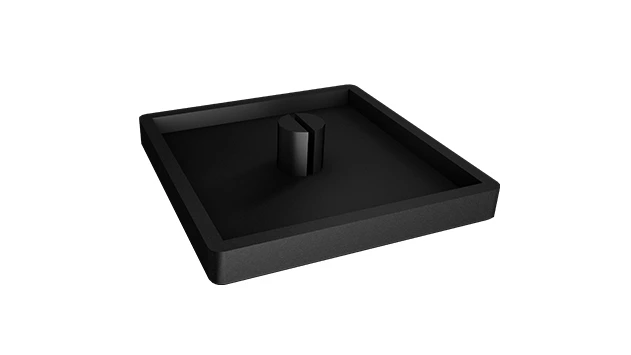
If you've ever worked with aluminum extrusion profiles—whether building a workbench in your garage, setting up shelving in a warehouse, or assembling industrial racks—you know the little details matter. One of those details? End caps. Specifically, 4040 aluminum profile end caps. They might seem like an afterthought, but the right end cap protects your project, keeps it looking professional, and even adds a layer of functionality. But here's the thing: choosing one isn't as simple as grabbing the first "4040" labeled package off the shelf. Size, fit, and your project's unique needs all play a role. Let's dive in and make sure you pick the perfect end cap for your next build.
1. Understanding 4040 Aluminum Profile End Caps: What Are They, Anyway?
First, let's get clear on what we're talking about. Aluminum extrusion profiles are those versatile, T-slot aluminum beams you see everywhere—think factory workstations, retail displays, or even DIY furniture. The "4040" in 4040 aluminum profile refers to its cross-section: 40mm wide by 40mm tall. It's a standard size, which is why it's so popular for everything from light-duty shelving to heavy industrial setups.
Now, end caps are the small covers that slide or attach to the open ends of these profiles. They're like the "caps" on a pen—simple, but essential. Made from materials like plastic (PVC, nylon), rubber, or even aluminum, they serve three big purposes:
- Protection: Raw aluminum profile ends can be sharp. End caps smooth those edges, preventing cuts when you handle the profile (trust me, nobody wants a surprise scrape while moving a shelf).
- Sealing: They block dust, dirt, and moisture from getting inside the profile's hollow core. Over time, that gunk can cause corrosion or just make your project look unkempt.
- Aesthetics: Let's be honest—exposed aluminum ends look unfinished. A clean end cap gives your project a polished, professional look, whether it's a workbench in a factory or a display rack in a store.
But not all 4040 end caps are created equal. Some are rigid, some are flexible; some snap on, others screw in. The key is matching the end cap to how you're using the 4040 profile. Let's start with the most obvious factor: size.
2. Size Matters: Getting the Dimensions Right (It's Not Just "4040")
You might think, "If my profile is 40mm x 40mm, any 4040 end cap will fit." Spoiler: That's not always true. Here's why: aluminum extrusion profiles can vary slightly in design, even if they're labeled "4040." The T-slots (those grooves along the sides) can take up space, and wall thicknesses might differ between manufacturers. So the "inner" dimensions of the profile's end—where the end cap sits—might be smaller than 40mm x 40mm.
Measuring Your Profile: The First Step to a Perfect Fit
Before you buy, grab a ruler or caliper and measure the inner opening of your 4040 profile's end. Here's how:
Width and Height: Measure the distance from one inner wall to the opposite inner wall (both horizontally and vertically). For a standard 4040 profile with thin walls, this might be around 38mm x 38mm, but some heavy-duty profiles with thicker walls could be 36mm x 36mm. The end cap needs to match these inner dimensions, not the outer 40mm x 40mm.
T-Slot Considerations: Many 4040 profiles have T-slots (usually one or two per side). These slots can create notches or indentations at the end of the profile. If your end cap is solid and doesn't account for these slots, it might not sit flush. Look for end caps with cutouts or recesses that align with your profile's T-slots—they'll fit like a glove.
Pro tip: If you're buying profiles and end caps from the same supplier, ask for a compatibility chart. Most aluminum profile suppliers list which end caps work with their specific 4040 models. For example, a supplier might note that their "Standard 4040 Profile" pairs with their "4040 Plastic End Cap (Type A)," while their "Heavy-Duty T-Slot 4040" needs "Type B."
Common Size Mistakes to Avoid
I've seen too many people grab generic "4040" end caps only to find they're either too loose (falling off) or too tight (cracking when forced on). Here are the biggest size-related blunders:
Ignoring Wall Thickness: Thicker profile walls mean smaller inner openings. A 4040 profile for industrial use might have walls twice as thick as a lightweight DIY version—so their end caps won't swap.
Forgetting T-Slot Depth: Deep T-slots can reduce the effective inner width of the profile. An end cap that fits a smooth-walled 4040 might catch on a T-slot and not seat properly.
Buying Based on Outer Dimensions: Always, always measure the inner opening. The outer 40mm x 40mm is just the starting point.

3. Fit Types: How End Caps Attach (It's More Than Just Snapping On)
Once you've nailed the size, the next question is: How does the end cap stay on? Fit type matters because it affects how secure the end cap is, how easy it is to install, and whether you can remove it later. Let's break down the three main fit types:
Press-Fit End Caps: Simple, Quick, and (Usually) Temporary
Press-fit (or snap-fit) end caps are the most common. They're designed to be pushed into the end of the profile, relying on friction to stay in place. Think of them like the cap on a water bottle—you push it on, and it stays until you pull it off.
These are great for projects where you might need to access the inside of the profile later (e.g., running wires through the beam). They're also super easy to install—no tools required. Most plastic end caps are press-fit, and they come in a range of colors to match your profile (white, black, gray are standard).
But there's a catch: press-fit caps can loosen over time, especially if the profile is moved or vibrated (like on a workbench in a busy factory). They're also not ideal for outdoor use, where temperature changes can cause the plastic to expand or contract, leading to a loose fit.
Screw-Fit End Caps: Secure for Heavy-Duty Use
If you need something more permanent, screw-fit end caps are the way to go. These have small holes or threaded inserts that let you screw them directly into the aluminum profile. You'll need a small drill bit (for pre-drilling) and a screwdriver, but the result is a cap that won't budge—even in high-vibration environments.
Screw-fit caps are popular in industrial settings, like assembly lines or material handling racks, where the profile takes a lot of abuse. They're also a good choice for outdoor projects, as the screws keep them secure through rain, wind, and temperature swings. Aluminum end caps are often screw-fit, since metal-on-metal provides extra durability.
The downside? They're harder to remove (you'll need to unscrew them), and if you over-tighten, you could strip the threads or crack the cap. Measure twice, drill once—you don't want to damage your profile!
Adhesive-Backed End Caps: Permanent and Low-Profile
Adhesive-backed end caps have a strong sticky backing (like double-sided tape) that bonds them to the profile's end. They're thin, low-profile, and perfect for situations where you don't want to drill holes (e.g., decorative displays or lightweight shelving).
These are quick to install—just peel off the backing and press firmly. They work well for indoor projects where the profile won't be moved, like retail shelving or office partitions. Rubber adhesive caps are a good choice here, as they also add a slight cushioning effect.
But be warned: once they're on, they're on . Removing them can leave residue or even damage the profile's finish. They're also not great for high-temperature areas (like near machinery that generates heat), as the adhesive can melt or weaken.

4. Project Needs: Matching the End Cap to How You'll Use the Profile
Now that you know about size and fit, let's talk about your specific project. The end cap that works for a home DIY workbench might not cut it for a factory's material rack. Here's how to tailor your choice:
Industrial Workbenches and Assembly Lines
If you're building a workbench or assembly station (common uses for 4040 profiles), you need end caps that can handle daily use. Go for durable materials like hard plastic or aluminum, and opt for screw-fit if the bench will see a lot of vibration (from tools, machinery, or people leaning on it). You'll also want caps that are easy to clean—smooth plastic is better than textured rubber here, as it won't trap grease or dirt.
Pro tip: Look for end caps with a slightly raised edge. This helps prevent small tools or parts from rolling off the bench and into the profile's end (we've all lost a nut or bolt to that dark, hollow space).
Outdoor or Wet Environments
For outdoor racks, garden shelving, or projects near water (like a workshop with a sink), moisture resistance is key. Rubber or UV-stabilized plastic end caps are your best bet—they won't crack in the sun or rot in the rain. Screw-fit is better than press-fit here, as water can seep under loose caps and cause corrosion inside the profile.
Avoid adhesive-backed caps outdoors—rain and humidity will break down the adhesive over time. And if you're in a coastal area with salt air, consider aluminum end caps (they're more corrosion-resistant than plastic).
Cleanrooms or Lab Settings
In cleanrooms, labs, or medical facilities, dust and contamination are big no-nos. End caps need to be non-porous (so they don't trap particles) and easy to sanitize. Smooth, non-shedding plastic or rubber caps are ideal—look for ones labeled "cleanroom compatible" or "ESD-safe" (if static is a concern). Press-fit is okay here, as long as they fit snugly—you don't want gaps where dust can hide.
Aesthetic-Focused Projects (Retail Displays, DIY Furniture)
If your project is on display—like a retail shelf or a home office desk—looks matter. Color-matched end caps (to your profile or decor) can make a big difference. For example, a black aluminum profile with black end caps looks sleek and modern, while a silver profile with white caps adds contrast.
Aluminum end caps are a great choice for aesthetics—they match the profile's material and have a premium, metallic finish. Just make sure the fit is perfect; a misaligned or loose aluminum cap will stick out like a sore thumb.
5. Comparing 4040 End Caps to Other Sizes: When to Choose What
While we're focused on 4040, it's helpful to see how it stacks up against other common profile sizes. This will give you a better sense of why 4040 is so popular, and when you might need a different end cap. Here's a quick comparison:
| Profile Size | End Cap Inner Dimensions (Approx.) | Common Materials | Best For | Key Considerations |
|---|---|---|---|---|
| 4040 Aluminum Profile | 38mm x 38mm to 36mm x 36mm (varies by wall thickness) | Plastic, rubber, aluminum | Workbenches, industrial racks, medium-duty shelving | Most versatile; check T-slot design for fit |
| 3030 Aluminum Profile | 28mm x 28mm to 26mm x A26mm | Plastic, rubber | Light-duty shelving, retail displays, DIY furniture | Smaller size; press-fit caps work well here |
| 2020 Aluminum Profile | 18mm x 18mm to 16mm x 16mm | Plastic (lightweight) | Small shelves, 3D printer frames, electronics enclosures | Delicate; avoid over-tightening screw-fit caps |
As you can see, 4040 hits the sweet spot between strength and versatility. Its end caps are widely available, and there's a fit type for almost every project. 3030 and 2020 are better for smaller jobs, but if you're building something that needs to support weight or stand up to heavy use, 4040 (and its end caps) are the way to go.
6. Buying Tips: How to Avoid Regrets
You've got the knowledge—now let's make sure you actually get the right end cap. Here's what to do before clicking "buy":
1. Measure Twice, Buy Once
I can't stress this enough: measure the inner opening of your 4040 profile. Write down the exact width and height, and note if there are T-slots that might affect the fit. If you're unsure, take a photo of the profile end and send it to the supplier—most are happy to help you match it to the right cap.
2. Check the Material Specs
Read the product description carefully. Is the plastic UV-resistant? Is the rubber food-safe (if using in a kitchen or lab)? For industrial use, look for "impact-resistant" or "heavy-duty" labels. Don't assume all plastic caps are the same—cheap plastic can crack in cold weather, while high-quality nylon will hold up.
3. Buy Samples First
If you're buying in bulk (like for a factory or large shelving project), order 1-2 samples first. Test the fit: does it snap on easily? Is it snug? If it's screw-fit, does the screw hole align with the profile's wall? It's better to spend a few extra dollars on samples than to waste money on 100 caps that don't fit.
4. Consider Aluminum Profile Accessories
End caps are just one part of the aluminum profile ecosystem. If you're using other aluminum profile accessories—like brackets, connectors, or panels—make sure the end cap doesn't interfere with them. For example, a thick end cap might prevent a bracket from sliding onto the profile's end. Check for compatibility, or ask the supplier to confirm.
7. Final Thoughts: The Right End Cap Makes All the Difference
Choosing a 4040 aluminum profile end cap might seem trivial, but it's the kind of detail that elevates a project from "homemade" to "professional." Whether you're building a workbench for your garage or outfitting a factory floor, the right cap protects your investment, keeps things looking sharp, and ensures your profile functions as it should.
Remember: start with measuring the inner dimensions, pick a fit type that matches your project's needs (press-fit for quick installs, screw-fit for durability), and don't forget to consider the environment (outdoor vs. indoor, clean vs. industrial). And when in doubt, reach out to your aluminum profile supplier—they're experts for a reason.
With these tips, you'll not only choose the perfect 4040 end cap—you'll also have a project that's safer, more durable, and just plain nicer to look at. Happy building!