- Company Articles
- Products and Technology
- Procurement Guidelines
- How to Choose 60 Aluminum Roller Track Green: Key Factors to Consider

How to Choose 60 Aluminum Roller Track Green: Key Factors to Consider
Related Product
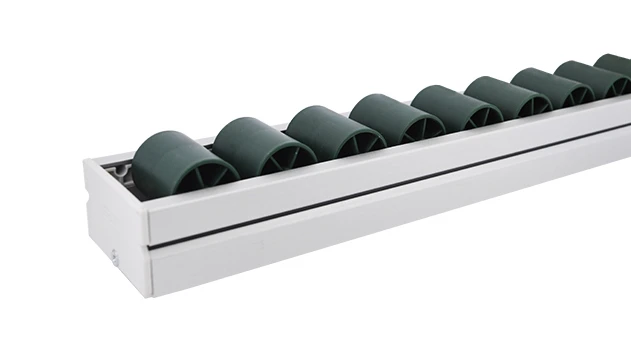
60 Aluminum Roller Track Green
Modular system roller tracks aluminum gravity roller tracks are an excellent solution for transporting materials within industrial environments, warehouses and distribution centres.
How to Choose 60 Aluminum Roller Track Green: Key Factors to Consider
If you've ever walked through a busy factory floor—whether it's a 3C assembly line, medical device workshop, or automotive parts warehouse—you've probably seen roller tracks hard at work. They're the quiet backbone of efficient material flow, moving parts from one station to the next without fuss. Among the many options out there, the 60 aluminum roller track green stands out for its balance of durability, flexibility, and practicality. But how do you pick the right one for your needs? This guide breaks down the critical factors to consider, so you can make a choice that aligns with your lean goals and long-term operational efficiency.
1. What Exactly Is 60 Aluminum Roller Track Green?
Let's start with the basics. The "60" refers to the series of aluminum profile used—typically a 60mm-wide track that's designed to handle moderate to heavy loads. The "aluminum" part means it's made from high-quality aluminum extrusion profile, which is lightweight yet strong enough to withstand industrial wear and tear. The "green" coating? It's not just for looks. This layer often adds anti-slip properties, corrosion resistance, or even ESD (electrostatic discharge) protection—critical for industries like 3C assembly where sensitive electronics are handled.
This track is a key component of flow racks, conveyors, and lean workstations. It fits seamlessly into lean systems, supporting the "reduce waste" and "improve flow" principles that keep modern factories running smoothly. Whether you're building a new flow rack or upgrading an existing conveyor, the 60 aluminum roller track green is a versatile choice that adapts to many manufacturing scenarios.
This track is a key component of flow racks, conveyors, and lean workstations. It fits seamlessly into lean systems, supporting the "reduce waste" and "improve flow" principles that keep modern factories running smoothly. Whether you're building a new flow rack or upgrading an existing conveyor, the 60 aluminum roller track green is a versatile choice that adapts to many manufacturing scenarios.
2. Key Factor 1: Material Quality & Durability
The first thing to check is the quality of the aluminum itself. Not all aluminum profiles are created equal. Look for tracks made from high-grade aluminum extrusion profile—this ensures the track can handle consistent loads without bending or warping over time. For example, a track with a 1.2mm wall thickness (a common standard in industrial settings) will be more durable than a thinner one, especially if you're moving heavy parts like automotive components.
The green coating is another critical part of durability. A good coating should resist scratches, chemicals, and moisture. In environments where spills or cleaning agents are common (like medical device factories), a corrosion-resistant coating prevents rust and extends the track's lifespan. You should also ask about the coating's adhesion—poorly applied coatings can peel off, leaving the aluminum exposed and vulnerable to damage.
Why does this matter? A flimsy track can lead to unexpected downtime: parts get stuck, tracks break, and your entire production line slows down. Investing in a high-quality 60 aluminum roller track green means fewer repairs, less downtime, and lower long-term costs.
The green coating is another critical part of durability. A good coating should resist scratches, chemicals, and moisture. In environments where spills or cleaning agents are common (like medical device factories), a corrosion-resistant coating prevents rust and extends the track's lifespan. You should also ask about the coating's adhesion—poorly applied coatings can peel off, leaving the aluminum exposed and vulnerable to damage.
Why does this matter? A flimsy track can lead to unexpected downtime: parts get stuck, tracks break, and your entire production line slows down. Investing in a high-quality 60 aluminum roller track green means fewer repairs, less downtime, and lower long-term costs.
3. Key Factor 2: Compatibility with Existing Systems
Compatibility is non-negotiable. Your new 60 aluminum roller track green needs to fit seamlessly with your current setup—whether it's part of a flow rack, conveyor, or lean pipe workbench. Here's what to check:
A quick tip: If you're unsure about compatibility, ask your supplier for a sample. Testing the track with your existing components before buying in bulk can save you a lot of headaches later.
- Connector Fit: Does the track work with your existing roller track connectors? For example, if your flow rack uses 40mm end supports, make sure the 60mm track has compatible mounting points. Mismatched connectors can cause loose tracks, which are a safety hazard and a source of waste.
- Accessory Compatibility: Can you use your existing aluminum profile accessories (like brackets or guides) with the new track? A track that integrates with your current accessories saves you from buying new parts, which aligns with the lean principle of reducing unnecessary expenses.
- System Integration: Does the track fit into your overall lean solution? For instance, if you're using a lean pipe system to build flexible workstations, the track should work with your lean pipe joints and aluminum profiles to maintain the system's flexibility. This way, you can reconfigure your setup as your production needs change without replacing the entire track.
A quick tip: If you're unsure about compatibility, ask your supplier for a sample. Testing the track with your existing components before buying in bulk can save you a lot of headaches later.
4. Key Factor 3: Load Capacity & Application Scenarios
Every factory has different load requirements. You need to know how much weight your 60 aluminum roller track green can handle before making a purchase. Most suppliers list the maximum load capacity per meter—for example, 50kg/m or 100kg/m. But don't just take the number at face value; consider your specific use case:
Remember: Overloading a track will shorten its lifespan and cause safety issues. Always choose a track with a load capacity that exceeds your average needs to account for unexpected peaks.
| Industry | Typical Load | Why 60 Aluminum Roller Track Green Works |
|---|---|---|
| 3C Assembly | Light (5-20kg per part) | ESD-compliant coating (if available) protects sensitive electronics; lightweight aluminum reduces fatigue for workers. |
| Medical Device Manufacturing | Moderate (20-50kg) | Easy to sanitize; corrosion-resistant coating fits cleanroom standards. |
| Automotive Parts | Heavy (50-100kg) | High-grade aluminum profile handles heavy loads; durable coating resists oil and grease. |
| Warehouse Logistics | Variable (10-80kg) | Flexible design adapts to different storage needs; green color improves visibility for workers. |
Remember: Overloading a track will shorten its lifespan and cause safety issues. Always choose a track with a load capacity that exceeds your average needs to account for unexpected peaks.
4. Key Factor 4: Ease of Installation & Maintenance
Time is money in manufacturing, so you don't want to spend hours installing or maintaining your roller track. Here's what to look for:
A low-maintenance track is a boon for lean operations. It reduces the time your team spends on non-value-added tasks, letting them focus on what matters: producing quality products.
- Installation: Does the track come with pre-drilled holes or easy-to-use mounting brackets? Can your team install it without special tools? A track that's quick to set up means less downtime for your production line.
- Maintenance: How often does the track need lubrication? Are the rollers easy to clean? The 60 aluminum roller track green is low-maintenance compared to steel tracks—aluminum doesn't rust, and the green coating repels dust and debris. For example, in a busy 3C assembly line, you can wipe the track down with a damp cloth at the end of the shift without disrupting operations.
- Repairability: If a roller breaks, can you replace it easily? Look for tracks with modular rollers—this means you don't have to replace the entire track when one part fails, which saves time and money.
A low-maintenance track is a boon for lean operations. It reduces the time your team spends on non-value-added tasks, letting them focus on what matters: producing quality products.
5. Key Factor 5: Cost-Effectiveness & Long-Term Value
Let's talk about the bottom line. The initial cost of a 60 aluminum roller track green might be higher than a cheaper steel or plastic option, but it's an investment that pays off over time. Here's why:
When calculating cost, don't just look at the upfront price. Consider the total cost of ownership: maintenance, replacement, and energy costs over the track's lifespan. The 60 aluminum roller track green often comes out on top here.
- Durability: A high-quality aluminum track lasts longer than plastic or low-grade steel. You won't have to replace it as often, which reduces long-term expenses.
- Flexibility: As your production needs change, you can reconfigure the track or reuse it in other parts of your facility. This aligns with the lean principle of reusability and sustainable improvement.
- Wholesale Savings: If you need multiple tracks, buying in bulk (like flow rack wholesale or conveyor wholesale) can lower your per-unit cost. Many suppliers offer discounts for large orders, so it's worth asking about wholesale options.
- Energy Efficiency: Aluminum is lightweight, so it takes less energy to move parts along the track. This reduces your operational costs and supports your sustainability goals.
When calculating cost, don't just look at the upfront price. Consider the total cost of ownership: maintenance, replacement, and energy costs over the track's lifespan. The 60 aluminum roller track green often comes out on top here.
6. How to Verify a Supplier's Credibility
Choosing the right supplier is as important as choosing the right track. Here are a few things to check:
- Custom Solutions: Does the supplier offer custom designs? For example, if you need a track with specific length or load capacity, can they accommodate that? Suppliers like szsunqit specialize in custom solutions for industries like 3C and medical, which means they can tailor the track to your unique needs.
- Certifications: Look for suppliers that have certifications for their aluminum profiles—like ISO 9001 or RoHS. These certifications ensure the track meets quality and safety standards.
- Customer Reviews: What do other customers say about their products? Check online reviews or ask for references. A supplier with positive feedback from similar industries is more likely to deliver a quality product.
- After-Sales Support: Does the supplier offer warranty or technical support? If you run into issues with the track, you want to know someone is there to help.
7. Final Thoughts
Choosing the right 60 aluminum roller track green isn't just about picking a product—it's about making a decision that supports your lean goals, improves operational efficiency, and reduces long-term costs. By considering factors like material quality, compatibility, load capacity, ease of use, and supplier credibility, you can find a track that fits your needs perfectly.
Remember: The best track is one that integrates seamlessly into your existing system, handles your load requirements, and requires minimal maintenance. Whether you're building a new flow rack, upgrading a conveyor, or optimizing your lean pipe workbench, the 60 aluminum roller track green is a reliable choice that will serve your facility well for years to come.
Remember: The best track is one that integrates seamlessly into your existing system, handles your load requirements, and requires minimal maintenance. Whether you're building a new flow rack, upgrading a conveyor, or optimizing your lean pipe workbench, the 60 aluminum roller track green is a reliable choice that will serve your facility well for years to come.