- Company Articles
- Products and Technology
- Product knowledge
- How to Choose 60 Steel Roller Track Small Wheels for Material Handling Systems

How to Choose 60 Steel Roller Track Small Wheels for Material Handling Systems
Related Product
60 Steel Roller Track Small Wheel
Modular system roller tracks aluminum gravity roller tracks are an excellent solution for transporting materials within industrial environments, warehouses and distribution centres.
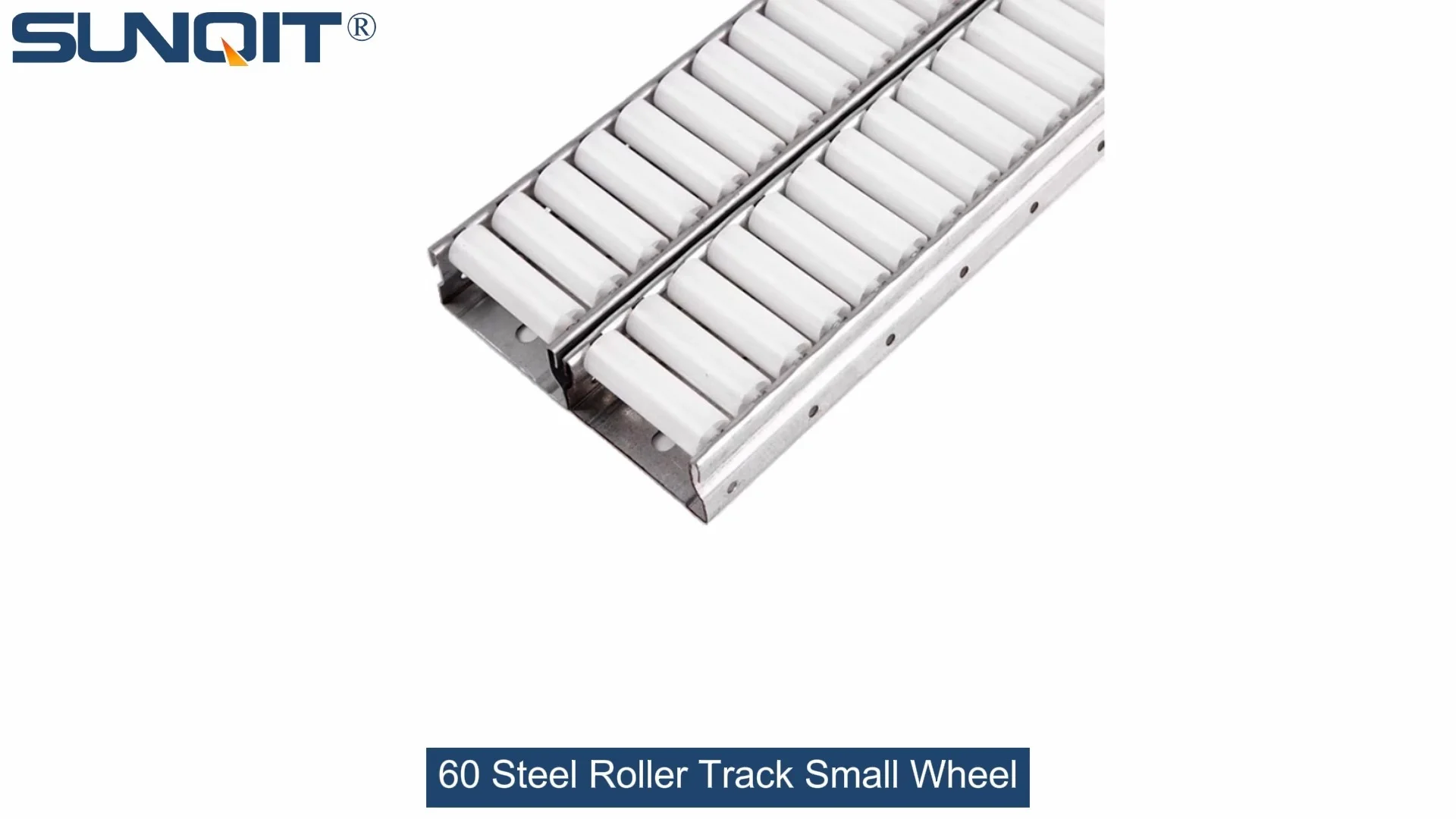
How to Choose 60 Steel Roller Track Small Wheels for Material Handling Systems
Introduction: The Unsung Heroes of Efficient Material Handling
When you think about material handling systems—like the flow racks that keep warehouse shelves organized or the conveyors moving parts down an assembly line—you probably don't immediately focus on the tiny wheels that make everything work. But here's the thing: 60 steel roller track small wheels are the unsung heroes of these systems. They're the reason your lean system runs smoothly, your 3C assembly line doesn't hit bottlenecks, and your warehouse logistics team can pick parts quickly without wasting time.
Whether you're setting up a new flow rack for your 3C components or replacing worn wheels on an existing conveyor, choosing the right 60 steel roller track small wheels is critical to keeping your operations efficient and cost-effective. These wheels might seem small, but their impact on your overall productivity is huge. A wrong choice can lead to frequent breakdowns, slow workflows, and unnecessary costs. So let's dive deep into what you need to know to make the best decision.
Key Factor 1: Load Capacity – Don't Cut Corners Here
First and foremost, you need to figure out how much weight each wheel will have to handle. Load capacity isn't just a number—it's a safety net for your material handling system. Every 60 steel roller track small wheel comes with two load ratings: dynamic and static.
Dynamic load capacity refers to the maximum weight the wheel can support while it's moving. Static load capacity is the weight it can hold when it's not moving. For example, if you're using a flow rack to store boxes of 3C components (each box weighing 20kg), and each box rests on 4 wheels, then each wheel needs to handle at least 5kg of dynamic load. But you should always add a 20-30% safety margin to avoid overloading. So a wheel with a dynamic load rating of 10kg would be a safe choice here.
For heavier applications—like conveyor systems moving automotive parts—you'll need wheels with a higher load capacity. A 60 steel roller track small wheel with a dynamic load rating of 75kg or more would be better suited for these cases. Overloading wheels is one of the most common mistakes people make, and it leads to quick wear, wheel damage, and even system breakdowns. So take the time to calculate your load needs accurately.
Key Factor 2: Wheel Material & Durability – Steel's Unbeatable Advantages
60 steel roller track small wheels are made from high-quality steel, and there's a good reason for that. Steel is one of the most durable materials for wheels, especially in high-use environments. Let's compare it to other common materials:
Plastic wheels are cheaper, but they wear out quickly in heavy-use scenarios. They also can't handle high temperatures or heavy loads as well as steel. Rubber wheels are quiet, but they're not ideal for rough surfaces. Steel wheels, on the other hand, are strong, resistant to wear, and can handle both heavy loads and extreme temperatures.
Another thing to consider is surface treatment. Many 60 steel roller track small wheels are galvanized—this means they have a layer of zinc coating to prevent rust. This is especially important for warehouse logistics systems where humidity might be an issue, or for outdoor storage areas where wheels are exposed to rain and moisture. Galvanized wheels last longer and require less maintenance than non-treated steel wheels.
Key Factor 3: Wheel Size & Dimensions – Fit Matters Most
The 60mm diameter of these wheels isn't arbitrary. Small wheels like these are perfect for tight spaces—common in lean system workstations where every inch counts. But size isn't just about diameter; you also need to pay attention to other dimensions:
1.
Axle Hole Size:
This is the hole in the center of the wheel that fits over the roller track's axle. Common sizes for 60 steel roller track small wheels are 8mm or 10mm. You need to make sure this size matches the axle of your flow rack or conveyor. If the hole is too big, the wheel will wobble; if it's too small, it won't fit at all.
2.
Wheel Width:
The width of the wheel affects how stable it is. Wider wheels are more stable, but they take up more space. For most 3C assembly lines and flow racks, a wheel width of 12mm to 15mm is sufficient.
3.
Roller Track Compatibility:
Not all 60 steel roller track small wheels fit all roller tracks. For example, some roller tracks use a specific type of wheel that locks into place, while others use standard wheels. Always check the compatibility of the wheel with your existing roller track system before buying.
Key Factor 4: Surface Compatibility – Match Wheels to Your Floors
The type of floor your wheels will roll on has a big impact on their performance and lifespan. Let's break down common floor types and the best wheels for each:
1.
Rough Concrete Floors:
These are common in warehouses and manufacturing plants. For rough floors, you need 60 steel roller track small wheels with a hard surface to prevent wear. Galvanized steel wheels are a good choice here because they're resistant to scratches and damage.
2.
Smooth Floors:
Smooth floors (like polished concrete or tile) are common in 3C assembly lines and medical device factories. Standard steel wheels work well here—they roll smoothly and don't cause unnecessary noise.
3.
Floors with Oil/Grease Spills:
In automotive assembly lines or mechanical workshops, oil and grease spills are common. For these environments, you need wheels that are resistant to oil. Look for 60 steel roller track small wheels with a special coating that repels oil and prevents slipping.
Key Factor 5: Environmental Conditions – Prepare for the Elements
Environmental conditions can affect the performance of your 60 steel roller track small wheels. Here are some things to consider:
1.
Temperature Extremes:
If your warehouse or factory has no climate control, your wheels need to handle both hot and cold temperatures. Steel wheels are great for this—they don't expand or contract as much as plastic wheels, so they maintain their shape and performance in extreme conditions.
2.
Humidity & Moisture:
High humidity can cause rust on non-treated steel wheels. Galvanized steel wheels are rust-resistant, so they're perfect for humid environments like food processing plants or coastal warehouses.
3.
Chemical Exposure:
In medical device manufacturing or pharmaceutical warehouses, cleaning chemicals are often used. For these environments, you need wheels that are resistant to these chemicals. Look for 60 steel roller track small wheels with a chemical-resistant coating to ensure they don't get damaged by cleaning agents.
Key Factor 6: Integration with Lean Systems – Efficiency is Everything
Lean systems are all about reducing waste and increasing efficiency. So your 60 steel roller track small wheels need to align with these principles. Here's how:
1.
Flow Racks:
In flow racks, these wheels allow parts to slide down to the picker without manual effort. This reduces motion waste—one of the seven types of waste in lean manufacturing. For example, in a 3C assembly line flow rack, these wheels help phone parts slide to the workstation quickly, so workers don't have to reach for parts or walk around to get them.
2.
Conveyors:
Conveyors with these wheels ensure consistent movement of products along the line. This reduces bottlenecks and keeps the production line running smoothly. For automotive assembly lines, conveyors with these wheels move parts from one station to another without delays, so workers can focus on their tasks instead of waiting for parts.
3.
Workstations:
Lean system workstations often use these wheels to move parts between stations. The small size of the wheels fits the compact design of these workstations, so they don't take up unnecessary space. This helps keep the workstation organized and efficient.
Comparison of Common 60 Steel Roller Track Small Wheel Types
| Wheel Type | Dynamic Load Capacity | Static Load Capacity | Surface Compatibility | Best Application |
|---|---|---|---|---|
| Standard 60 Steel Roller Track Small Wheel | 50 kg | 100 kg | Smooth concrete, tile, polished floors | 3C assembly line conveyors, light-duty flow racks |
| Galvanized 60 Steel Roller Track Small Wheel | 75 kg | 150 kg | Rough concrete, humid environments | Warehouse logistics flow racks, heavy-duty lean workstations |
| Oil-Resistant 60 Steel Roller Track Small Wheel | 60 kg | 120 kg | Concrete with oil/grease spills | Automotive assembly conveyors, mechanical workshops |
| Chemical-Resistant 60 Steel Roller Track Small Wheel | 55 kg | 110 kg | Sterile environments, chemical-exposed areas | Medical device flow racks, pharmaceutical warehouses |
Common Mistakes to Avoid When Choosing Wheels
Mistake 1:
Overlooking the safety margin. Always add a 20-30% safety margin to your calculated load capacity to avoid overloading.
Mistake 2:
Ignoring surface compatibility. Using the wrong wheel for your floor type leads to quick wear and frequent replacements.
Mistake 3:
Skipping compatibility checks. Not all wheels fit all roller tracks—always check if the wheel works with your existing system.
Mistake 4:
Choosing the cheapest option. Cheap wheels might save you money upfront, but they wear out quickly and cost more in the long run.
Maintenance Tips for Long-Lasting Wheels
Once you've chosen the right 60 steel roller track small wheels, you need to maintain them properly to ensure they last. Here are some tips:
1.
Regular Cleaning:
Wipe down the wheels with a dry cloth every week to remove dust and debris. For greasy wheels, use a mild detergent to clean them—avoid harsh chemicals that can damage the coating.
2.
Lubrication:
Lubricate the wheel axles every 3 months to keep them rolling smoothly. Use a food-grade lubricant if you're in the food or medical industry, and a general-purpose industrial lubricant for other environments.
3.
Inspection:
Inspect the wheels every month for signs of wear—like flat spots, rust, or loose axles. replace any worn wheels immediately to avoid system breakdowns.
4.
Proper Storage:
If you have extra wheels, store them in a dry, cool place to prevent rust. Avoid storing them in areas with high humidity or direct sunlight.
How to Source Quality 60 Steel Roller Track Small Wheels
Choosing the right supplier is just as important as choosing the right wheel. Here are some things to look for in a supplier:
1.
Specialization:
Look for suppliers that specialize in lean system components—like flow rack suppliers or conveyor suppliers. They'll have a better understanding of your needs and can provide expert advice.
2.
Quality Certifications:
Check if the supplier has ISO 9001 certification (quality management) or ISO 14001 certification (environmental management). These certifications ensure the supplier follows strict quality standards.
3.
Customization Options:
If you have unique needs—like wheels for a special flow rack or conveyor—look for a supplier that offers customization. They can create wheels that fit your specific requirements.
4.
Warranty:
A good supplier will offer a warranty on their products. Look for a warranty of at least 1 year—this shows the supplier stands behind their wheels.
Conclusion: Make an Informed Choice for Efficient Operations
Choosing the right 60 steel roller track small wheels for your material handling system isn't a trivial task. It requires careful consideration of load capacity, material, size, surface compatibility, environmental conditions, and integration with lean systems. But by following the tips in this article, you can make an informed choice that will keep your flow racks, conveyors, and lean systems running smoothly for years to come.
Remember: These small wheels are the backbone of your material handling system. Investing in quality wheels will save you time, money, and headaches in the long run. So take the time to research, compare options, and choose the best wheels for your needs. Your productivity will thank you.