- Company Articles
- Products and Technology
- Product knowledge
- How to Choose Adjustable Leveling Feet for Conveyors in Warehouse Logistics

How to Choose Adjustable Leveling Feet for Conveyors in Warehouse Logistics
Related Product
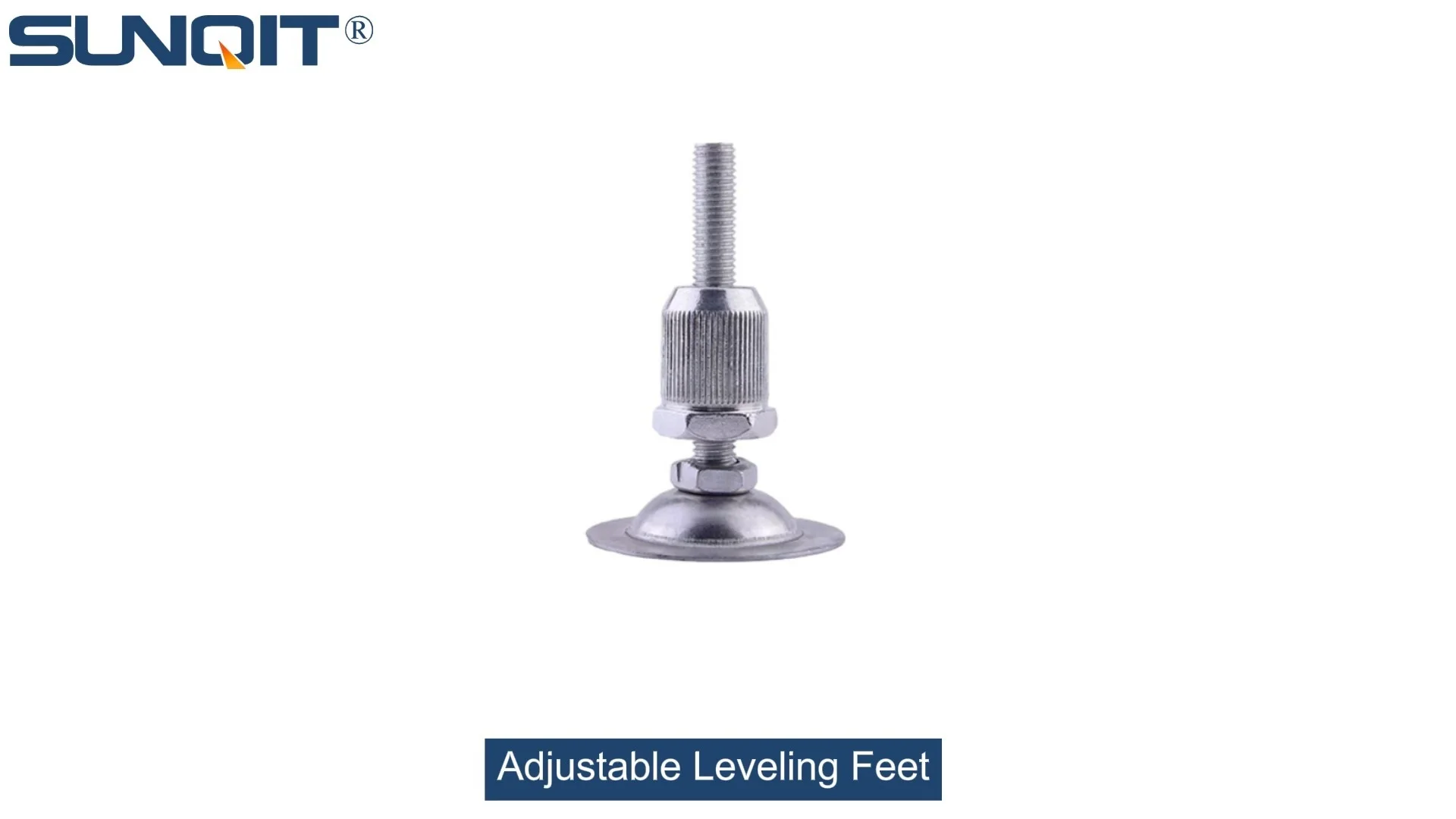
Adjustable Leveling Feet
Adjustable leveling feet are designed to keep machines level when placed on uneven or sloped ground. Otherwise known as adjustable equipment feet, they are available to order in a wide variety of size and load capacity combinations.
Picture this: It's a Tuesday morning in your warehouse. The floor is bustling with activity—pallets are being unloaded, workers are moving swiftly, and your roller track conveyor system is supposed to be the backbone of it all, smoothly transporting goods from receiving to shipping. But today, something's off. A carton wobbles as it moves along the rollers, tipping over. A worker pauses to steady it, throwing off the entire line's (rhythm). You kneel down to inspect the conveyor and notice it: one corner sits slightly lower than the others, causing the uneven movement. The culprit? Subpar adjustable leveling feet that couldn't compensate for the warehouse floor's minor dips. Sound familiar? If you've ever dealt with wobbly conveyors, misaligned goods, or unexpected downtime, you know how critical the right leveling feet are to keeping your operations running like clockwork.
Adjustable leveling feet might seem like small, (unassuming) components in the grand scheme of warehouse logistics, but they're the unsung heroes of stability. They're the quiet problem-solvers that keep your roller track conveyors balanced, your workers safe, and your productivity on track. In this guide, we'll walk through everything you need to know to choose the perfect adjustable leveling feet for your conveyor systems. From load capacity to floor conditions, material choices to compatibility with other components like aluminum profile frames and caster and accessories, we'll break down the process step by step. By the end, you'll be equipped to make a decision that saves you time, reduces headaches, and ensures your conveyor system becomes a reliable asset—not a recurring frustration.
Why Adjustable Leveling Feet Matter More Than You Think
Before diving into the specifics of choosing leveling feet, let's take a moment to understand why they're non-negotiable for conveyor systems. At first glance, they might look like simple metal or plastic feet screwed into the bottom of a conveyor frame. But their role goes far beyond "keeping things level." They're foundational to three critical pillars of warehouse efficiency: stability, safety, and long-term durability.
Stability: The Foundation of Smooth Operations
Conveyors—whether roller track, belt, or chain-driven—rely on precision alignment to function. Even a 1-degree tilt can cause goods to slide off, jam, or move at inconsistent speeds. Adjustable leveling feet allow you to fine-tune each corner of the conveyor, ensuring the entire system sits perfectly flat, even if your warehouse floor isn't. This stability directly impacts throughput: a balanced conveyor moves goods faster, with fewer interruptions, and reduces the risk of product damage. Imagine a roller track conveyor transporting fragile electronics—one wobble could mean broken screens and costly losses. Leveling feet prevent that.
Safety: Protecting Your Team and Your Bottom Line
A wobbly conveyor isn't just inefficient—it's dangerous. An unbalanced system can shift unexpectedly, creating tripping hazards for workers. Over time, uneven stress on the conveyor frame (often made of aluminum profile for its lightweight strength) can lead to cracks or warping, increasing the risk of collapse. Adjustable leveling feet distribute the conveyor's weight evenly, reducing strain on the frame and minimizing the chance of accidents. OSHA estimates that over 20% of warehouse injuries stem from unstable equipment—don't let your conveyor be part of that statistic.
Durability: Extending the Life of Your Conveyor Investment
Conveyors are a significant investment, and you want them to last. When a conveyor is unlevel, its moving parts—rollers, belts, motors—bear uneven wear. Rollers might grind against their brackets, belts could stretch unevenly, and motors may overheat from extra strain. Adjustable leveling feet reduce this wear by ensuring all components work in harmony. In fact, warehouses that use high-quality leveling feet report conveyor lifespans (extended) by 30% or more compared to those that skimp on this component. It's a small cost upfront that pays off in fewer repairs and replacements down the line.
Key Factors to Consider When Choosing Adjustable Leveling Feet
Now that you understand why adjustable leveling feet matter, let's dive into the nitty-gritty of selecting the right ones for your conveyor. Not all leveling feet are created equal, and the best choice depends on your specific warehouse setup, conveyor type, and operational needs. Below are the critical factors to evaluate before making a purchase.
1. Load Capacity: Matching Feet to Your Conveyor's Weight
First and foremost, you need to know how much weight your leveling feet will bear. This includes the conveyor's own weight (the frame, motor, roller track, and any built-in components) plus the maximum load of goods it will carry. For example, a light-duty roller track conveyor used for small packages might only need leveling feet rated for 500 lbs per foot, while a heavy-duty system moving pallets could require 2,000 lbs or more per foot. Always check the manufacturer's specs for both the conveyor and the leveling feet—never assume a "one-size-fits-all" solution. Overloading leveling feet leads to bending, stripping of threads, or collapse, which is a safety and efficiency disaster waiting to happen.
2. Floor Conditions: Adapting to Imperfections
Warehouse floors are rarely perfectly flat. Concrete can settle over time, creating dips or bumps. Some floors might have cracks, while others are smooth but uneven due to poor installation. Your adjustable leveling feet need to compensate for these imperfections. Look for feet with a wide adjustability range—typically 1 to 4 inches of vertical movement—to accommodate varying floor heights. If your floor is particularly rough or uneven, consider feet with larger base plates (4 inches or more in diameter) to distribute weight over a wider area, reducing the risk of sinking into soft spots or tilting on uneven surfaces.
3. Conveyor Type: Roller Track, Belt, or Chain?
The type of conveyor you're using matters too. Roller track conveyors, for instance, rely on free-moving rollers to transport goods, so even minor misalignment can cause jams. They require leveling feet with precise adjustability to ensure the rollers are perfectly parallel. Belt conveyors, on the other hand, put more lateral stress on the frame, so feet with anti-slip bases are critical to prevent shifting. If your conveyor is part of a larger system that includes caster and accessories (like mobile conveyors with wheels for flexibility), you'll need leveling feet that can lock securely when in use, preventing movement even when the casters are engaged. Always match the leveling feet to your conveyor's design—ask the manufacturer if you're unsure.
4. Environmental Factors: Moisture, Chemicals, and Temperature
Warehouse environments vary widely, and your leveling feet need to stand up to yours. If your facility deals with food, beverages, or pharmaceuticals, you might need stainless steel feet resistant to corrosion from moisture or cleaning chemicals. In cold storage warehouses, look for feet with materials that won't become brittle in low temperatures. Conversely, in hot environments (like near furnaces or in tropical climates), avoid plastic feet that could warp. Even dusty environments matter—feet with sealed threads prevent debris from clogging the adjustment mechanism, ensuring they remain easy to tweak over time.
5. Material and Build Quality: Durability in the Details
Leveling feet are made from a range of materials, each with its pros and cons:
-
Steel:
Heavy-duty and strong, ideal for high-load applications. Look for galvanized or powder-coated steel to resist rust.
-
Aluminum:
Lightweight and corrosion-resistant, a great choice for aluminum profile conveyor frames (they won't scratch the aluminum and blend seamlessly).
-
Plastic:
Affordable and non-marking, but best for light loads and dry environments—avoid in high-moisture or heavy-use areas.
Pay attention to small details too: Are the threads smooth and well-cut? Does the base plate have anti-slip padding (like rubber or silicone) to grip the floor? Is the adjustment nut easy to turn, even with gloves on? These features might seem minor, but they make a big difference in usability and longevity.
6. Compatibility with Conveyor Frames and Accessories
Your leveling feet don't exist in a vacuum—they need to work with your conveyor's frame, whether it's made of steel, aluminum profile, or another material. Most leveling feet attach via threads, bolts, or plates, so check the frame's mounting points. For aluminum profile frames, look for feet with brackets designed to fit into the profile's T-slots—this ensures a secure, wobble-free connection. If your conveyor uses caster and accessories for mobility, ensure the leveling feet can be raised or lowered to "lock" the conveyor in place when casters are off the ground. Mismatched components lead to instability, so always verify compatibility with both the frame and any mobility accessories.

Types of Adjustable Leveling Feet: Which One Is Right for You?
Adjustable leveling feet come in several designs, each tailored to specific needs. Understanding the differences will help you narrow down your options. Below is a breakdown of the most common types, along with their ideal use cases.
| Type of Leveling Foot | Key Features | Best For | Pros | Cons |
|---|---|---|---|---|
| Threaded Fixed Feet | Vertical threaded stem; fixed base plate; adjusted by twisting the stem. | Stationary conveyors on flat floors; light to medium loads. | Simple design; affordable; easy to adjust. | Limited adjustability range; base doesn't swivel. |
| Swivel Base Feet | Threaded stem with a swiveling base plate; base adjusts to floor angles. | Uneven floors; conveyors with slight frame misalignment. | Adapts to sloped or bumpy floors; better weight distribution. | Slightly more expensive; base can wear over time. |
| Heavy-Duty Bolt-Down Feet | Large base plate with bolt holes; secured directly to the floor. | Extra-heavy loads (5,000+ lbs); high-traffic areas. | Maximum stability; prevents conveyor movement entirely. | Permanent installation; hard to reposition. |
| Anti-Vibration Feet | Rubber or spring-loaded base; absorbs shock and noise. | Conveyors with motors; environments sensitive to vibration. | Reduces noise; protects floors from motor vibrations. | Lower load capacity; rubber can degrade in harsh chemicals. |
For most warehouse roller track conveyors, a middle-ground option like swivel base feet with aluminum or steel construction is ideal. They balance adjustability, durability, and adaptability to floor conditions. If your conveyor needs occasional mobility (paired with caster and accessories), look for "leveling casters"—hybrid designs that combine a caster wheel with a leveling foot, allowing you to switch between rolling and stationary modes with a simple adjustment.

Installation Tips: Getting It Right the First Time
Even the best adjustable leveling feet won't perform well if installed incorrectly. Follow these steps to ensure your conveyor is stable, aligned, and ready to handle the demands of your warehouse.
Step 1: Prep the Area
Start by clearing the conveyor's installation area. Sweep or vacuum the floor to remove debris that could interfere with leveling. Use a laser level or spirit level to map out the floor's high and low spots—this will help you plan where to place the leveling feet for maximum stability. If the floor has major dips (more than 1 inch), consider filling them with concrete patching compound first; even the best leveling feet can't compensate for extreme unevenness.
Step 2: Mount the Feet to the Conveyor Frame
Attach the leveling feet to the conveyor frame according to the manufacturer's instructions. For aluminum profile frames, slide the feet's brackets into the T-slots and secure with bolts. For steel frames, use nuts and washers to fasten threaded stems. Tighten all connections snugly, but don't overtighten—this can strip threads or warp the frame. If your conveyor has caster and accessories, ensure the leveling feet are positioned to support the weight when the casters are lifted off the ground.
Step 3: Level the Conveyor
With the feet attached, carefully lower the conveyor into place. Use a long spirit level (at least 4 feet) to check for level along both the length and width of the conveyor. Start with the front-left foot, adjusting it up or down until that corner is level. Move to the front-right, then back-left, then back-right, rechecking the level after each adjustment. For roller track conveyors, place a test carton on the rollers and watch its movement—if it drifts to one side, (fine-tune) the feet on that side until it moves straight. This step takes patience, but it's critical for smooth operation.
Step 4: Secure and Test
Once level, lock the leveling feet in place (if they have locking nuts) to prevent them from loosening over time. Test the conveyor with a full load of goods to ensure stability—wiggle the frame gently to check for wobbling, and observe the roller track movement for any signs of unevenness. If everything looks good, mark the feet's positions with a marker or tape—this makes re-leveling easier during maintenance.

Maintenance and Care: Keeping Your Leveling Feet in Top Shape
Your work doesn't end after installation. Like any warehouse equipment, adjustable leveling feet need regular maintenance to stay effective. A little care goes a long way in preventing issues and extending their lifespan.
Weekly Checks
Once a week, walk along the conveyor and visually inspect each leveling foot. Look for signs of wear: cracks in the base plate, stripped threads, or missing anti-slip padding. Check if any feet have loosened—this often happens due to vibrations from the conveyor motor. Tighten them with a wrench if needed, but be careful not to overtighten. Also, clear debris from around the feet—dust, dirt, or small parts can get trapped under the base plate, causing instability.
Monthly Adjustments
Warehouse floors can shift slightly with temperature changes or heavy traffic, so monthly re-leveling is a good habit. Use your spirit level to check if the conveyor is still even, and tweak the feet as needed. If you notice a foot that's frequently loosening, apply a small amount of thread locker (like Loctite) to the stem—this prevents it from turning without making permanent adjustments impossible.
Quarterly Deep Cleaning
Every three months, give the leveling feet a deeper clean. Wipe down the stems and base plates with a damp cloth to remove grease or grime. For threaded stems, apply a light coat of lubricant (like WD-40) to keep them turning smoothly. If the feet have anti-slip rubber bases, clean them with mild soap and water to maintain grip—dirty bases can lose traction, increasing the risk of slippage.
Replacing Worn Feet
Even with proper maintenance, leveling feet will eventually wear out. Signs it's time to replace them include: persistent wobbling despite adjustments, cracked or bent stems, base plates that no longer lie flat, or threads that strip when you try to adjust them. Don't wait for a failure—replace worn feet promptly to avoid downtime or accidents. Keep a few spares on hand so you're never caught off guard.
Common Mistakes to Avoid
Even with the best intentions, it's easy to make missteps when choosing or installing adjustable leveling feet. Here are the most common mistakes warehouse managers make—and how to steer clear of them.
- Underestimating Load Capacity: "It's just a few boxes" is a risky mindset. Always overestimate—choose feet rated for 20% more weight than you think you'll need. This buffer prevents failure under peak loads.
- Ignoring Floor Conditions: Don't assume your floor is flat. Use a level to map out unevenness before choosing feet—this ensures you pick the right adjustability range.
- Mixing and Matching Brands: Using feet from different manufacturers can lead to inconsistent sizing or quality. Stick to one brand for your conveyor to ensure compatibility.
- Skimping on Quality for Cost: Cheap leveling feet might save money upfront, but they'll cost more in repairs, downtime, and replacements. Invest in mid-to-high-quality feet—they pay for themselves.
- Forgetting About Mobility Needs: If your conveyor uses caster and accessories for occasional movement, ensure the leveling feet can be raised to let the casters take over. Fixed feet on a mobile conveyor are a recipe for frustration.
Final Thoughts: Your Conveyor's Stability Starts with the Right Feet
Adjustable leveling feet might not be the most glamorous part of your warehouse's conveyor system, but they're undeniably essential. They're the difference between smooth, efficient operations and costly downtime, damaged goods, or worse—accidents. By taking the time to evaluate your needs, choose the right type, install them carefully, and maintain them regularly, you'll ensure your roller track conveyor (and its aluminum profile frame, caster and accessories, and other components) works as hard as your team does.
Remember: stability isn't optional in logistics. It's the foundation of productivity, safety, and profitability. So the next time you're setting up a new conveyor or troubleshooting an old one, don't overlook the humble leveling foot. Your warehouse (and your bottom line) will thank you.