- Company Articles
- Products and Technology
- Product knowledge
- How to Choose Castor Fixed Plates for Flexible Production Lines

How to Choose Castor Fixed Plates for Flexible Production Lines
Related Product
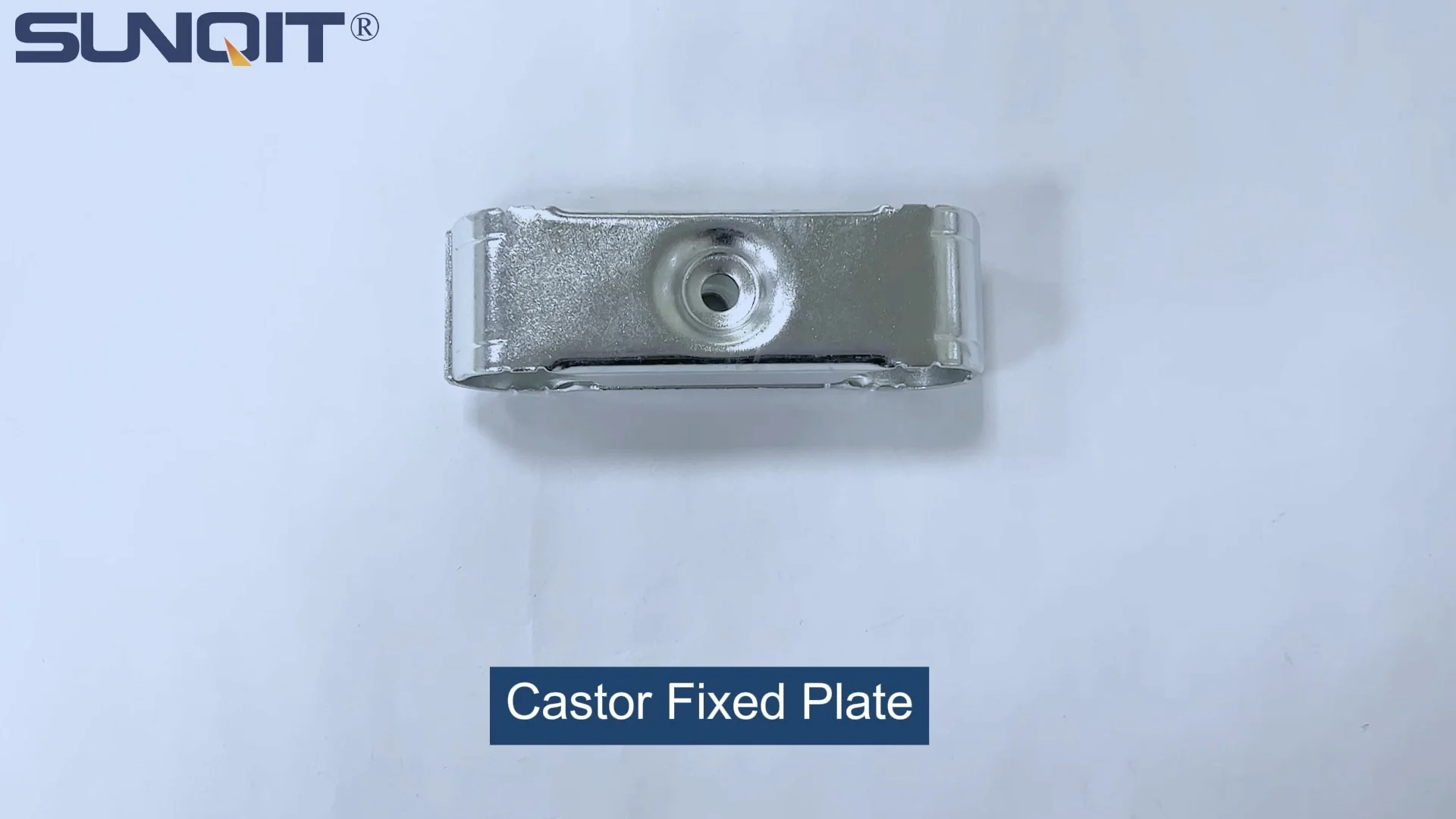
Castor Fixed Plate
Castor fixed plate, used for castor installation, one castor need two pcs castor plate to fix under the workbench, flow rack, and hand trolley.
Introduction: The Unsung Hero of Flexible Manufacturing
In the fast-paced world of modern manufacturing, flexibility isn't just a buzzword—it's the difference between thriving and falling behind. Today's production lines need to pivot quickly: adjusting to new product designs, scaling up or down based on demand, and reconfiguring workspaces to optimize efficiency. At the heart of this adaptability lies mobility—the ability to move tools, materials, and workstations with ease. But mobility without stability is chaos. That's where a small but critical component comes into play: the castor fixed plate.
If you've ever walked through a factory, warehouse, or assembly plant, you've seen the fruits of effective mobility: workbenches gliding into place for a new production run, turnover trolleys ferrying components between stations, and material racks shifting to make space for larger equipment. What you might not have noticed is what holds it all together: the castor fixed plate. These unassuming metal or plastic plates are the silent connectors that attach casters to equipment, ensuring that every movement is smooth, secure, and safe. Choose the wrong one, and you risk wobbly workbenches, stuck trolleys, or even accidents that grind production to a halt. Choose the right one, and your flexible production line becomes a well-oiled machine.
In this guide, we'll dive deep into the world of castor fixed plates. We'll explore why they matter, what to look for when selecting them, and how to match them to your specific needs—whether you're outfitting a lean pipe workstation, an aluminum profile material rack, or a heavy-duty industrial trolley. By the end, you'll understand why these small components play such a big role in keeping your production line agile, efficient, and safe.
What Are Castor Fixed Plates, and Why Do They Matter?
Let's start with the basics: A castor fixed plate (sometimes called a caster mounting plate) is a flat, rigid component designed to attach casters to equipment. Think of it as the bridge between your caster and the item it's moving—whether that's a workbench, a trolley, or a material rack. Its job is simple but vital: to distribute weight evenly, secure the caster in place, and withstand the stresses of constant movement, heavy loads, and daily wear and tear.
But why does this matter? Imagine a scenario all too common in under-equipped facilities: A worker tries to move a loaded workbench, only to have it lurch to one side because the caster is loose. The bench tips, spilling tools and damaging components. Worse, the worker could lose balance and get injured. In another case, a material rack with subpar fixed plates might "walk" across the floor during operation, creating bottlenecks or colliding with other equipment. These aren't just minor inconveniences—they're threats to productivity, safety, and profitability.
High-quality castor fixed plates prevent these issues by ensuring a tight, stable connection between caster and equipment. They absorb shocks from uneven floors, resist bending under heavy loads, and maintain alignment even after thousands of movements. In short, they turn a collection of parts into a reliable, mobile system—exactly what flexible production lines need to stay competitive.

Key Factors to Consider When Choosing Castor Fixed Plates
Selecting the right castor fixed plate isn't a one-size-fits-all process. It requires careful consideration of your equipment, environment, and workflow. Below are the critical factors to evaluate before making a purchase.
1. Load Capacity: Don't Skimp on Strength
The most important factor in choosing a castor fixed plate is load capacity—the maximum weight it can support without bending, breaking, or failing. This isn't just about the weight of the equipment itself; it also includes the maximum load the equipment will carry. For example, a workbench might weigh 150 lbs empty, but if you regularly place 300 lbs of tools and components on it, your fixed plate needs to handle at least 450 lbs (and ideally more, to account for unexpected stress).
How do you calculate this? Start by adding the weight of the equipment (workbench, trolley, etc.) to the heaviest load it will ever carry. Then, multiply that total by 1.5 to add a safety margin—this accounts for sudden impacts (like hitting a floor unevenness) or temporary overloads. For instance, if your trolley weighs 200 lbs and carries up to 500 lbs of materials, your total is 700 lbs. A 1.5x safety margin brings you to 1050 lbs, so you'll need a fixed plate rated for at least 1050 lbs.
Manufacturers usually list load capacity per plate, but remember: most equipment uses multiple casters (typically 4). So, if a plate is rated for 500 lbs, four plates would theoretically support 2000 lbs. But don't rely solely on this "four-corner" math—uneven weight distribution (e.g., a heavy box placed on one corner of a trolley) can put extra strain on individual plates. Always check the manufacturer's guidelines for distributed vs. concentrated loads.
2. Material: Matching Durability to Your Environment
Castor fixed plates come in a range of materials, each with its own strengths and weaknesses. The right choice depends on your load, environment, and budget. Here's a breakdown of the most common options:
- Steel: The workhorse of heavy-duty applications. Steel plates are strong, durable, and affordable, making them ideal for industrial settings with high loads (1000 lbs+). Look for hot-rolled steel for general use or cold-rolled steel for smoother finishes and tighter tolerances. For corrosive environments (like food processing or chemical plants), opt for stainless steel (304 or 316 grade), which resists rust and chemical damage.
- Aluminum: Lightweight and corrosion-resistant, aluminum plates are perfect for lighter loads (up to 500 lbs) and settings where weight matters—like mobile workbenches or lean pipe systems. They're also a good choice for cleanrooms or labs, where stainless steel might be overkill. Aluminum alloys like 6061 offer a good balance of strength and weight, while 5052 is better for corrosion resistance.
- Plastic: Best for light-duty, low-cost applications (under 200 lbs). Plastic plates (usually nylon or polypropylene) are lightweight, non-marking, and resistant to chemicals, but they lack the strength of metal. Use them only for small trolleys, display racks, or equipment that rarely moves.
2. Compatibility: Ensure a Perfect Fit
A castor fixed plate is only as good as its connection to both the caster and the equipment. Mismatched sizes or styles can lead to loose fits, wobbling, or even detachment. Here's what to check:
Caster Compatibility: Casters come with different stem types (threaded, grip ring, kingpin) and plate sizes. Your fixed plate must match the caster's mounting hole pattern and stem diameter. For example, a caster with a 4" x 4" plate and 5/16" bolt holes won't work with a fixed plate that has 3" x 3" dimensions and 1/4" holes. Always check the caster manufacturer's specs for plate requirements.
Equipment Compatibility: The plate must also attach securely to your equipment. If you're using a lean pipe workstation, for example, you'll need a plate that can bolt onto the pipe's frame without weakening it. For aluminum profile systems, look for plates designed to fit the profile's T-slots or bolt holes. Using a generic plate with non-standard equipment is a recipe for instability.
3. Mounting Style: Bolt-On, Weld-On, or Clamp-On?
Castor fixed plates attach to equipment in three main ways, each suited to different scenarios:
- Bolt-On: The most common style, bolt-on plates use screws or bolts to attach to equipment. They're easy to install (no welding required) and can be removed or replaced if needed. Ideal for workbenches, aluminum profile racks, and equipment that might need reconfiguration. Just ensure the equipment has pre-drilled holes or can be safely drilled.
- Weld-On: For heavy-duty applications (like industrial trolleys or metal material racks), weld-on plates offer unmatched strength. They're welded directly to the equipment frame, creating a permanent bond that resists loosening. However, they require welding expertise and make future adjustments difficult—so use them only for equipment that won't need to change casters or mounting positions.
- Clamp-On: A temporary or semi-permanent option, clamp-on plates use brackets or clamps to attach to equipment without drilling or welding. They're useful for rental equipment, temporary workstations, or situations where you can't modify the equipment frame. Load capacity is lower than bolt-on or weld-on, so reserve them for light-duty use.
4. Environmental Factors: Protect Against the Elements
Your production environment can wreak havoc on castor fixed plates if you're not prepared. Consider these conditions:
- Moisture and Corrosion: In wet areas (like food processing plants or outdoor warehouses), steel plates will rust unless they're galvanized or made of stainless steel. Aluminum plates resist corrosion naturally, making them a good alternative. Avoid plastic plates in high-moisture environments—they can warp or degrade.
- Temperature Extremes: High heat (e.g., near furnaces) can weaken plastic plates and cause metal plates to expand, leading to loose casters. Extreme cold can make steel brittle. For these settings, opt for heat-treated steel or aluminum.
- Chemicals and Debris: Oil, solvents, or abrasive debris (like metal shavings) can wear down plates over time. Stainless steel or coated steel (e.g., powder-coated) resists chemical damage, while smooth surfaces (instead of textured) are easier to clean.
5. Cost vs. Quality: Don't Sacrifice Safety for Savings
It's tempting to cut costs by choosing the cheapest castor fixed plate available, but this is a risky move. A low-quality plate might save you $10 today, but if it fails, you could face thousands in repairs, downtime, or even worker compensation claims. Instead, view fixed plates as an investment in your production line's reliability. Mid-range steel or aluminum plates (from reputable suppliers) offer the best balance of cost and performance. For critical applications (like heavy machinery or high-traffic areas), splurge on premium materials—your bottom line will thank you later.

Types of Castor Fixed Plates: Finding the Right Match for Your Needs
Castor fixed plates come in dozens of styles, but they can be broadly categorized by material, load capacity, and design. Below is a breakdown of the most common types and when to use them.
| Type | Material | Load Capacity (per plate) | Best For | Pros | Cons |
|---|---|---|---|---|---|
| Standard Steel Plate | Mild Steel | 500–1500 lbs | General workbenches, medium-duty trolleys | Affordable, strong, widely available | Prone to rust (needs coating); heavy |
| Stainless Steel Plate | Stainless Steel (304/316) | 500–2000 lbs | Food processing, cleanrooms, wet environments | Corrosion-resistant, easy to clean | More expensive than mild steel |
| Aluminum Plate | Aluminum Alloy (6061/5052) | 200–800 lbs | Lean pipe systems, aluminum profile racks, lightweight workbenches | Lightweight, rust-proof, sleek finish | Lower load capacity than steel |
| Heavy-Duty Steel Plate | Thick-Gauge Steel | 2000–5000 lbs | Industrial trolleys, machinery bases | Extremely strong, durable | Very heavy; requires welding or heavy bolts |
| Plastic Plate | Nylon/Polypropylene | Up to 200 lbs | Light-duty trolleys, display racks | Lightweight, non-marking, cheap | Weak; not for heavy loads or rough use |
Specialized Designs for Unique Needs
Beyond the standard types, some fixed plates are designed for specific scenarios:
- Low-Profile Plates: These are thin and compact, ideal for equipment that needs to sit close to the floor (e.g., under-shelf trolleys or mobile workbenches with limited ground clearance). They sacrifice some load capacity for height, so use them only for light to medium loads.
- Swivel-Ready Plates: Designed for swivel casters, these plates have extra reinforcement around the caster stem hole to prevent bending when the caster rotates. They're a must for equipment that needs to turn frequently (like order-picking trolleys).
- Brake-Compatibe Plates: For casters with built-in brakes, these plates have cutouts or extra space to accommodate brake levers or pedals. Without this, the brake mechanism might hit the plate and fail to engage.

Compatibility with Other Components: Building a Cohesive System
Castor fixed plates don't work in isolation—they're part of a larger ecosystem that includes casters, equipment frames, and even accessories like bolts and washers. To ensure everything works together seamlessly, consider these compatibility tips:
Pairing with Casters: A Match Made in Mobility
Your fixed plate and caster should be designed to work together. For example, a heavy-duty steel caster with a 2000 lbs load rating will be wasted on a plastic fixed plate that can only handle 500 lbs. Always check the caster manufacturer's recommendations for mounting plates—many brands sell matching plate-and-caster sets for guaranteed compatibility.
Also, pay attention to caster type: Rigid casters (which only roll forward/backward) put less stress on plates than swivel casters (which rotate 360°). If you're using swivel casters with brakes, ensure the plate has enough clearance for the brake to engage without hitting the equipment frame.
Working with Lean Pipe and Aluminum Profiles
Lean pipe systems (used for modular workstations and racks) and aluminum profiles (popular in modern manufacturing) require specialized fixed plates. For lean pipe, look for plates with clamp-on or bolt-on designs that attach directly to the pipe without drilling—this preserves the system's modularity. For aluminum profiles, choose plates with T-slot compatible bolts or brackets that slide into the profile's grooves, ensuring a secure fit without damaging the material.
For example, an aluminum profile material rack might use a lightweight aluminum fixed plate with T-slot bolts, allowing quick removal or repositioning of casters as the rack's layout changes. In contrast, a lean pipe workbench might use a steel clamp-on plate for added strength, since lean pipe is often used for heavier tools.
Don't Overlook Caster Accessories
Even the best fixed plate won't perform if paired with low-quality accessories. Invest in high-strength bolts (grade 8 or higher for heavy loads), lock washers to prevent loosening, and nuts that match the bolt thread (e.g., metric vs. standard). For outdoor or wet environments, use stainless steel hardware to avoid rust—corroded bolts can weaken the connection over time.
Common Mistakes to Avoid: Pitfalls That Cost Time and Money
Choosing a castor fixed plate seems simple, but even experienced manufacturers make mistakes. Here are the most common errors and how to steer clear of them:
Mistake #1: Underestimating Load Capacity
This is the biggest culprit behind plate failure. Many buyers only consider the equipment's empty weight, forgetting to add the load it carries. For example, a 100 lb workbench might seem fine with a 200 lb plate—until someone piles 300 lbs of materials on it, causing the plate to bend. Always calculate total load (equipment + materials) and add a safety margin.
Mistake #2: Ignoring Environmental Conditions
Using a mild steel plate in a damp warehouse is a recipe for rust. Within months, the plate will corrode, weakening the caster connection. Similarly, plastic plates in hot environments can warp, leading to wobbly equipment. Always factor in moisture, temperature, and chemicals when choosing materials.
Mistake #3: Using Generic Plates for Specialized Equipment
Off-the-shelf plates might fit, but they rarely optimize performance. For example, an aluminum profile workstation with T-slots needs a plate designed to slide into those slots—not a generic bolt-on plate that requires drilling holes in the profile (which weakens it). Spend the extra time to find plates made for your specific equipment type.
Mistake #4: Skimping on Installation
A high-quality plate installed poorly is as bad as a low-quality plate. Over-tightening bolts can strip threads or crack the plate; under-tightening leads to loosening over time. Use a torque wrench to apply the manufacturer-recommended bolt tension, and always use lock washers or thread-locking fluid to prevent nuts from backing out.
Case Studies: How the Right Castor Fixed Plates Improved Production Lines
Still not convinced that castor fixed plates matter? Let's look at real-world examples of how upgrading to the right plates transformed production efficiency.
Case Study 1: Automotive Plant Cuts Downtime by 75%
A mid-sized automotive parts manufacturer was struggling with frequent breakdowns: Material trolleys would get stuck, workbenches would wobble, and casters would detach from plates, leading to 15+ hours of downtime monthly. An audit revealed they were using generic plastic fixed plates on steel trolleys carrying 1000+ lbs of parts—way beyond the plates' 300 lbs capacity. The solution? Switching to heavy-duty stainless steel plates with a 2000 lbs load rating. Within three months, downtime dropped to 3 hours monthly, and worker complaints about unstable equipment vanished.
Case Study 2: Pharmaceutical Company Meets FDA Standards
A pharmaceutical firm needed to upgrade its cleanroom trolleys to meet FDA regulations. Their existing mild steel plates were rusting, creating contamination risks. By switching to stainless steel 316 plates (resistant to chemicals and corrosion), they eliminated rust, passed their FDA inspection, and reduced cleaning time by 40% (since stainless steel is easier to sanitize).
Conclusion: Small Component, Big Impact
Castor fixed plates may not be the most glamorous part of your production line, but they're undeniably essential. They're the difference between a flexible, efficient workspace and a chaotic, accident-prone one. By taking the time to evaluate load capacity, material, compatibility, and environment, you can choose plates that keep your equipment moving smoothly, safely, and reliably—no matter how often your production line changes.
Remember: In manufacturing, success lies in the details. And when it comes to mobility, the castor fixed plate is one detail you can't afford to overlook.