- Company Articles
- Products and Technology
- Product knowledge
- How to Choose Parallel Rotatory Lean Pipe Joint Chrome: Load Capacity Factors

How to Choose Parallel Rotatory Lean Pipe Joint Chrome: Load Capacity Factors
Related Product
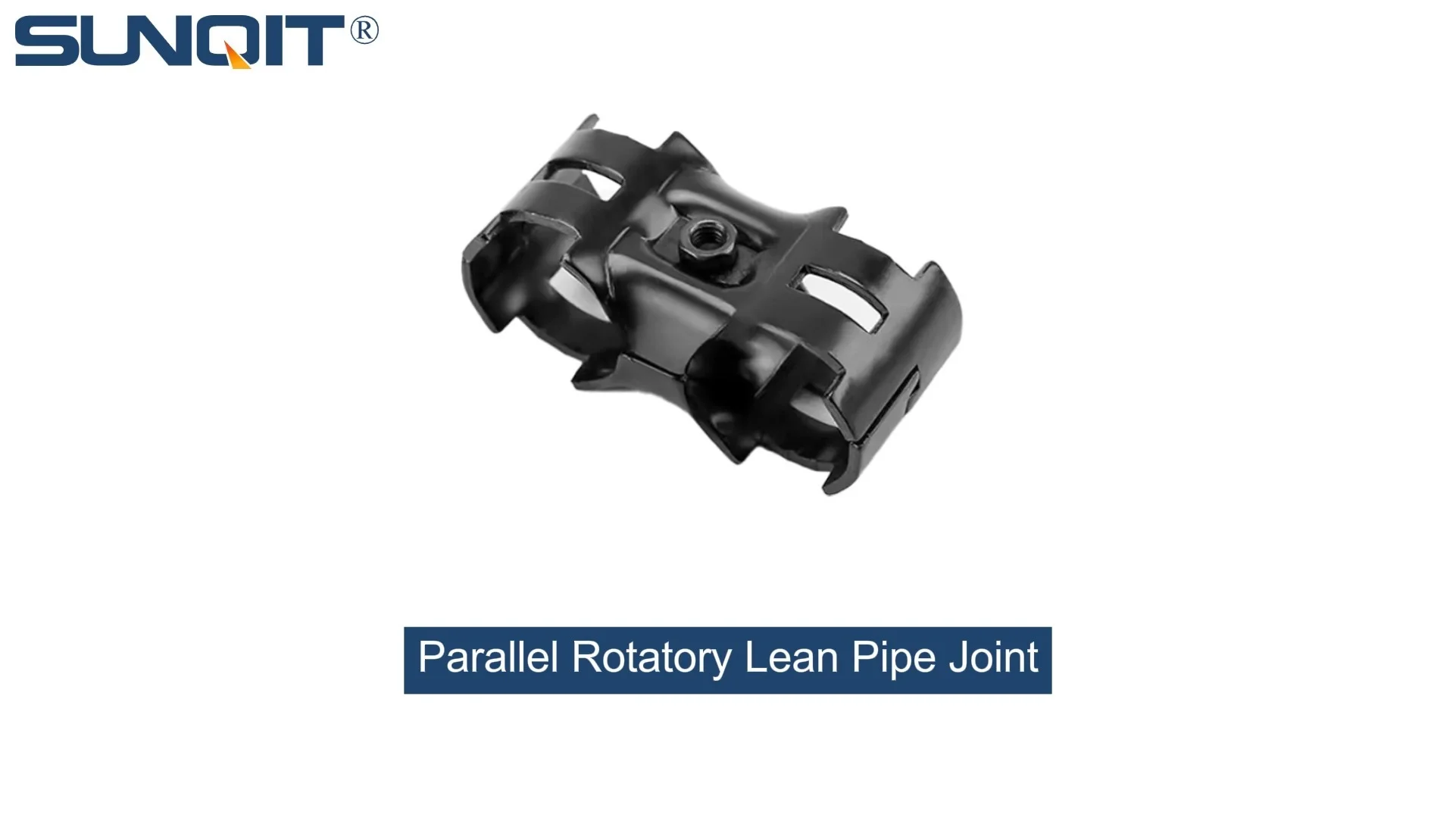
Parallel Rotatory Lean Pipe Joint
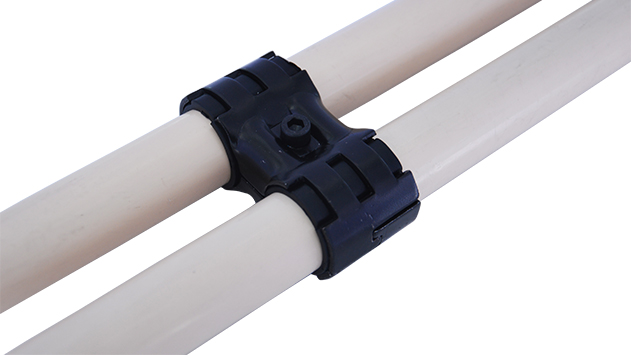
Parallel rotatory lean pipe joint, for 2 pcs pipe conenction in parallel direction with rotatory function.
In the world of lean manufacturing and industrial workspace optimization, every component plays a silent but critical role in keeping operations running smoothly. Among these components, the parallel rotatory lean pipe joint chrome stands out as a workhorse—quietly supporting the structures that hold your tools, materials, and products. Whether you're building a sturdy workbench, a flexible material rack, or a dynamic assembly line, choosing the right parallel rotatory lean pipe joint chrome isn't just about picking a part off a shelf. It's about ensuring that the joint can bear the weight of your workflow, day in and day out. In this guide, we'll dive deep into the key load capacity factors that should shape your decision, helping you avoid costly mistakes and build a workspace that's both efficient and safe.
What Is a Parallel Rotatory Lean Pipe Joint Chrome?
Before we jump into load capacity, let's start with the basics. A parallel rotatory lean pipe joint chrome is a specialized connector designed to link lean pipes—hollow tubes commonly used in lean systems—while allowing for rotational movement along a parallel axis. The "chrome" in its name refers to the protective chrome plating, which enhances durability and resistance to corrosion, making it ideal for industrial environments where wear and tear are inevitable.
These joints are the unsung heroes of lean setups. They're the reason your workbench can be adjusted to different heights, your material rack can accommodate varying load sizes, and your assembly line can adapt to new production needs. Unlike fixed joints, the rotatory feature adds flexibility, but that flexibility doesn't come at the cost of strength—if you choose the right one. And that's where load capacity comes in.
Why Load Capacity Matters More Than You Think
Load capacity isn't just a technical specification on a datasheet. It's the line between a workspace that hums with productivity and one that risks accidents, downtime, or costly replacements. Imagine a scenario: You've just built a material rack using parallel rotatory lean pipe joints, and on day one, you load it with heavy components. If the joints can't handle the weight, the rack might sag, twist, or even collapse. Beyond the immediate safety hazard, this could damage materials, disrupt production, and erode trust in your workspace setup.
On the flip side, choosing a joint with a load capacity far exceeding your needs isn't efficient either. Oversized joints add unnecessary cost and bulk, making your lean system less "lean" by wasting space and resources. The sweet spot lies in matching the joint's load capacity to your actual requirements—and to do that, you need to understand the factors that influence how much weight a parallel rotatory lean pipe joint chrome can safely support.
Key Factors Influencing Load Capacity of Parallel Rotatory Lean Pipe Joint Chrome
Load capacity isn't determined by a single feature; it's a result of multiple interconnected factors. Let's break down the most critical ones, so you can make an informed choice.
1. Material Quality: The Foundation of Strength
At the heart of any parallel rotatory lean pipe joint chrome is its material. Most joints start with a base material—typically steel or, in some cases, aluminum—before being coated with chrome. The quality of this base material directly impacts load capacity. High-grade steel, for example, offers superior tensile strength and resistance to bending under pressure, making it better suited for heavy loads than thinner or lower-quality alloys.
Chrome plating, while primarily for corrosion resistance, also adds a thin layer of hardness. A well-plated joint is less likely to chip or wear down over time, ensuring that the underlying material's strength remains intact. When evaluating suppliers, ask about the grade of steel used (e.g., carbon steel vs. stainless steel) and the thickness of the chrome plating—these details can reveal a lot about the joint's long-term load-bearing potential.
2. Design and Engineering: How Shape Affects Strength
Even the strongest materials can fail if the joint's design is flawed. The parallel rotatory feature adds complexity here: the joint must allow rotation while maintaining structural integrity. Look for joints with a robust rotatory mechanism—often a precision-engineered pivot or bearing system—that distributes weight evenly across the joint's surface. Poorly designed joints may have weak points, such as narrow pivot areas or sharp corners, where stress concentrates and eventually leads to failure.
Another design aspect to consider is the "grip" of the joint on the lean pipe. Most joints use a clamping mechanism to attach to the pipe; the tighter and more evenly this clamp distributes pressure, the better the joint can transfer load from the pipe to the joint itself. Loose or uneven clamping can cause the pipe to slip, reducing the effective load capacity and creating a safety risk.
3. Size and Compatibility with Lean Pipe
Load capacity isn't just about the joint—it's about how well the joint works with the lean pipe it's attached to. Parallel rotatory lean pipe joints are designed to fit specific pipe diameters (common sizes include 28mm or 30mm for standard lean pipe, or smaller diameters for aluminum lean pipe). Using a joint that's too small for the pipe can lead to instability, while a joint that's too large may not clamp securely, even if its rated load capacity is high.
Aluminum lean pipe, for instance, is lighter than traditional steel pipe but still requires a joint that matches its diameter and wall thickness. A joint designed for a thicker steel pipe may not grip an aluminum pipe tightly enough, causing slippage under load. Always check that the joint's specifications align with your pipe type—whether it's steel, aluminum, or stainless steel—to ensure compatibility and maximize load capacity.
4. Installation and Assembly: The Human Factor
Even the best parallel rotatory lean pipe joint chrome can underperform if installed incorrectly. Torque, alignment, and the use of (lean pipe and accessories) all play a role here. Over-tightening the joint's clamping bolts, for example, can strip threads or warp the joint, weakening its structure. Under-tightening, on the other hand, leaves the joint loose, reducing its ability to bear weight.
Accessories like washers, locknuts, or end caps also matter. A missing washer can create uneven pressure on the joint, while a damaged end cap might allow moisture to seep into the pipe, weakening it over time. When assembling, follow the manufacturer's guidelines for torque settings and use only recommended accessories—cutting corners here can turn a high-capacity joint into a liability.
5. Environmental Conditions: When the Workplace Puts Pressure On
Your workspace environment can quietly eat away at a joint's load capacity. High humidity, exposure to chemicals, or extreme temperatures can degrade the chrome plating, leading to rust and weakening the base material. In food processing or pharmaceutical settings, where stainless steel pipe series are common, a chrome-plated joint may still corrode if not properly maintained, reducing its strength.
Vibration is another environmental factor. In assembly lines with constant movement—such as those using roller track or conveyor systems—repeated vibration can loosen joints over time, even if they were initially tightened correctly. For these environments, look for joints with locking features or consider periodic maintenance checks to re-torque bolts and ensure continued stability.

Comparing Load Capacities: Parallel Rotatory Lean Pipe Joint Chrome vs. Other Joint Types
To put these factors into perspective, let's compare the load capacities of parallel rotatory lean pipe joint chrome with other common joint types. The table below, based on typical industry data, shows how different designs and materials stack up under pressure.
| Joint Type | Base Material | Max Load Capacity (Static, kg) | Best For | Key Limitation |
|---|---|---|---|---|
| Parallel Rotatory Lean Pipe Joint Chrome | High-Grade Steel (Chrome-Plated) | 200–350 | Adjustable workbenches, rotating material racks | Rotatory mechanism may reduce capacity under dynamic loads |
| Fixed 90° Lean Pipe Joint (Non-Rotatory) | Carbon Steel | 300–500 | Static shelving, rigid workstations | No rotation; less flexibility |
| Aluminum Rotatory Joint | Aluminum Alloy | 100–200 | Lightweight lean systems, mobile trolleys | Lower capacity; less durable in harsh environments |
| Stainless Steel Fixed Joint | Stainless Steel (304 Grade) | 250–400 | Food/pharmaceutical environments | Heavier and costlier than chrome-plated steel |
*Note: Load capacities are approximate and vary by manufacturer. Always verify with supplier specifications for your specific use case.

Assessing Your Load Requirements: A Step-by-Step Guide
Now that you understand the factors influencing load capacity, how do you determine what you actually need? Here's a practical approach to assess your requirements:
Step 1: Calculate the Total Weight of Loads
Start by listing everything that will rest on or pass through the structure using the parallel rotatory lean pipe joint chrome. For a workbench, this might include tools (5–20kg each), materials (e.g., 10kg boxes of parts), and even the weight of operators leaning on the bench (up to 100kg or more). For a material rack, calculate the weight of each shelf's contents—if you're storing 3-row, 3-floor material racks (like Material Rack B), multiply the weight per item by the number of items per shelf, then add a 20% buffer to account for uneven loading.
Step 2: Consider Dynamic vs. Static Loads
Static loads (items that don't move, like stored boxes) are easier to calculate, but dynamic loads (items in motion, such as parts sliding down a roller track) exert additional force. A parallel rotatory joint used on a roller track system, for example, may need to handle sudden impacts as items shift—factor in a 30–50% buffer for dynamic loads to ensure safety.
Step 3: Check Joint Spacing and Distribution
Load isn't borne by a single joint; it's distributed across multiple joints in a structure. If your workbench has four legs, each with two joints, the total load is split among eight joints. However, uneven distribution (e.g., a heavy tool placed near one corner) can put extra stress on nearby joints. Aim for even spacing and ensure no single joint bears more than 70% of its max capacity under worst-case scenarios.
Practical Tips for Choosing the Right Joint
Armed with this knowledge, here are actionable tips to help you select the best parallel rotatory lean pipe joint chrome for your needs:
- Ask for Test Data: Reputable suppliers should provide load test reports. Look for third-party certifications or in-house testing that verifies the joint's capacity under conditions similar to your workspace.
- Match with Your Lean Pipe: If you're using aluminum lean pipe, confirm the joint's compatibility with its diameter and wall thickness. A joint that's a perfect fit for steel pipe may not work as well with aluminum.
- Prioritize Reputable Suppliers: Cheap, generic joints often cut corners on material quality or design. Suppliers specializing in lean pipe systems (like those offering lean pipe and accessories as a package) are more likely to provide reliable, tested products.
- Test Under Real Conditions: If possible, prototype your structure with the chosen joint and apply a test load (using sandbags or weighted boxes) to see how it performs. Look for signs of bending, slipping, or instability.
Common Mistakes to Avoid
Even with careful planning, it's easy to overlook details that impact load capacity. Here are three mistakes to steer clear of:
Mistake 1: Overlooking the "Rotatory" in Parallel Rotatory
Some buyers assume that because a joint is chrome-plated and steel-made, it can handle any load. But the rotatory feature adds moving parts, which can reduce capacity under stress. Don't treat a rotatory joint like a fixed one—factor in its design limitations.
Mistake 2: Ignoring Long-Term Wear
A joint might meet load capacity specs on day one, but repeated rotation, vibration, or corrosion can weaken it over time. Choose joints with replaceable parts (like bearings in the rotatory mechanism) to extend their lifespan without replacing the entire joint.
Mistake 3: Skimping on Installation Tools
Using a generic wrench instead of a torque wrench to tighten joint bolts can lead to under- or over-tightening. Invest in basic tools like torque wrenches and thread gauges to ensure proper assembly—this small step can significantly boost load capacity and safety.
Conclusion: Building a Lean System That Lasts
Choosing the right parallel rotatory lean pipe joint chrome isn't just about checking a box on a parts list. It's about understanding how load capacity is shaped by material, design, installation, and environment—and then applying that understanding to your unique workspace. By prioritizing these factors, you'll create a lean system that's not only efficient but also resilient, reducing downtime, minimizing safety risks, and ensuring your operations run smoothly for years to come.
Remember, the best joint is the one that fits your needs—neither overkill nor underpowered. With the right parallel rotatory lean pipe joint chrome, your workbench, material rack, or assembly line will be more than just a structure; it will be a foundation for productivity.