- Company Articles
- Products and Technology
- Procurement Guidelines
- How to Choose Quality Lean Pipe Fixed Clamps: Buyer's Checklist

How to Choose Quality Lean Pipe Fixed Clamps: Buyer's Checklist
Related Product
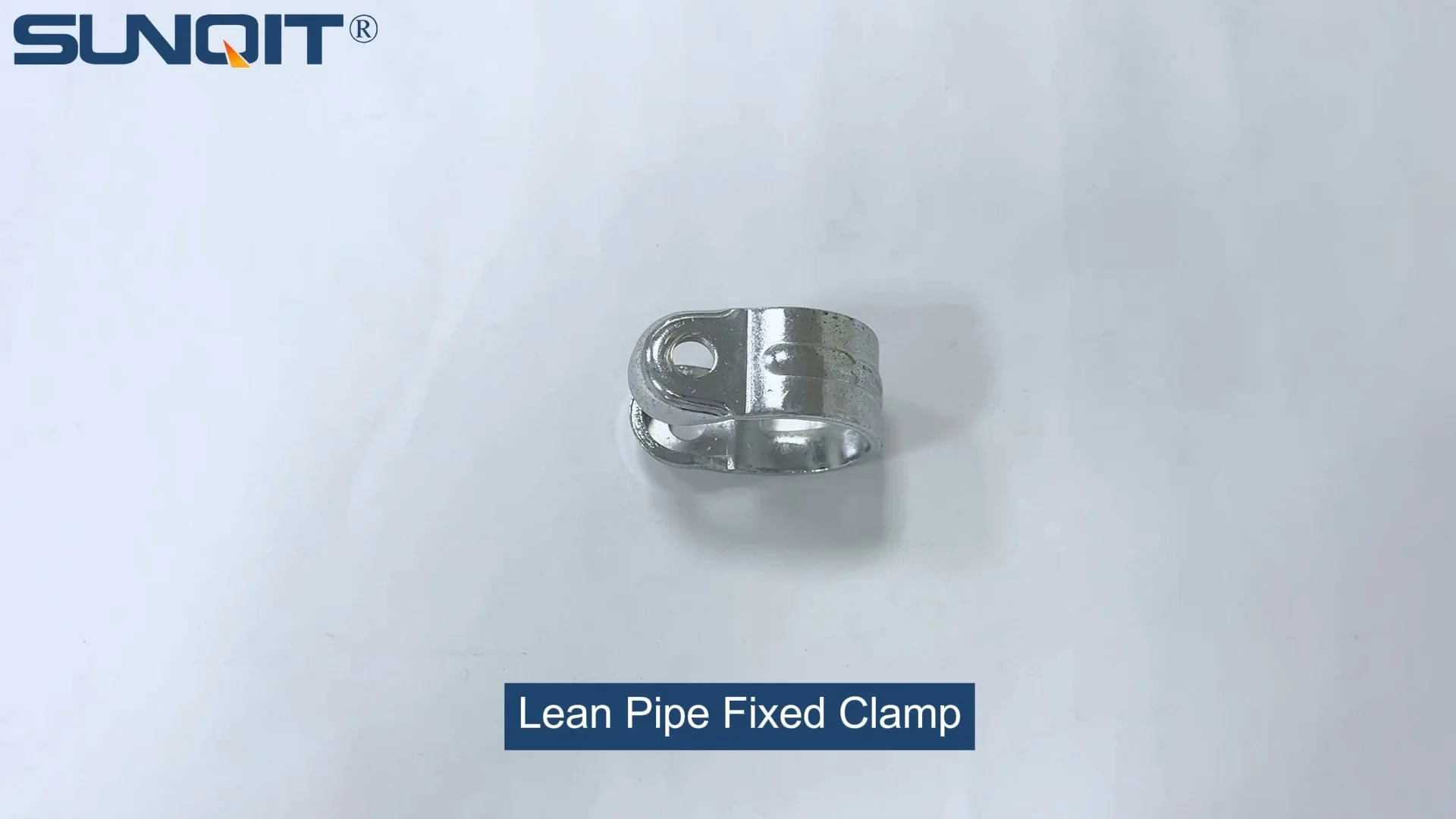
Lean Pipe Fixed Clamp
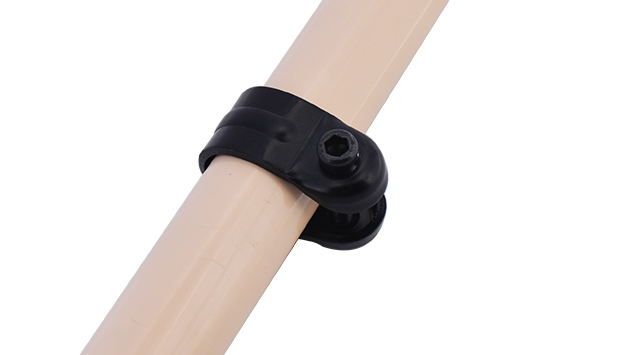
Lean pipe fixed clamp is used for pipe connector fixing the correct position during workbench flow rack hand trolley assemble work.
When you're building a lean pipe workbench, setting up a material flow system, or assembling a production line, every component plays a role—but few are as quietly critical as the lean pipe fixed clamp. These unassuming parts are the backbone of your structure, holding pipes, joints, and accessories together to ensure stability, safety, and efficiency. A weak or ill-fitting clamp can turn a sturdy workstation into a wobbly hazard, delay production, or even compromise product quality. So, how do you sift through the options and pick the right one? This guide breaks down everything you need to know, from material selection to compatibility checks, to help you make an informed decision.
Why Lean Pipe Fixed Clamps Deserve Your Attention
Let's start with the basics: What even is a lean pipe fixed clamp? In short, it's a fastening device designed to secure lean pipes (or aluminum profiles, stainless steel pipes, etc.) to joints, frames, or other components. Unlike adjustable clamps, fixed clamps are meant to create a rigid connection—think of them as the "permanent glue" in your lean system. Whether you're constructing a heavy-duty assembly station or a lightweight turnover trolley, the right clamp ensures your structure stays intact under stress, vibration, and daily use.
Here's the truth: Many buyers overlook clamps, focusing instead on flashier components like aluminum workbenches or conveyor systems. But skimping on clamps is a false economy. A $5 clamp failure can ruin a $500 workbench, lead to downtime, or even cause workplace accidents. That's why this checklist exists—to help you prioritize quality and avoid costly mistakes.
Key Factors to Evaluate: Your Lean Pipe Fixed Clamp Checklist
1. Material: The Foundation of Durability
The first thing to check is the clamp's material. It dictates strength, weight, corrosion resistance, and suitability for your environment. Let's break down the most common options:
Steel:
Steel clamps are the workhorses of heavy-duty applications. They offer exceptional strength (often handling 200–500kg of load) and durability, making them ideal for industrial workbenches, material racks, or conveyor systems that bear heavy weights. However, bare steel is prone to rust, so look for options with zinc plating or powder coating for corrosion resistance. If your workspace is humid or exposed to moisture, a stainless steel pipe series clamp might be worth the investment—though it comes with a higher price tag.
Aluminum:
Aluminum pipe clamps are lighter and naturally corrosion-resistant, making them perfect for cleanrooms, food processing facilities, or applications where weight matters (like mobile trolleys). They typically handle 100–300kg, which is sufficient for most light to medium-duty tasks. Bonus: Aluminum pairs seamlessly with aluminum lean pipe and aluminum profile systems, creating a sleek, modern look. Just note: Aluminum isn't as strong as steel, so avoid it for ultra-heavy loads.
PE-Coated Steel:
These clamps combine steel's strength with a polyethylene (PE) coating, adding insulation and a non-slip surface. They're a top choice for ESD workbenches, where electrostatic discharge protection is critical—think electronics manufacturing or semiconductor labs. The coating also reduces noise and prevents scratches on delicate materials. Keep in mind: The PE layer can wear thin over time with frequent adjustments, so they're best for semi-permanent setups.
2. Load Capacity: Match the Clamp to the Job
Load capacity is non-negotiable. A clamp rated for 100kg won't cut it if your workbench holds 300kg of tools and materials. Always check the manufacturer's specs, but don't stop there—factor in "dynamic load" too. Static load (weight at rest) is important, but dynamic load (weight in motion, like when pushing a trolley or loading/unloading parts) can stress clamps even more. For example, a material rack b (3 row and 3 floor) filled with heavy components will exert dynamic force every time someone pulls a bin, so opt for clamps with a dynamic load rating 20–30% higher than your estimated max weight.
Pro tip: If you're unsure, ask the supplier for test data. Reputable lean pipe suppliers will have no problem sharing load test reports—avoid those who can't.
3. Compatibility: No Clamp is an Island
A clamp is only as good as its ability to work with your existing system. Mismatched components are a recipe for disaster, so check these compatibility points:
Pipe/Profile Size:
Lean pipes come in standard diameters (1.5mm, 2.0mm wall thickness), while aluminum profiles have specific T-slot sizes (2020, 3030, 4040). A clamp designed for a 28mm lean pipe won't fit a 40mm aluminum profile. Double-check measurements—even a 1mm difference can lead to a loose fit.
Lean Pipe Joint Type:
Clamps must align with your joint design. Are you using a 90° aluminum crossing joint? A parallel double end fixed lean pipe joint? Or a 135° aluminum pipe joint inside connection? A clamp that doesn't match the joint's angle or threading will never tighten properly. For example, a clamp meant for a straight lean pipe joint square end will fail on a swivel joint.
Accessories:
If you're adding extras like caster wheels or roller track, ensure the clamp has holes or slots to accommodate them. A clamp without pre-drilled mounting points for caster accessories will require drilling—weakening the clamp and voiding warranties.
4. Durability: Built to Last (Not Just for Today)
A quality clamp should withstand years of use, not just a few months. Here's what to look for:
Coating/Wear Resistance:
For steel clamps, a thick, uniform coating (zinc, powder, or PE) is a must. Run your finger over the surface—if it feels rough or uneven, the coating may chip. For aluminum, anodization (a protective oxide layer) enhances scratch resistance.
Thread Quality:
The threads (if the clamp uses screws) should be clean and sharp, with no burrs. A stripped thread is a useless clamp. Test with a matching screw— it should turn smoothly without sticking.
Joint Integrity:
If the clamp has welded parts (common in steel designs), inspect the welds for cracks, gaps, or unevenness. A weak weld will snap under pressure.
5. ESD Compliance (If Needed)
If you work in electronics, pharmaceuticals, or any industry where static electricity can damage products, an ESD workbench or workstation demands ESD-safe clamps. These clamps are made with conductive materials (like carbon-infused plastic or stainless steel) to dissipate static charges. Check for an ESD rating (typically <10^9 ohms) and ensure the clamp is labeled as compliant with standards like ANSI/ESD S20.20. Avoid "ESD-safe" claims without certification—they're often just marketing.
Common Mistakes to Avoid
Even with the checklist, buyers fall into traps. Here's what to watch out for:
Choosing Based on Price Alone:
A $2 clamp might seem like a steal, but it's likely made with thin steel or alloys. You'll end up replacing it repeatedly, costing more in the long run. Invest in mid-range or premium clamps from trusted suppliers—your future self (and budget) will thank you.
Ignoring Environmental Factors:
A basic steel clamp will rust in a damp warehouse. A plastic-coated clamp will melt near high-heat machinery. Always factor in temperature, humidity, chemicals, and cleaning agents when selecting materials.
Overlooking Sample Testing:
Never order 500 clamps without testing 5 first. Mount them on your pipes, apply load, and check for slipping or bending. A reputable lean pipe workbench supplier will send free samples—if they refuse, walk away.

Clamp Types Compared: Which One Fits Your Needs?
| Clamp Type | Material | Load Capacity | Best For | Pros | Cons |
|---|---|---|---|---|---|
| Steel Fixed Clamp | Steel (zinc-plated/powder-coated) | 200–500kg | Heavy-duty workbenches, material racks, conveyor systems | High strength, durable, wide availability | Heavy; prone to rust without coating |
| Aluminum Pipe Clamp | Aluminum (anodized) | 100–300kg | Lightweight assembly lines, cleanrooms, mobile trolleys | Lightweight, corrosion-resistant, sleek design | Lower load capacity than steel |
| PE-Coated Lean Pipe Clamp | Steel with PE coating | 150–400kg | ESD workstations, electronics manufacturing | Static-dissipative, non-slip, noise-reducing | Coating may wear with frequent adjustments |
| Stainless Steel Clamp | Stainless steel (304/316 grade) | 250–550kg | Wet environments, food processing, medical facilities | Highly corrosion-resistant, hygienic | Expensive; heavier than aluminum |

How to Test a Clamp Before You Buy
Even with all the research, nothing beats hands-on testing. Here's a quick 5-step test:
- Visual Inspection: Check for cracks, dents, or uneven coating. The edges should be smooth (no burrs that could cut hands). Threads should be clean and free of debris.
- Fit Test: Attach the clamp to your lean pipe and joint. It should slide on easily but tighten firmly—no wobbling or slipping when hand-tightened.
- Load Test: Secure the clamped structure and apply gradual weight (use sandbags or weights). The clamp should hold without bending or loosening. For dynamic testing, gently shake the structure—no creaking or shifting.
- Corrosion Test (For Steel): Dab a damp cloth on the clamp and leave it overnight. If rust appears, the coating is inadequate.
- ESD Test (If Needed): Use a multimeter to check resistance. It should fall between 10^6 and 10^9 ohms for ESD compliance.
Where to Buy: Finding a Reliable Supplier
A great clamp is only as good as the supplier behind it. Look for these red flags and green lights:
Red Flags:
No product specs online, vague answers to technical questions, refusal to provide samples, or unlabeled packaging. These are signs of a low-quality supplier.
Green Lights:
Clear product certifications (ISO, ESD compliance), detailed specs (load capacity, material grade), positive customer reviews, and responsive customer service. A supplier who offers custom solutions (like clamps tailored to your aluminum profile accessories) is a keeper.
Don't underestimate the value of a local supplier, either. They can deliver samples faster and provide on-site support if issues arise. If you're sourcing internationally, verify import regulations (especially for steel or aluminum products) to avoid delays.
Maintenance: Making Your Clamps Last
Even the best clamps need care. Here's how to extend their lifespan:
- Tighten Regularly: Vibration from machinery can loosen clamps over time. Check and retighten monthly (or weekly for high-vibration areas).
- Clean Gently: Wipe steel clamps with a dry cloth; use mild soap and water for aluminum or ESD clamps. Avoid abrasive cleaners that damage coatings.
- replace Worn Parts: If a clamp's thread strips or coating peels, replace it immediately. A single weak clamp can compromise the entire structure.
- Lubricate Threads: For clamps with screws, apply a small amount of anti-seize lubricant (like copper grease) to prevent rust and make adjustments easier.
Final Thoughts: Your Clamp, Your Success
Choosing a lean pipe fixed clamp might seem like a small decision, but it's one that ripples through your entire operation. A quality clamp ensures safety, efficiency, and longevity—turning your lean system from a collection of parts into a well-oiled machine. By prioritizing material, load capacity, compatibility, and durability, and by avoiding common pitfalls, you'll select clamps that support your workflow for years to come.
Remember: The best clamp isn't the most expensive or the fanciest—it's the one that fits your unique needs. Test, compare, and partner with a supplier you trust. Your lean pipe workbench, your team, and your bottom line will all benefit.